

Athens Electricity Forum strengthens Energy Community cooperation to accelerate electricity market integration, increasing energy security
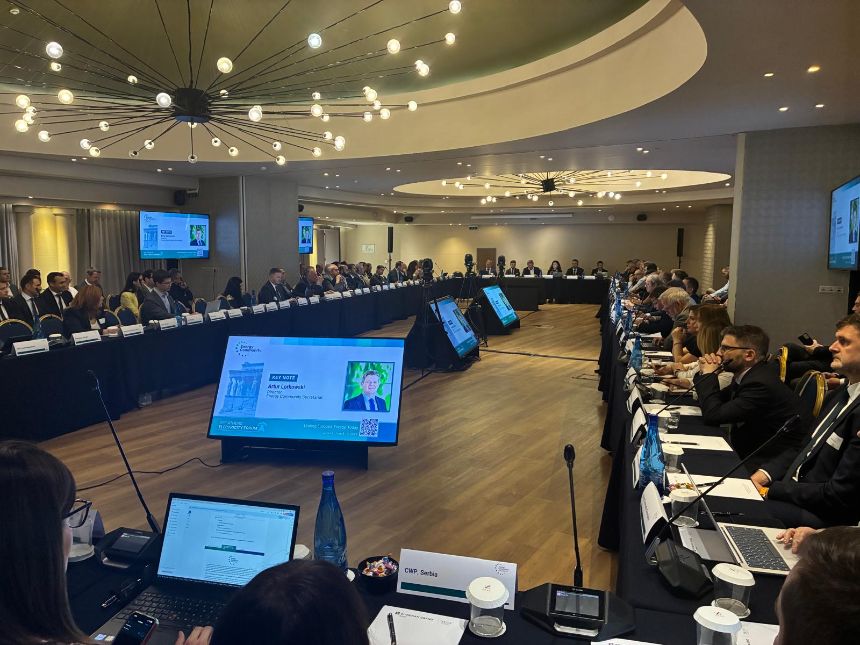
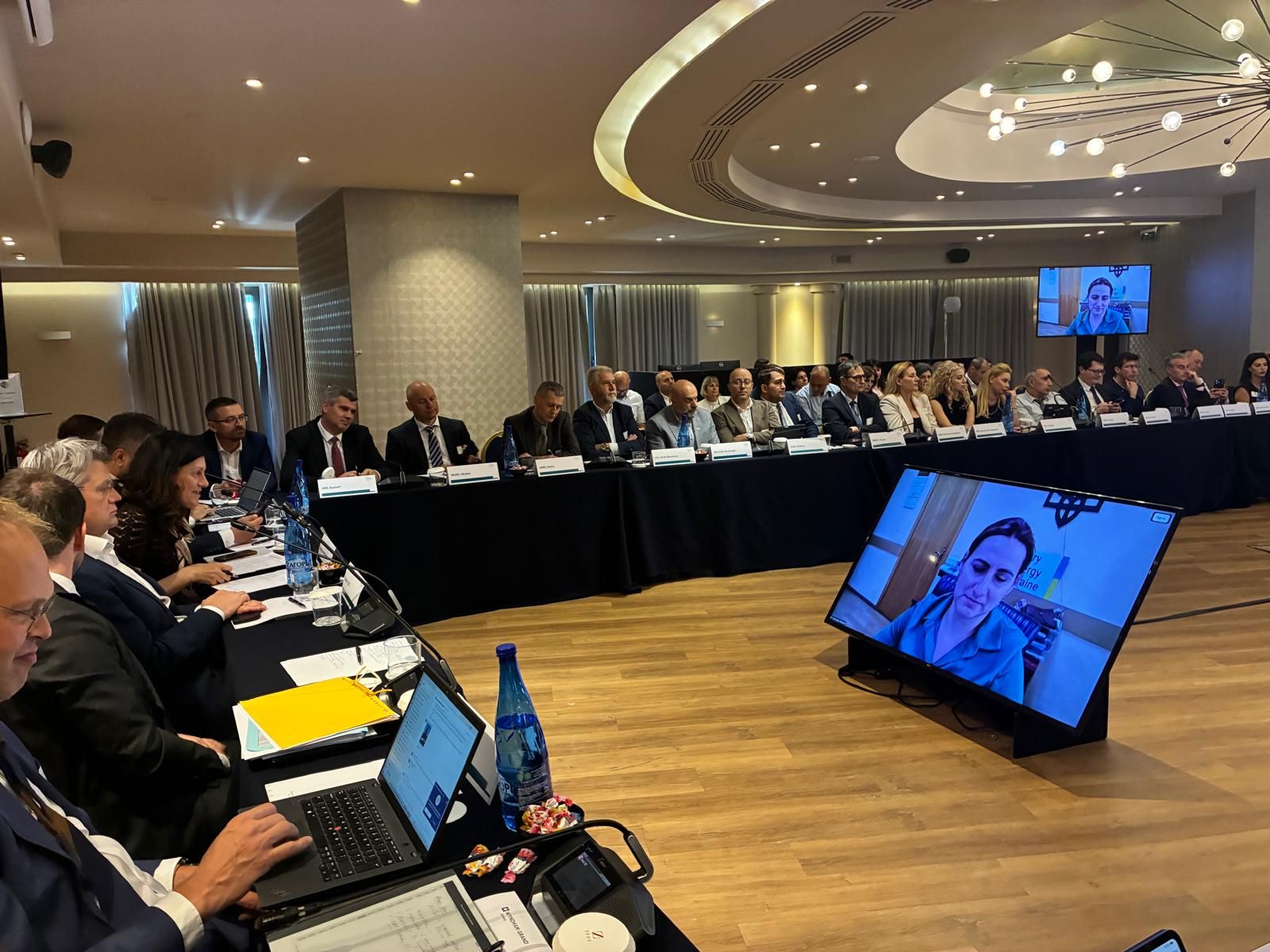
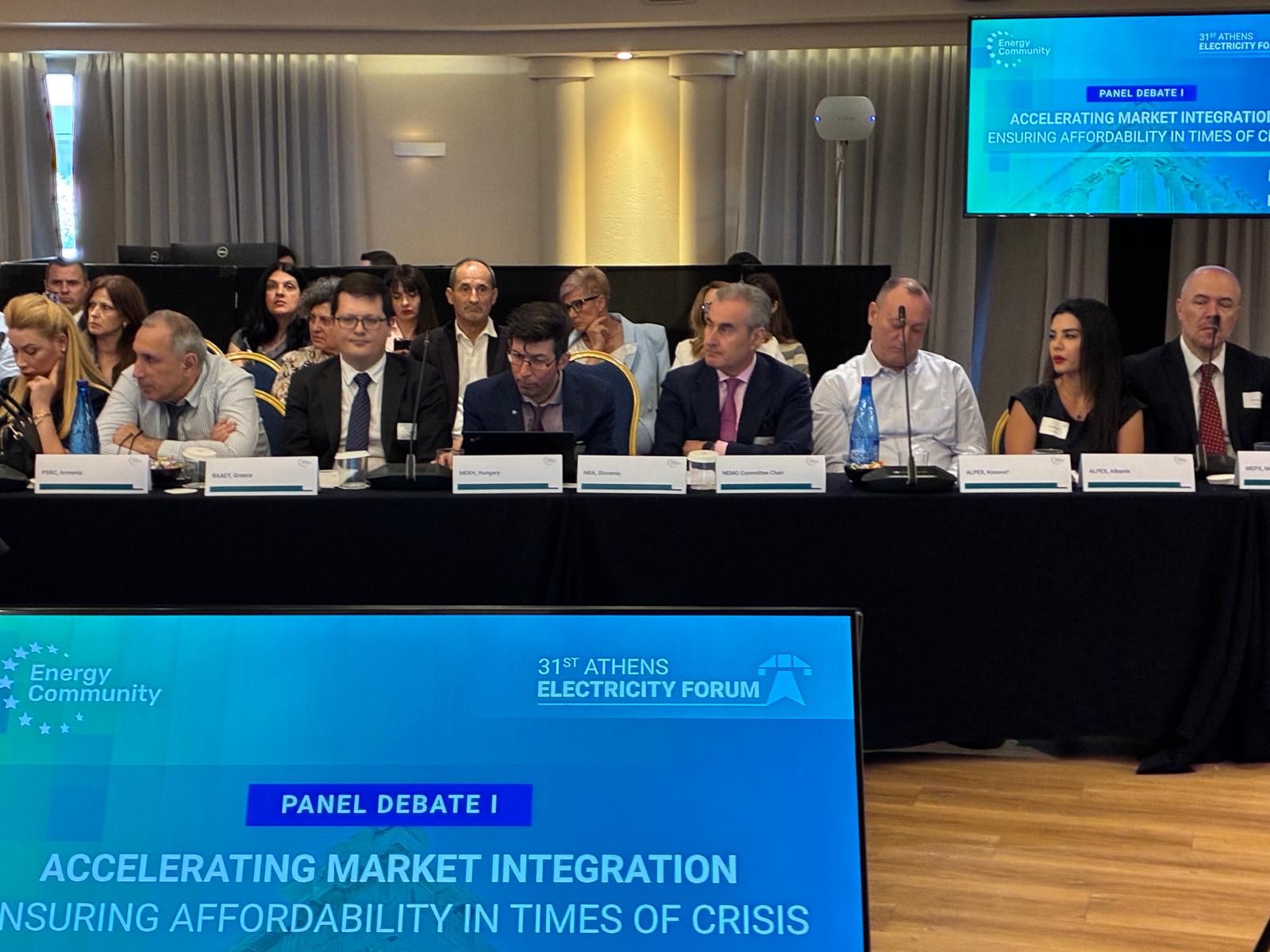
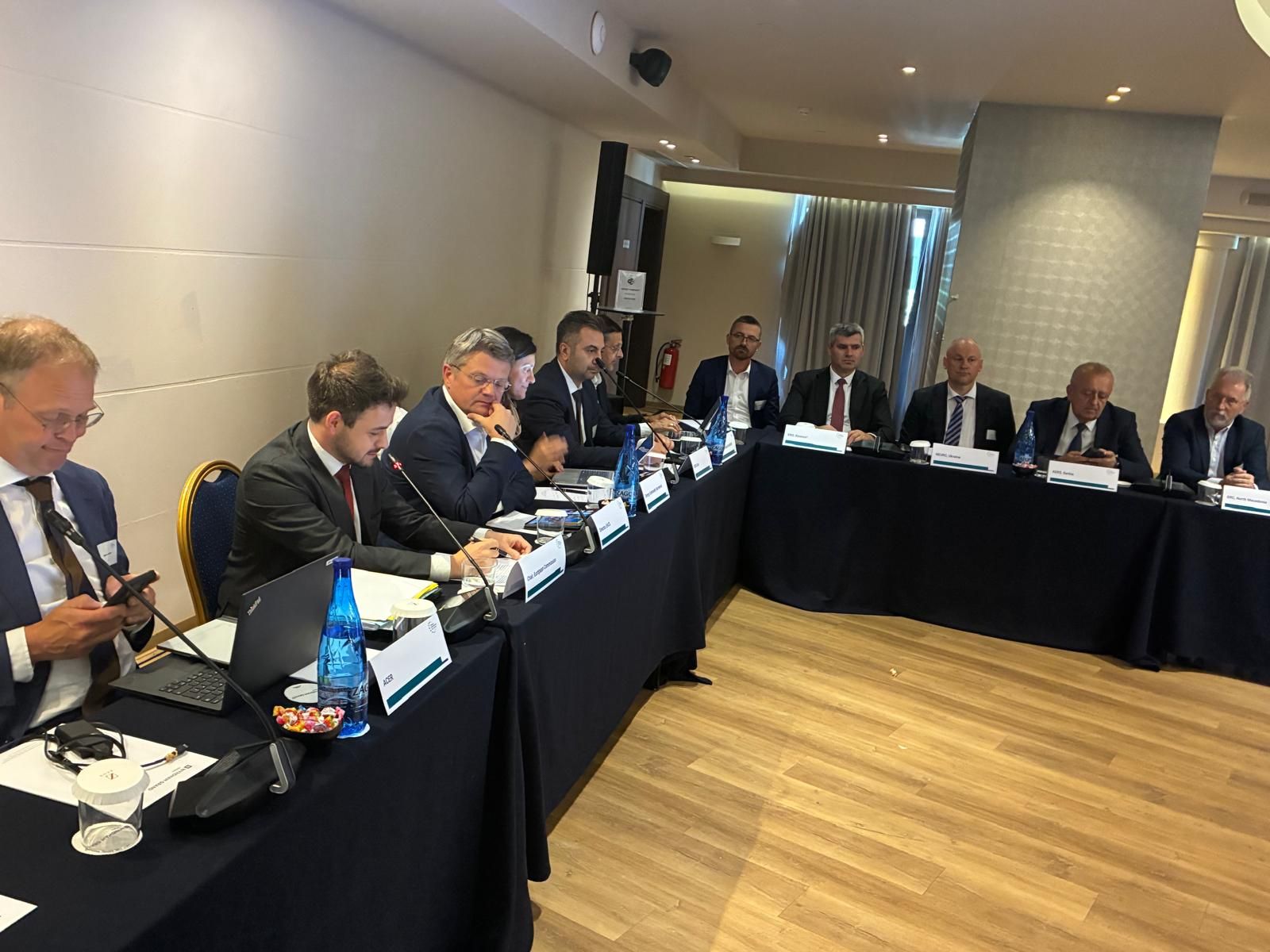
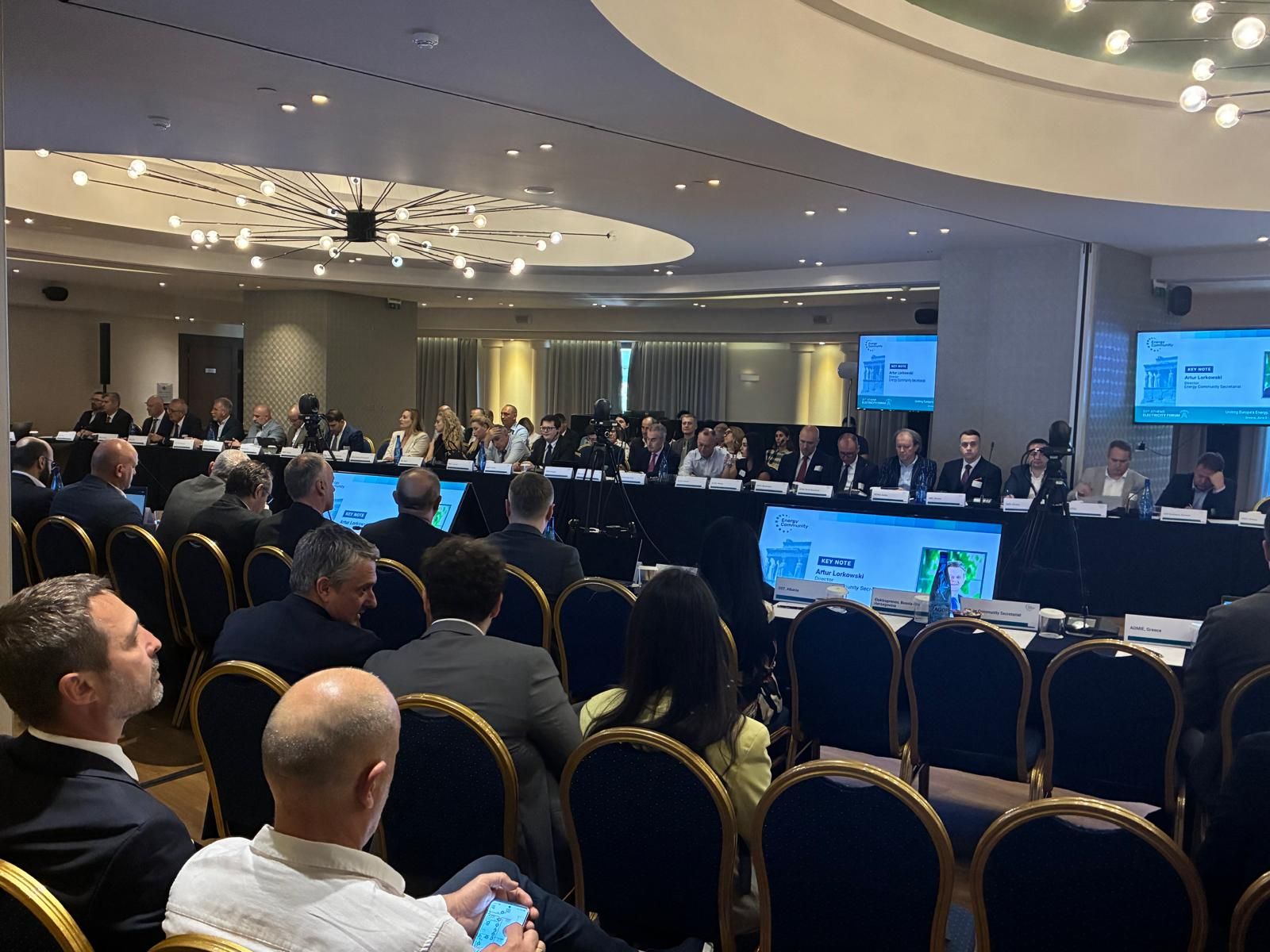
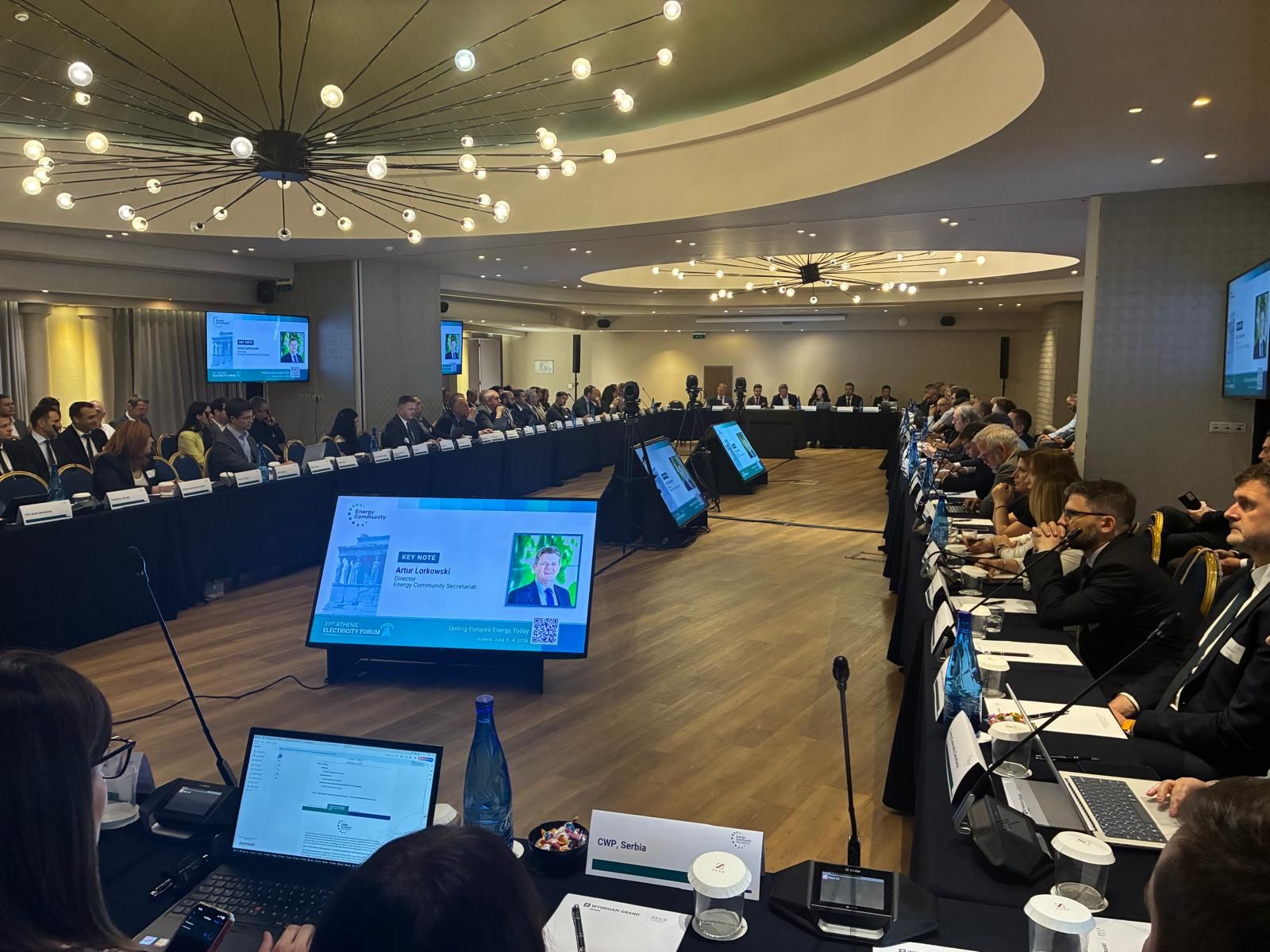
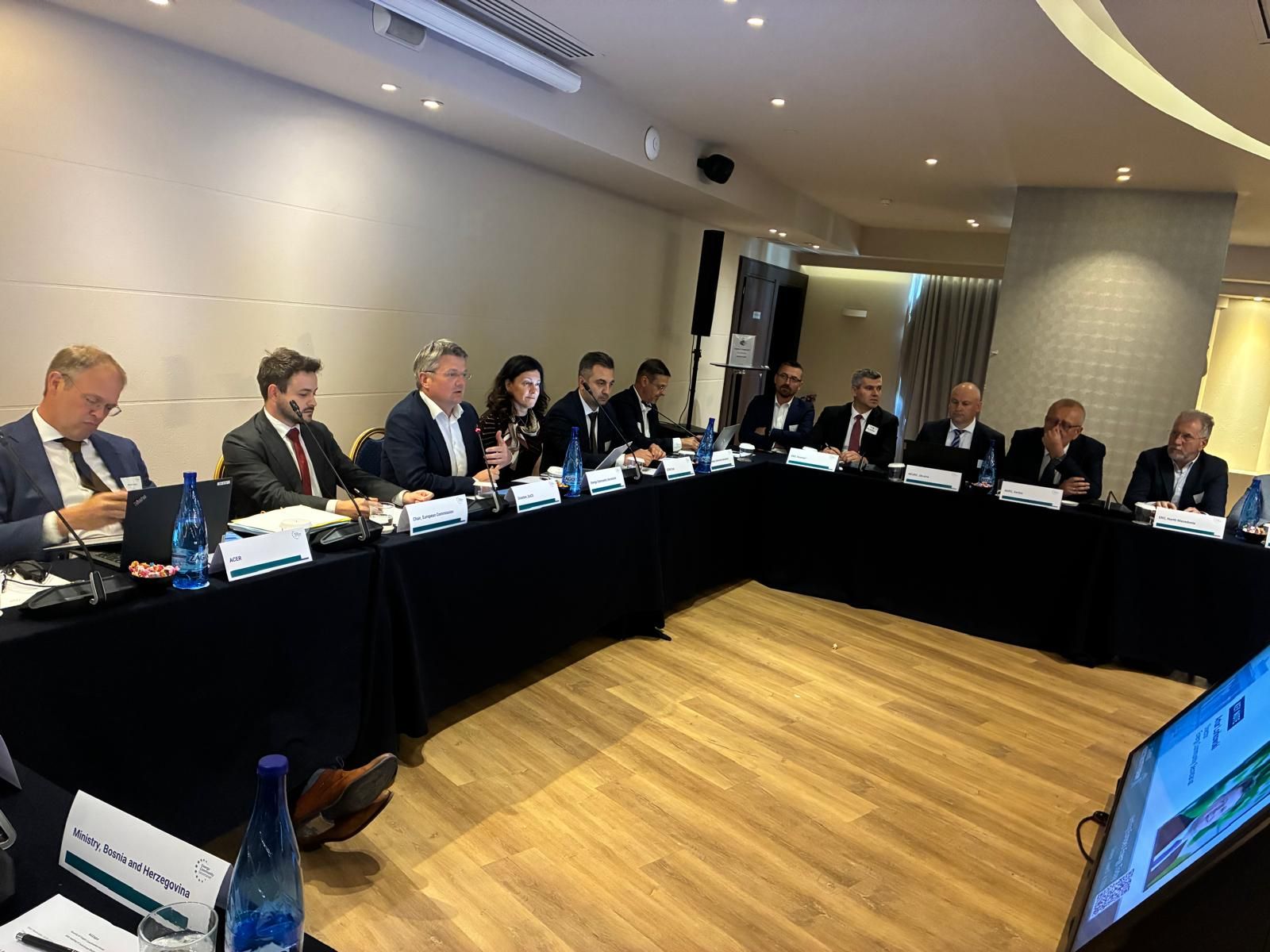
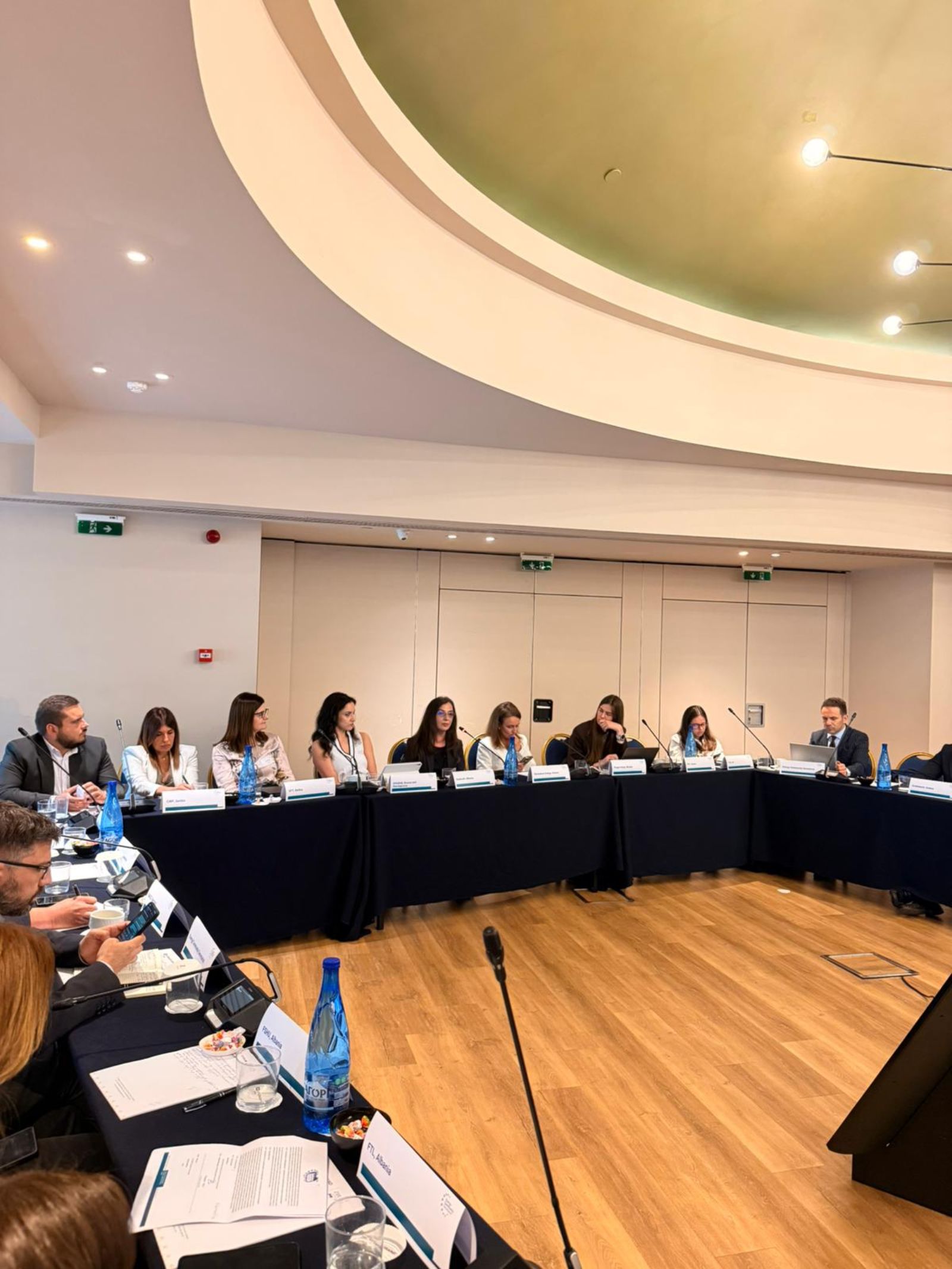
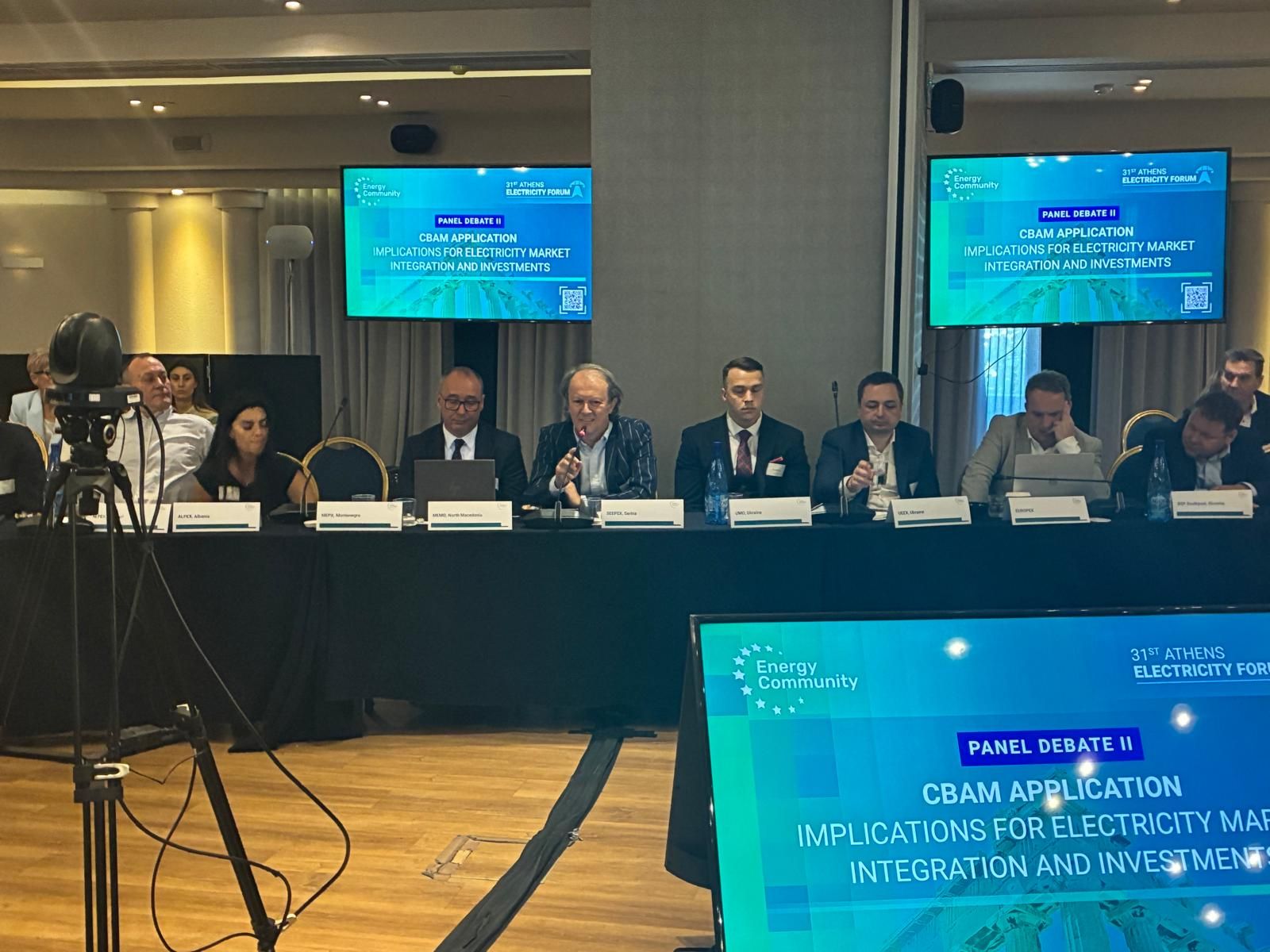
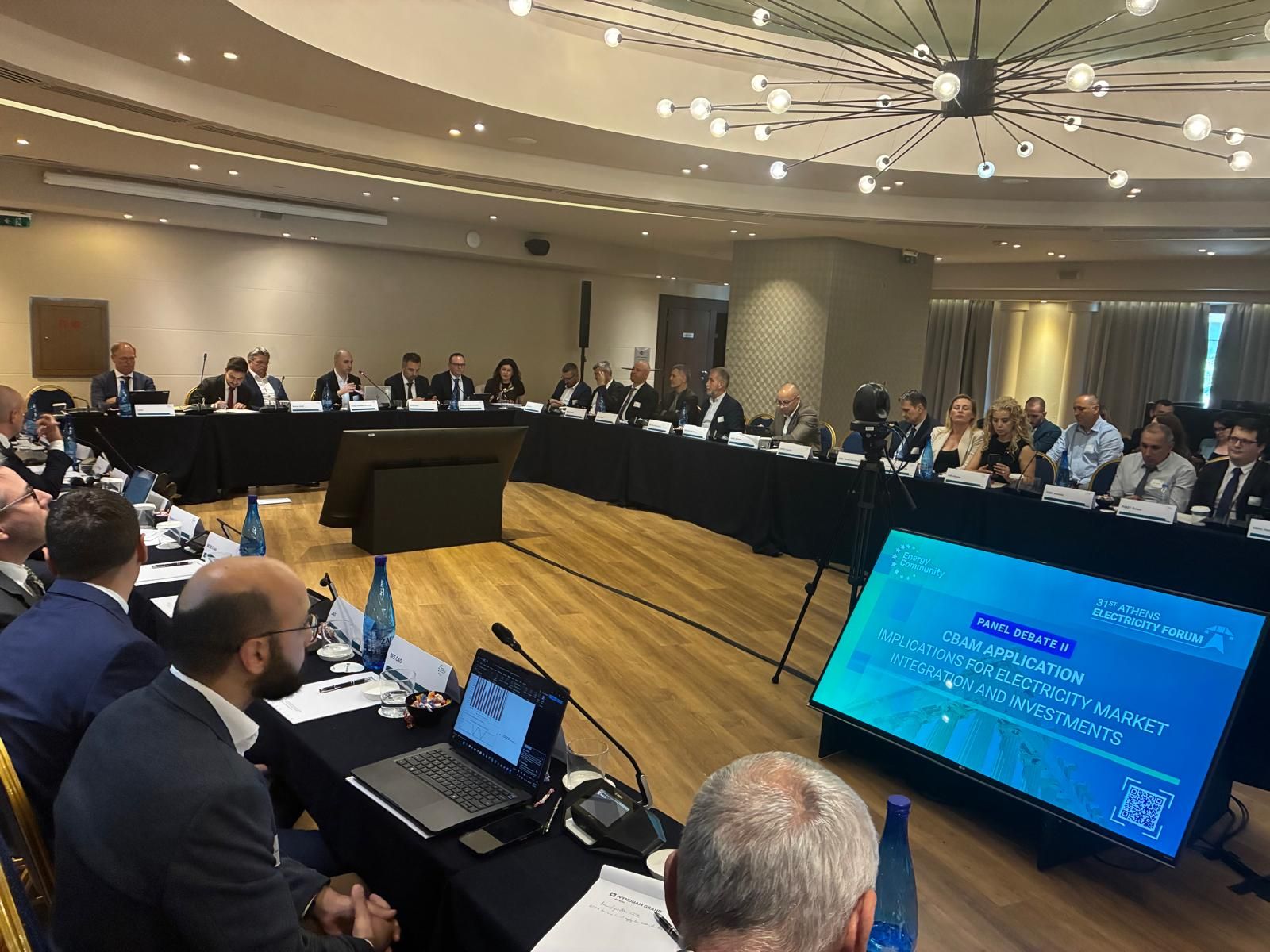
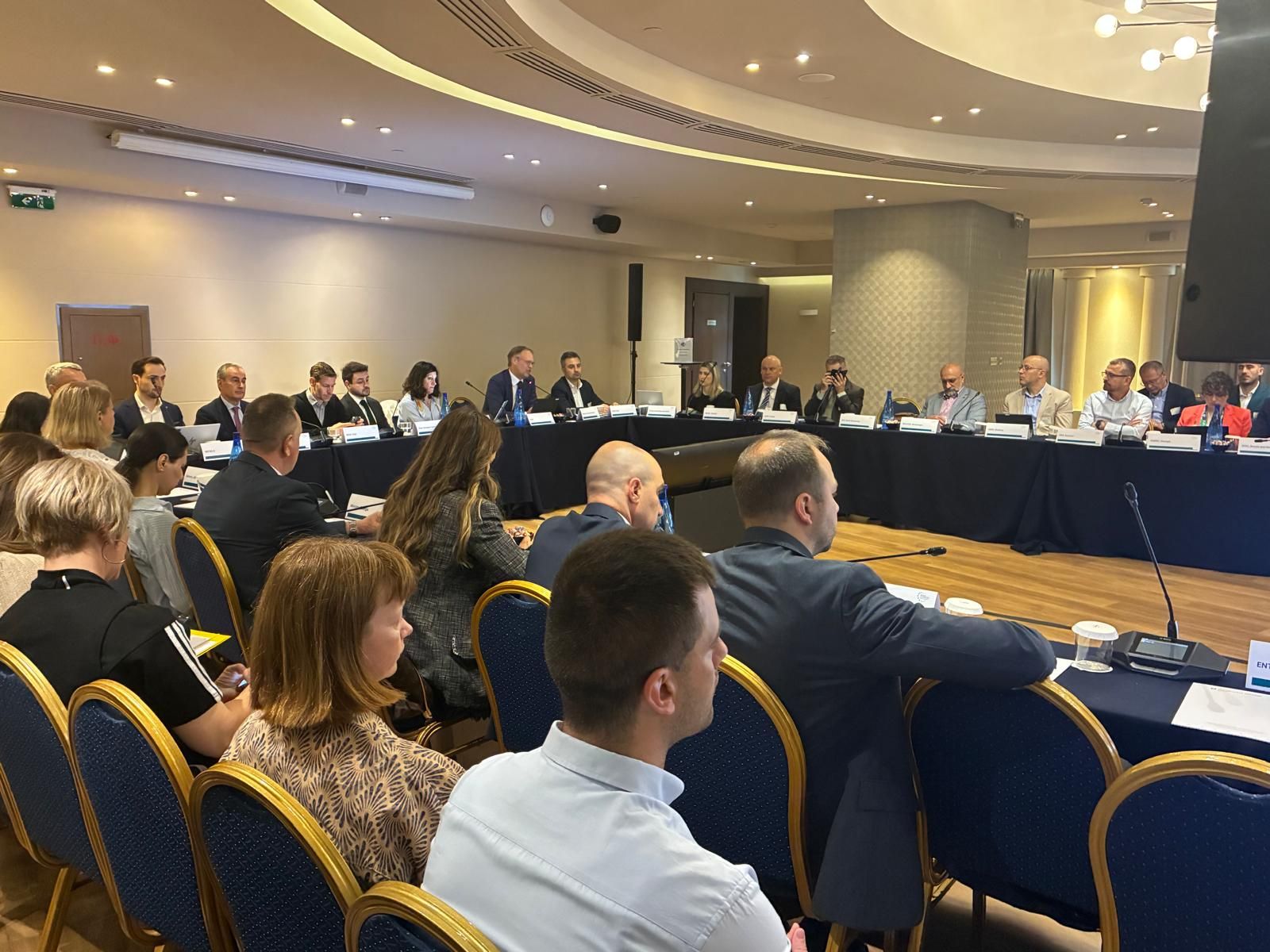
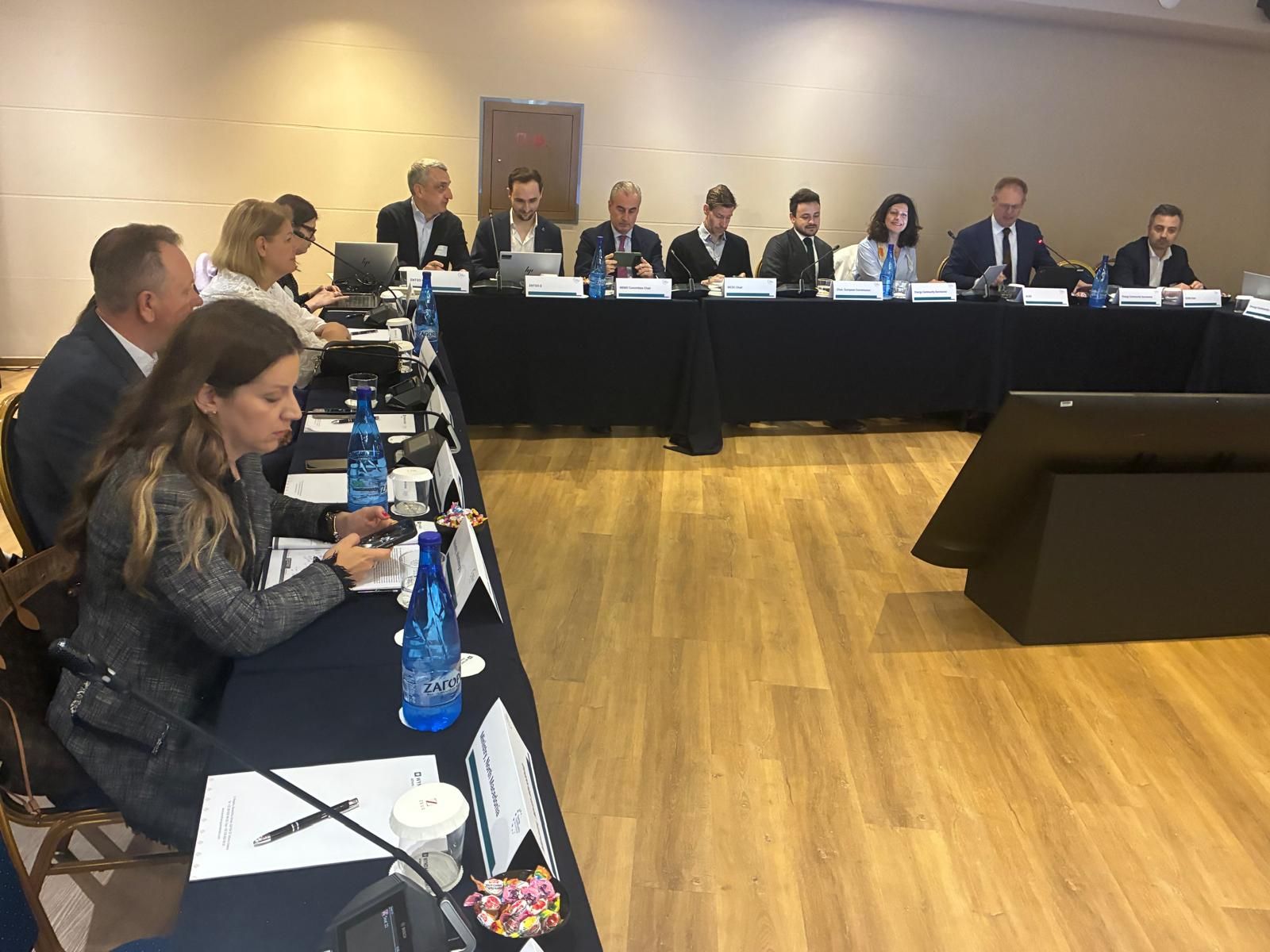
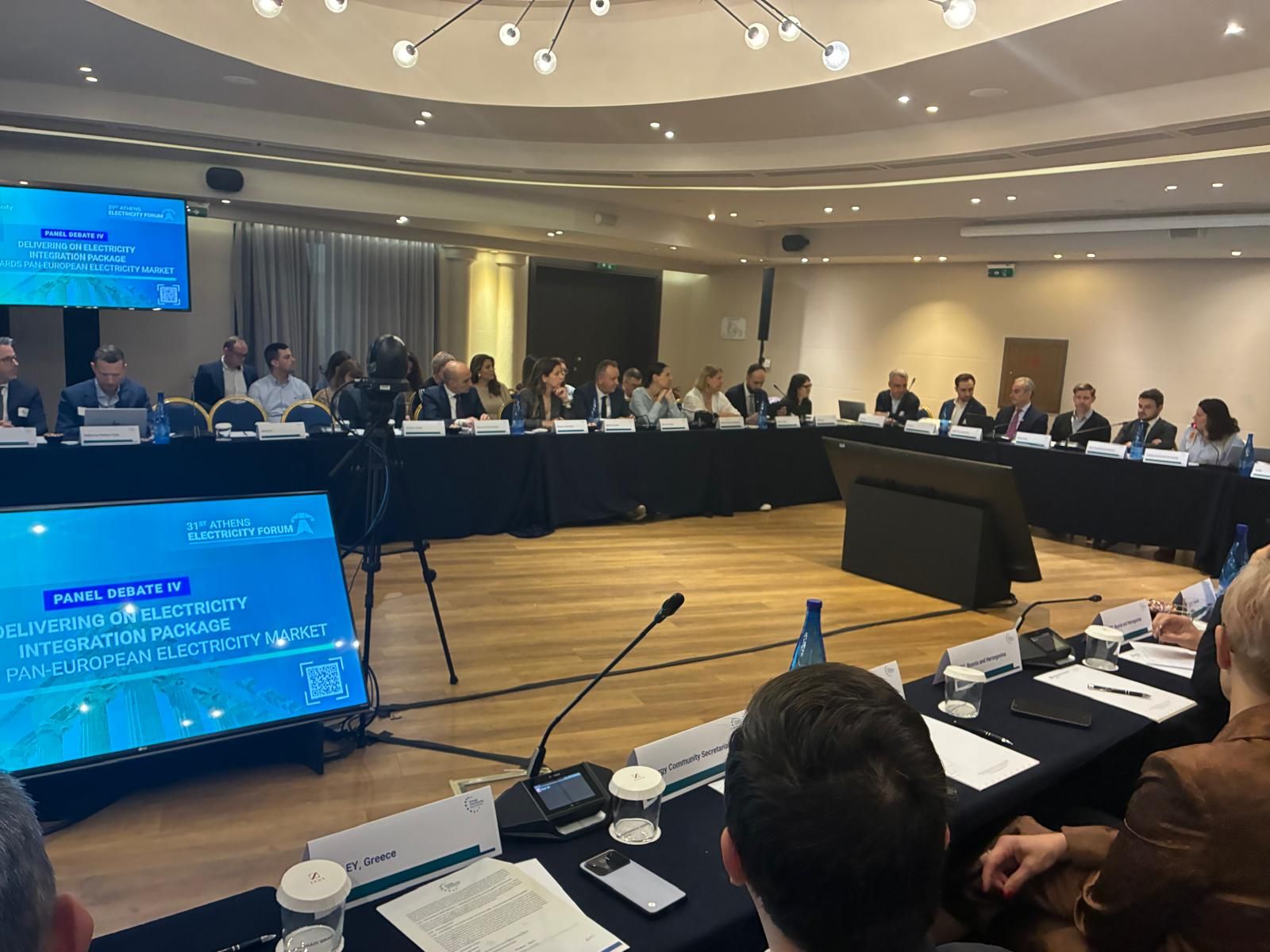
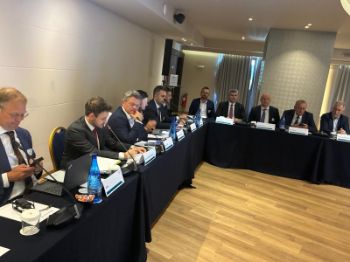
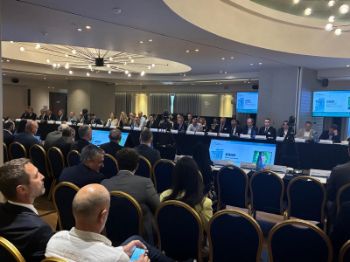
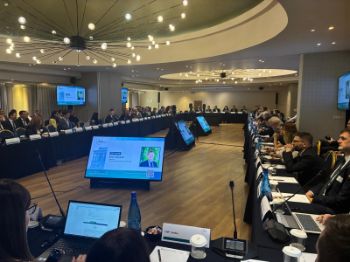
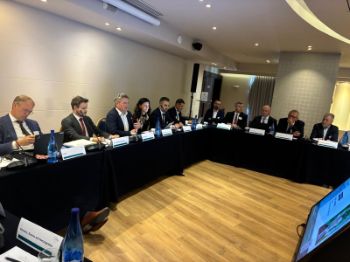
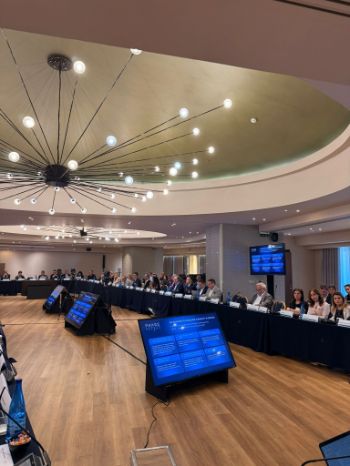
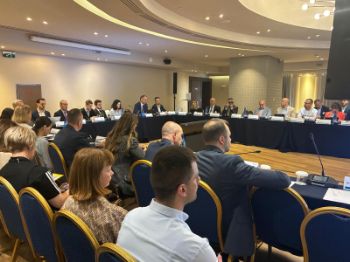
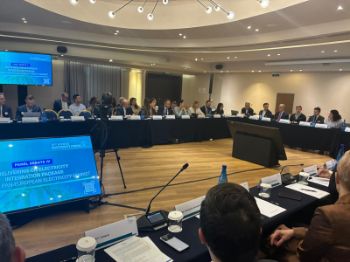
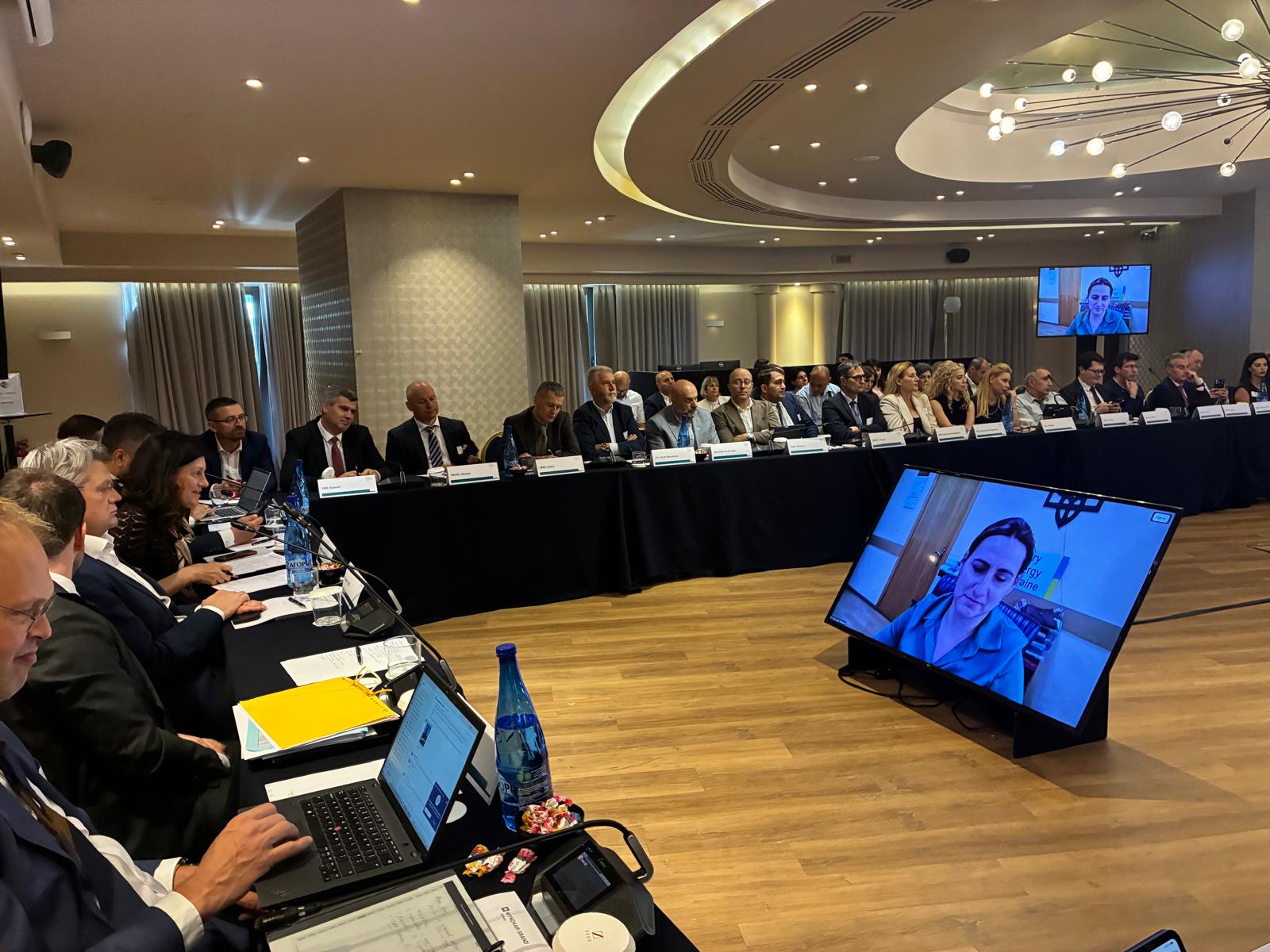
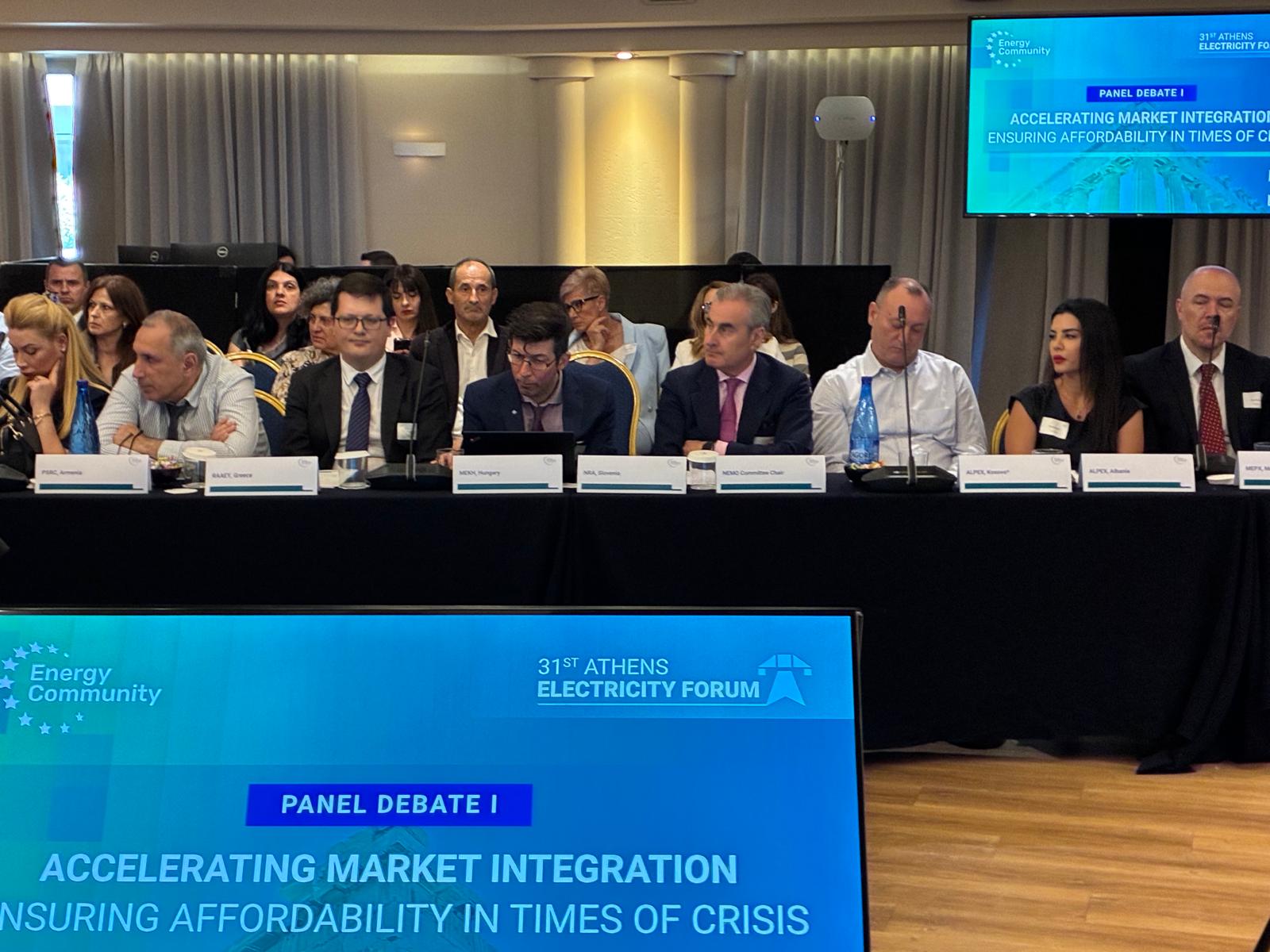
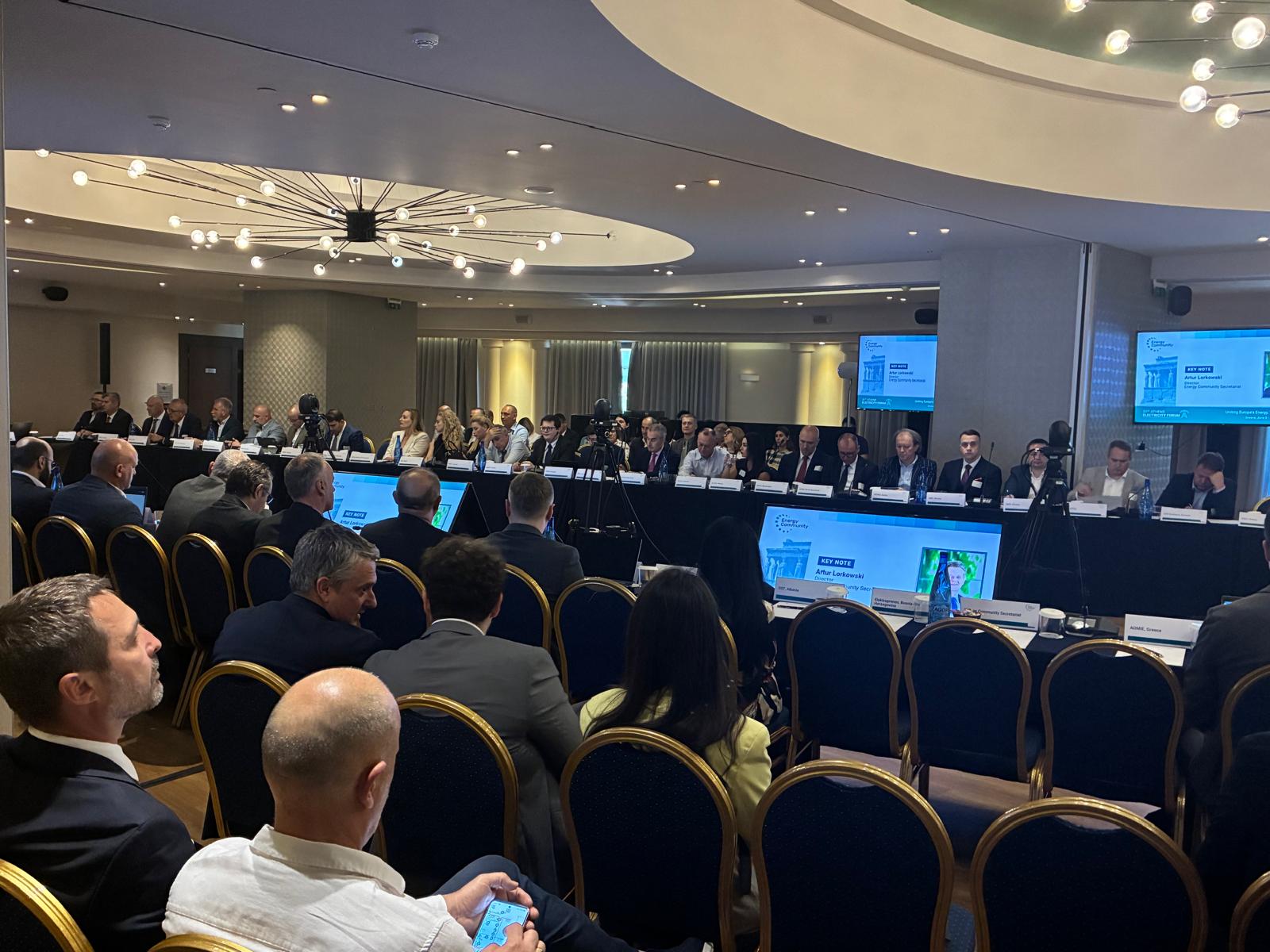
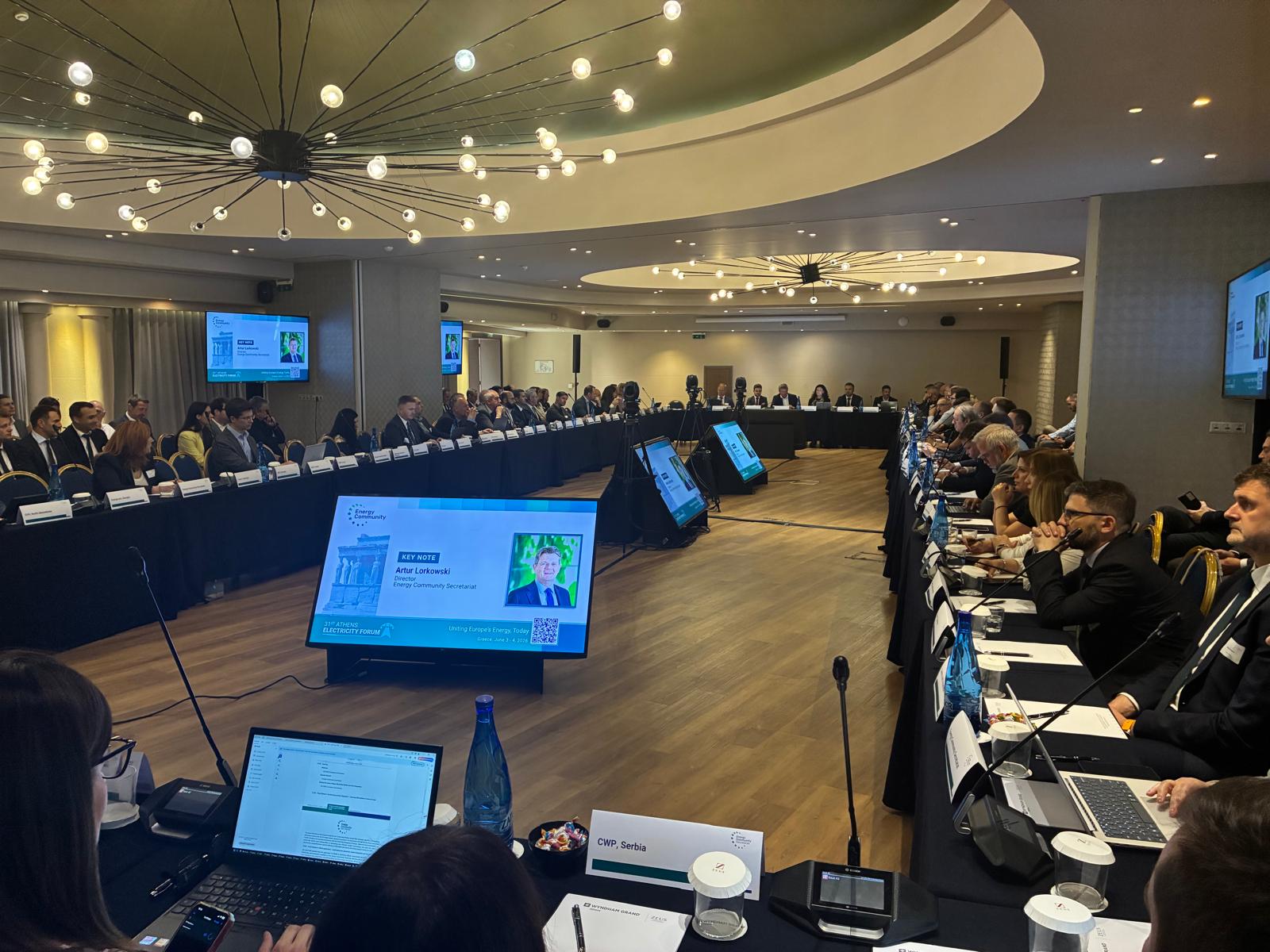
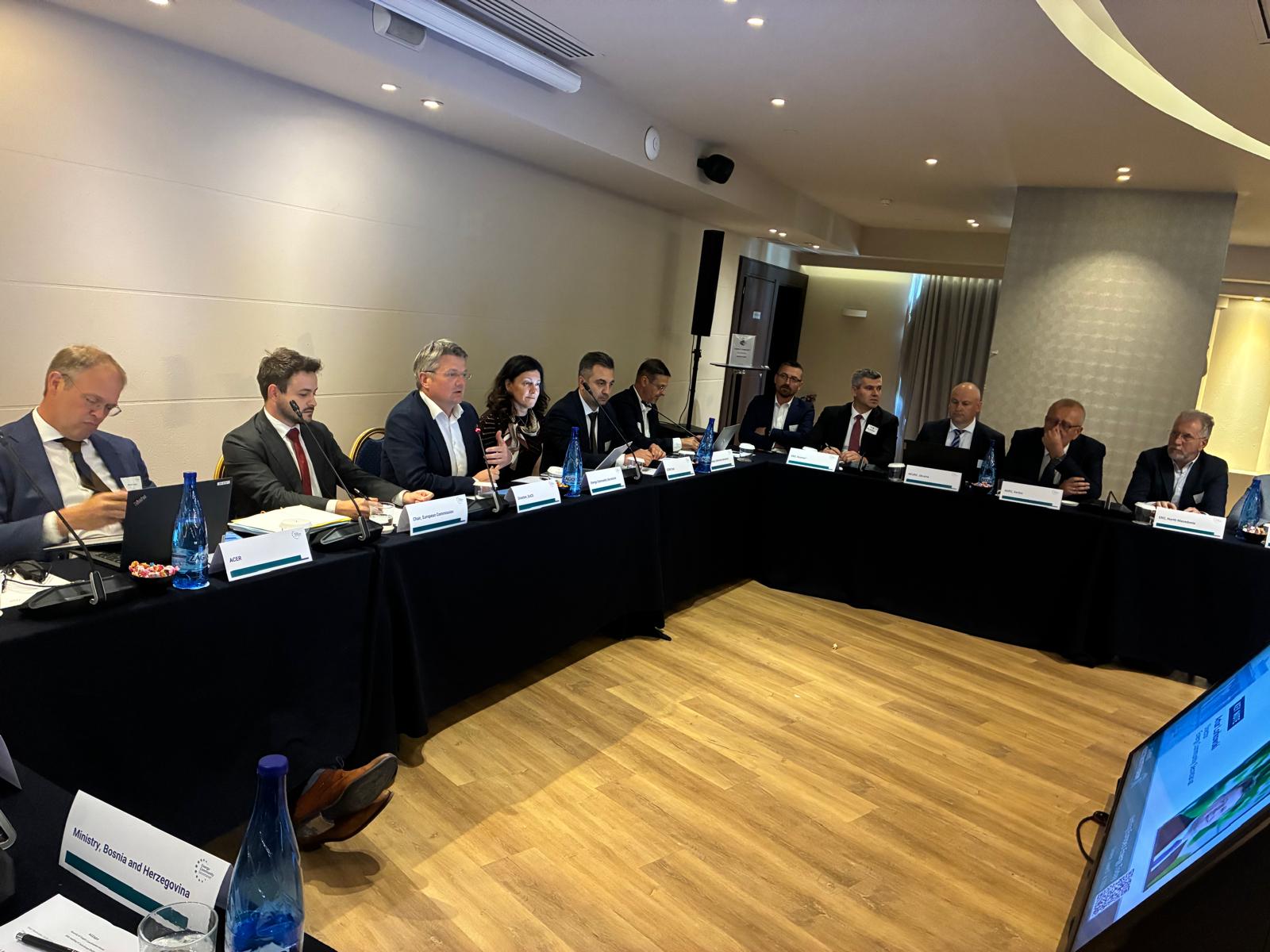
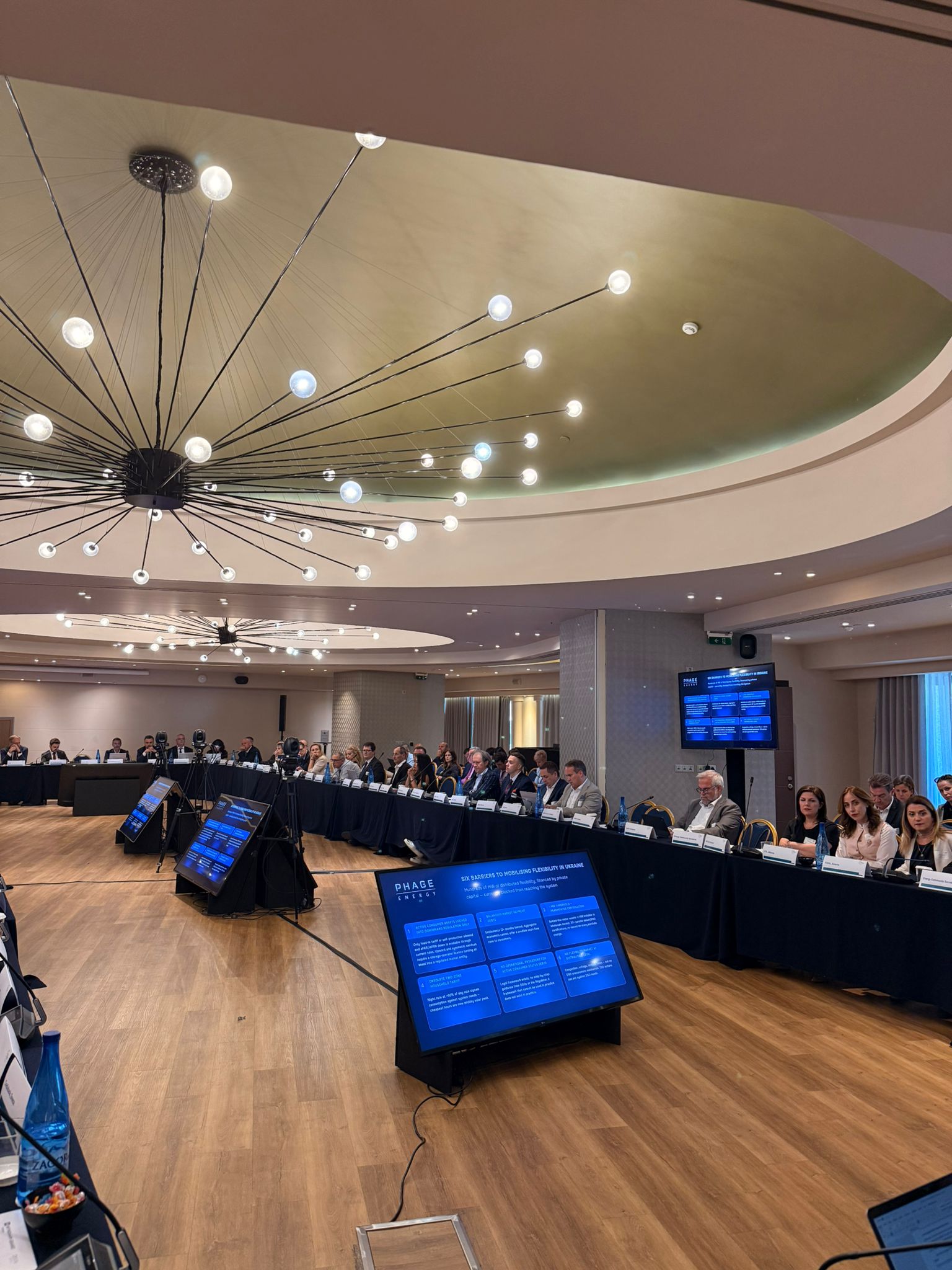
On 3–4 June, the Energy Community’s Athens Electricity Forum gathered the stakeholders needed to make EU–Energy Community electricity market integration a reality — from policymakers and regulators to system operators, market actors and European institutions. The integration of the EU’s South East and Eastern European neighbours into the EU single electricity market has gained urgency amid ongoing geopolitical uncertainty. With CBAM alignment and the right flexibility planning, the region can turn electricity market integration into a driver of renewable investment and long-term fossil fuel independence, Energy Community Secretariat Director Artur Lorkowski underscored. This is especially true if the region simultaneously advances in the electrification of fossil-fuel intensive sectors such as heating and transport.
“Electricity market integration is among the region’s most important pre-accession energy priorities,” Energy Community Secretariat Director Artur Lorkowski said. “It is how we build larger, shock-resistant markets, unlocking the homegrown energy needed for long-term security.”
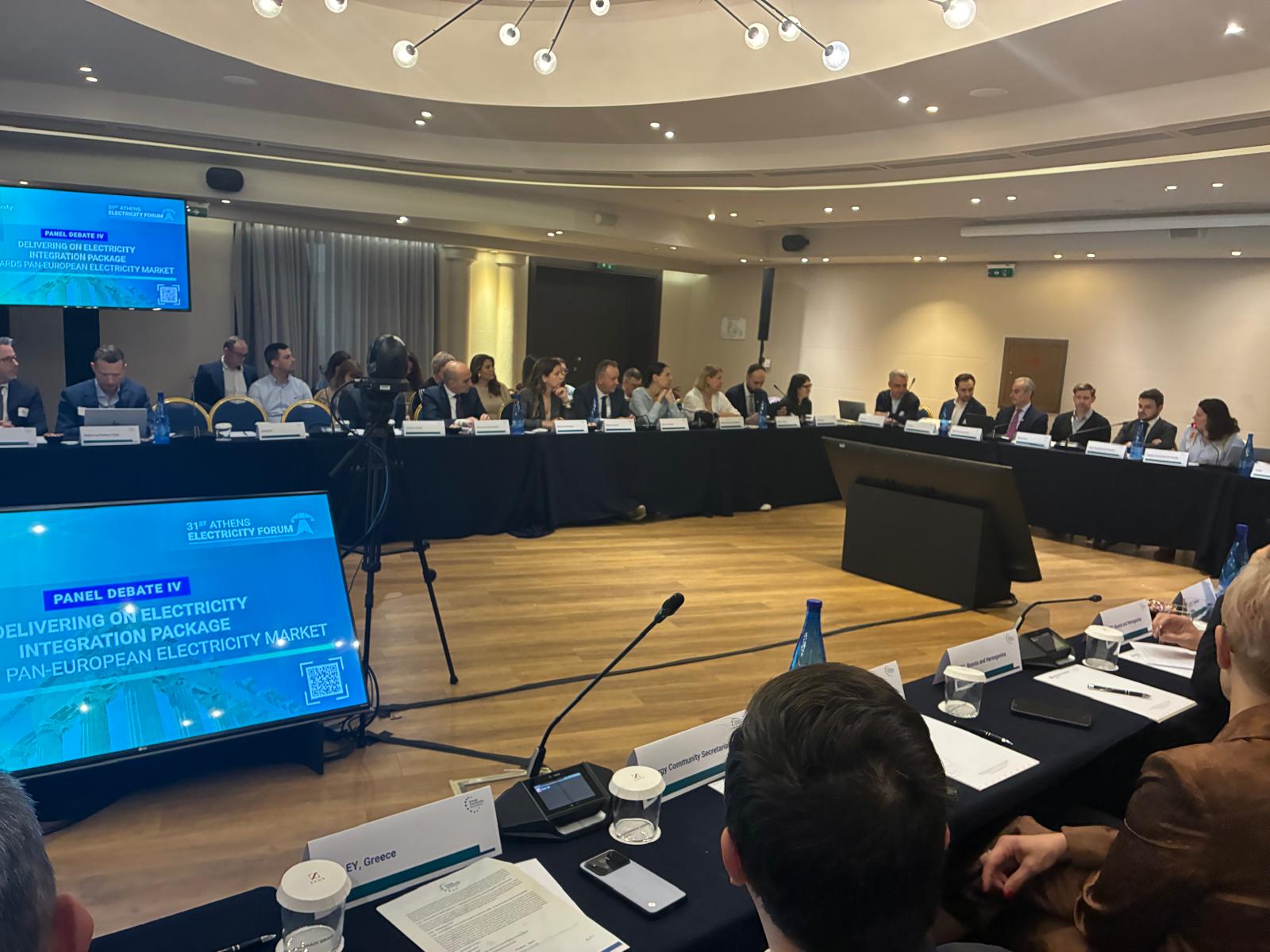
The legal and practical building blocks for electricity market integration with the EU are now falling into place. The Electricity Integration Package is the legislative backbone of this process. Once fully transposed and implemented, it will allow Energy Community Contracting Parties to begin market coupling with the EU. Serbia, Moldova and Montenegro are all advancing through the legislation verification process led by the Energy Community Secretariat and the European Commission. Several other Contracting Parties suggested that they are now in the final stretch, with full transposition expected to be notified shortly. The progress of each Contracting Party in transposing the legislation can be found on a dedicated page on the Energy Community Secretariat's website.
Meanwhile, the operational framework for market integration is also moving forward. EU Nominated Electricity Market Operators have drafted the Market Coupling Operator Integration Plan — the central framework for connecting Contracting Parties to the EU market — expected to be submitted soon for approval to ACER.
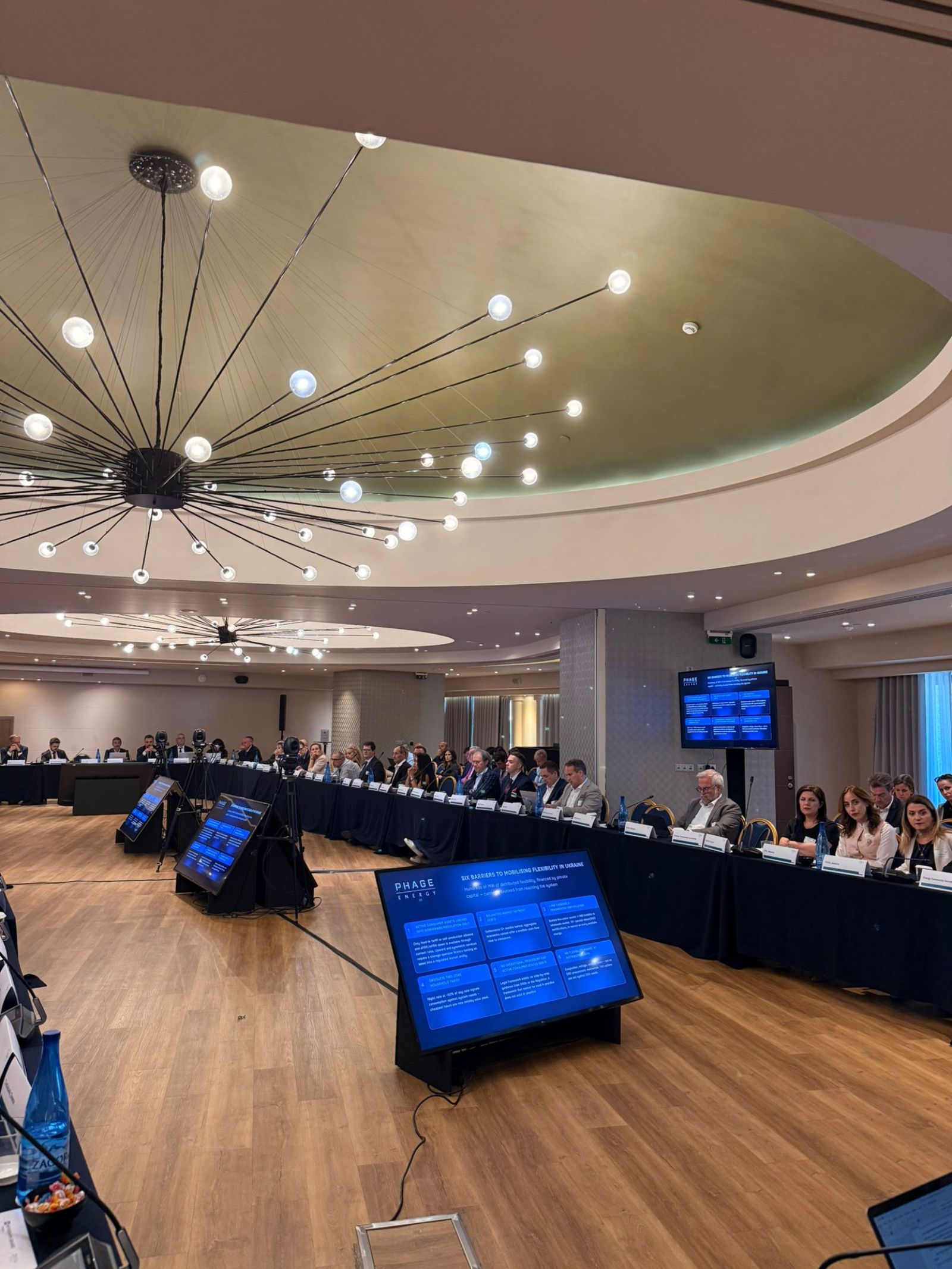
But legislative and practical market integration efforts must be matched by regulatory frameworks that unlock the flexibility needed for a renewables-based power system, the forum underscored. In this regard, Contracting Parties were encouraged to begin this work by assessing future flexibility needs, strengthening cooperation between system operators, regulators and market participants, and advancing cross-border infrastructure opportunities through the timely transposition and implementation of the TEN-E Regulation.
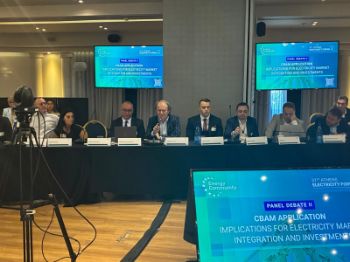
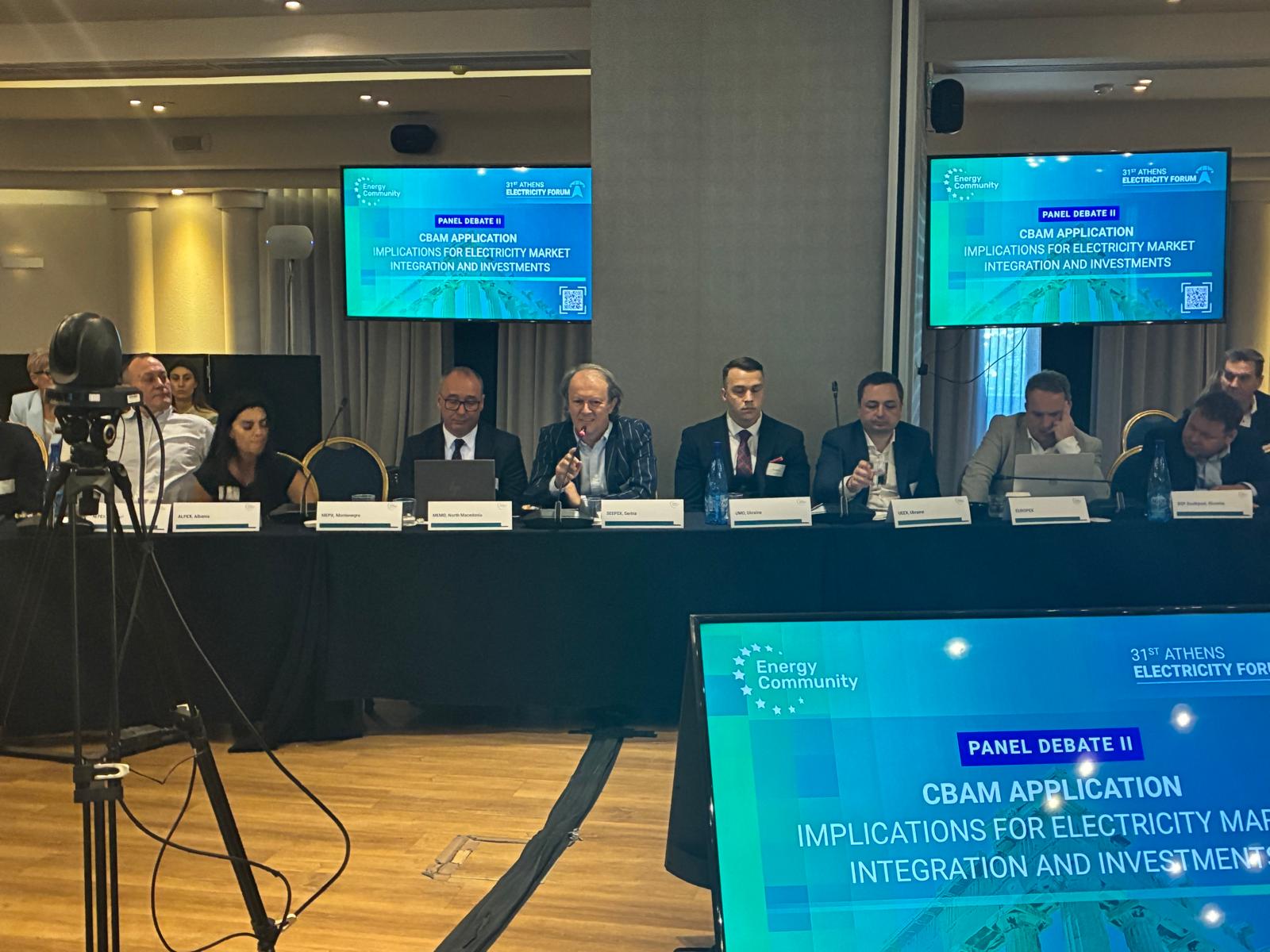
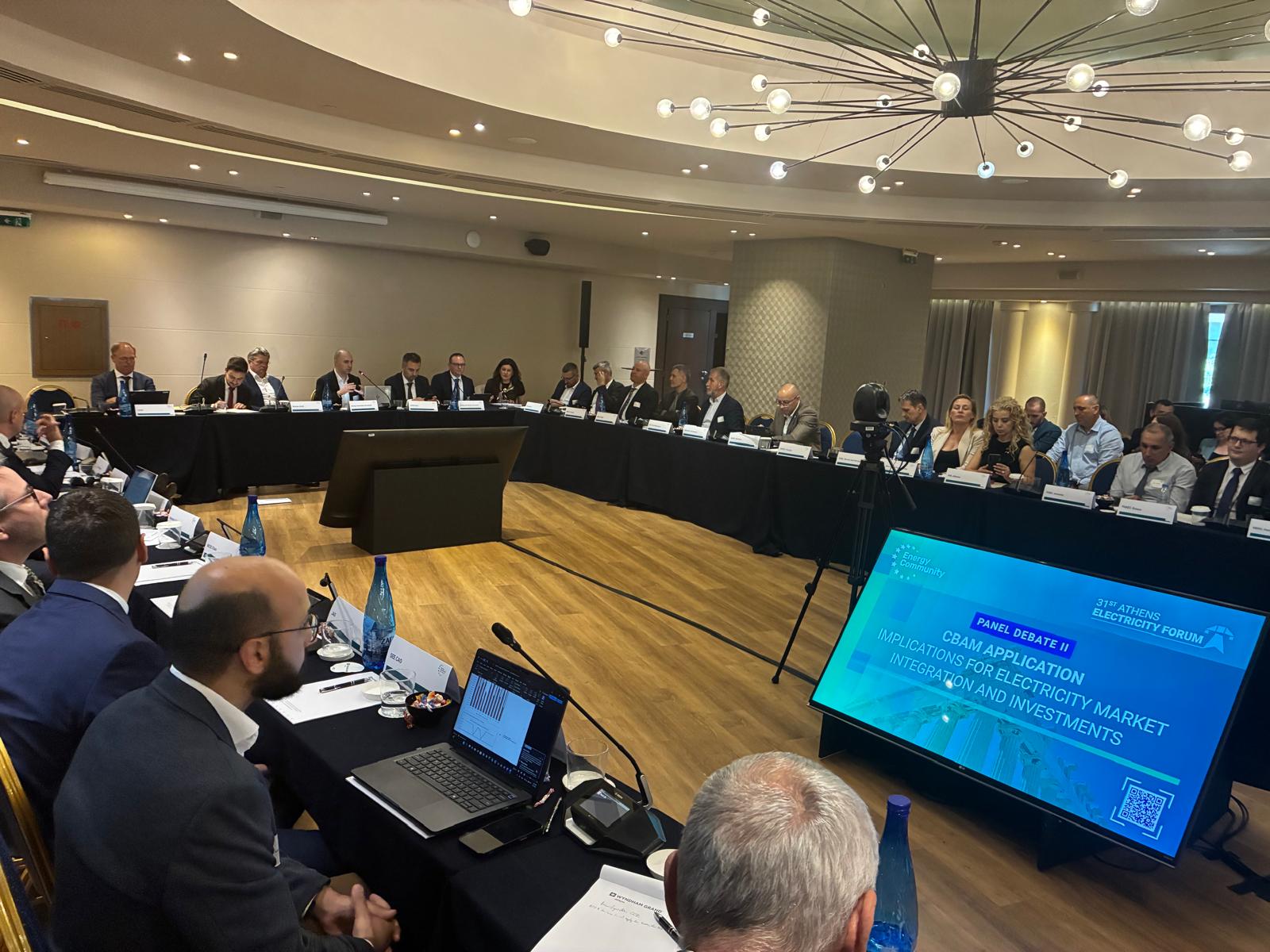
Yet amid integration efforts, participants warned that CBAM, in its current form, risks pulling markets apart. In the first quarter of 2026, CBAM-related costs and regulatory uncertainty contributed to weaker price correlation, wider price spreads and reduced cross-border electricity flows between the Western Balkans and the EU — with renewable electricity exports particularly affected despite available clean generation in the region. Participants cautioned that this uncertainty is already weakening incentives for renewable energy projects in the Contracting Parties, and called for greater legal certainty.
.jpeg)
.jpeg)
.jpeg)