
 Ukraine
At Berlin conference and G7+ Coordination Group, Ukraine Energy Support Fund urges action to sustain Ukraine’s energy system
.jpeg)
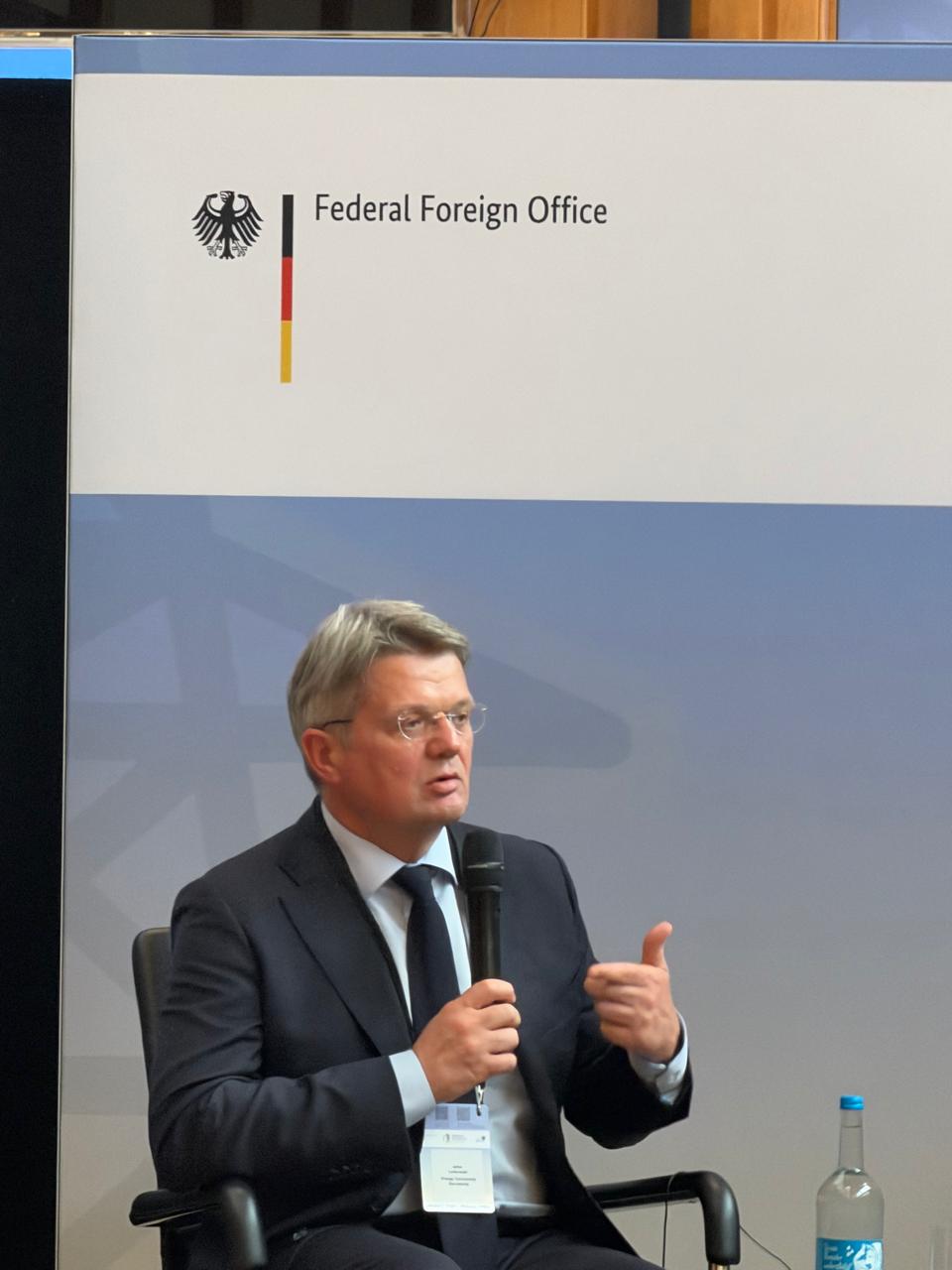
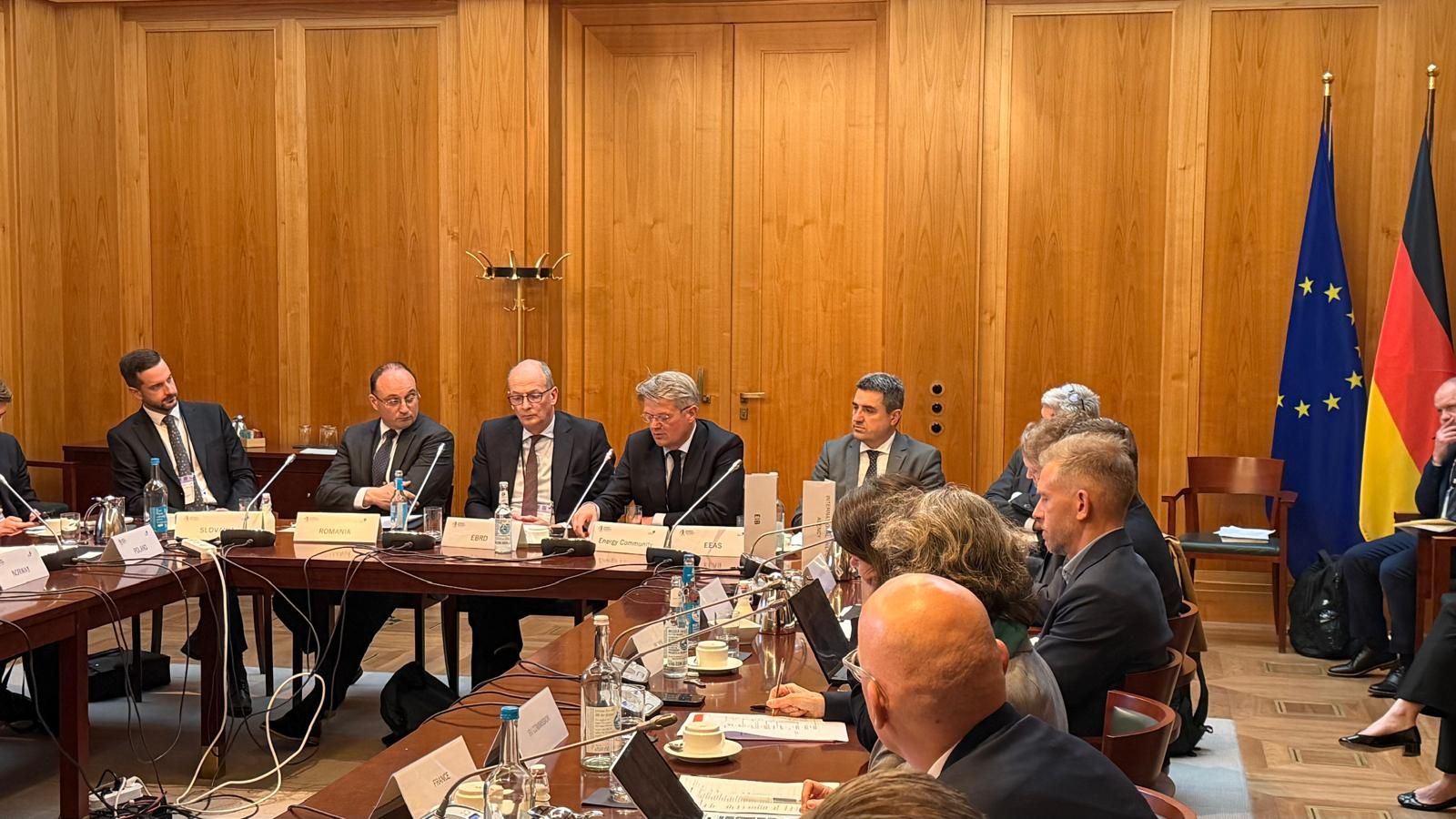
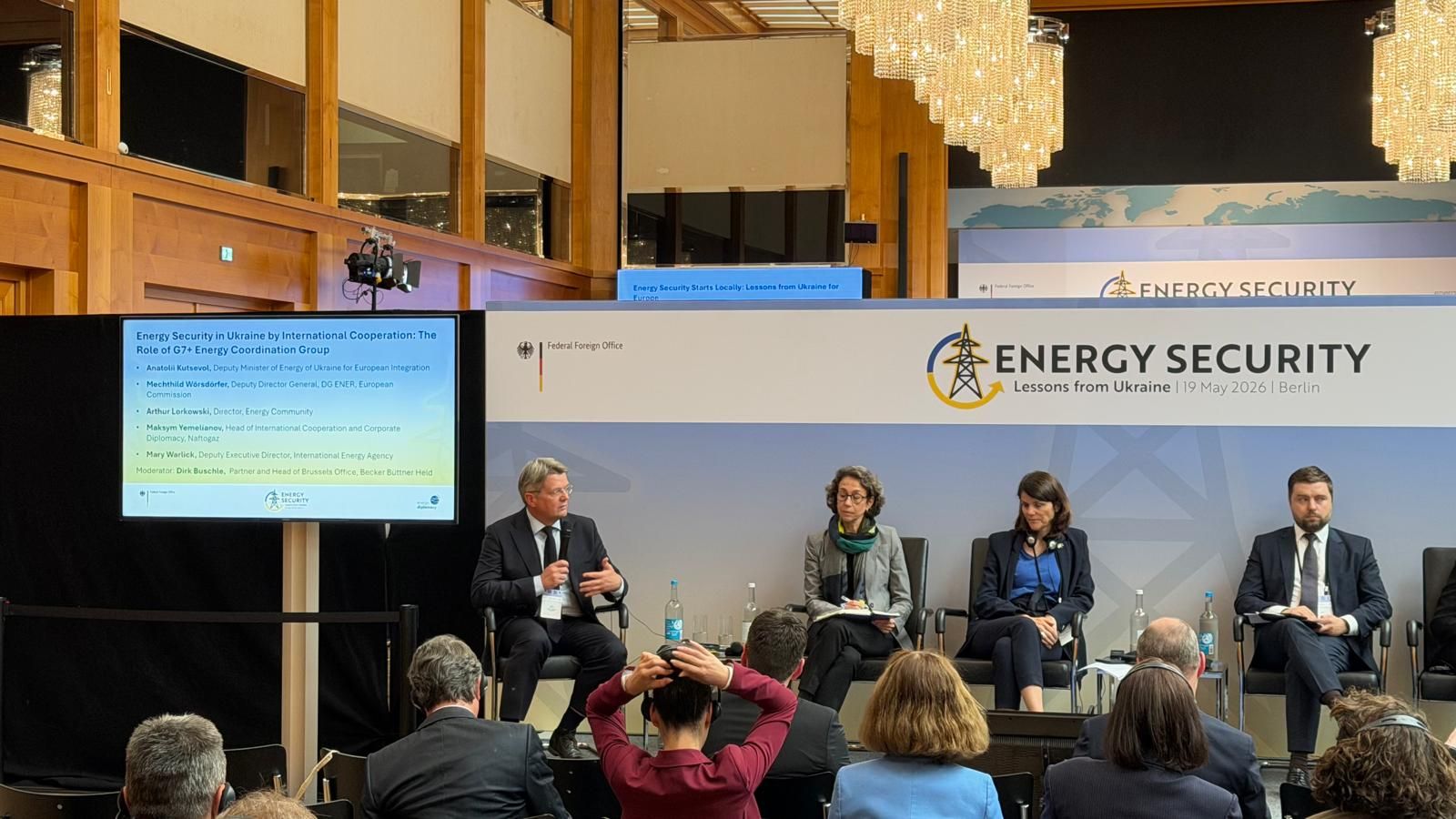
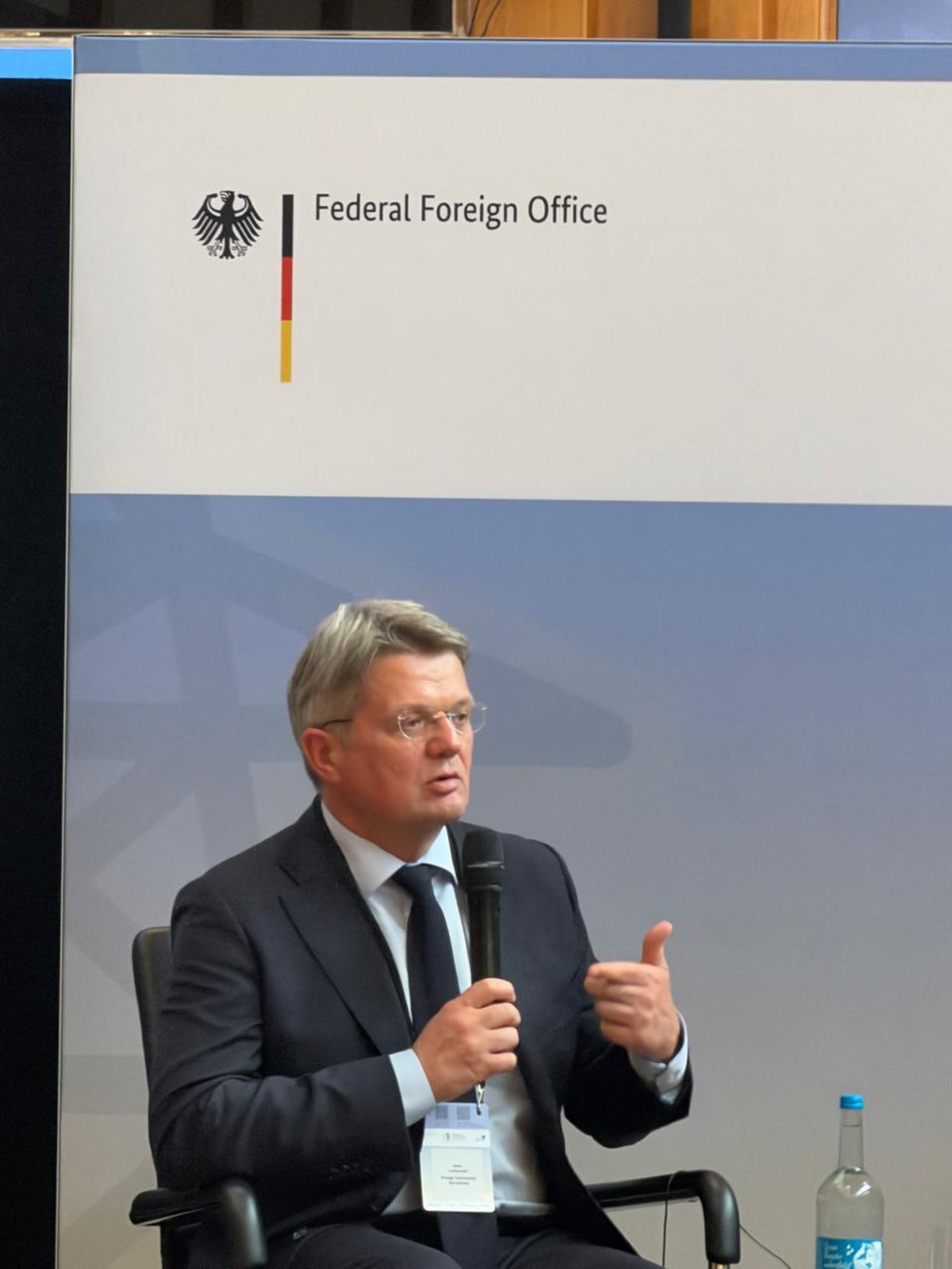
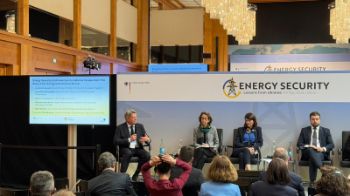
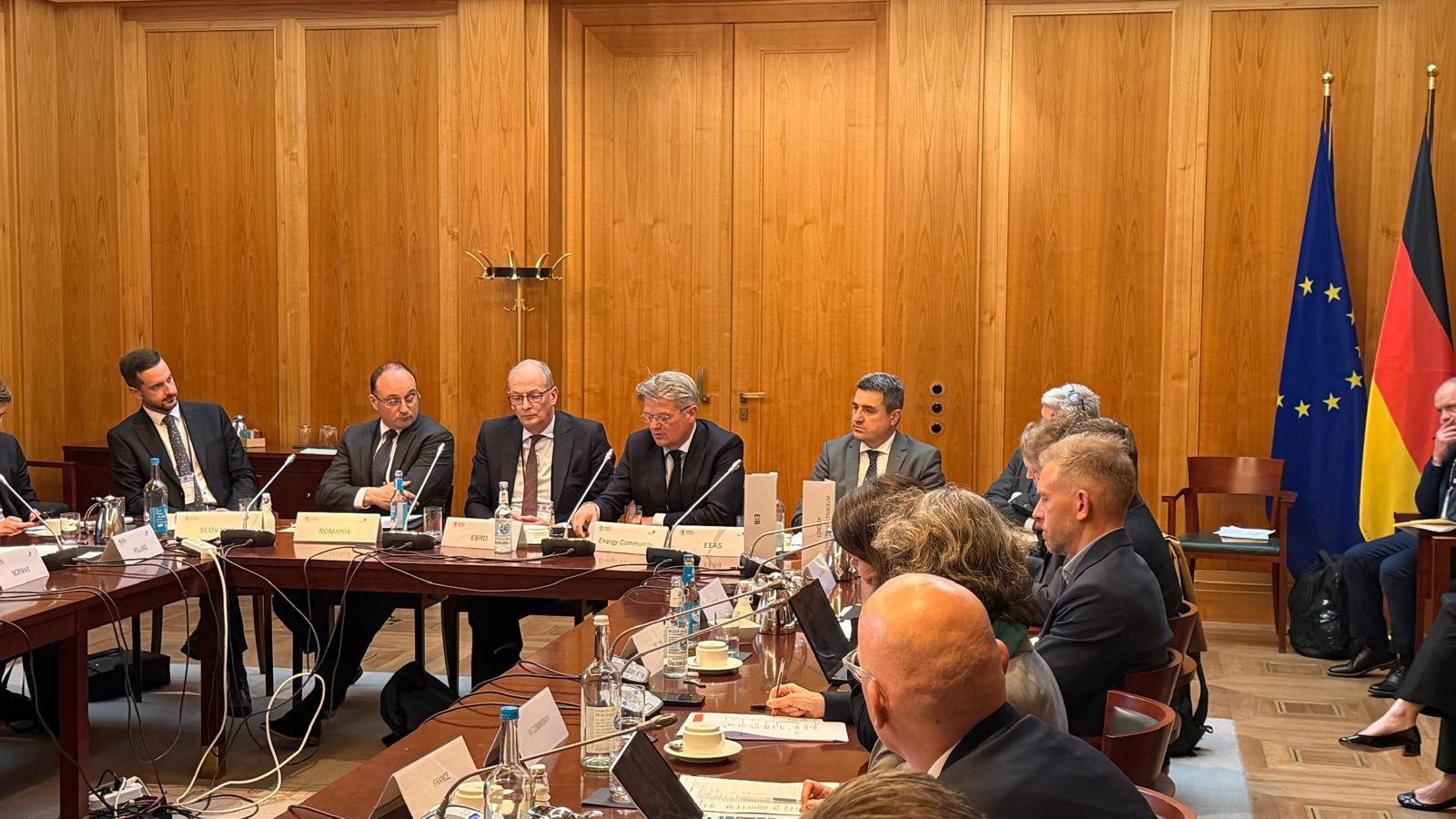
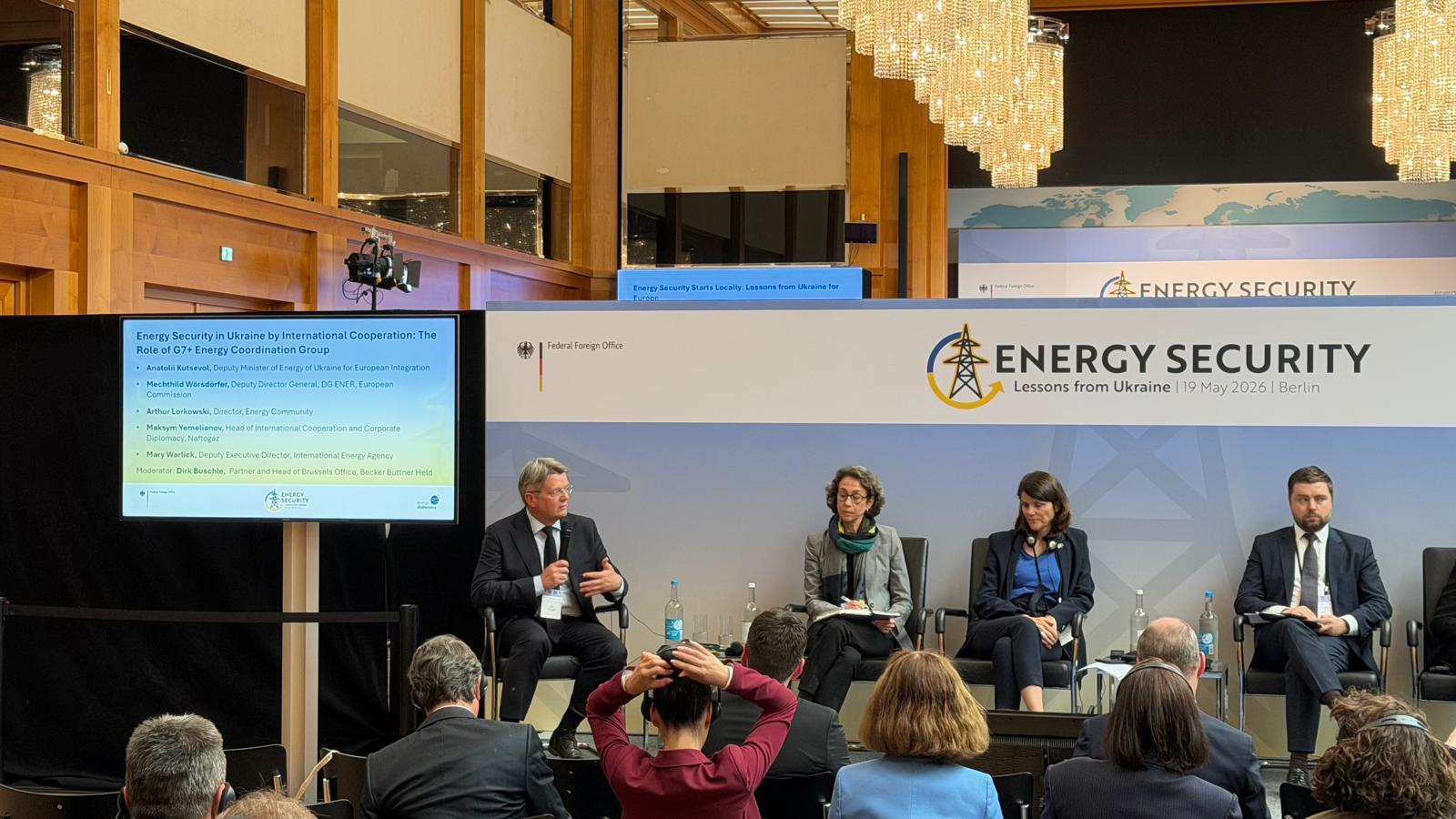
As Ukraine prepares for another winter at war, the success of the winterization efforts will largely depend on the effective coordination, prioritisation and delivery of international support. That was the message from two high-level events in Berlin Tuesday -- “Energy Security – Lessons from Ukraine,” hosted by the Federal Foreign Office and the Principals meeting of the G7+ Ukraine Energy Support Group. During both, the Energy Community Secretariat, which administers the Ukraine Energy Support Fund, underscored that international solidarity must move quickly to match Ukraine’s evolving energy needs well before temperatures drop again.
The international community’s readiness to respond to the Fund’s needs — reinforced through a recent, joint call by the Energy Community Secretariat and the Ministry of Energy of Ukraine — has been critical to its efficacy thus far. But the stakes going into the next winter are exceptionally high. During the G7+ Ukraine Energy Support Group meeting, Lorkowski underscored that, with the Ministry of Energy of Ukraine, the Fund has developed a clear strategy to sustain the country's energy system. This includes the creation of the strategic reserve of critical energy equipment for the next heating season, enabling faster dispatch when urgent needs arise. Full preparation for this, however, will require fresh and flexible donor support. As nearly all available resources have now been allocated, over €773 million is urgently needed to reinforce a model of resilience that is at both a humanitarian imperative for the Ukrainian people and increasingly relevant for Europe’s own energy security.
Backed by 38 donors, with €670 million mobilised since November 2025, the Fund has become a key support for Ukraine’s energy system at war. According to a recent study, nearly 60% of international energy aid has been channelled through the Fund since last December. This helped keep power flowing through prolonged states of emergency and one of the coldest winters in more than a decade, with more than 76% of the aid delivered through the Fund in 2025 going to electricity generation, distribution, and transmission. During the "Energy Security" Conference, Energy Community Secretariat Director Artur Lorkowski emphasised that this model offers valuable lessons for future European emergency response frameworks.
.jpeg)
.jpeg)
.jpeg)
.jpeg)
.jpeg)
.jpeg)
.jpeg)
.jpeg)
.jpeg)