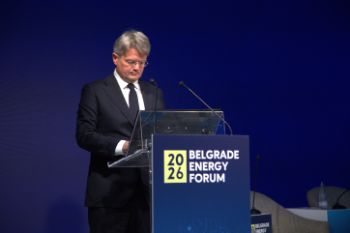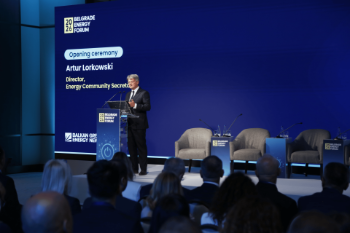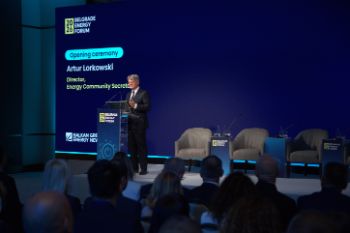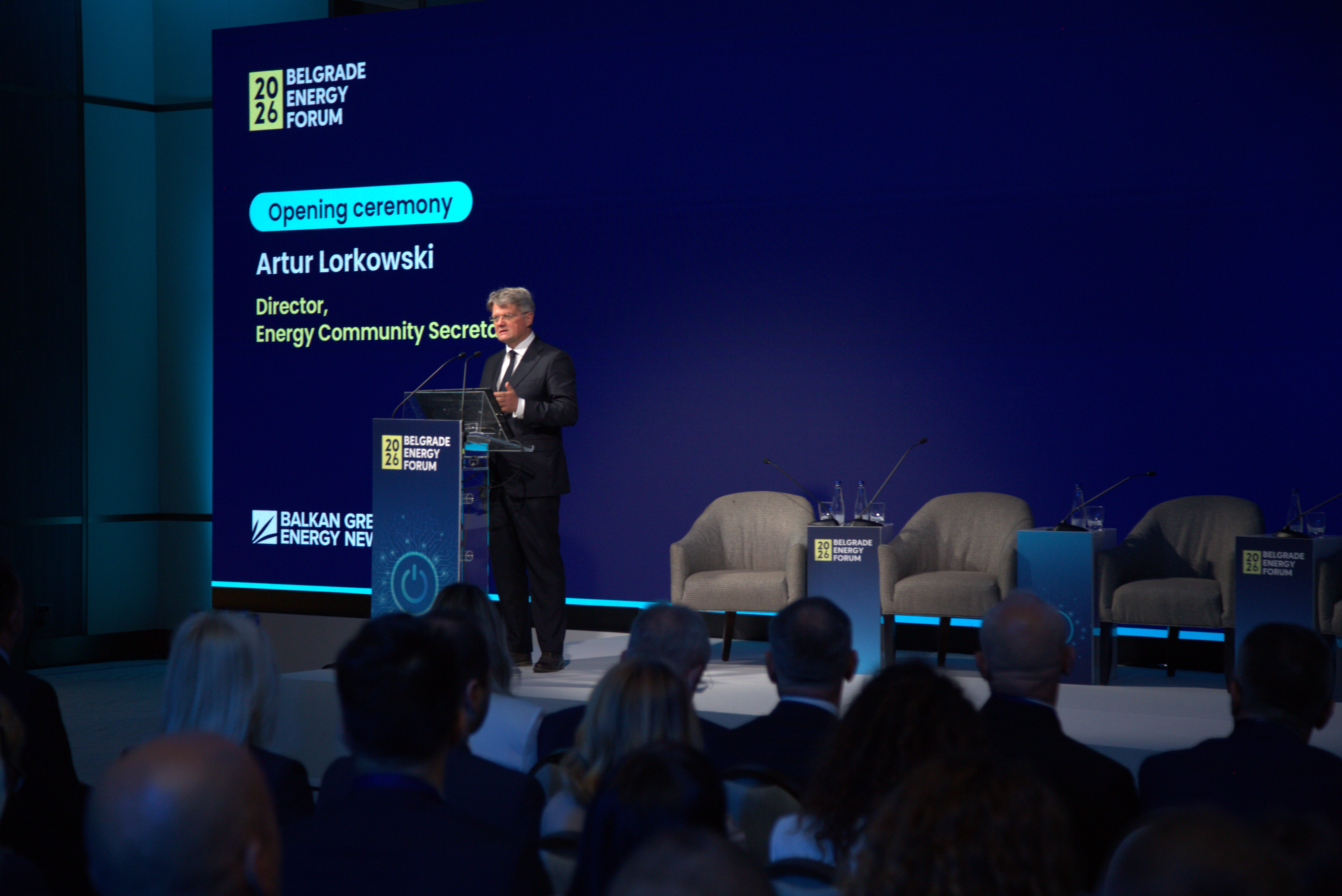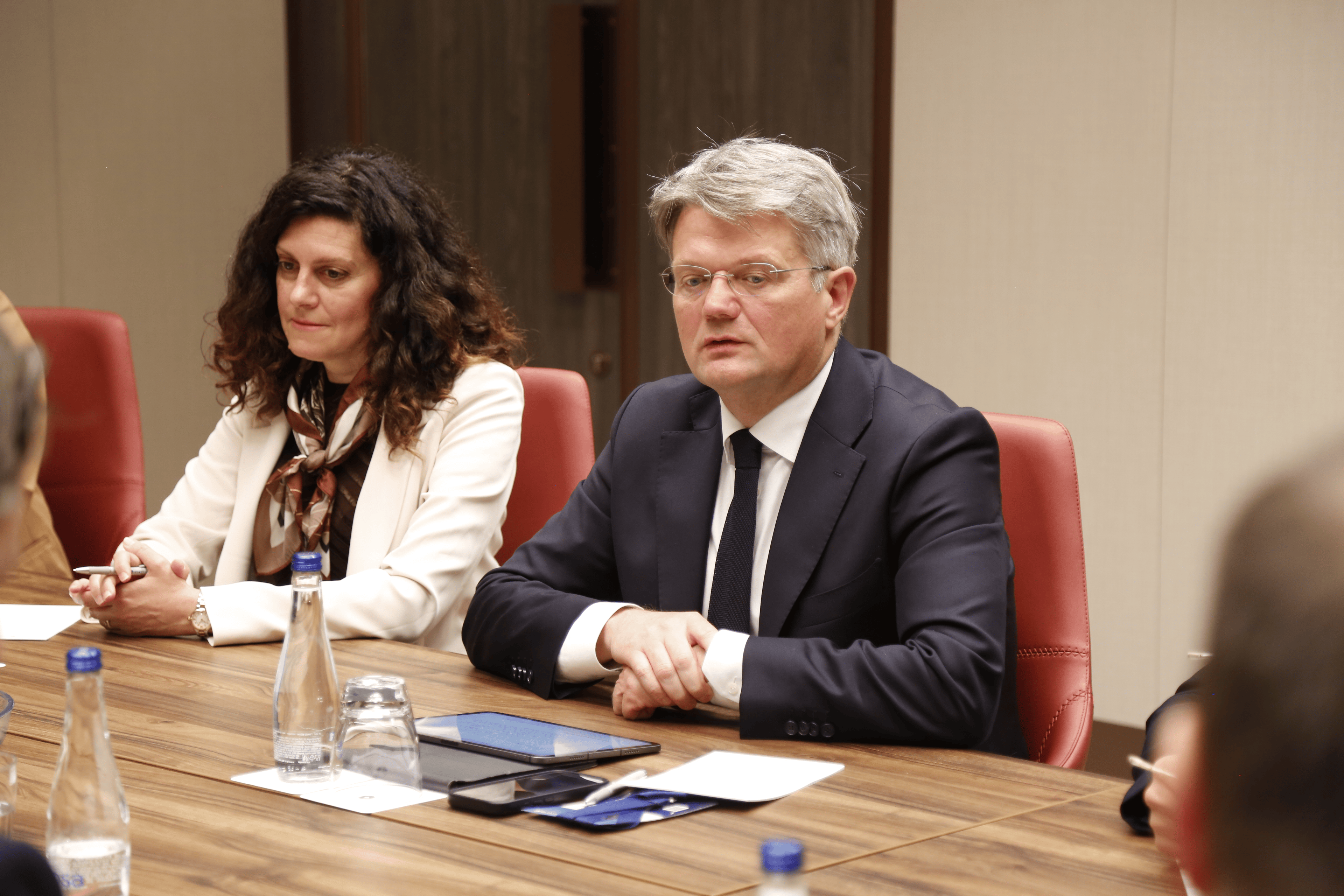

At Belgrade Energy Forum, leaders cast energy transition as path out of uncertainty
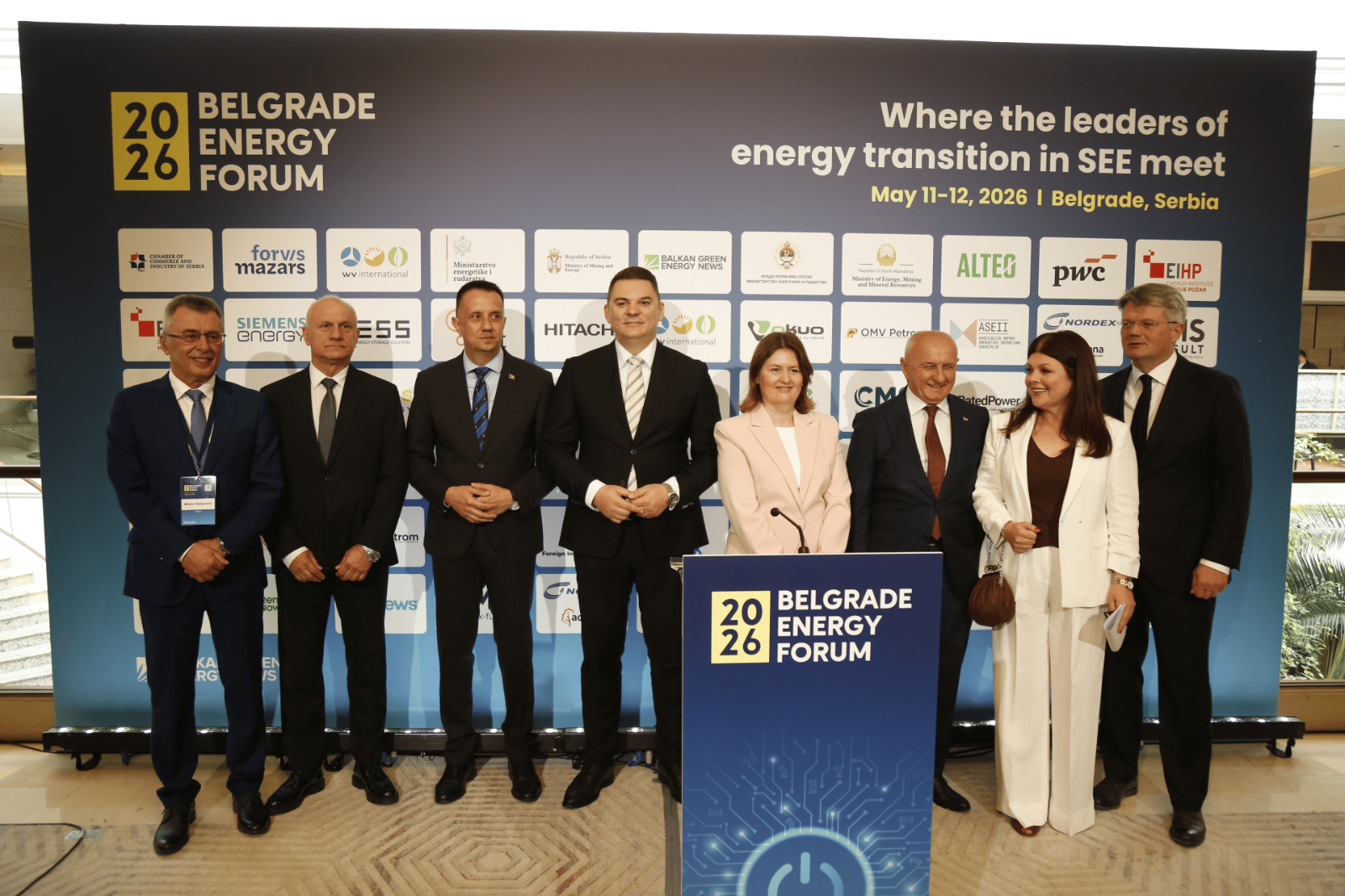
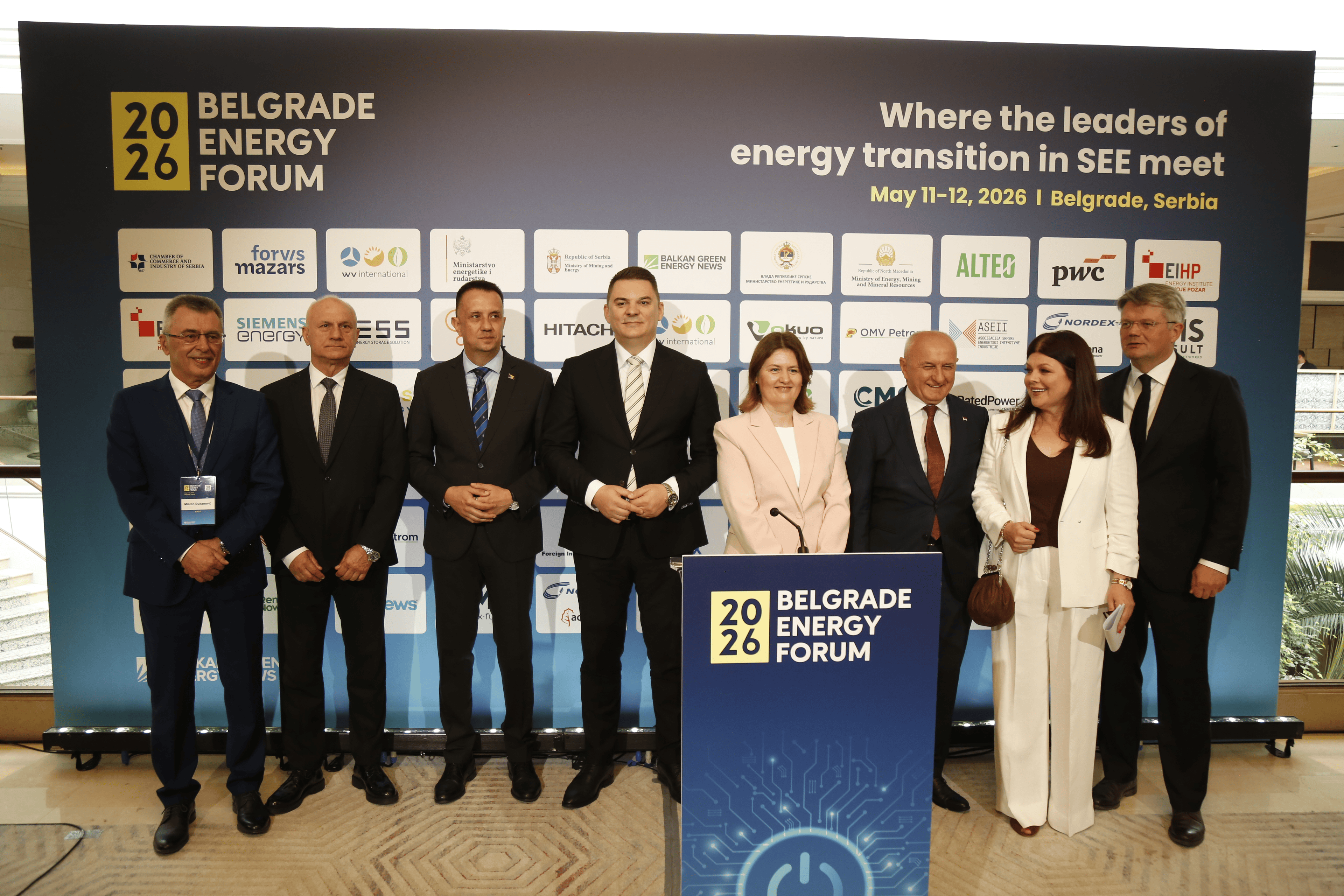
As EU-aspirant economies across Southeast Europe grapple with energy turbulence driven by geopolitical instability, leaders from the energy, political and financial sectors gathered at the Belgrade Energy Forum on 11–12 May.
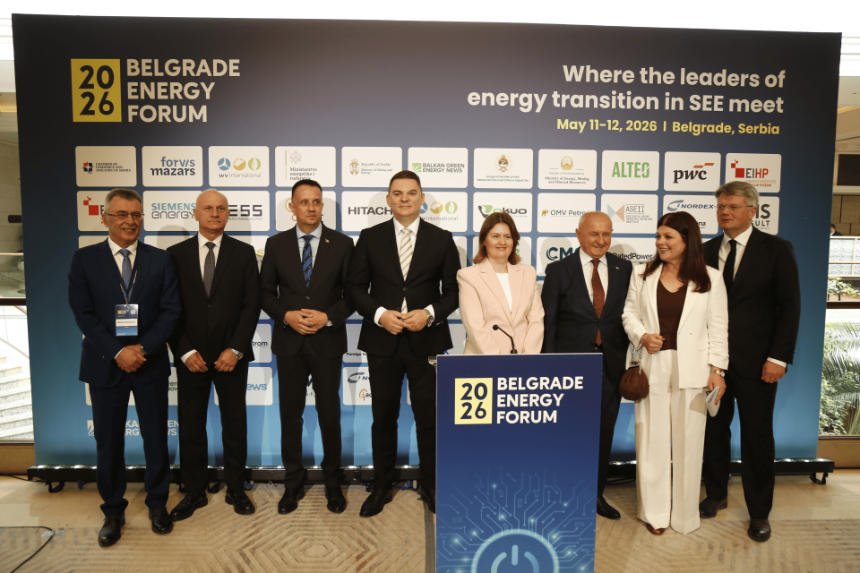
As EU-aspirant economies across Southeast Europe grapple with energy turbulence driven by geopolitical instability, leaders from the energy, political and financial sectors gathered at the Belgrade Energy Forum on 11–12 May. At the centre of discussions were two questions: how to manage today’s energy crisis, and how to prevent future ones.
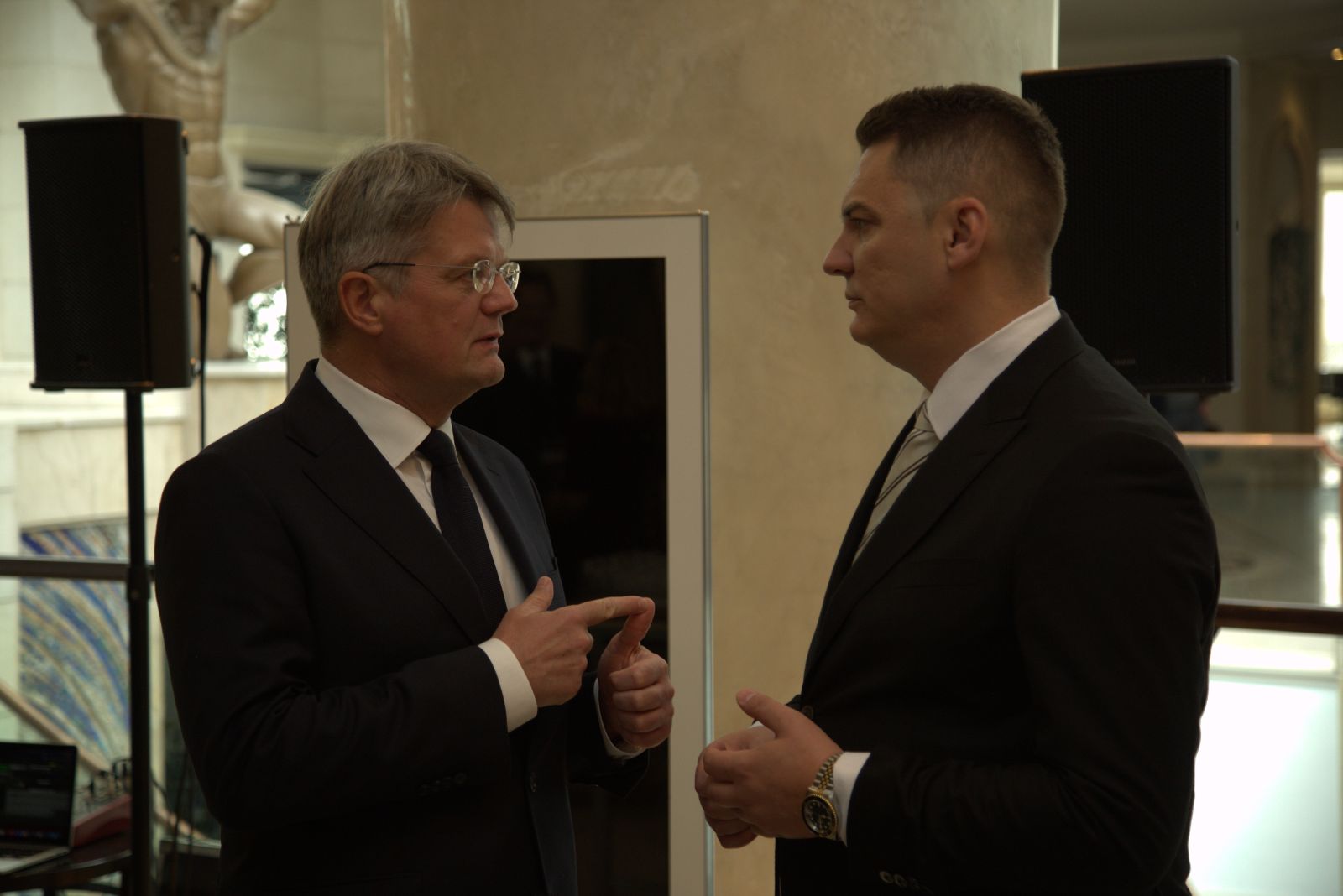
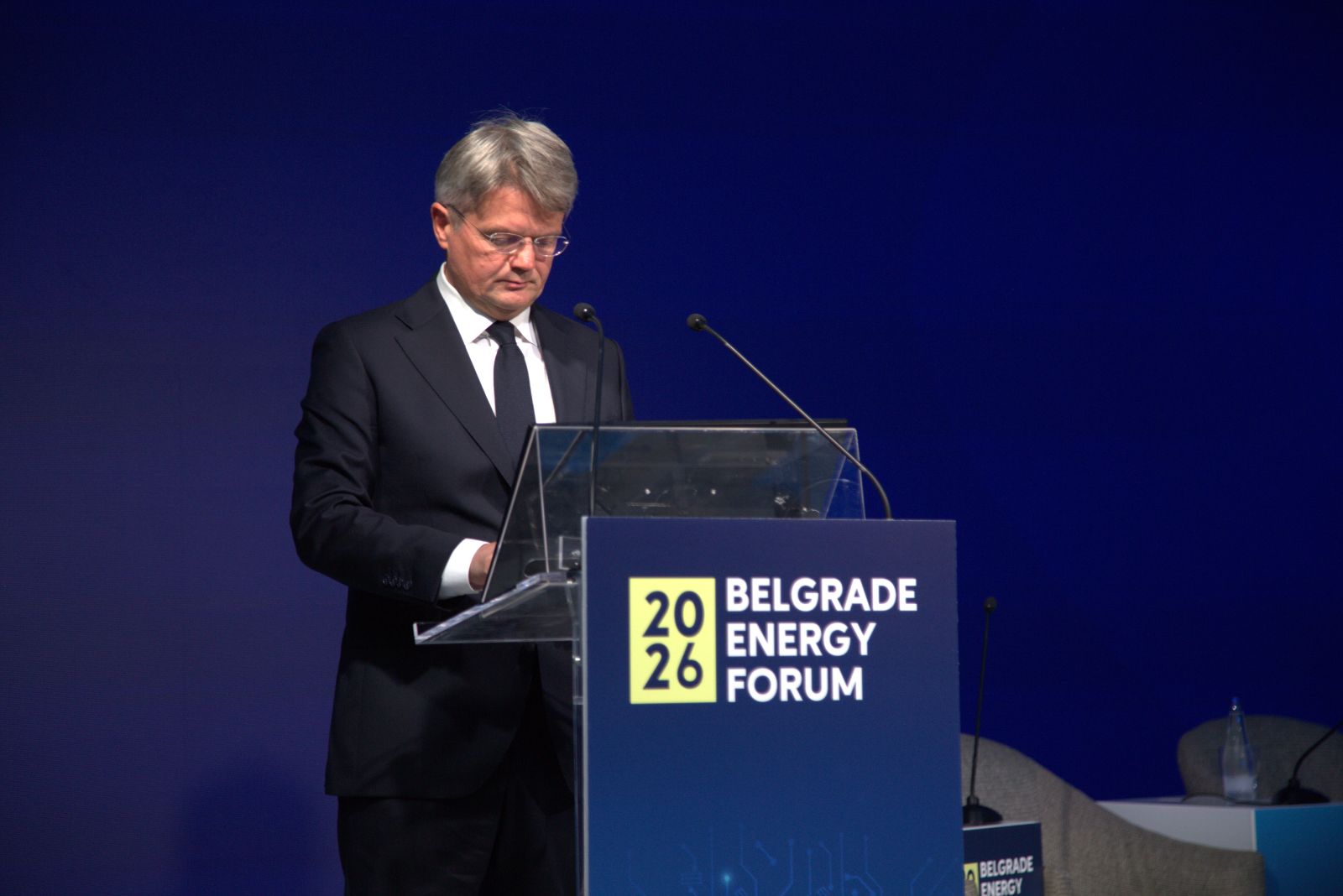
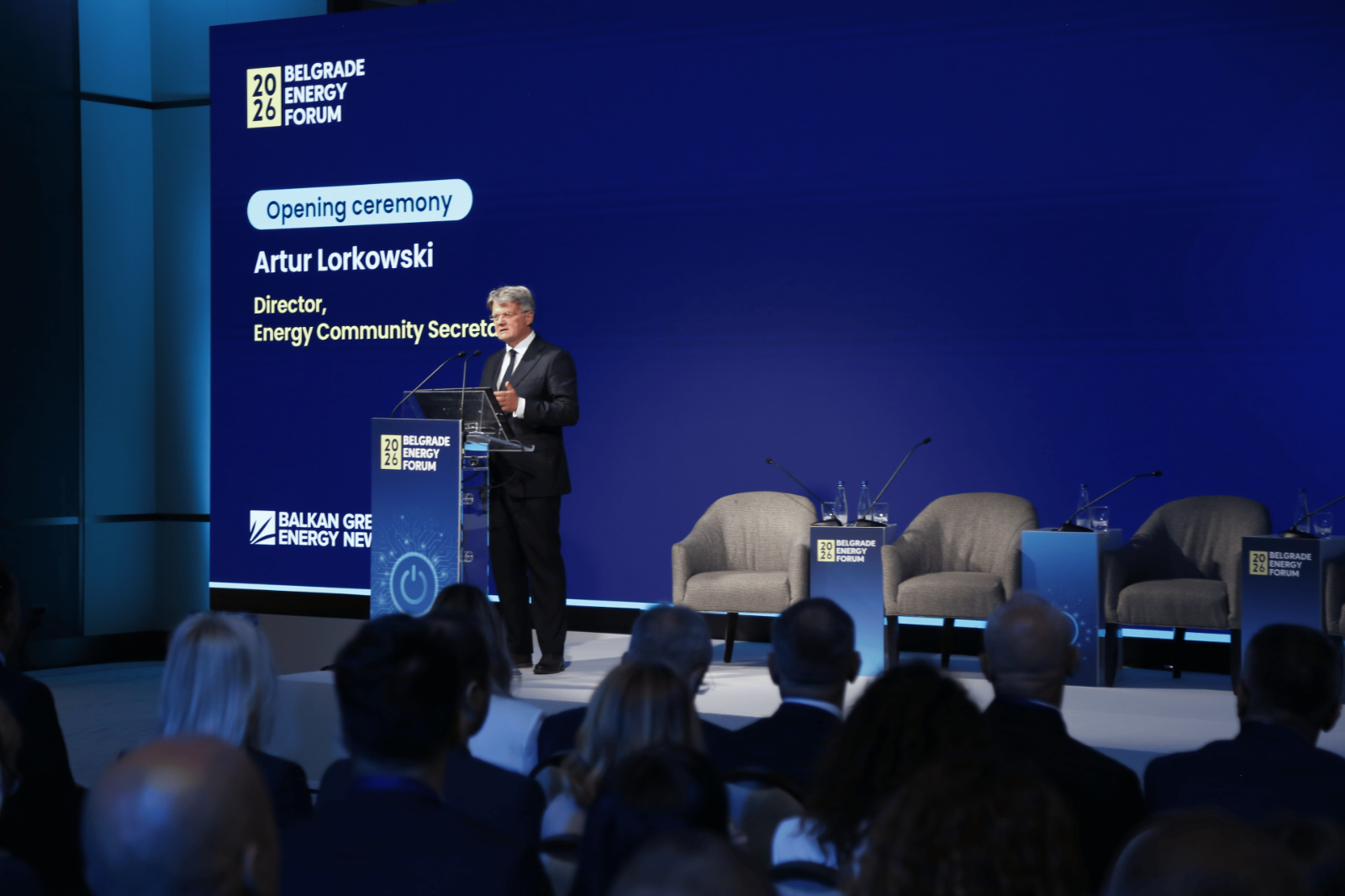
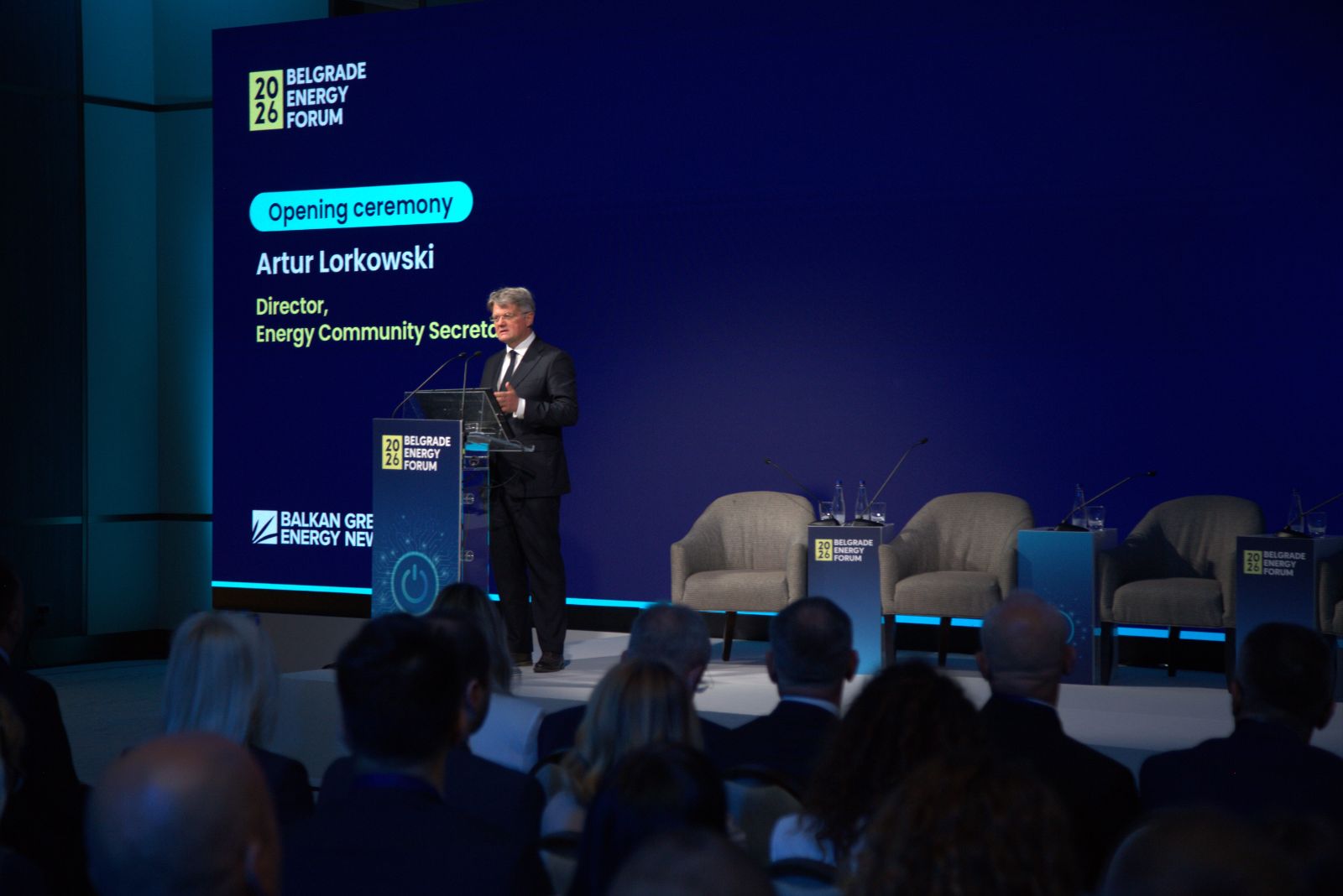
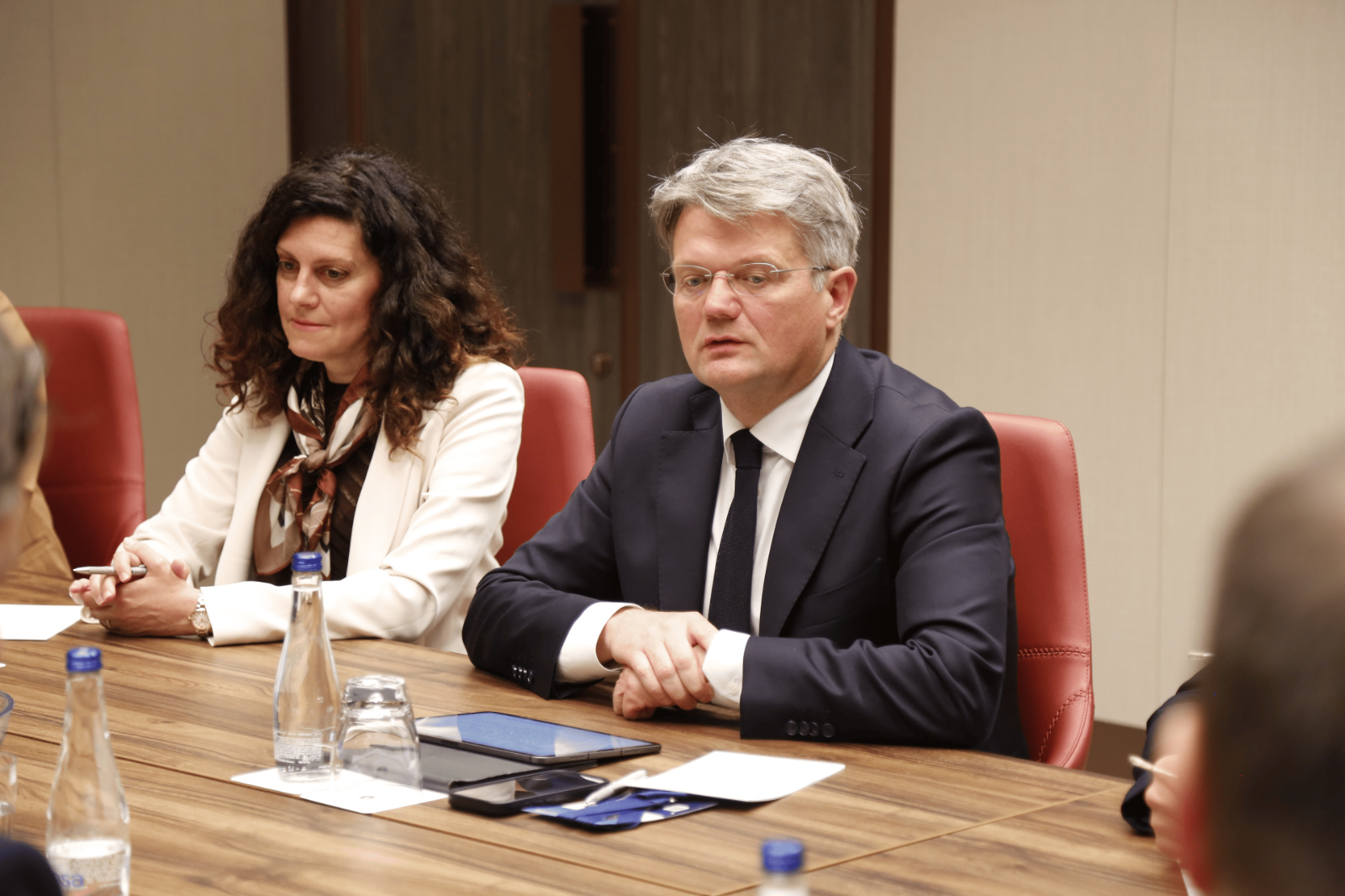
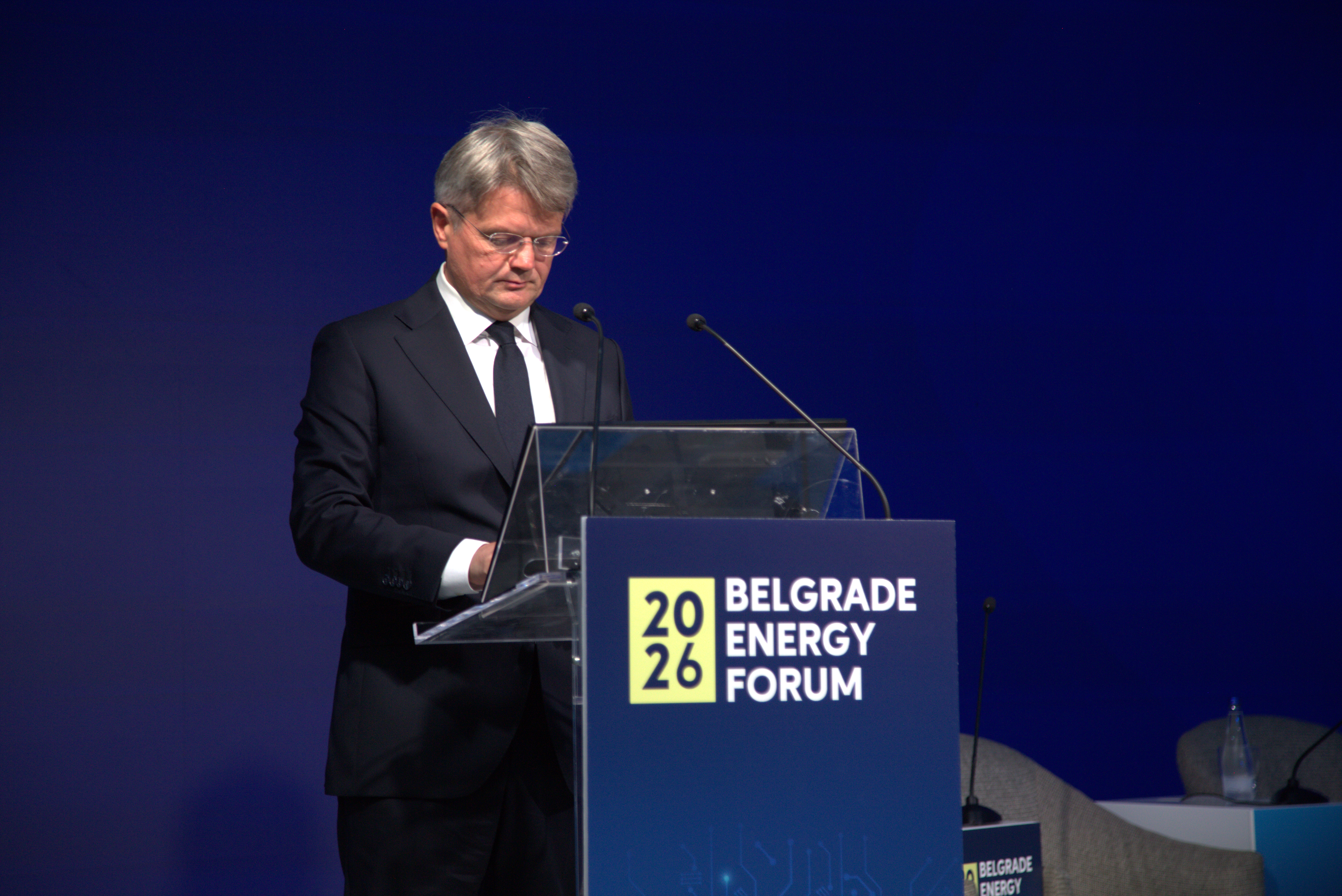
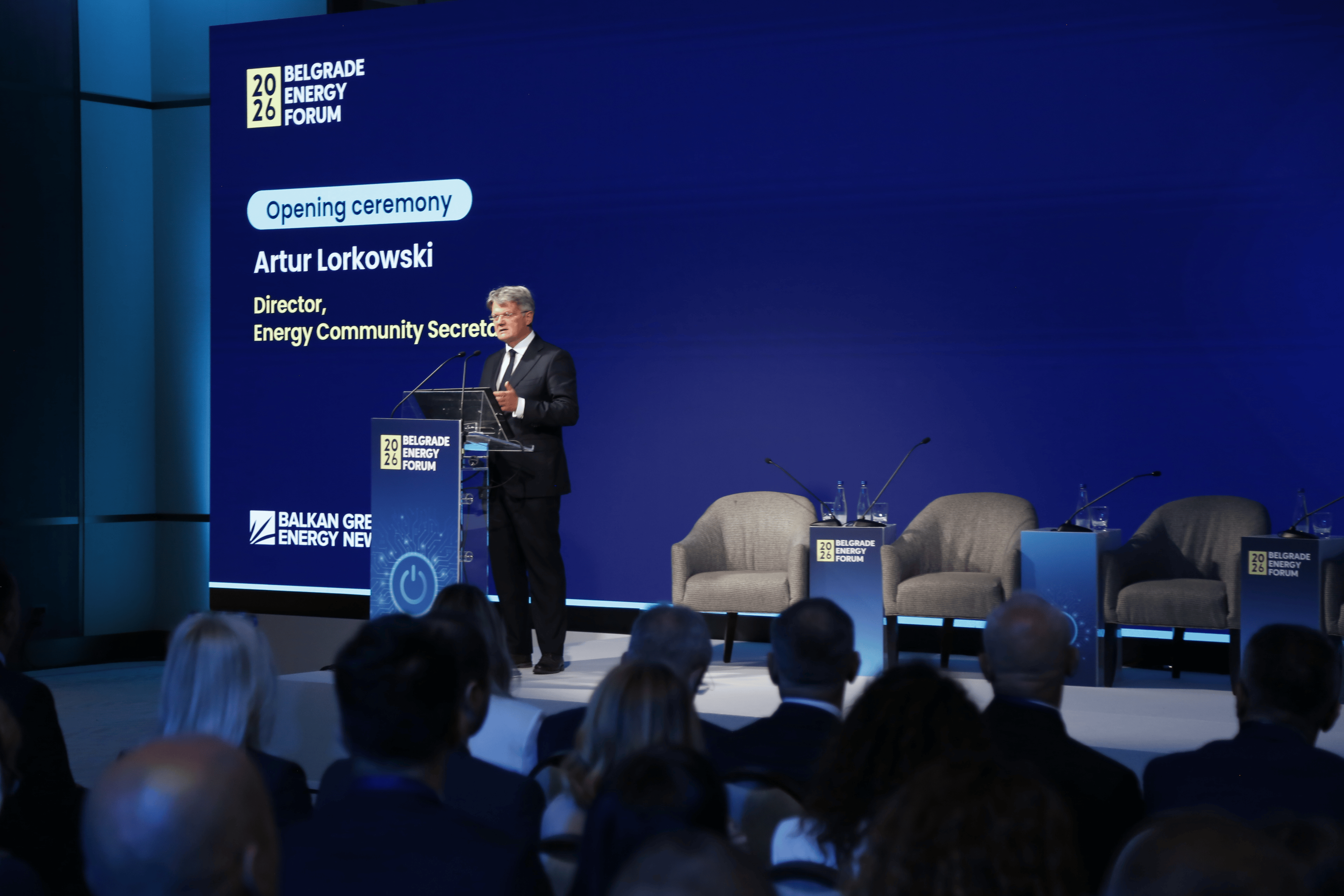
“The answer to today’s energy concerns lies in building integrated, decarbonised energy markets,” said Energy Community Secretariat Director Artur Lorkowski. “Homegrown energy that flows easily across borders will help keep markets competitive, businesses running and prices affordable, while strengthening long-term European energy security.”
The Energy Community framework already provides a pathway toward this future. It enables Contracting Parties to integrate with the EU’s internal electricity market ahead of accession while simultaneously establishing the climate governance frameworks needed to attract investment for the green transition. But both tracks, Lorkowski advised, must advance simultaneously and with urgency.
Beyond fully adopting the legislation required to begin the electricity market integration process, Energy Community Contracting Parties must also invest in institutions, regulatory capacity and technical expertise capable of delivering credible transition pathways and sending clear signals to investors in green financing. Doing so represents a major opportunity. As the region builds the systems underpinning modern climate policy — including emissions monitoring, reporting and verification (MRVA) frameworks — it has the chance to design more transparent, modern and investment-ready energy sectors from the ground up.
The same is true for carbon pricing instruments, which are now beginning to emerge across the Energy Community region. While gradual alignment with the EU Emissions Trading System is expected to create stronger economic incentives for decarbonisation, implementing these systems will require substantial investment and institutional support. This process should be backed by targeted pre-accession assistance, including support for just transition measures, affordability concerns, and the broader social and economic impacts linked to progressive carbon price alignment, Lorkowski underscored.
Meanwhile, the EU’s Carbon Border Adjustment Mechanism (CBAM) has added new urgency to these efforts, as the region is now paying for the cost of not having sufficiently advanced the transition on its borders. According to the Energy Community Secretariat’s first CBAM monitoring report, electricity exchanges between the Western Balkans and the EU fell by 25% in the first quarter of 2026. One reason is that, under CBAM, renewable electricity exports are currently treated in the same way as fossil-based generation through the use of default emission factors — increasing costs for cross-border electricity trade and exposing the economic risks of delayed transition efforts.