
 Moldova
Energy Community and the European Union deepen support for Moldova’s European energy journey with new MEIR Office
Recognised as a frontrunner in energy sector transformation, Moldova's new Moldova Energy Independence and Resilience (MEIR) office will be a hub to accelerate reform, independence, and European integration
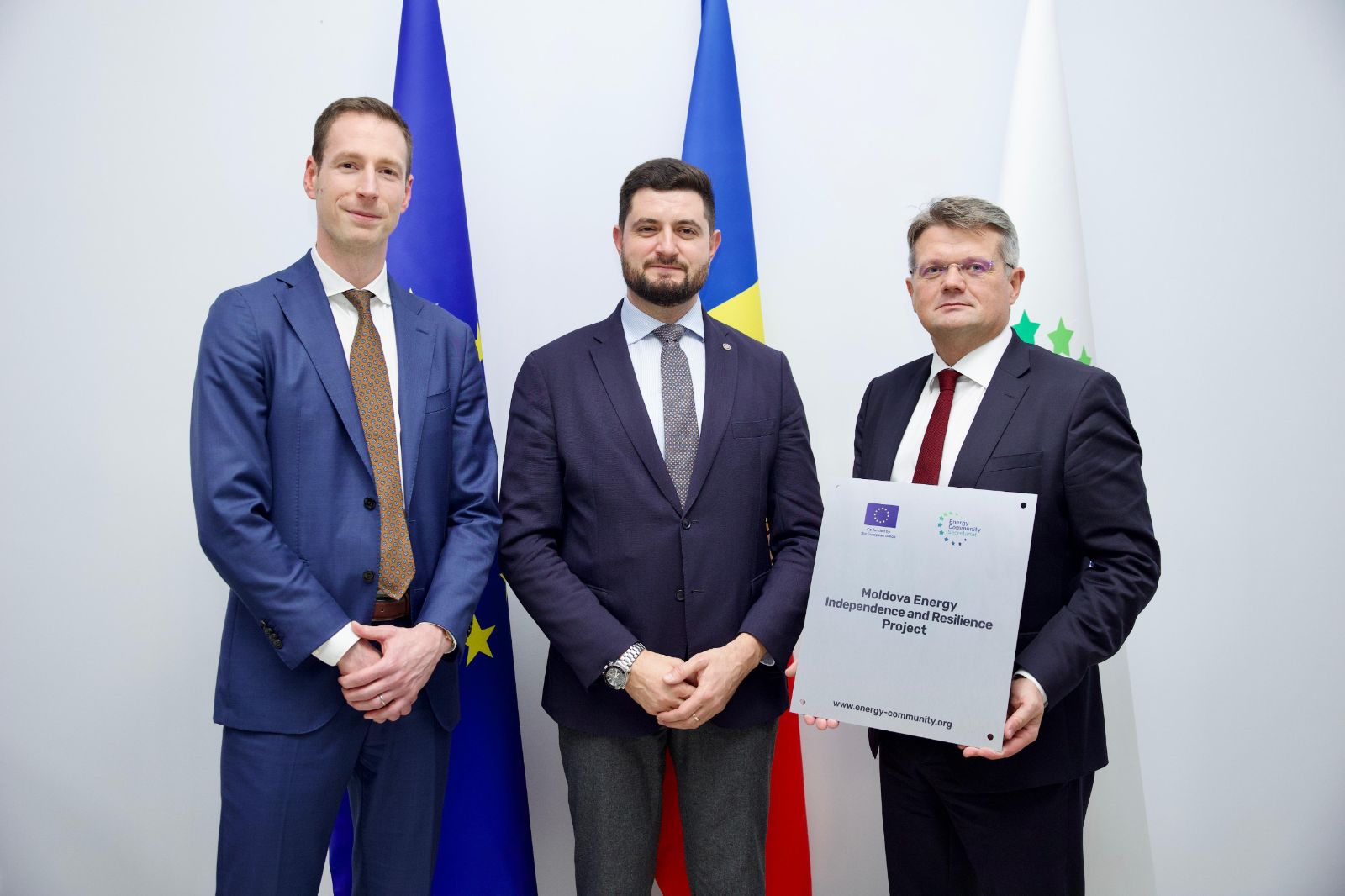
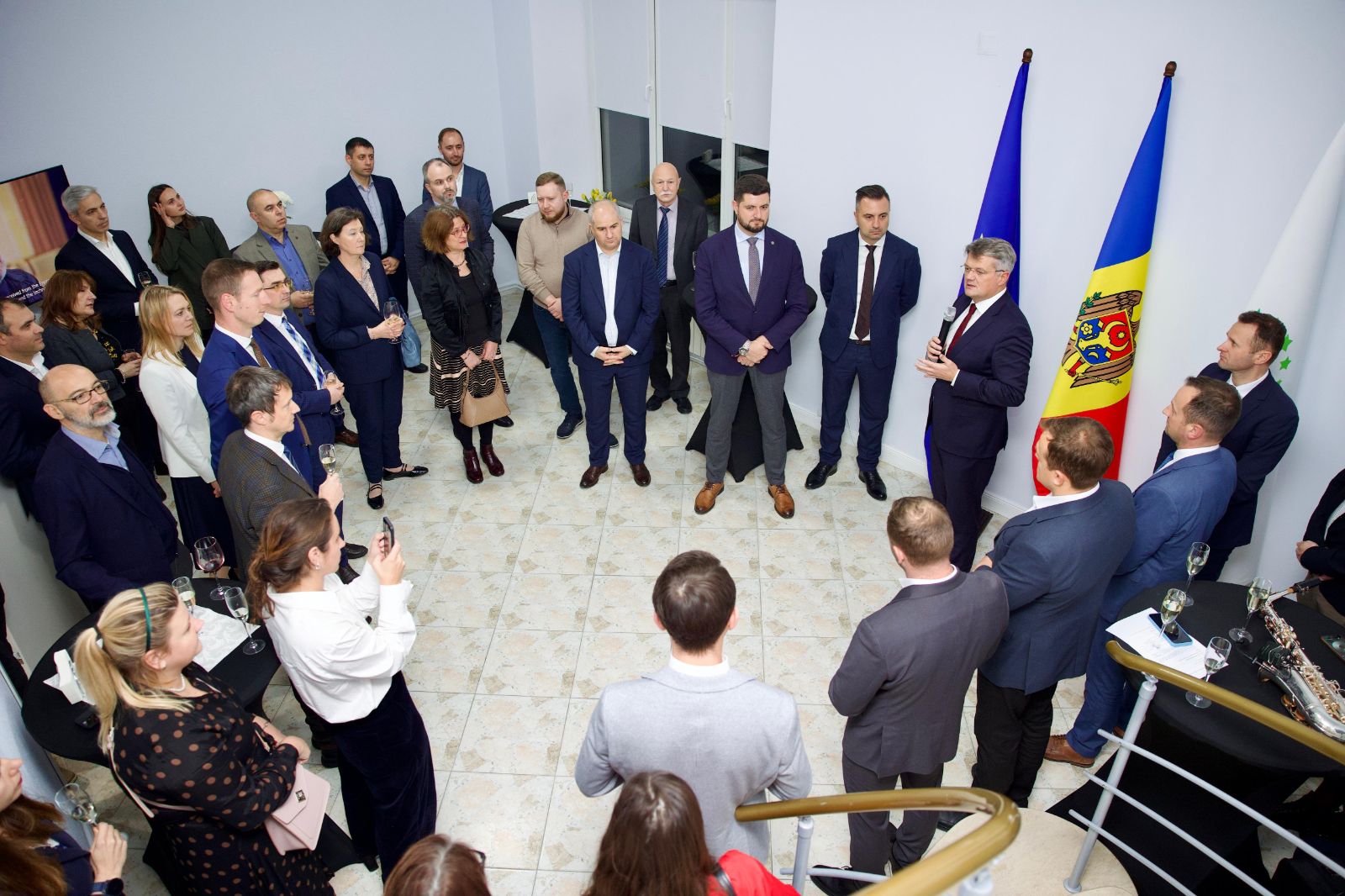
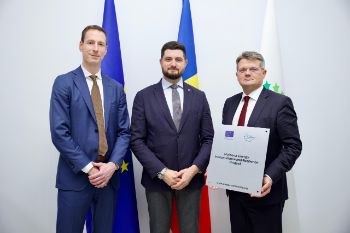
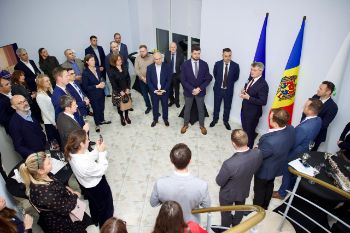
The Energy Community Secretariat officially inaugurated the Moldova Energy Independence and Resilience (MEIR) project office in Chișinău this evening. This marks a new phase of cooperation to accelerate the country’s clean energy transition and strengthen institutional capacity to deliver integration with the European Union’s internal energy market.
The MEIR project, made possible through the financial support of the European Union and implemented by the Energy Community Secretariat, was launched in spring 2025 with the aim of supporting Moldova’s transition toward energy independence and advancing the pathway to climate neutrality by 2050.
It provides targeted technical assistance and capacity-building to help Moldovan authorities align legislation with the EU energy acquis and strengthen institutional performance across electricity, gas, renewables, and energy efficiency sectors.
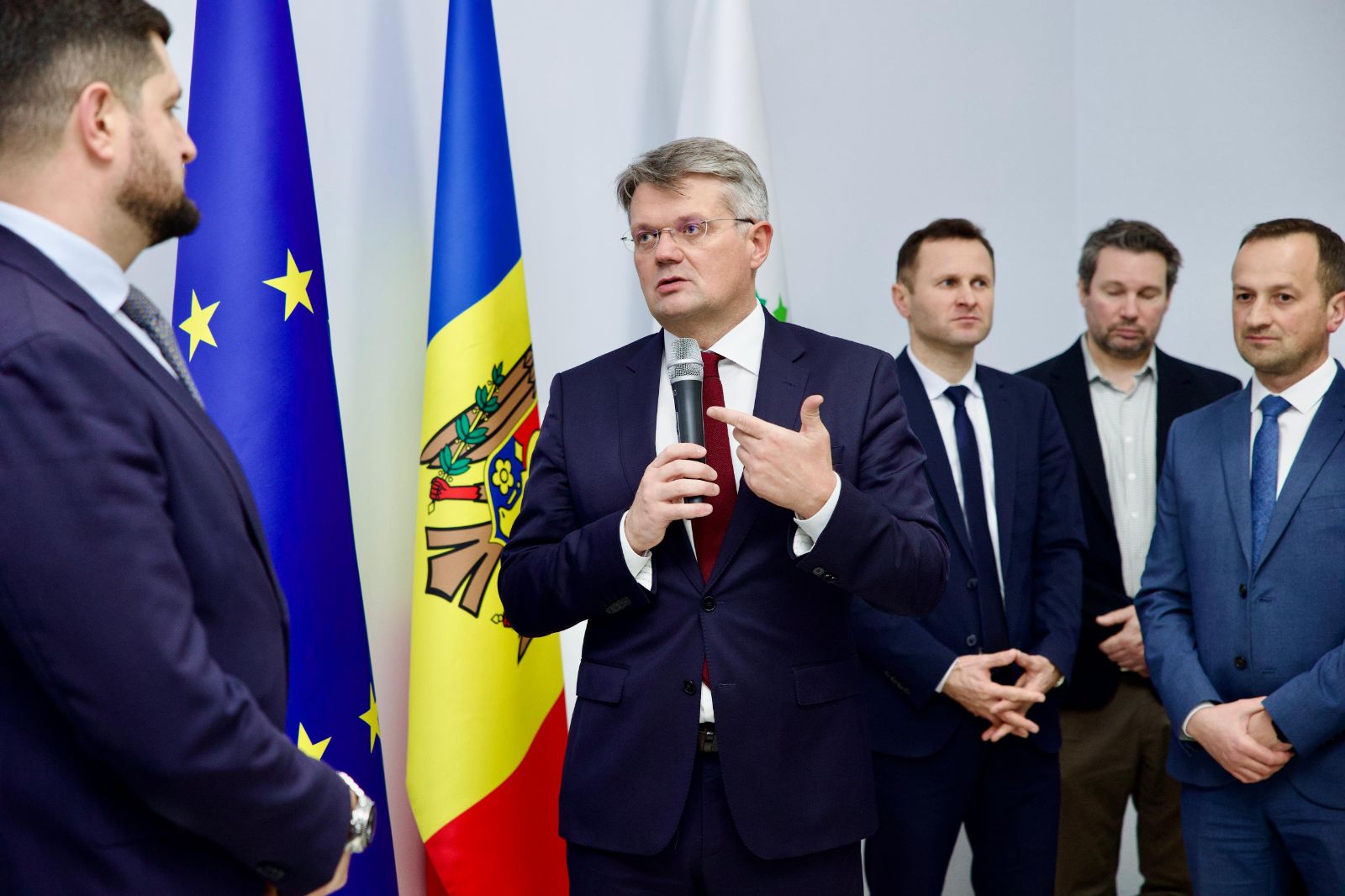
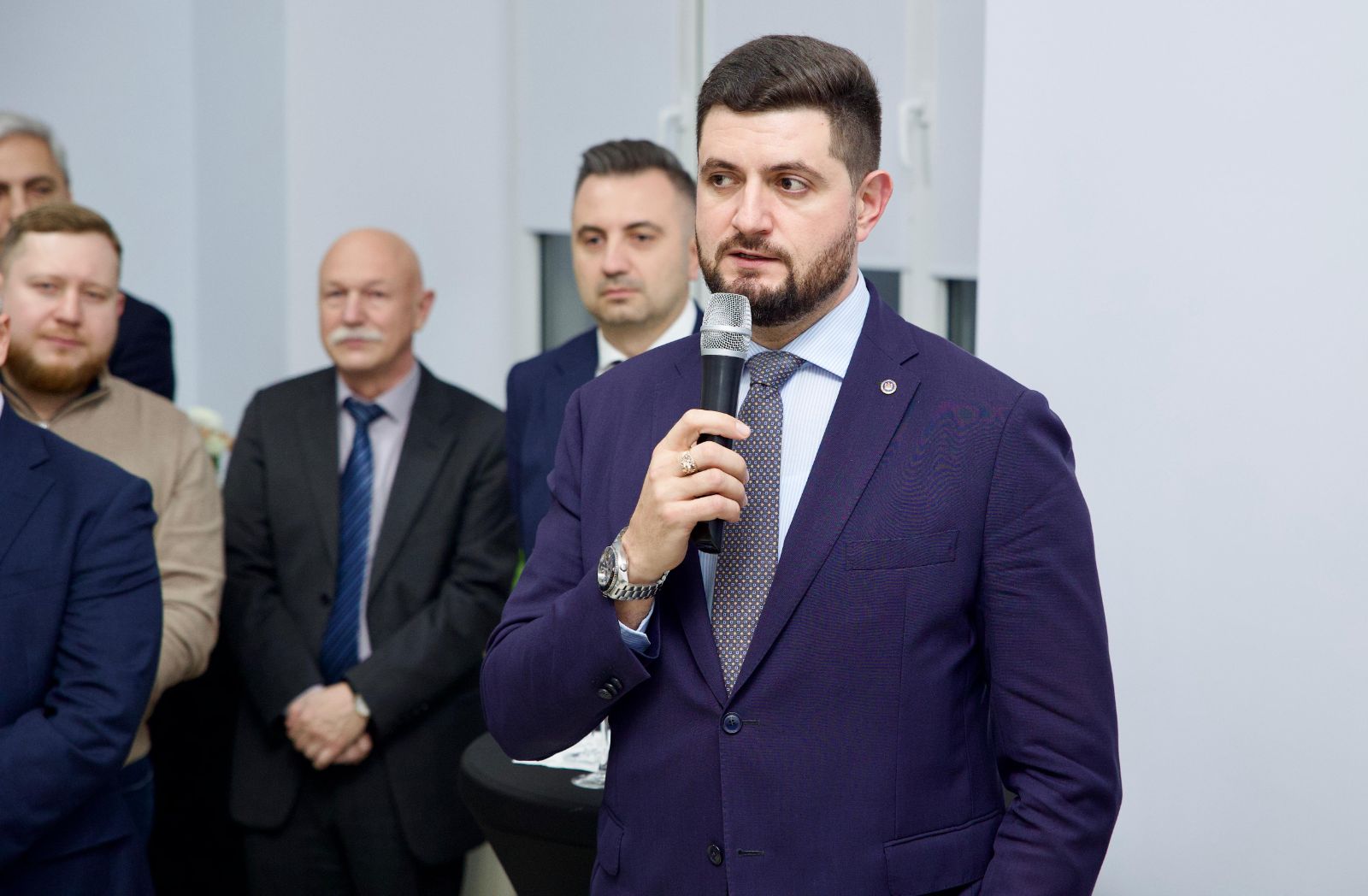
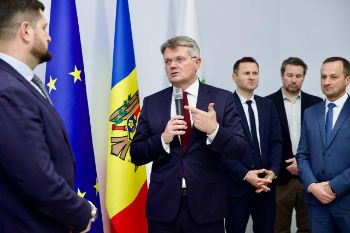
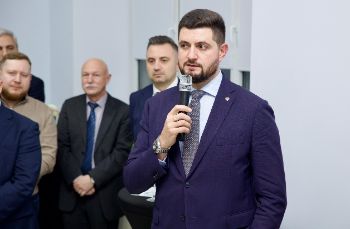
The event brought together Minister of Energy Dorin Junghietu, the Deputy Head of EU Delegation, Mr. Mate Csicsai, and Energy Community Secretariat Director Artur Lorkowski, alongside Moldova’s national authorities, and international partners, united in marking a new chapter of cooperation for Moldova’s energy future.
“With the strong and unwavering support of our partners, we have succeeded in turning the crises Moldova has faced in recent years into opportunities. We have set ambitious objectives for the future, and we will continue to rely on the generous assistance of the European Union and the Energy Community Secretariat. The expanded presence of the MEIR project will further strengthen our efforts and provide valuable additional support” Moldova's Minister of Energy, Dorin Junghietu said in his statement.
“The European Union stands resolutely with the Republic of Moldova on its transformative journey towards energy independence and becoming a part of the EU’s energy internal market. We are proud to support initiatives that contribute to this goal by building capacity, promoting vital reforms, and ultimately helping to prepare Moldova for EU membership. The EU is committed to continue supporting Moldova’s ambitions to accelerate reforms and European integration for the benefit of all Moldovan citizens.” Mr Mate Csicsai, Head of Political, Press and Information, and Deputy Head of the Delegation of the EU to Moldova said in his statement.
In his opening remarks, Lorkowski praised the rapid transformation of Moldova's energy sector, noting the country’s commitment to Eu-aligned reforms through years of unprecedented challenges. Moldova's latest milestone brings it a step closer to full integration with the EU electricity market ahead of accession. Earlier this month, the National Energy Regulatory Agency approved the complete set of Electricity Network Codes and Guidelines — a landmark achievement that completes the transposition of the Electricity Integration Package, pending verification by the Energy Community Secretariat and the European Commission. This step positions Moldova to move toward coupling with the EU single electricity market, making its energy better equipped to ensure long-term energy independence.
“Moldova’s determination offers a clear model for effective change,” Lorkowski concluded. “Out of crisis has come the courage to achieve in a few years what others have taken decades to reach. The Secretariat is proud to stand beside Moldova on this path toward a European energy future.”
Background information
As a signatory of the Energy Community Treaty and the holder of the EU candidate status, Moldova has to implement the core EU energy acquis—covering electricity, gas, renewables, energy efficiency, etc. Tailored technical assistance under MEIR is critical to achieving these obligations, supporting EU accession aspirations, and meeting Moldova’s binding 2030 climate targets and long-term climate neutrality goal by 2050.
For more information about the MEIR, please access the MEIR homepage, found in the sidebar.