
 Georgia
 Moldova
 Ukraine
Energy Community and IEA boost renewables integration across Eastern Partnership countries
Workshop outcomes point to flexibility, digitalisation and market reforms as keys to accelerating the clean energy transition.

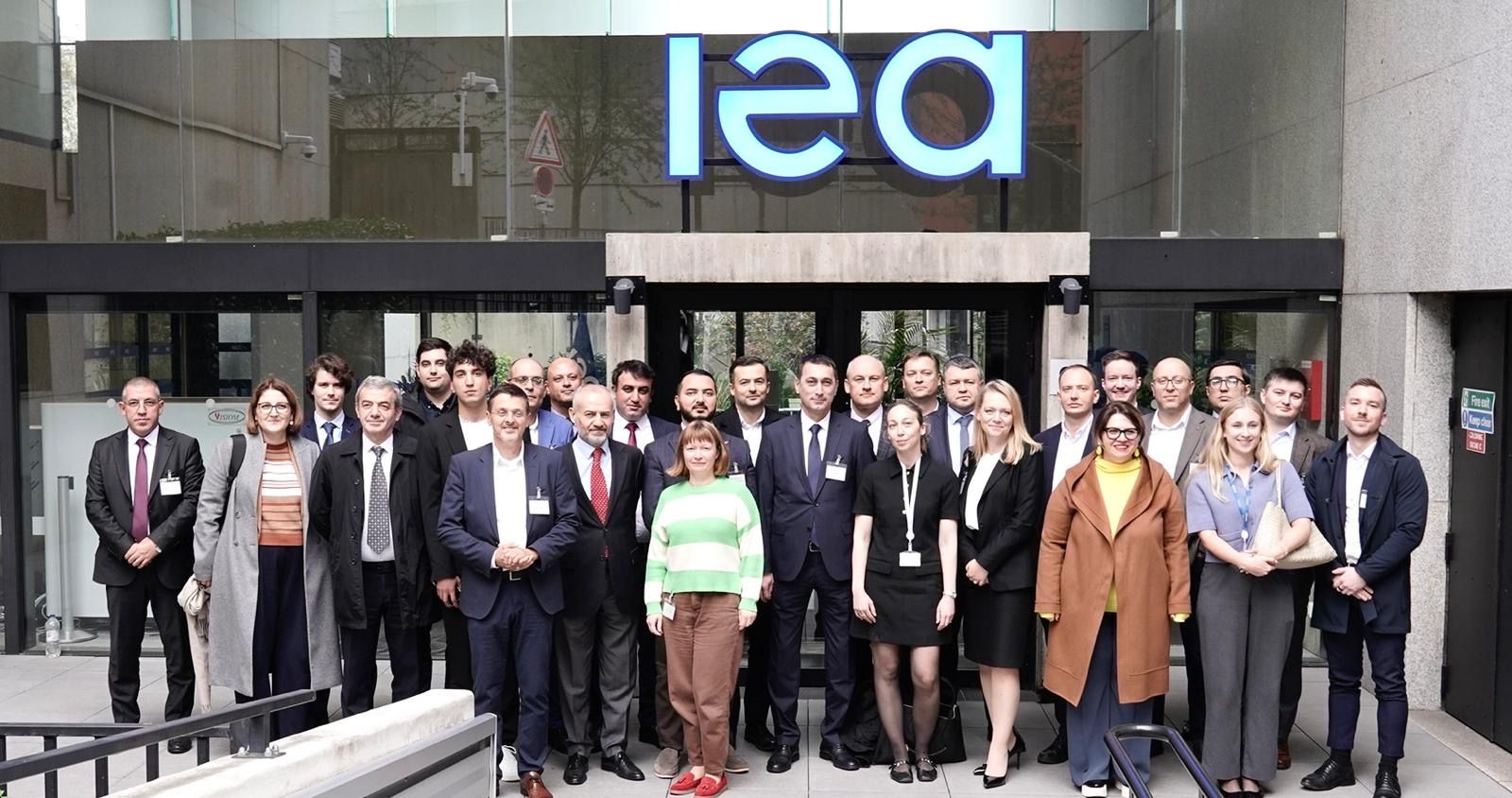
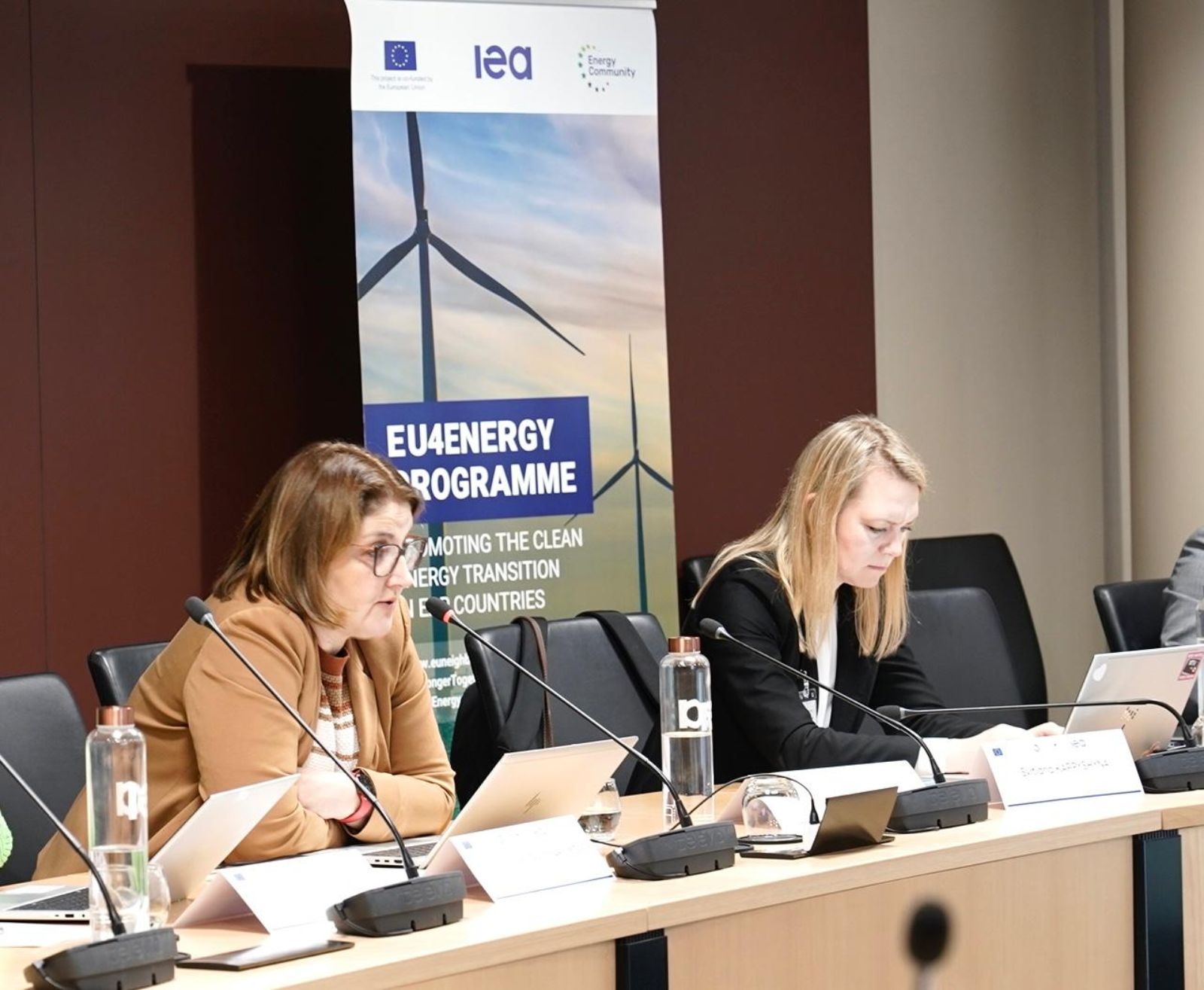
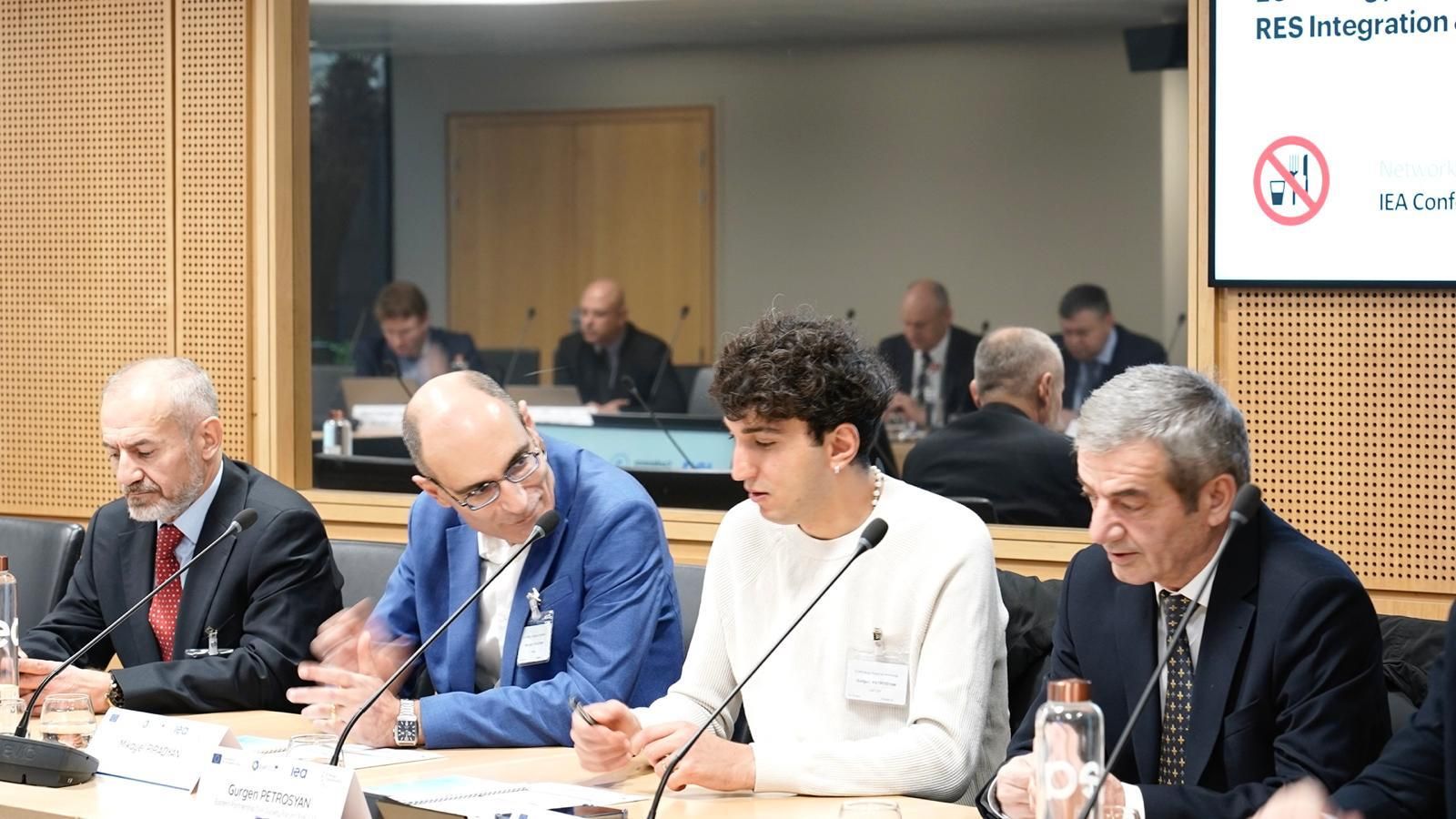
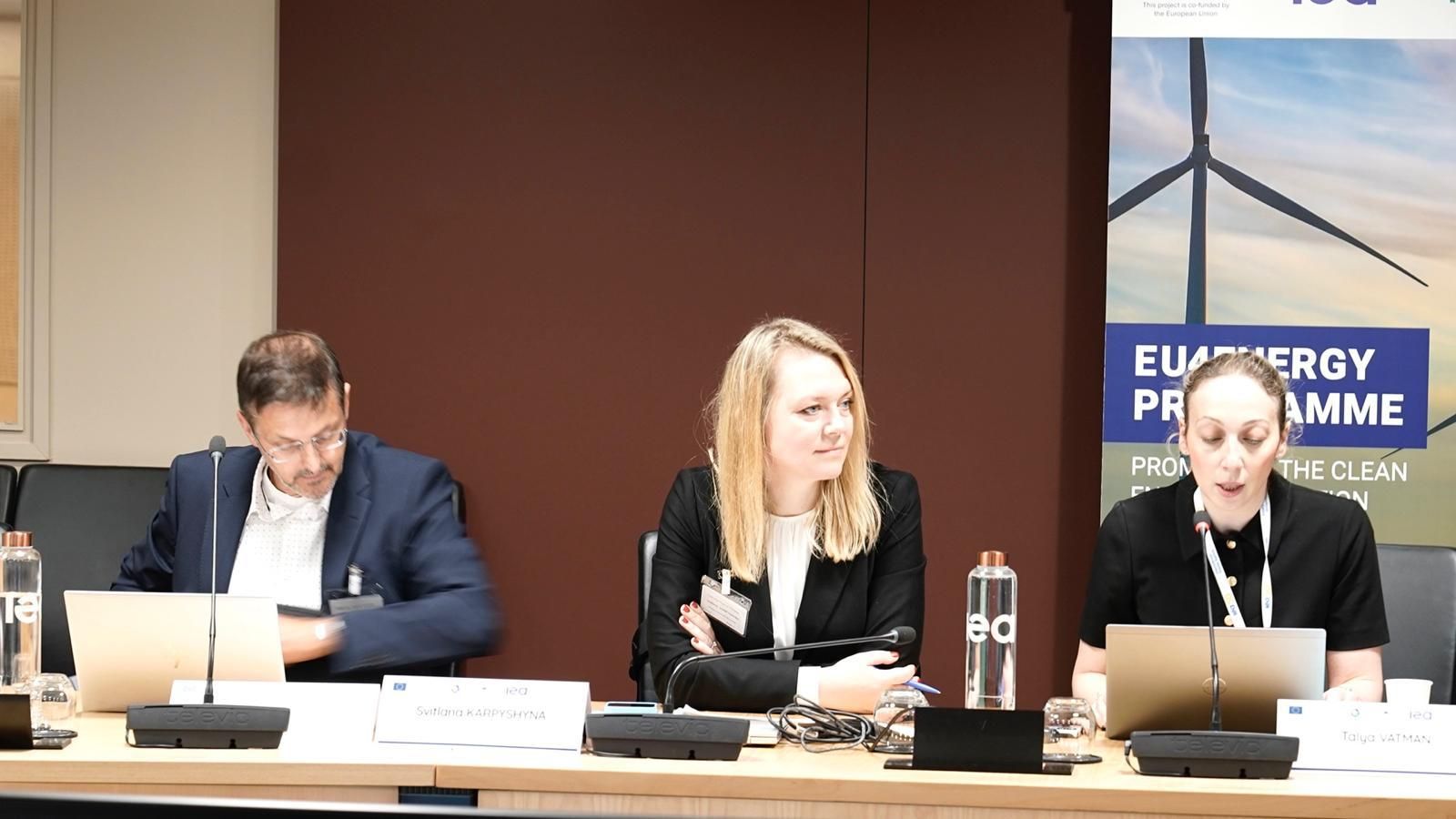
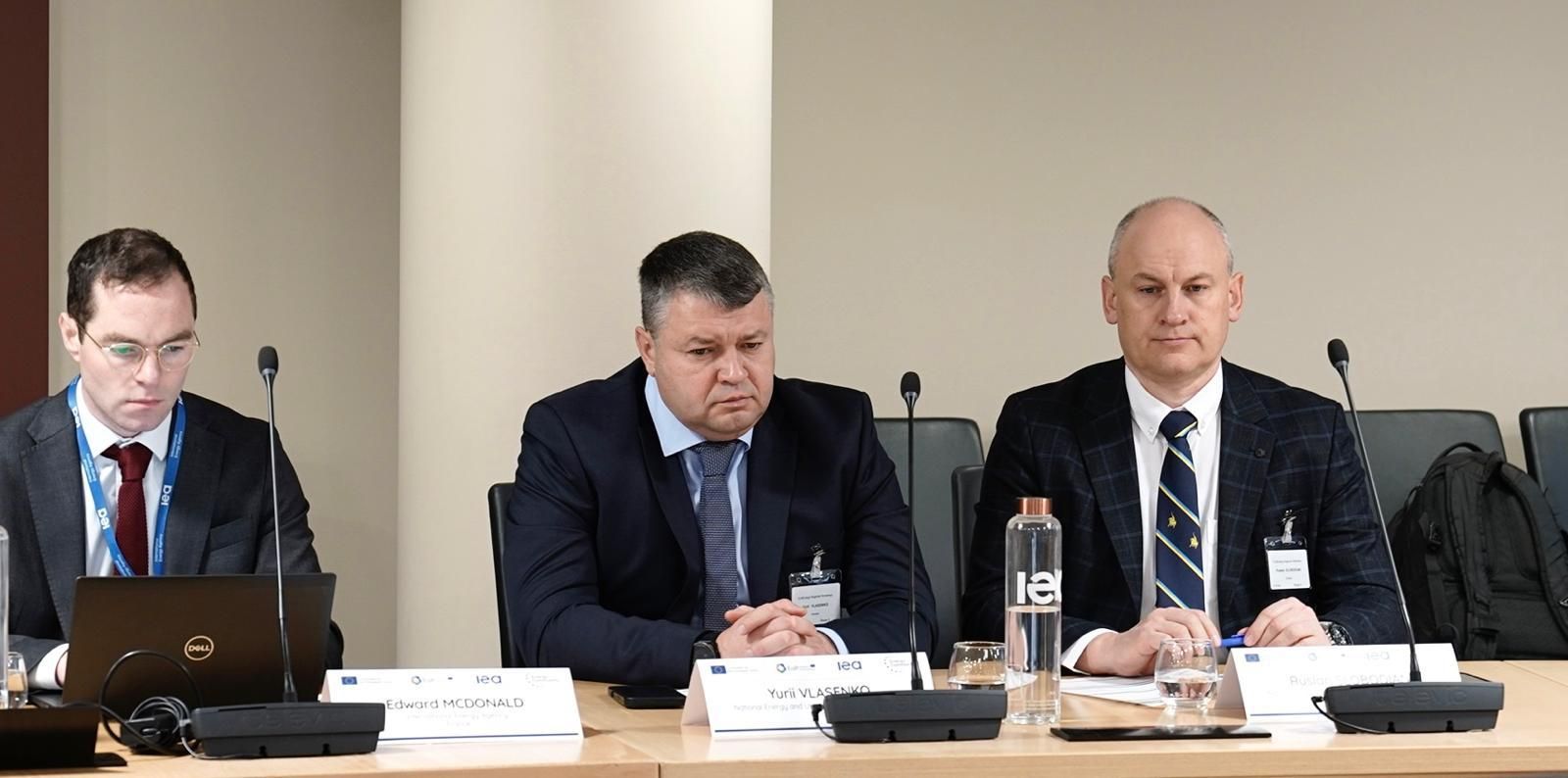
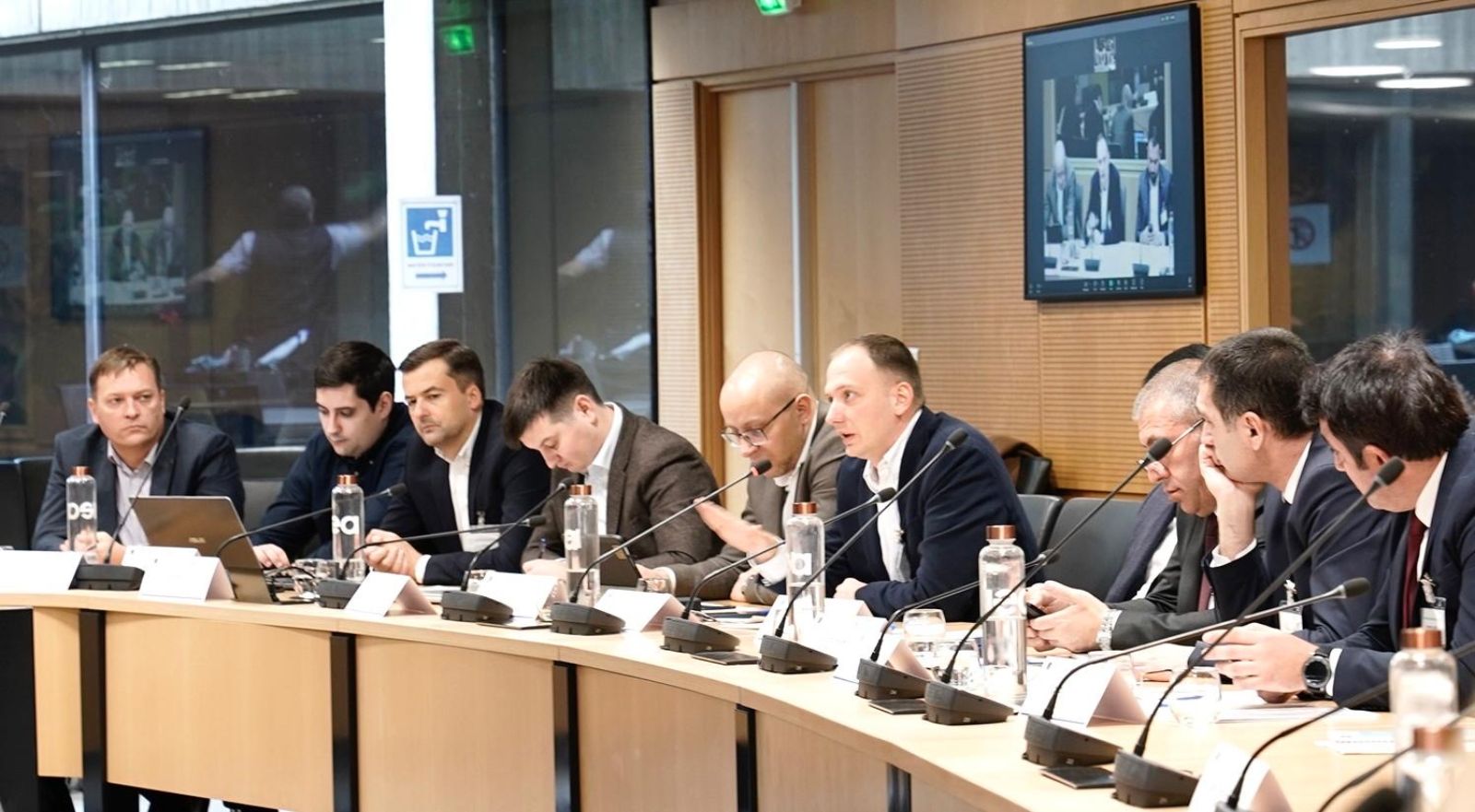
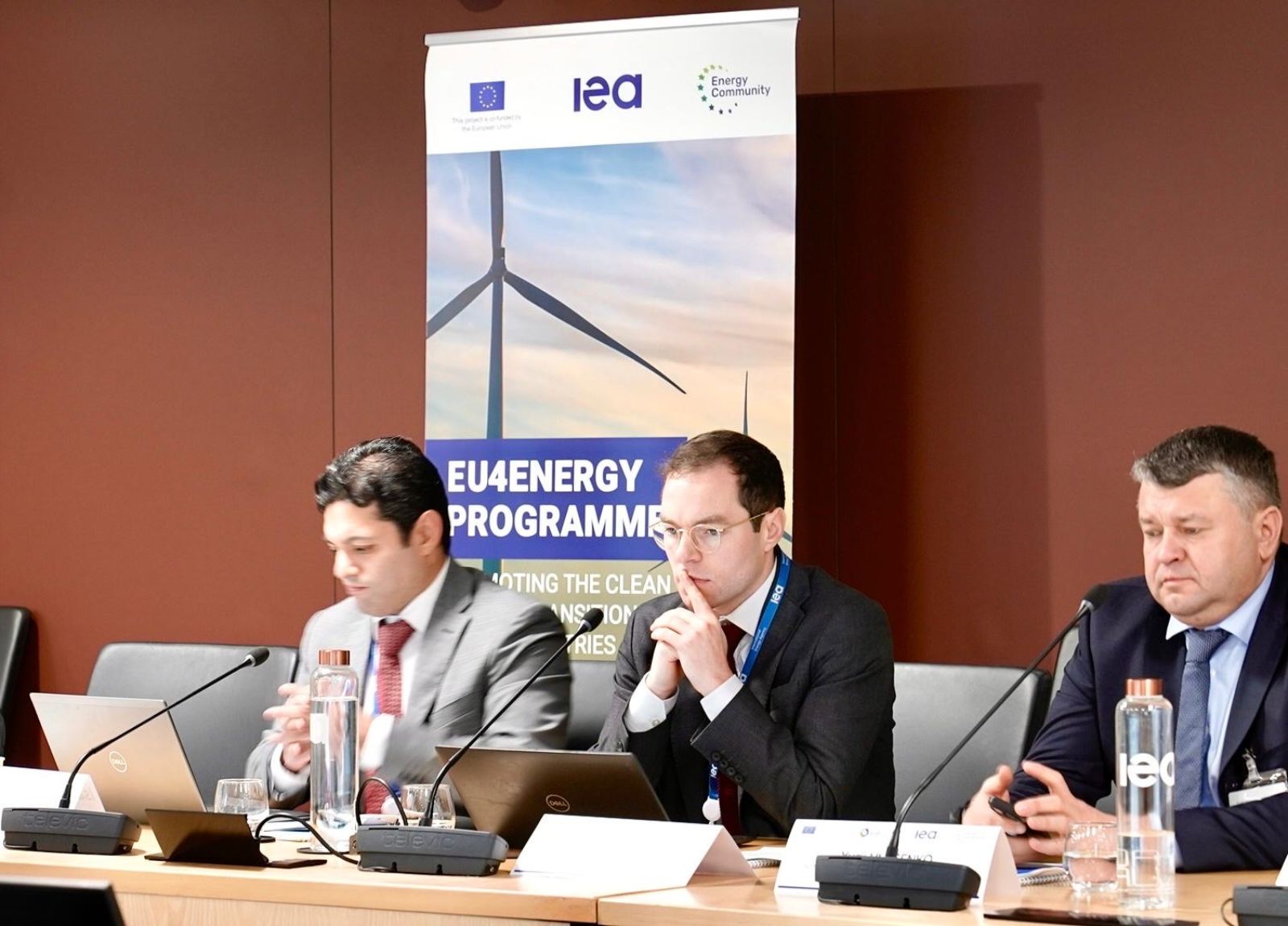
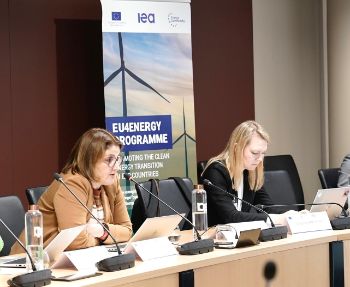
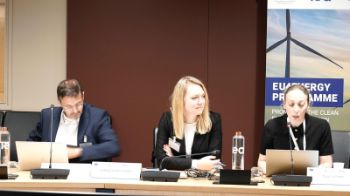
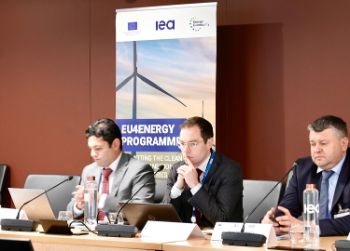
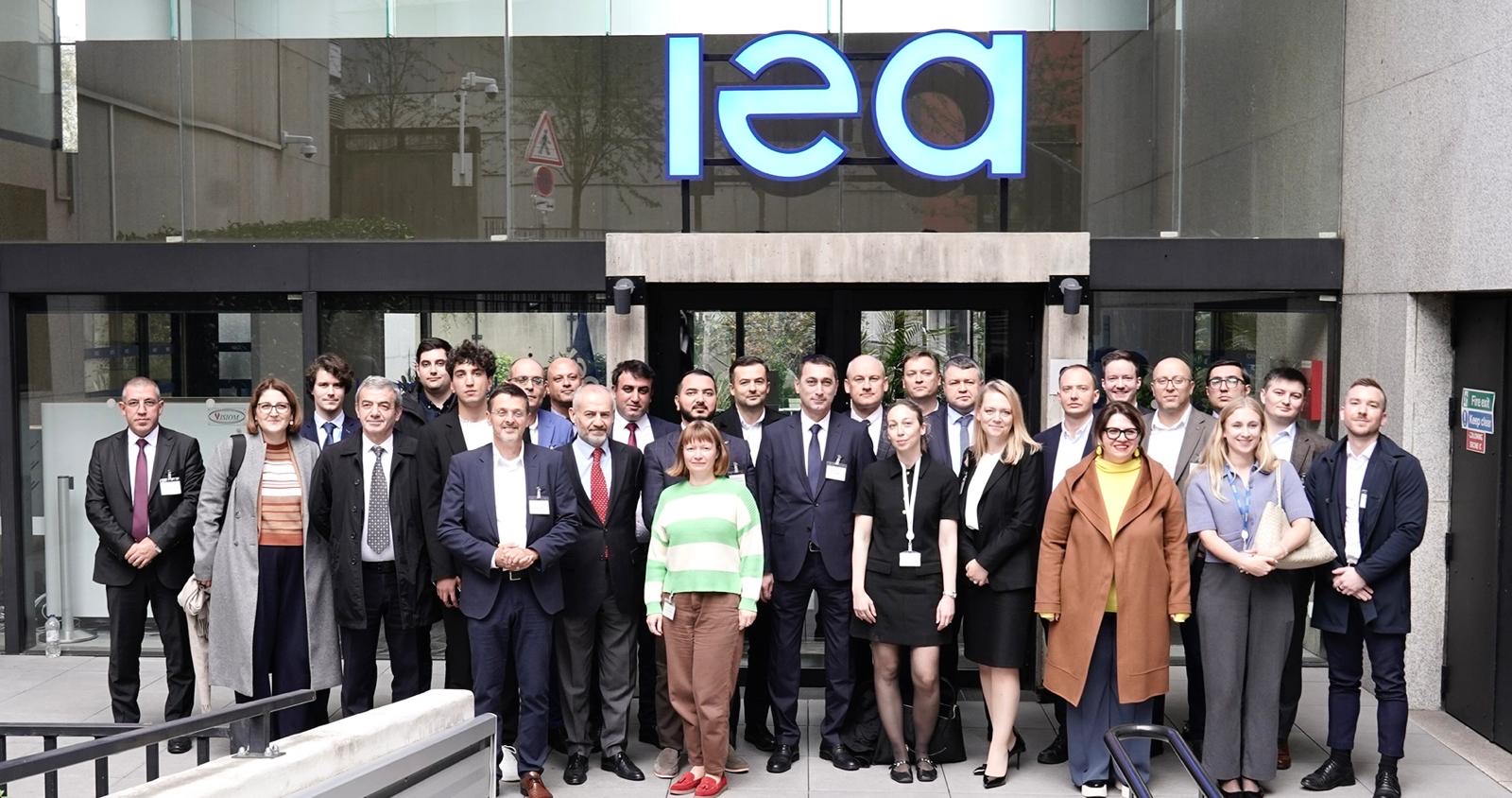
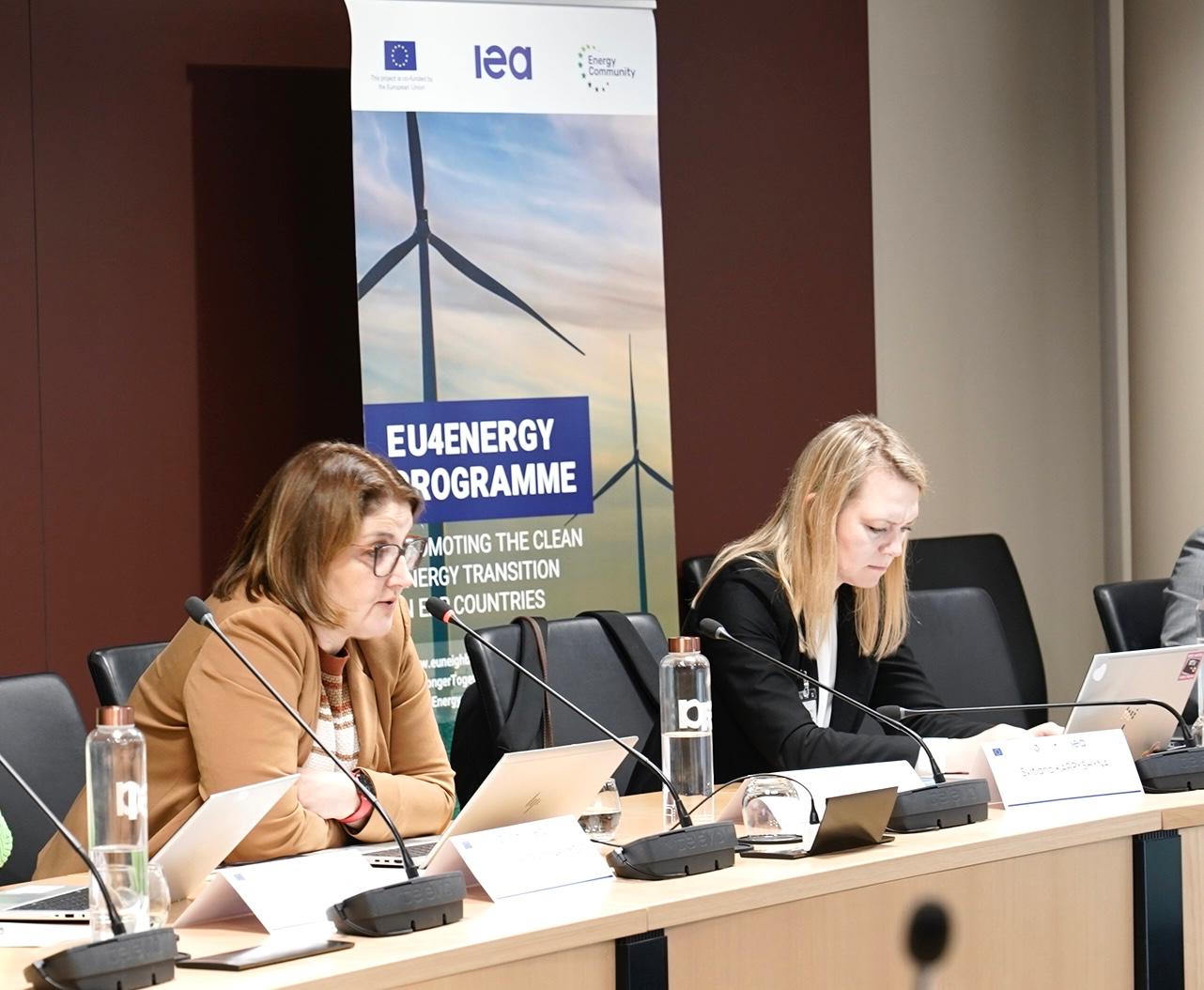
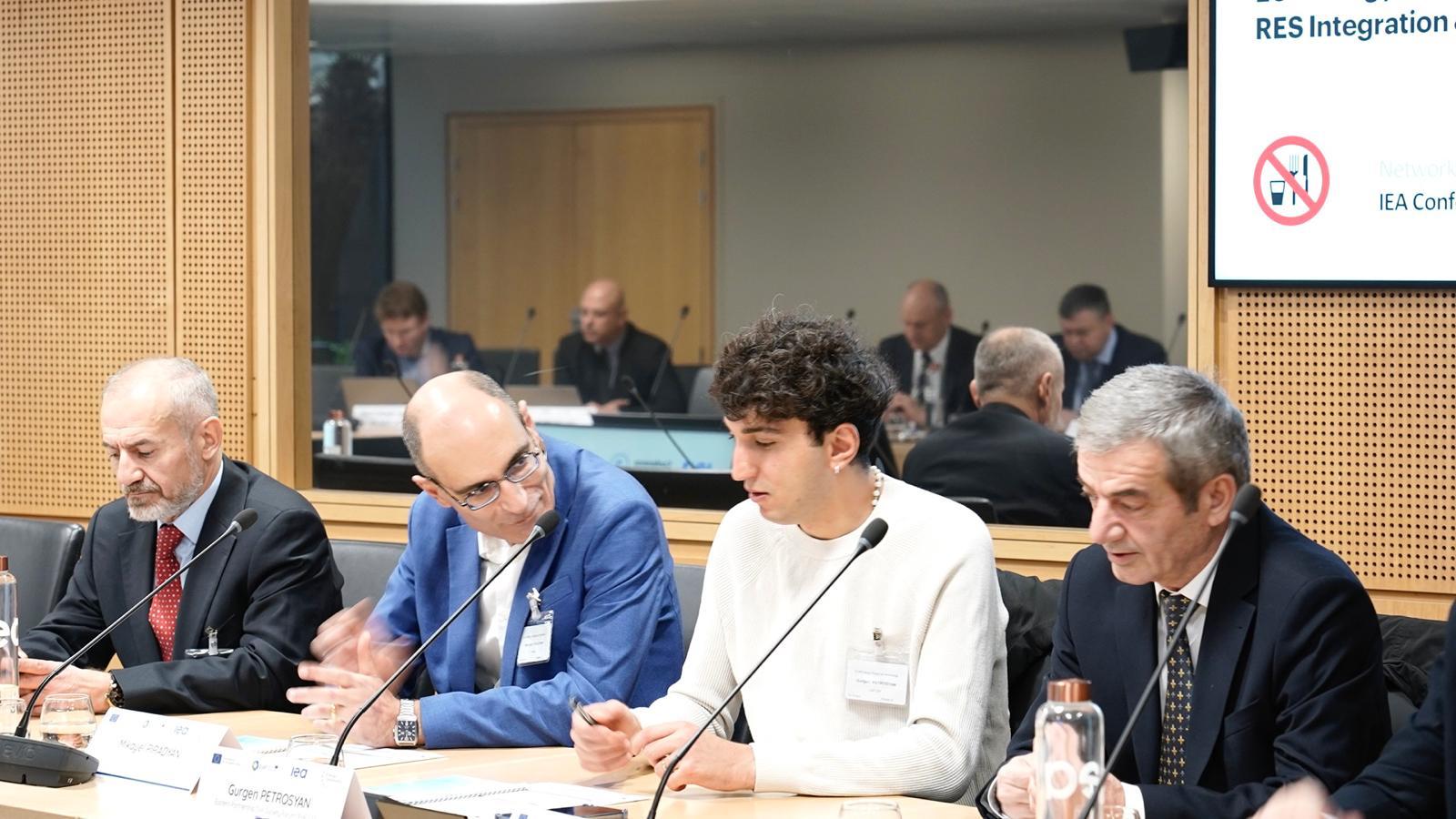
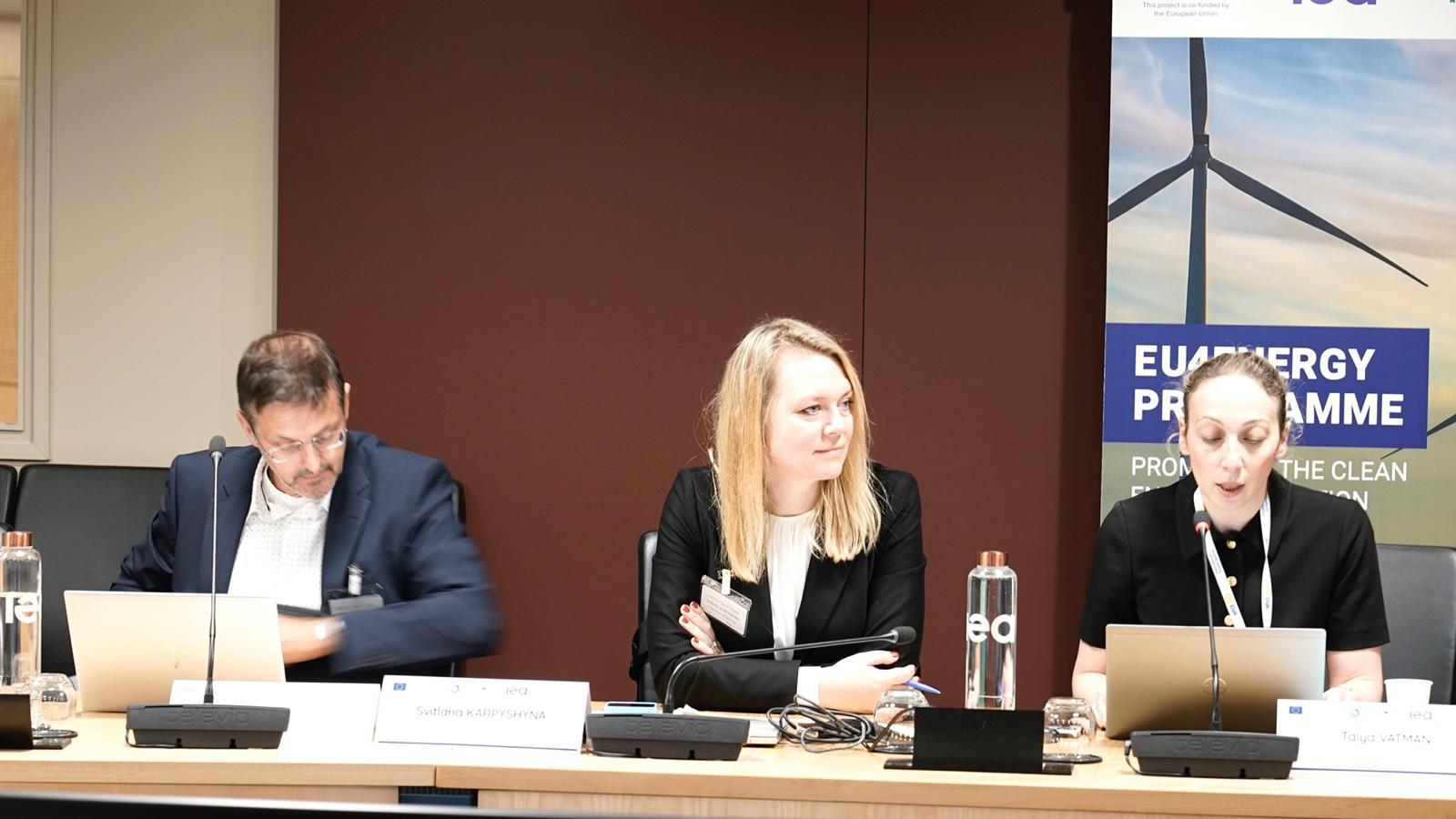
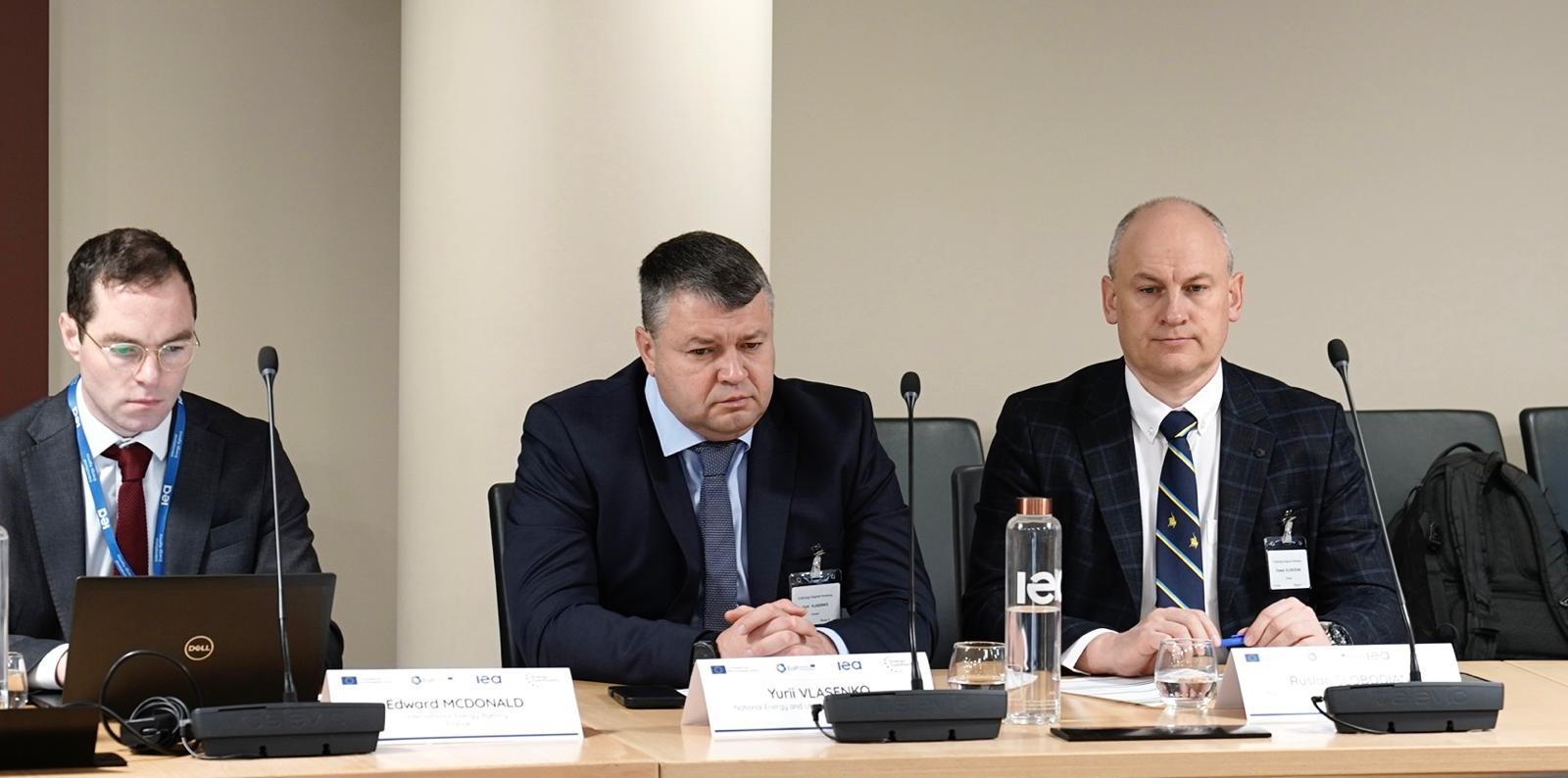
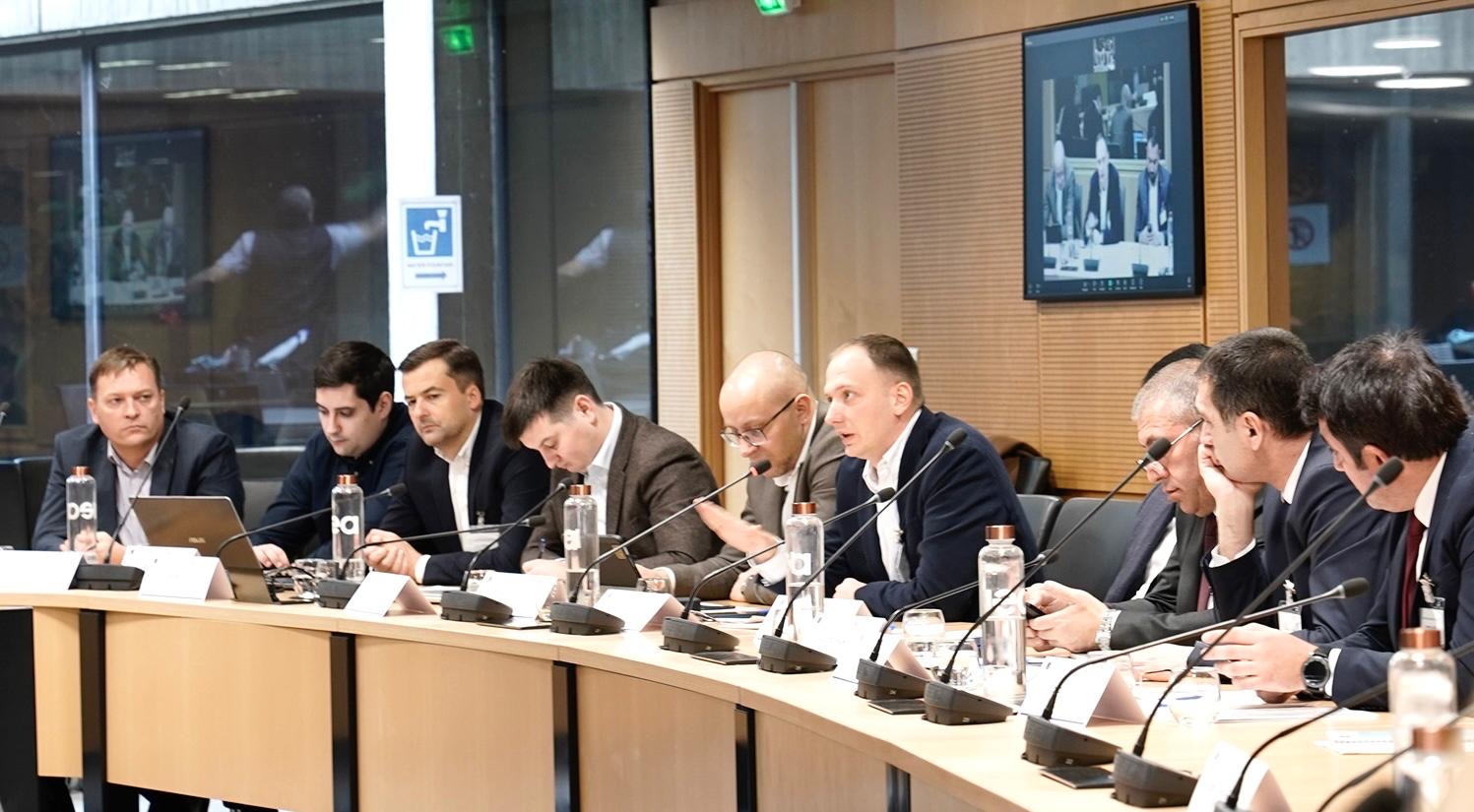
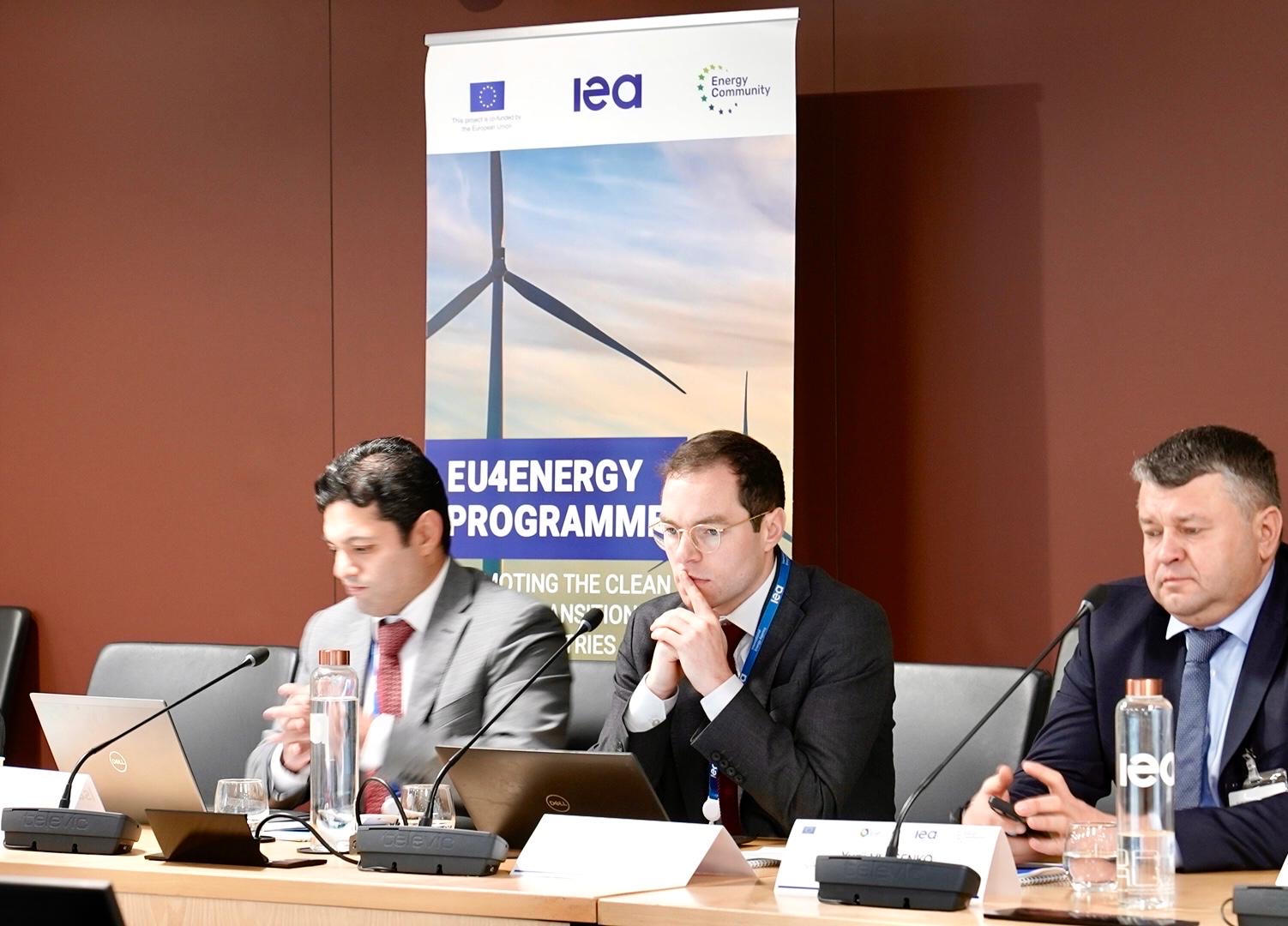
The Energy Community Secretariat, in cooperation with the International Energy Agency (IEA) and the European Commission, concluded a two-day regional dialogue at the IEA’s headquarters in Paris that brought together government and regulatory representatives from the Eastern Partnership countries to build a shared understanding of how to make renewables a central part of the region’s power markets.
Across the Energy Community region, Contracting Parties are steadily advancing integration with the EU’s electricity market — a process that, through the Energy Community framework, can progress even before full EU membership. This includes several Eastern Partnership countries — namely Georgia, Moldova, and Ukraine — whose recent progress on market reforms and renewable energy deployment shows how renewables growth and integration are advancing in parallel.
As documented in the Energy Community’s 2025 CBAM Readiness Tracker, 2024 marked a turning point for Moldova, with the Contracting Party’s first-ever renewable energy auctions awarding 165 MW of solar and wind capacity, and a second round now under preparation that will introduce battery storage for the first time. In Georgia, trial operations of the new day-ahead electricity market began in 2024, laying the foundation for future market coupling with the EU and enabling renewables to compete more effectively in a liberalised market. Meanwhile, Ukraine (synchronised with the ENTSO-E system since 2022) continues in 2025 to expand cross-border electricity trade and invest in renewable generation, despite the challenges posed by the ongoing war.
2024 also marked Azerbaijan’s first 100 MW renewables auction, signaling an accelerating shift toward renewables and creating the groundwork for prosumer participation and grid-flexibility mechanisms. In October 2025, Armenia reached an important milestone of 1 GW of solar deployed nationwide, four years ahead of its initial schedule.
As market integration accelerates and renewables take a growing share of electricity generation, flexibility will be essential to keep power systems reliable, affordable, and ready for deeper decarbonisation. The discussions therefore focused on how policies and regulatory approaches can better support the participation of renewables, storage, and consumers in electricity markets and grid operation — ensuring that clean energy, flexible demand, and new technologies can all play a more active role in balancing supply and demand. Examples from across Europe illustrated how digitalisation and smart grids can make it easier to integrate increasing shares of solar and wind power, helping electricity systems become cleaner, more reliable, and more flexible.
The event reaffirmed the Energy Community’s role as a platform for regional cooperation, guiding Contracting Parties on the path toward fully integrated, flexible, and decarbonised power systems aligned with the European Union’s clean energy transition.
The EU4Energy initiative is funded by the European Union and is jointly implemented by the Energy Community Secretariat (EnCS), the International Energy Agency (IEA) and the Council of European Energy Regulators (CEER). The programme highlights the importance of collaboration and cooperation between the EU, implementing partners and beneficiary institutions in carrying out reforms and bringing concrete benefits to citizens.