
CESEC drives gas diversification on its 10th anniversary
Gas and electricity market integration take centre stage at Central and South-Eastern Europe Energy Connectivity initiative (CESEC) ministerial meeting
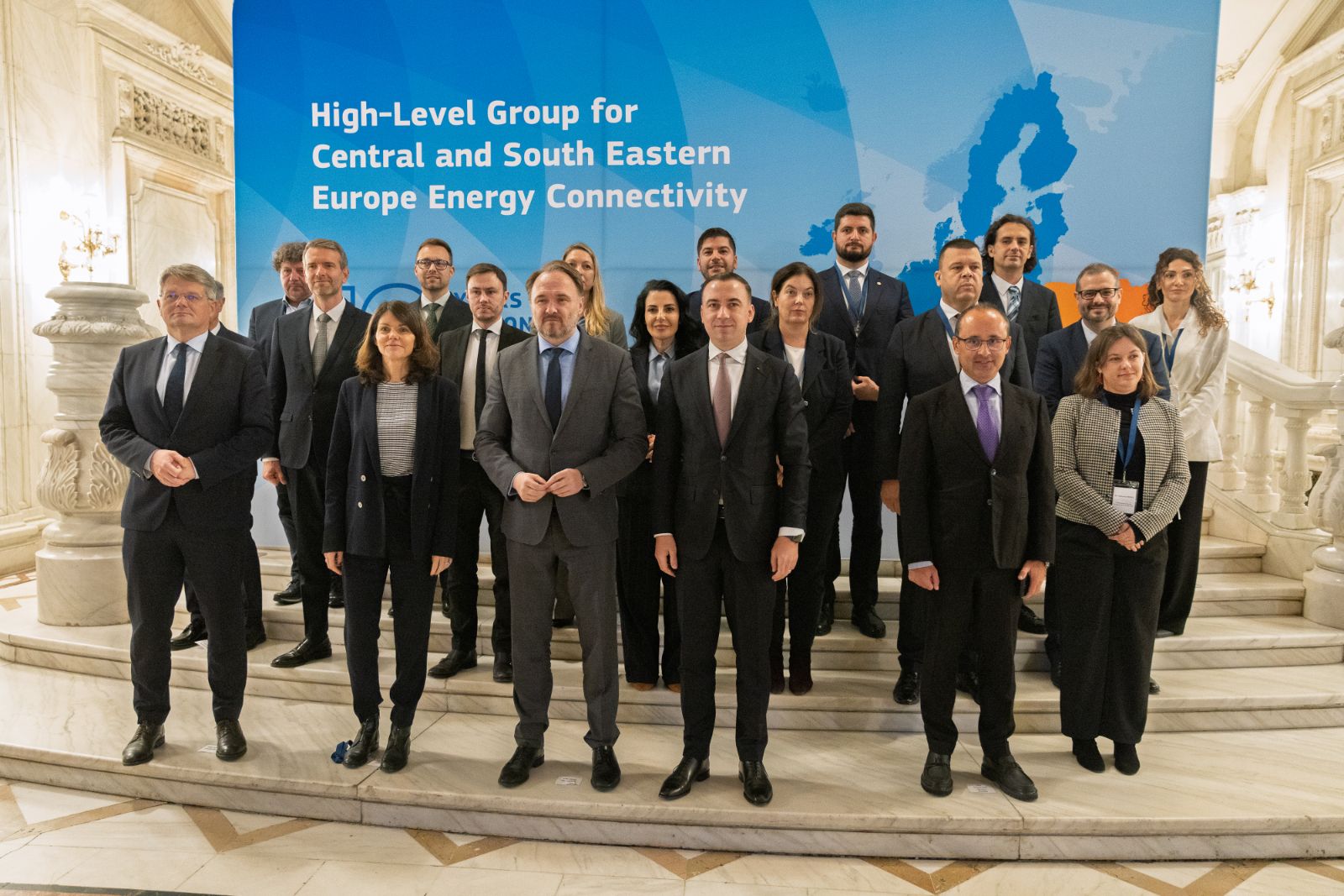
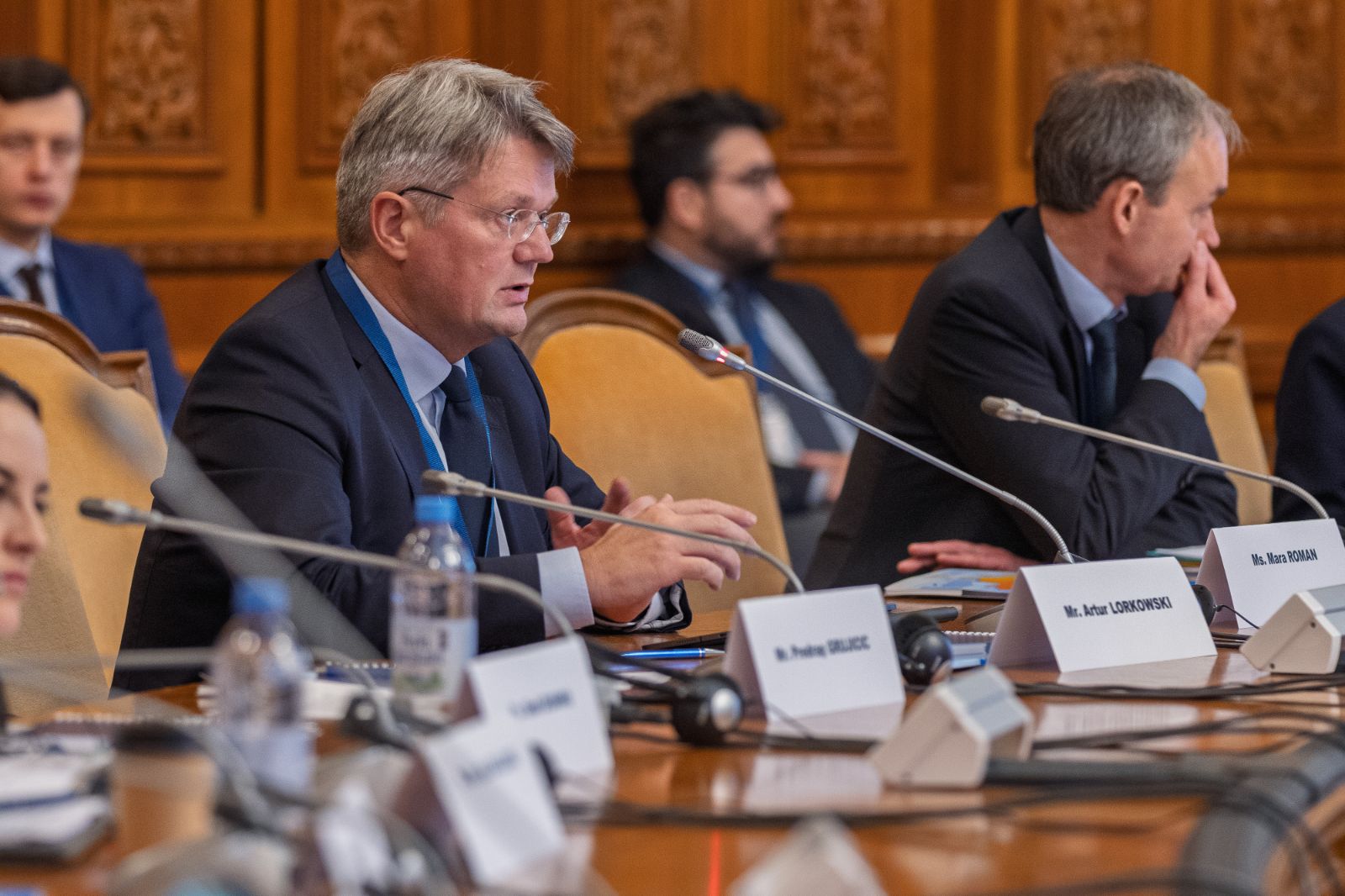
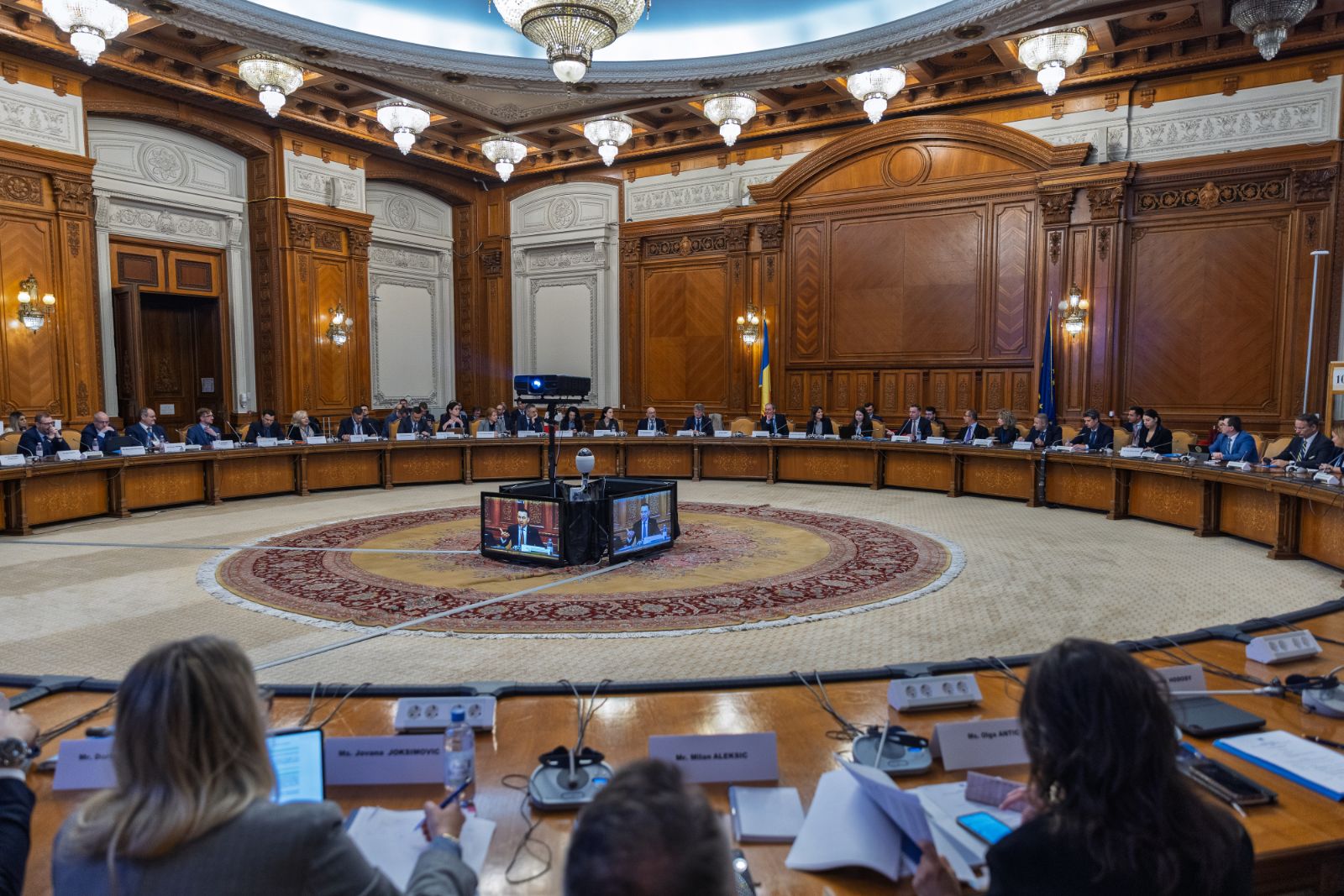
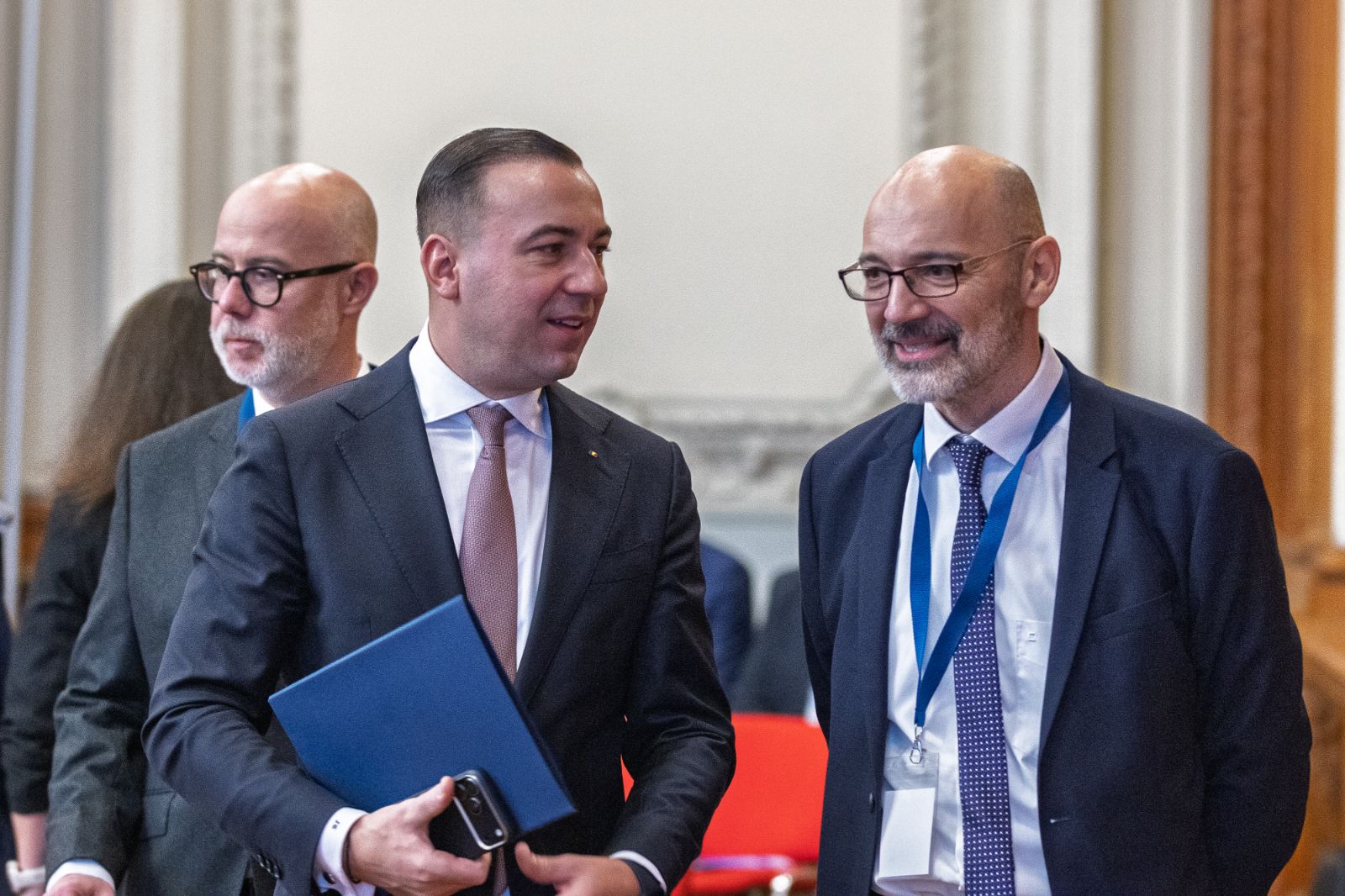
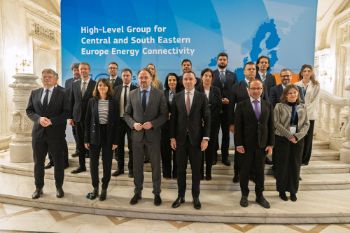
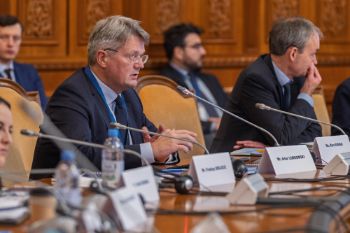
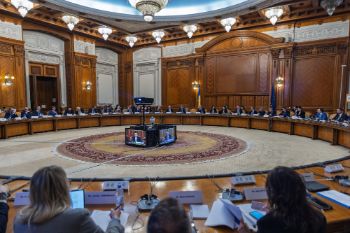
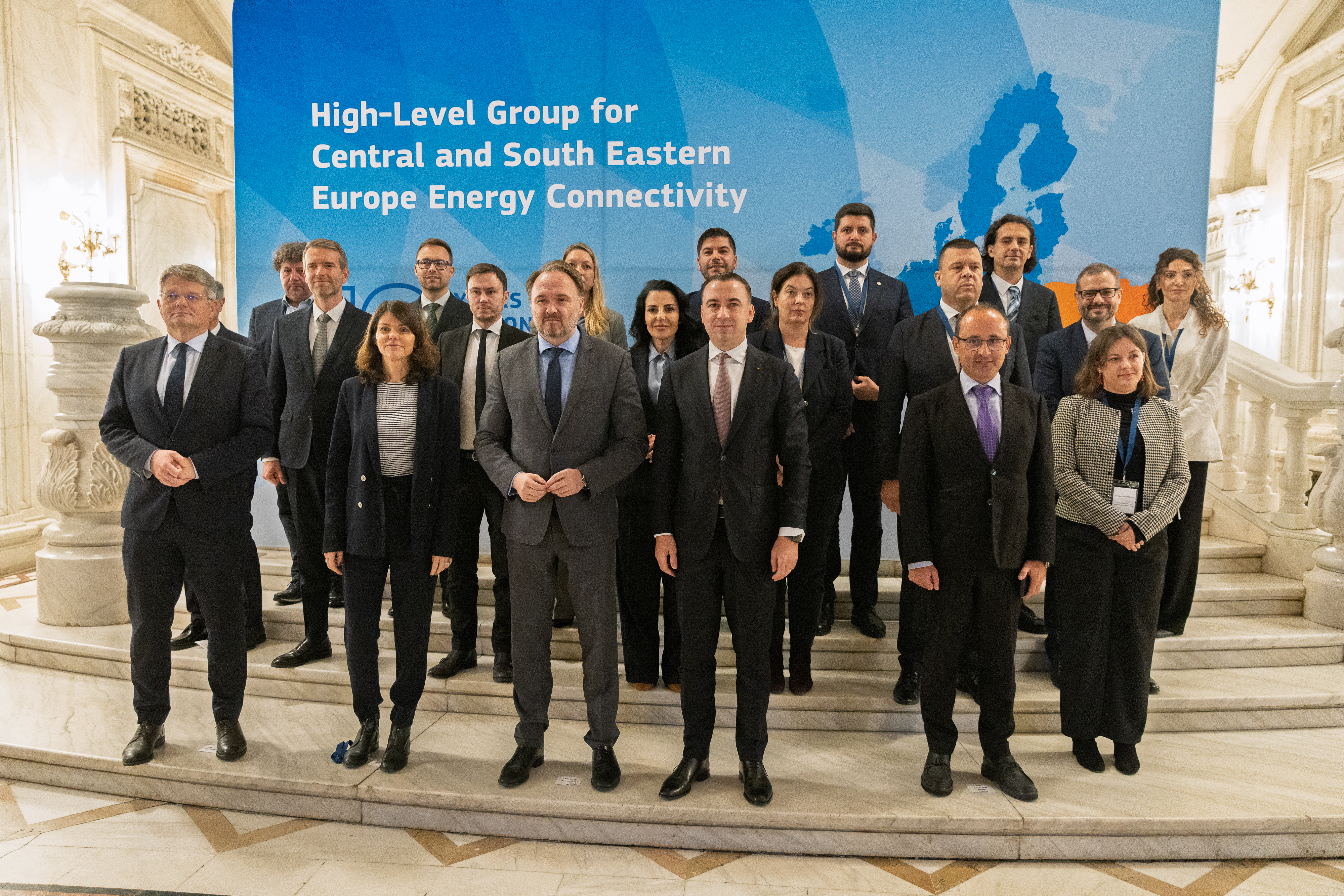
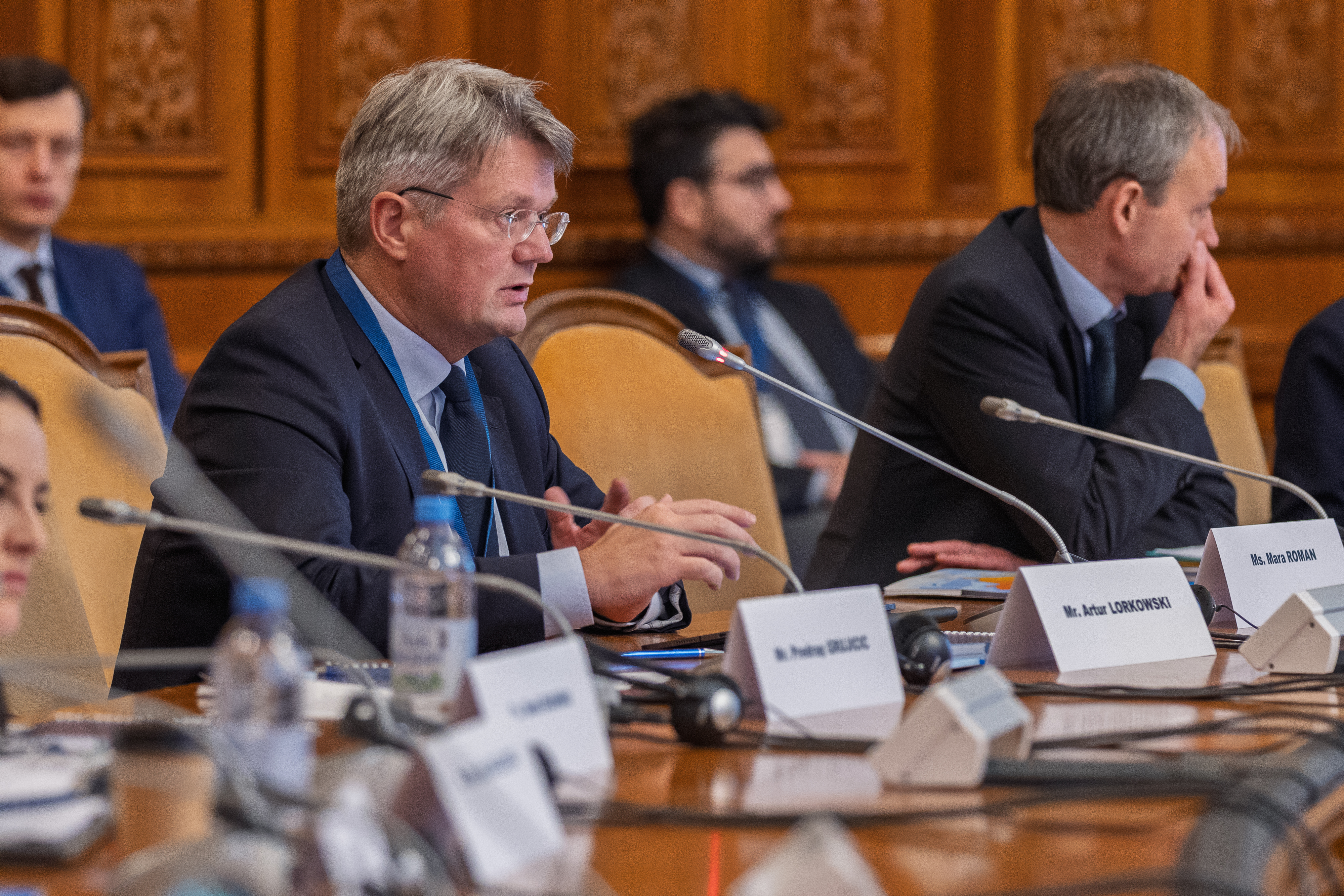
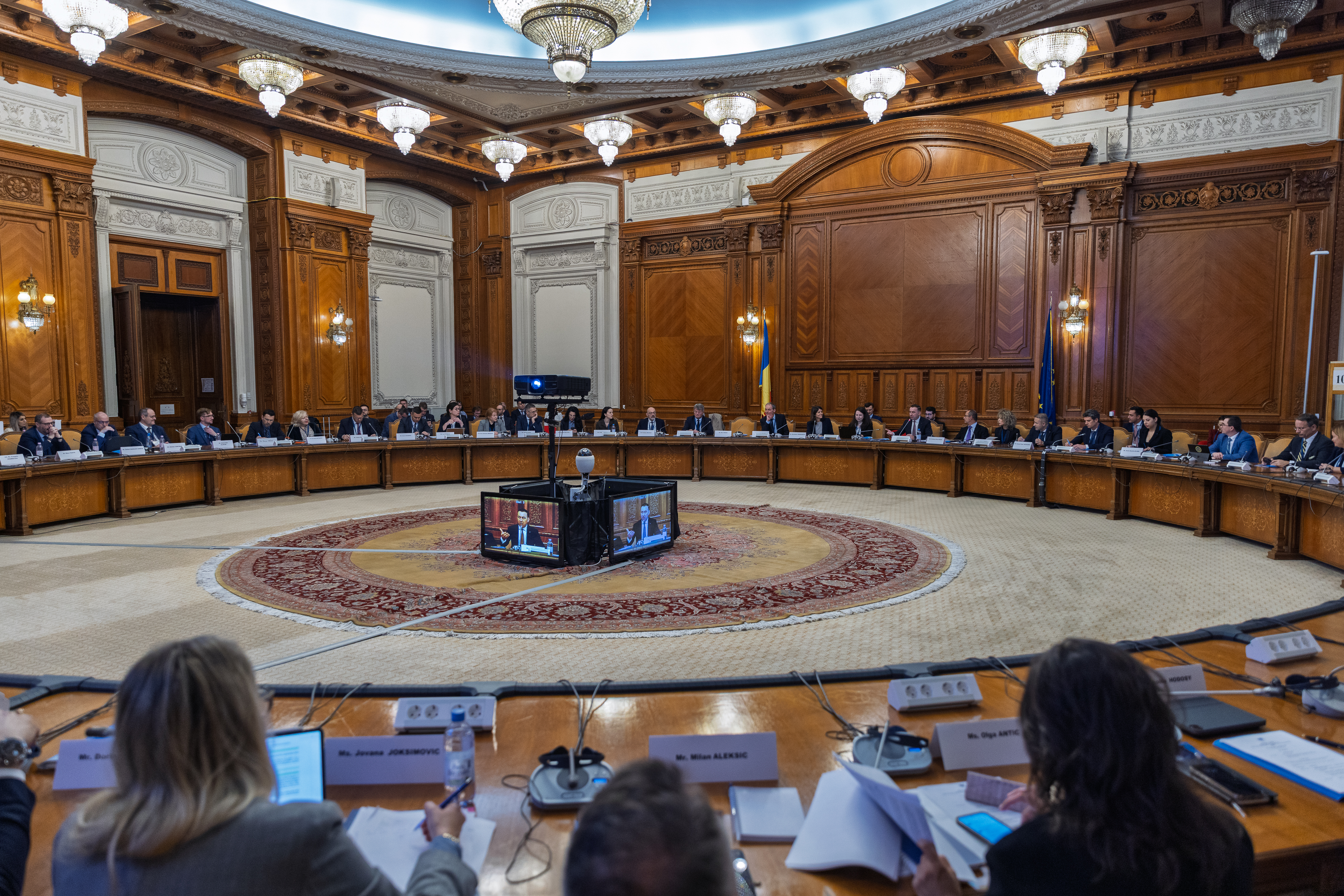
Bucharest, — Ministers and officials from the EU commission gathered in Bucharest for CESEC's 10th anniversary Ministerial meeting, marking a decade of regional energy cooperation efforts. Energy Community Secretariat Director Artur Lorkowski underscored that the region’s success in diversifying away from Russian gas and advancing decarbonisation will require strengthening this cooperation, as he joined CESEC ministers and representatives of the European Commission to map out the next phase of collaboration.
The growing importance of energy market integration between EU Member States and Energy Community Contracting Parties
emerged as a central theme across both the gas and electricity discussions. On gas, Director Lorkowski underlined the need to apply network codes consistently across EU Member States and Energy Community Contracting Parties as the backbone of market integration. The application of these codes will be particularly important as the Energy Community Secretariat and the European Commission work to turn the Trans-Balkan Pipeline into a strategic corridor for regional diversification, under a transparent and commercially robust framework that enhances cross-border gas flows and long-term energy security.
The increasing urgency of market integration between EU Member States and Energy Community Contracting Parties was also central to the electricity discussions. Director Lorkowski recognised Energy Community CESEC members’ progress to fully transpose the Electricity Integration Package, enabling market coupling with the EU’s internal market even before accession. Optimising existing infrastructure — by increasing cross-border capacities in accordance with EU regulation and deploying grid-enhancing technologies — must come before investment in new interconnections, Lorkowski stressed.
Looking ahead, coordinated investments in new infrastructure will also be crucial to expand renewable integration and resilience across the CESEC region. The revised CESEC Electricity and Renewable Energy Action Plan and Projects of Energy Community Interest will continue to guide efforts that strengthen system reliability and accelerate the deployment of renewable energy. To deliver on these priorities, Lorkowski underlined the need for CESEC to jointly address permitting bottlenecks and expand flexibility solutions such as energy storage and demand response — key to stabilising prices and advancing the region’s transition toward a clean, interconnected power system.
The meeting reaffirmed CESEC partners’ commitment to advancing these shared objectives through continued cooperation under the updated Action Plans on Gases, Electricity, and Renewable Energy. The Energy Community Secretariat remains committed to supporting this work and realising CESEC’s vision of a fully integrated, secure and sustainable regional energy market.