2024 PERFORMANCE HIGHLIGHTS
EVENT MANAGEMENT
Air pollution, Greenhouse effect, Depletion of natural resources
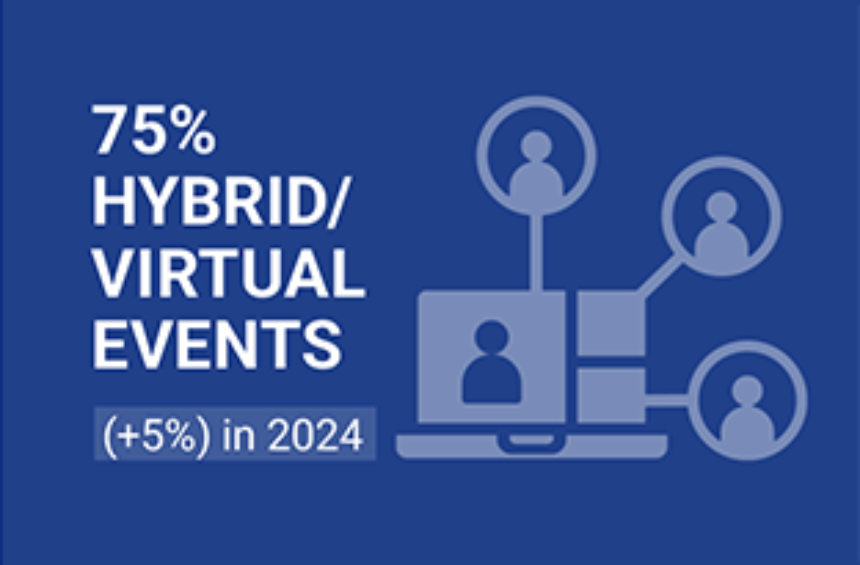
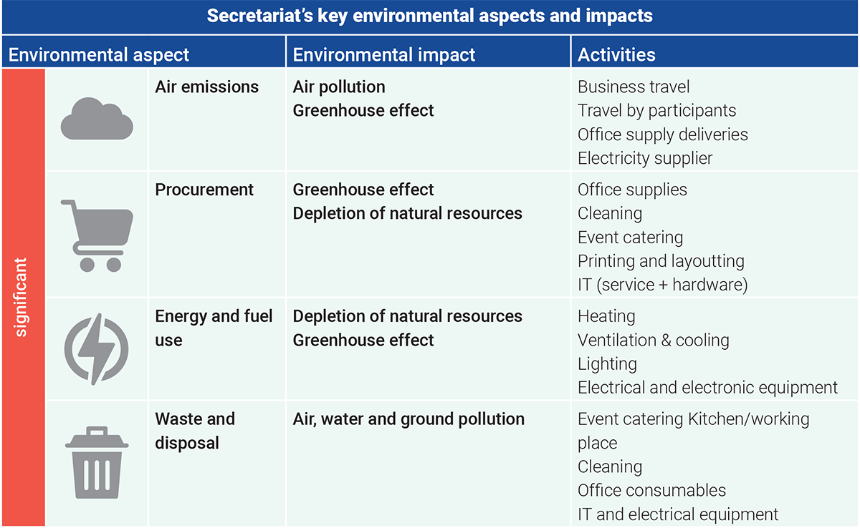
The Secretariat organizes around 100 events annually, a core activity with air emissions, procurement, and waste disposal as its most significant environmental impacts. Operations have evolved with virtual and hybrid events formalised through the 2023 green event rules. Upgraded facilities and an overhauled online registration system have expanded outreach while reducing resource use. Stricter catering planning have lowered food waste and costs, streamlining registration for most events. Since 2021 Secretariat procures solely catering companies with enviromental certification.
Travel by participants
Air pollution, Greenhouse effect
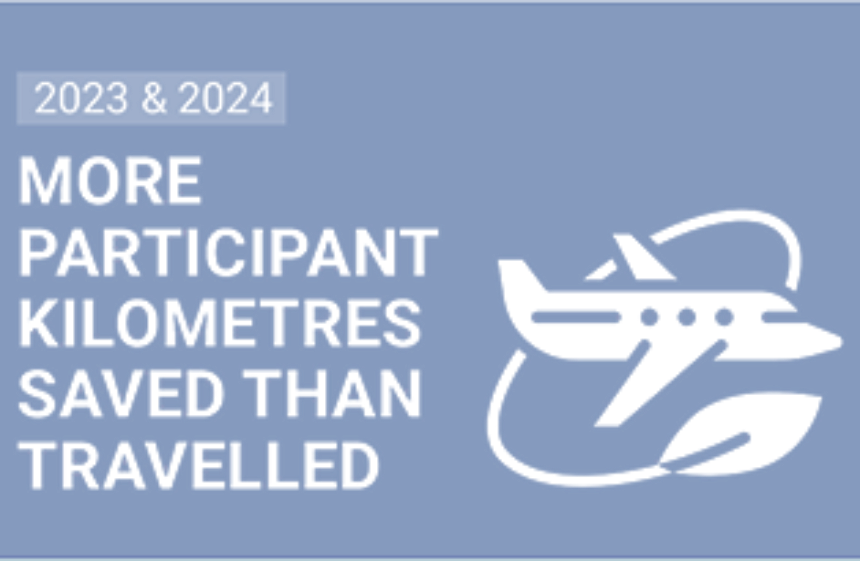
Travel by participants is a significant indirect environmental impact. While the Secretariat cannot control travel modes, it can shape the events it organizes. Since mid-2023, a CMS has tracked travelled versus avoided kilometres and related CO₂ emissions for virtual and on-site attendees. Thanks to the hybrid event approach, more kilometres have been saved than travelled, and overall travel in 2024 decreased compared to 2023, partly due to fewer events.
Energy Consumption
Depletion of natural resources, Greenhouse effect
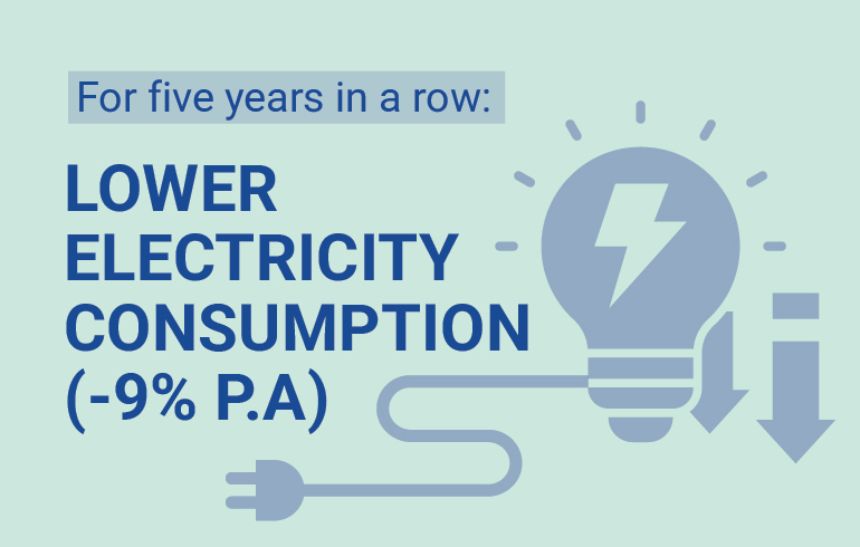
As part of its EMAS certification, the Secretariat switched to 100% certified green electricity from Austrian renewable sources, and improved heat management with radiator mapping, heating rules, and a smart system. Electricity consumption per person has steadily declined since 2019, and despite a 2024 increase due to drainage repairs and office renovations, kWh-per-person performance still improved by 9%.
Waste management
Air, water and ground pollution
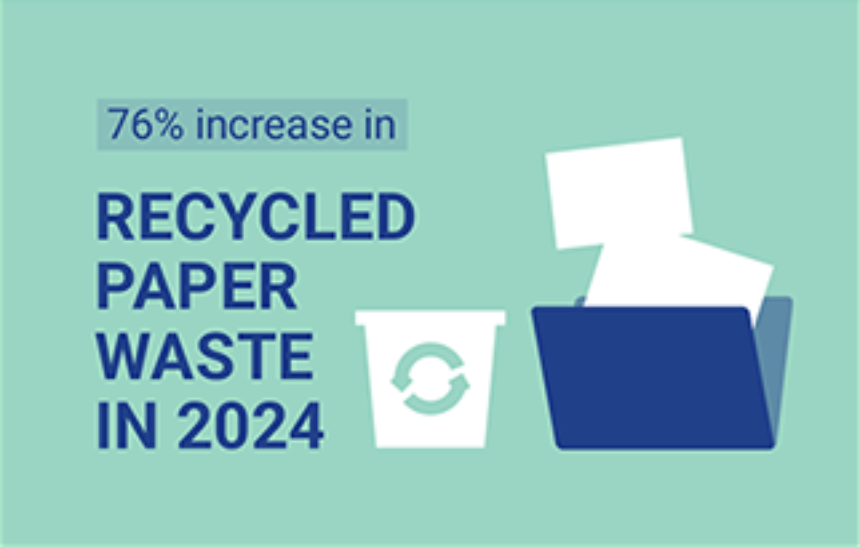
The Secretariat shares a central waste collection room with other tenants, where only paper is separated on-site. Since 2020, waste separation has been supported by the cleaning company, which—under the 2023 service contract—is required to separate paper, glass, and plastic and keep recycling records. In 2024, staff training was strengthened through a new guidance video, and while residual waste still accounted for 50–65% of the total, more than 5,454 kg of paper, glass, and plastic were recycled between 2021 and 2024, with steady progress in reducing paper use.
Disposal concept
Air, water and ground pollution
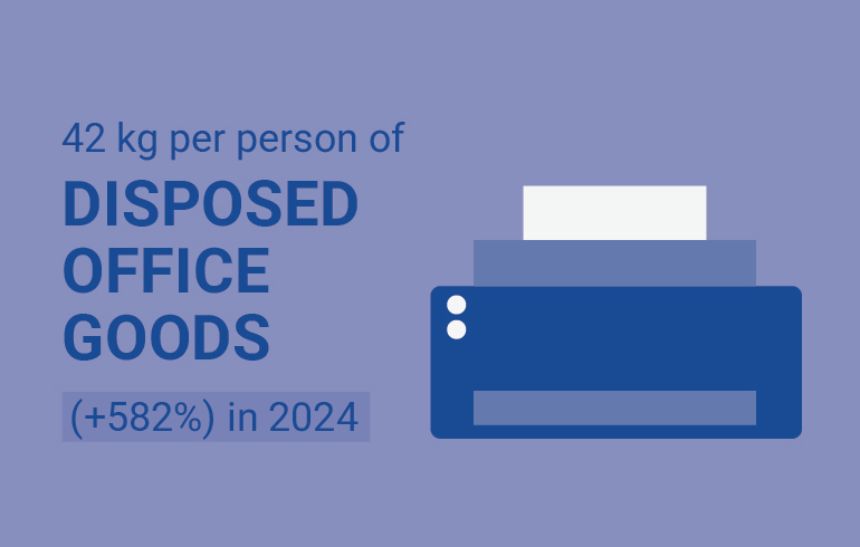
In 2022, the Secretariat moved away from internal auctions for written-off items like laptops, screens, and printers, instead partnering with Vienna-based disposal companies that prioritize reuse and recycling. Following an inventory in 2023, decommissioned items—including electronic equipment considered hazardous waste such as laptops and printers—and old office furniture were disposed of under this new approach. In 2024, disposal volumes rose sharply—up 582% compared to 2023—with hazardous waste exceeding non-hazardous waste, reflecting the significant impact of the shift toward more sustainable disposal practices.
Paper consumption
Depletion of natural resources
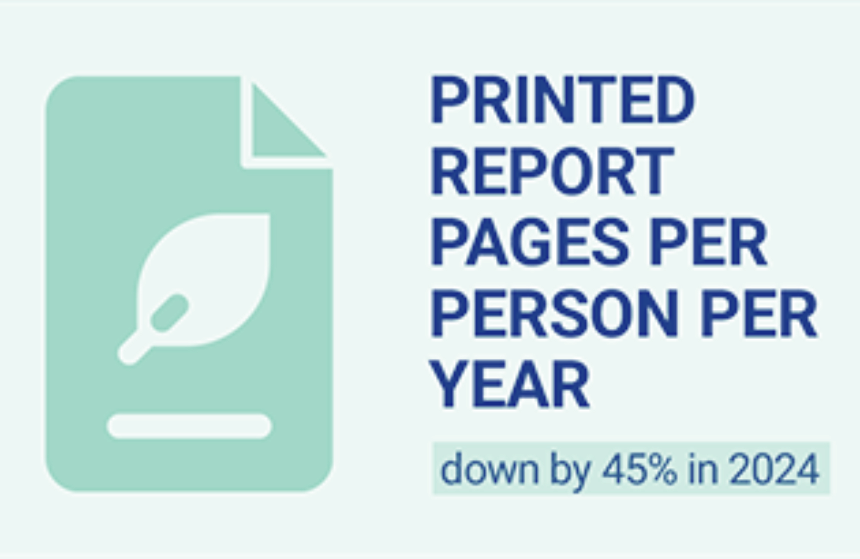
Since switching to 100% recycled office paper in 2020, the Secretariat has promoted reduced printing and digital-first practices. In 2024, printed report pages per person fell by 45%, reflecting a continued downward trend and a strong commitment to waste reduction, while layout pages consistently outpaced printed ones, highlighting the shift toward digital-only releases. All necessary printed copies use 100% recycled paper, with shorter reports designed for on-demand, in-house printing.
Water consumption
Depletion of natural resources
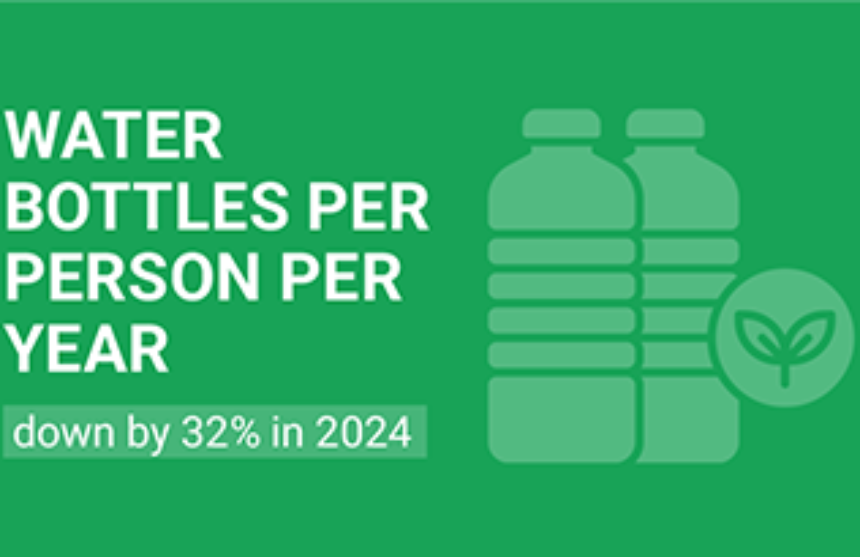
Although the Secretariat cannot directly meter water use at Am Hof 4, it promotes responsible consumption through carafes, tap-water aerators, and staff awareness campaigns. In 2024, these efforts—combined with fewer onsite events and lower participant numbers—contributed to a notable decline in bottled water use, with total volume down 22% and bottles per person falling 32%, marking the first year of measurable reduction.