
Gas Forum: Coordinated action to strengthen Europe’s gas security
Common gas rules are rolling out across EU-Energy Community borders, with more competitive Trans-Balkan Pipeline tariffs expected in October
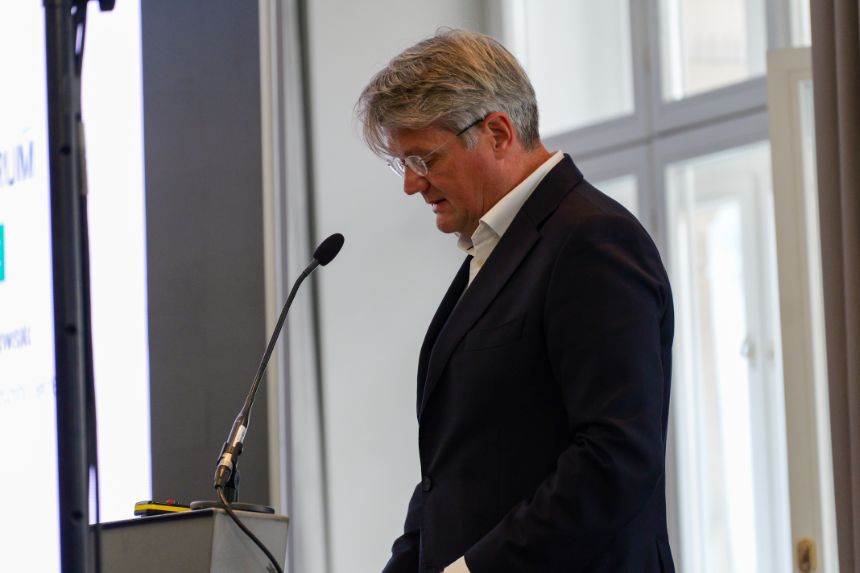
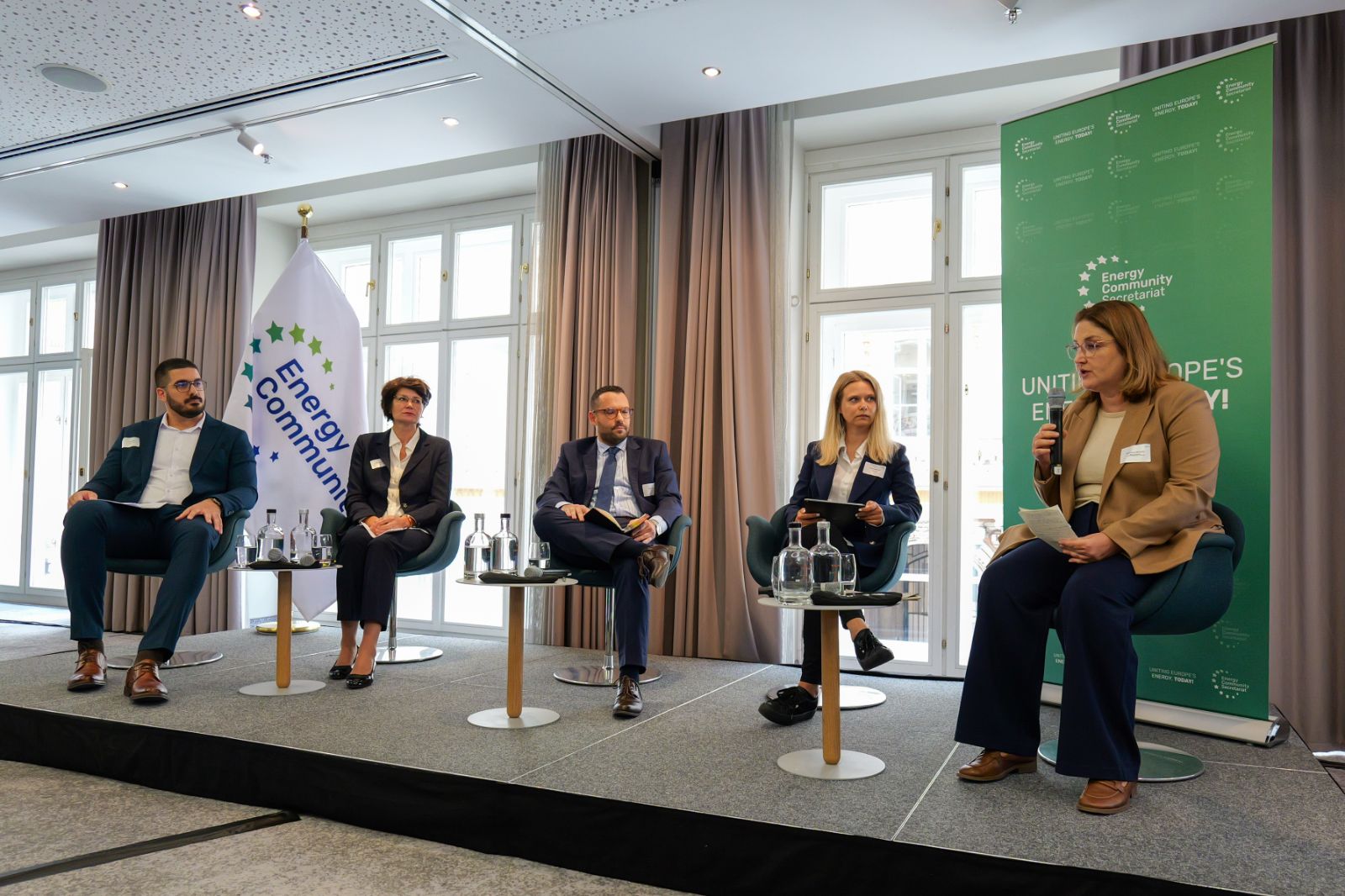
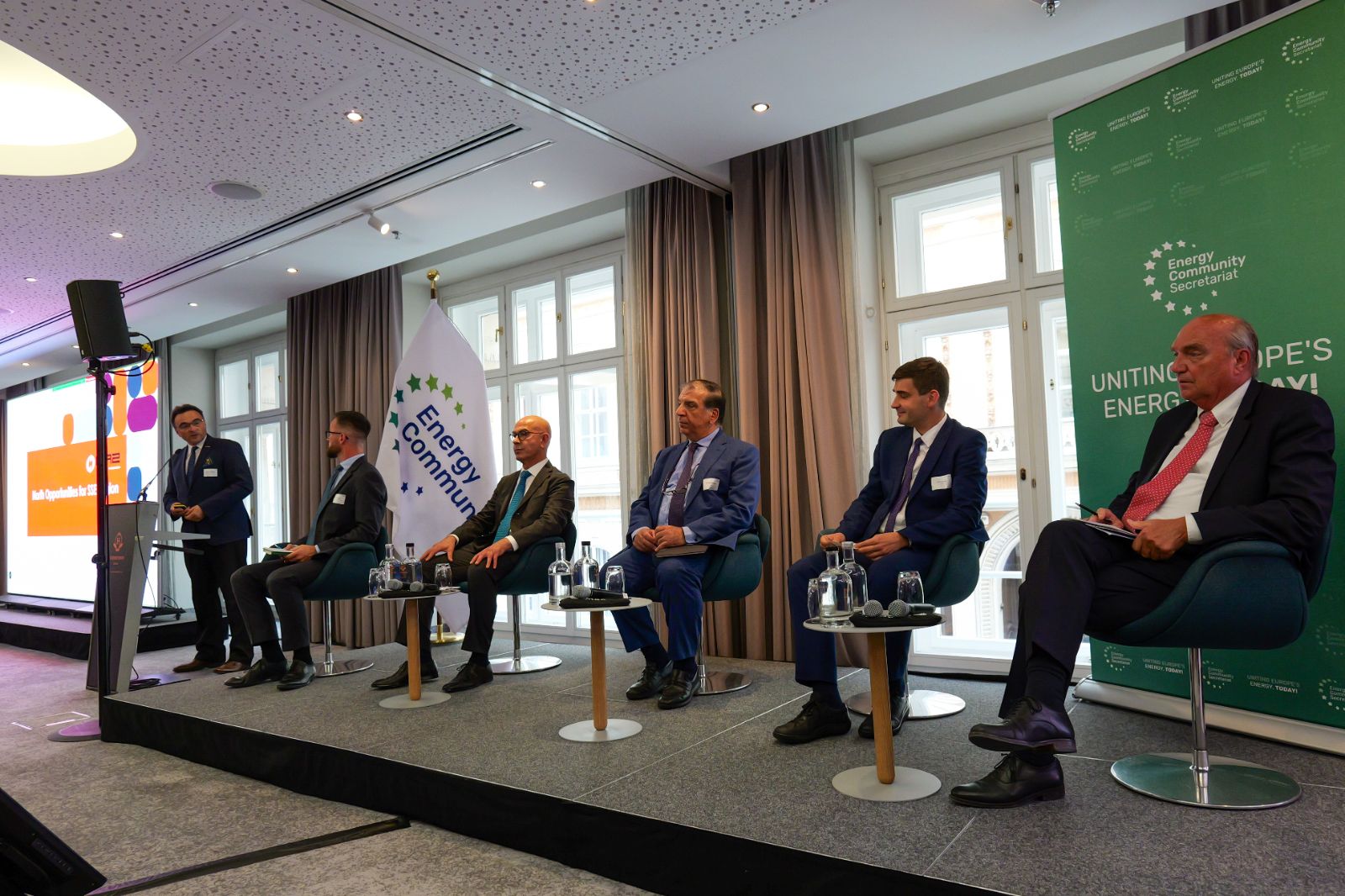
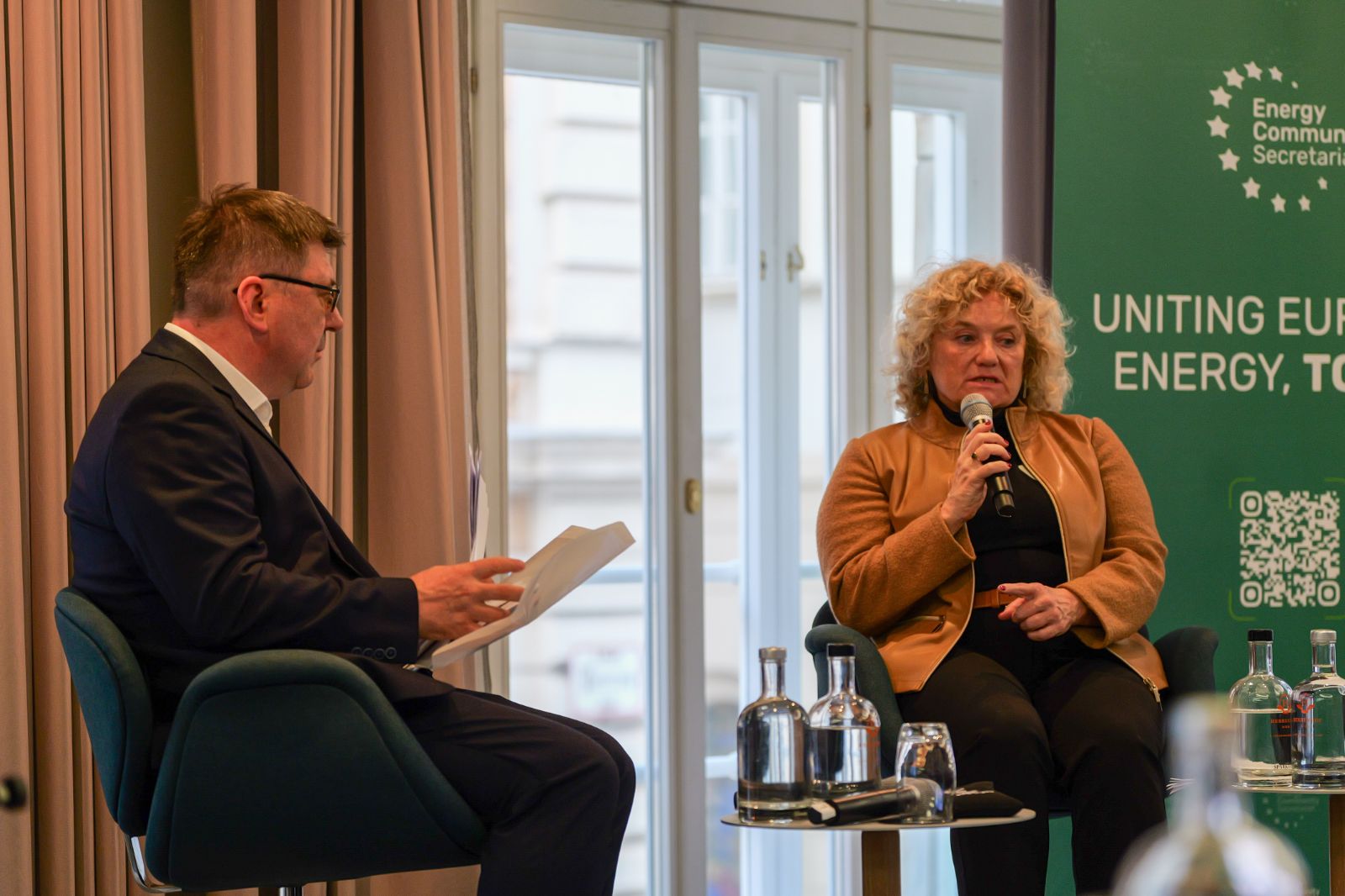
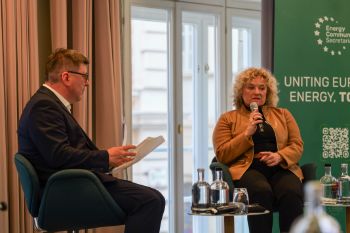
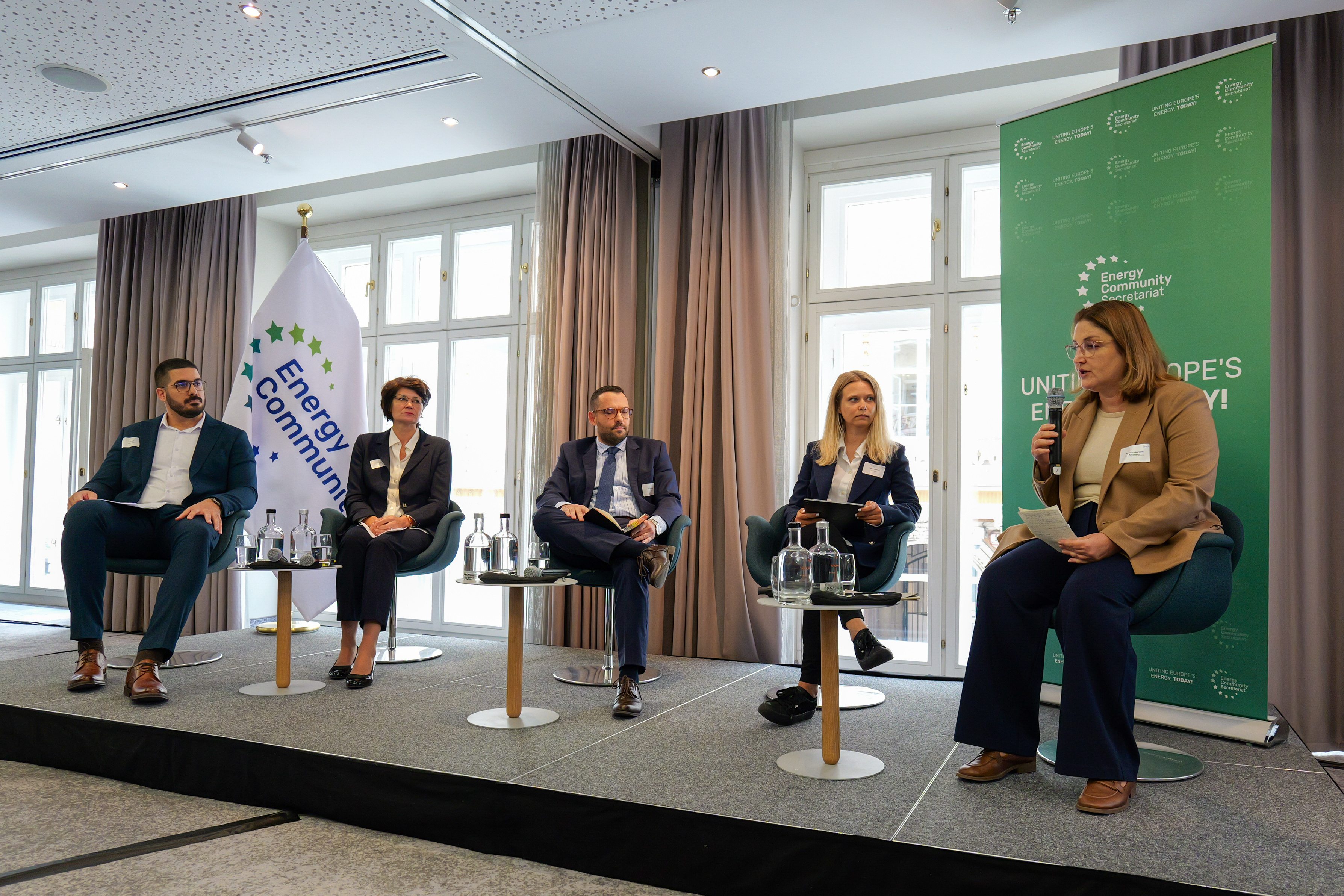
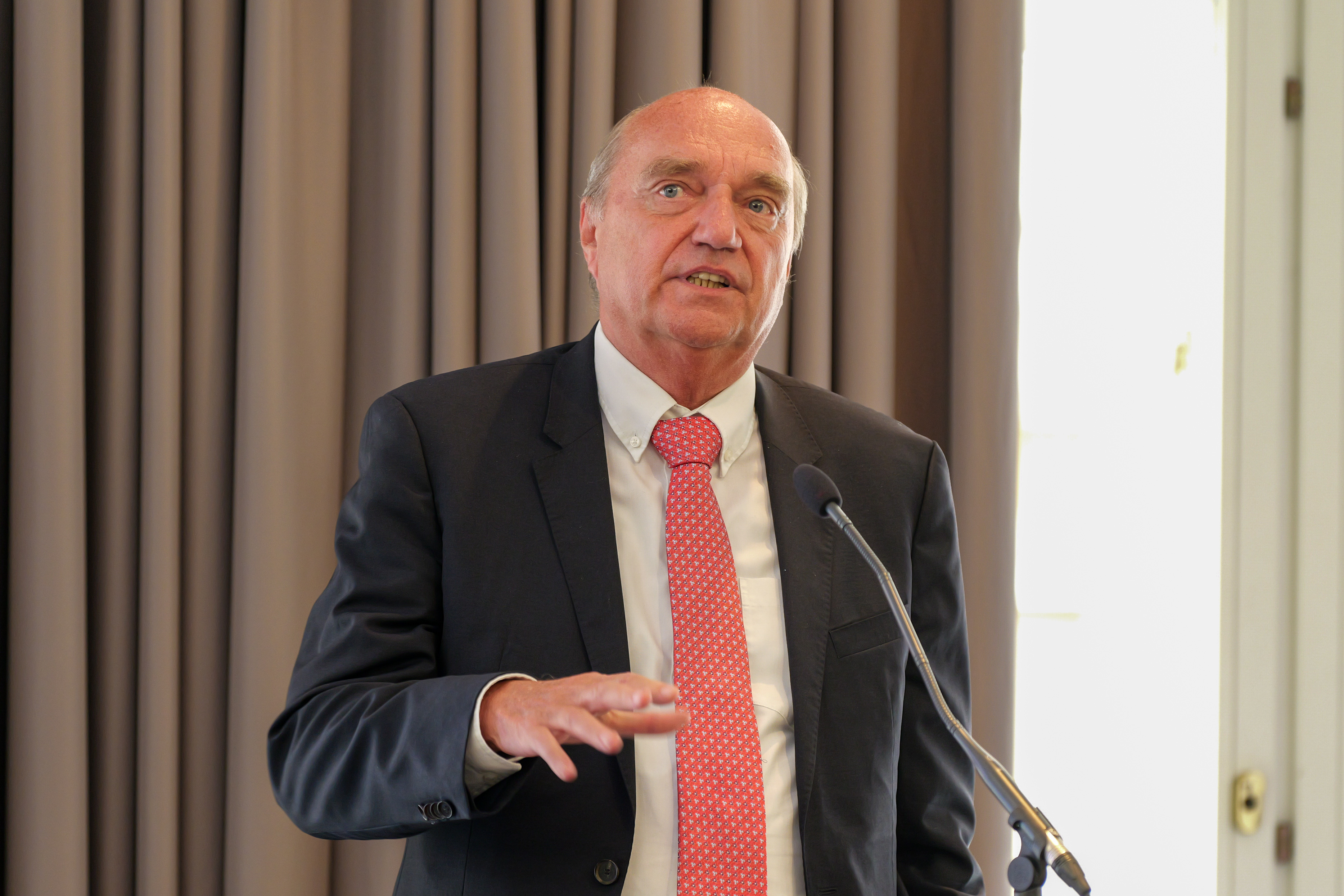
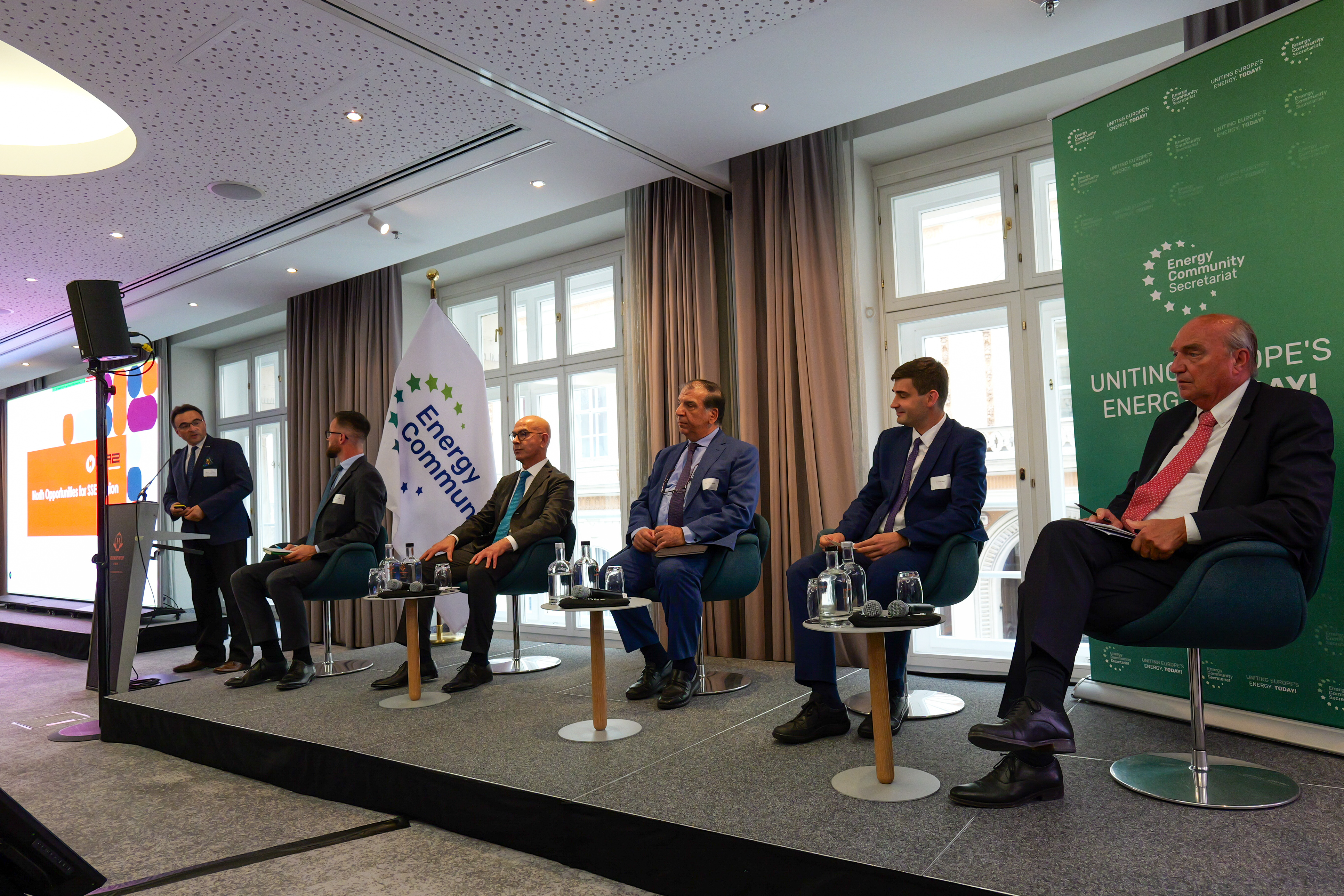
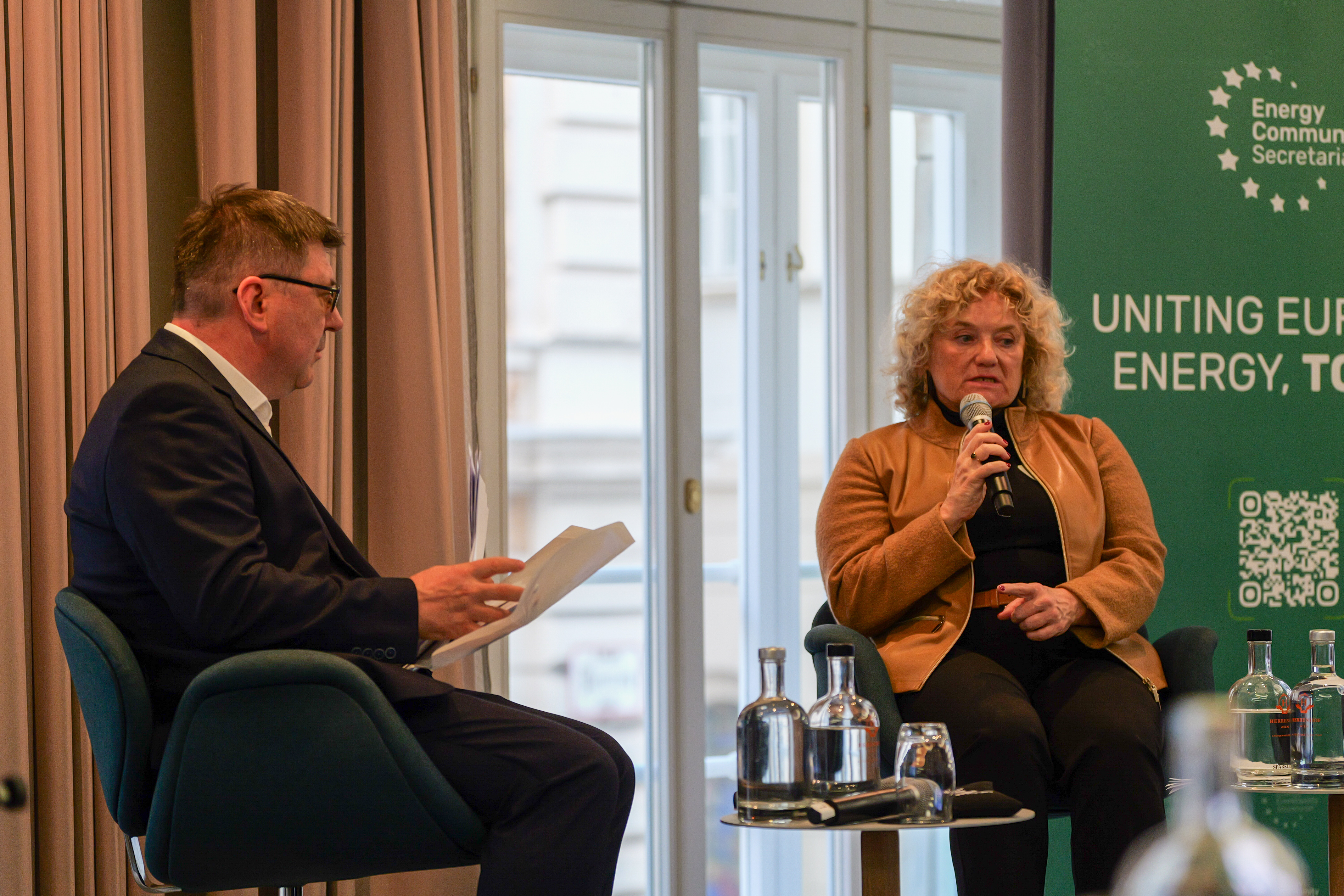
The Energy Community Gas Forum, chaired by the European Commission, brought together regulators, system operators and policymakers to set regional priorities. It pushed for common gas rules across borders, called for coordinated operation of key supply routes and urged the Energy Community's non-EU members to follow the EU's phase-out of Russian gas.
"As disruption becomes routine, fragmentation makes us more vulnerable," said Artur Lorkowski, Director of the Energy Community Secretariat. "Integration now will provide Europe with mutually assured energy security."
Central to that integration is a common EU-Energy Community gas rulebook. The Forum reviewed progress and identified the regulatory and operational gaps that remain at cross-border interconnection points. In August, EU Member States began applying the network codes, the shared rules for cross-border gas trade, at all borders, including those with the Energy Community's non-EU members, which have begun to reciprocate.
In particular, the Gas Forum pushed for closer coordination to turn strategic gas infrastructure into functioning regional supply routes. It welcomed progress towards the commercial operation of the Trans-Balkan Pipeline, recognising its potential to diversify supply and connect markets, including Moldova and Ukraine. With more competitive tariffs expected from October, the Forum called for consistent implementation of EU gas network codes, common rules for pipeline capacity booking and gas balancing, and fair, open access for all users along the route.
Finally, the Forum turned to the region's longer-term gas outlook. With the EU set to phase out Russian gas by 2027, an Energy Community Secretariat study found that security of supply would hold even under worst-case scenarios if Contracting Parties follow the same path. The Forum welcomed progress under REPowerEU and the EU's plan to end dependence on Russian energy, and called on Contracting Parties to align with its goals. The European Commission is currently preparing a potential adaptation of REPowerEU tailored to the Energy Community.