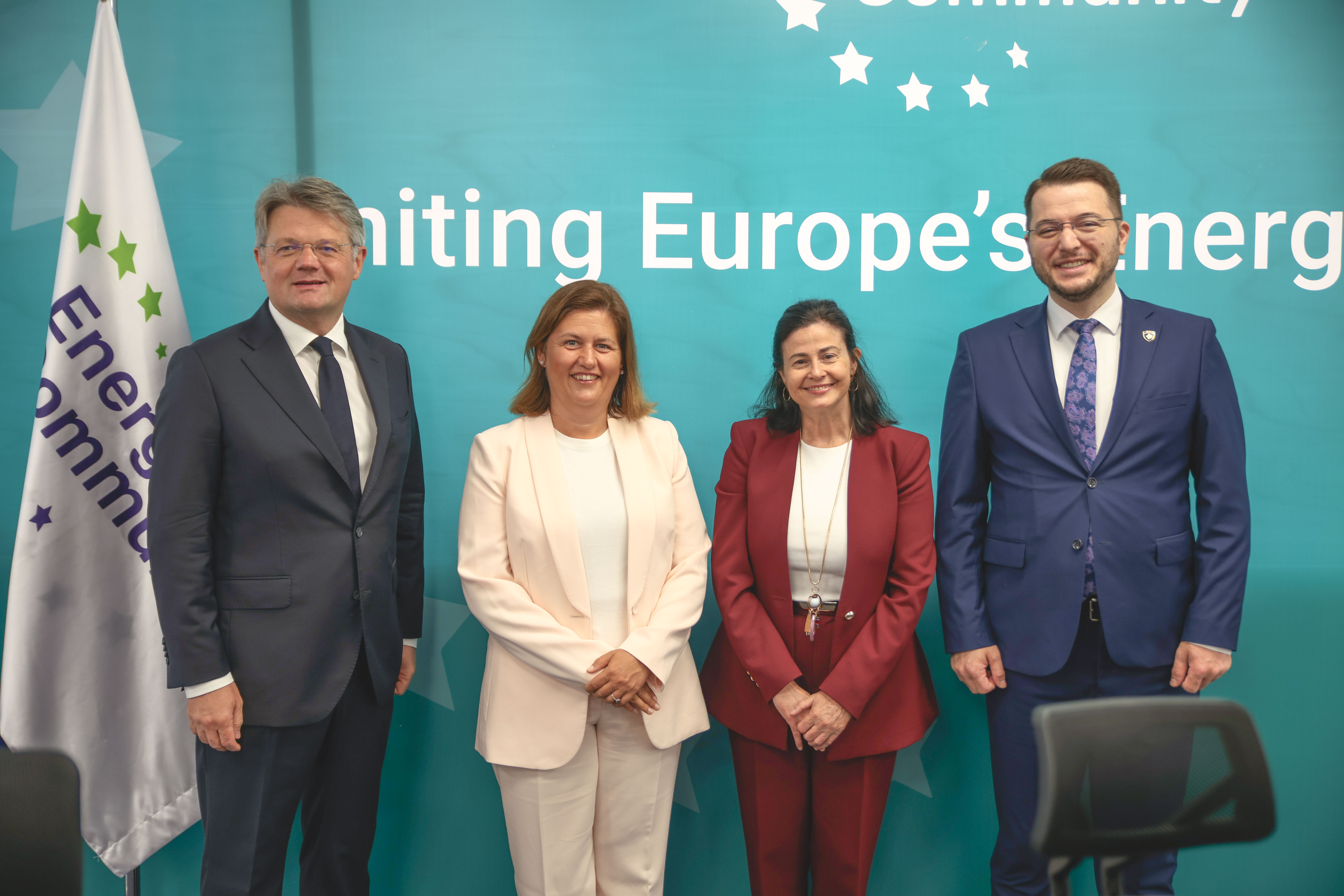

EU market integration, competitiveness, and security of supply drive Energy Community's ministerial meeting in Prishtina
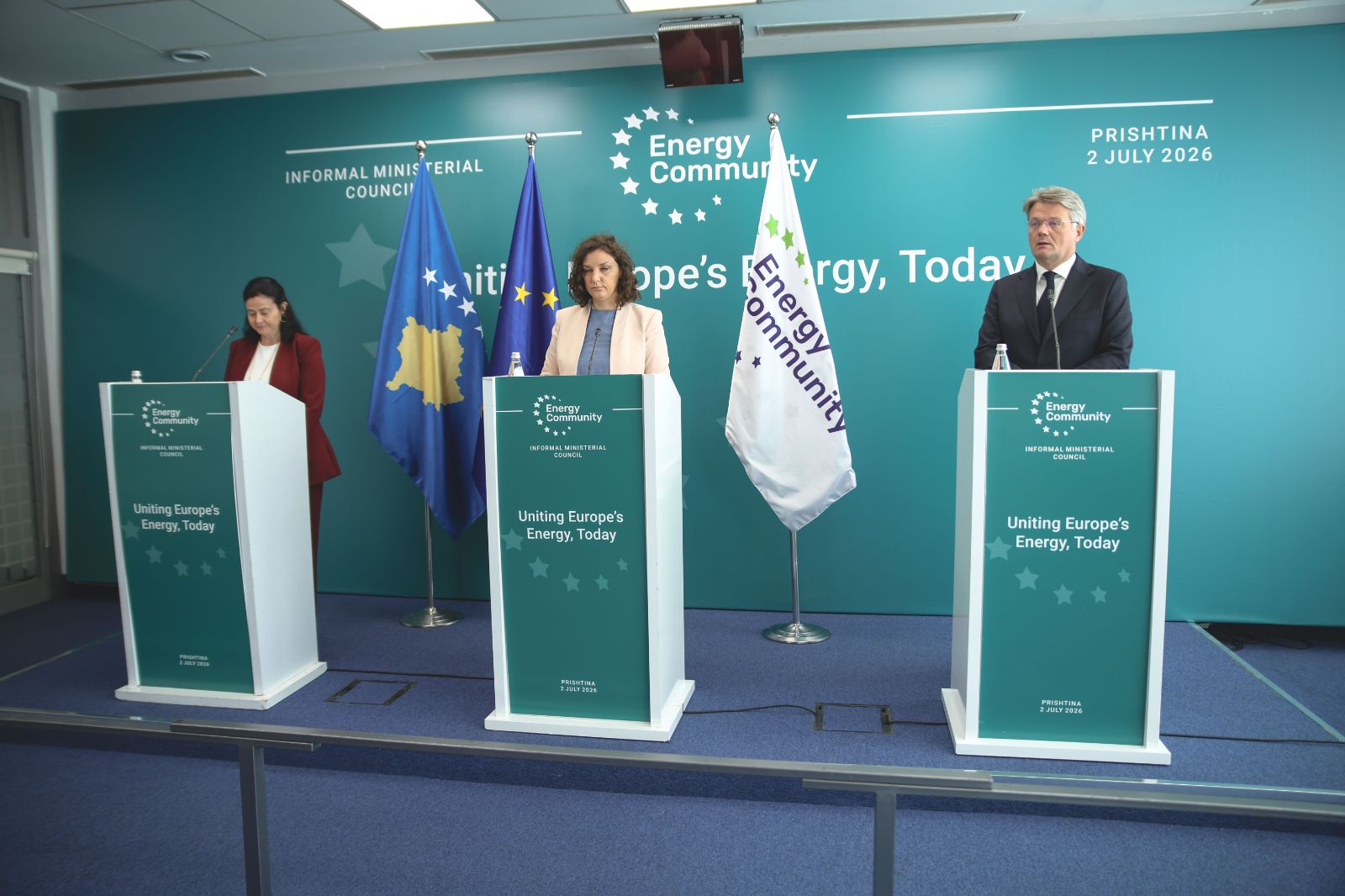
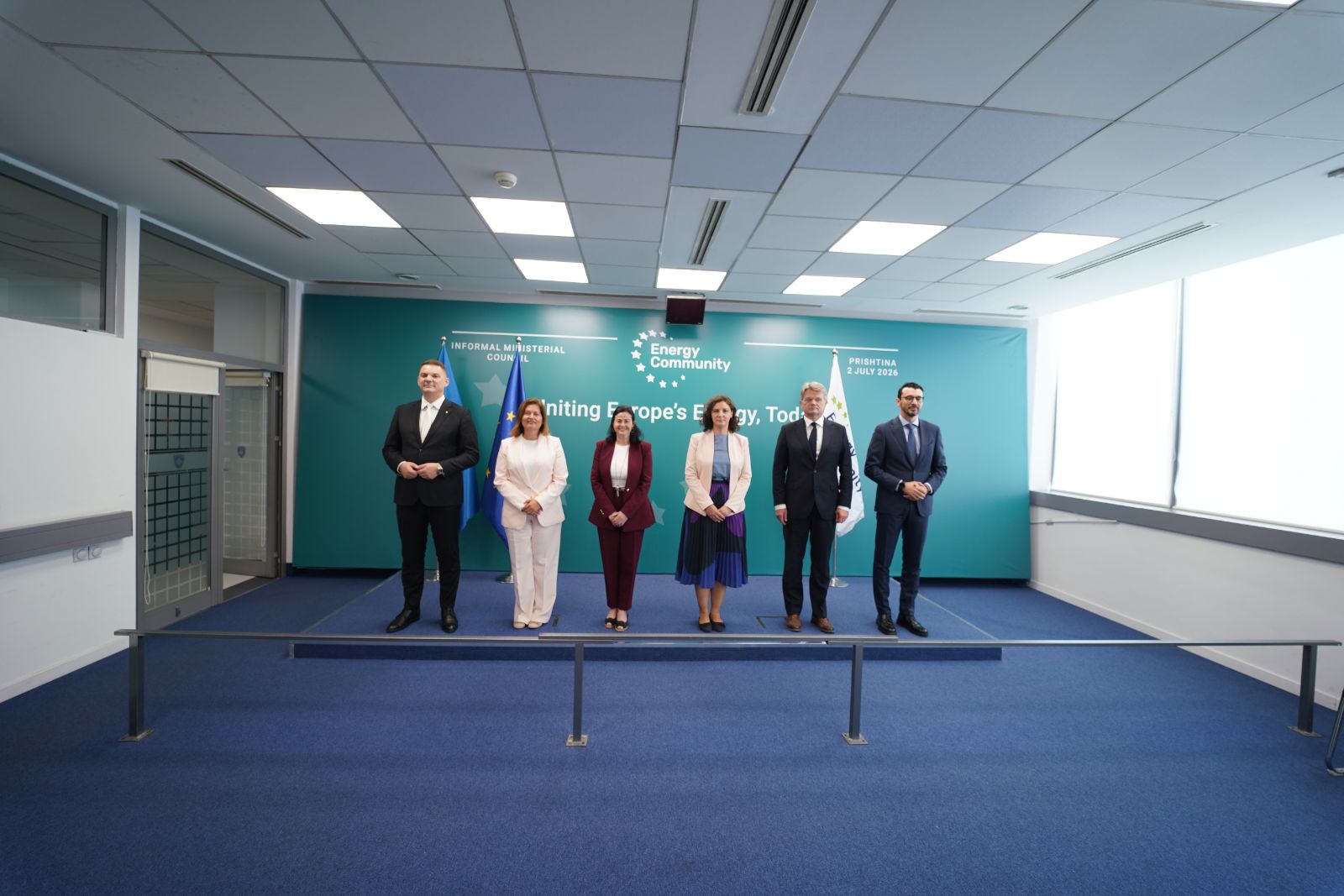
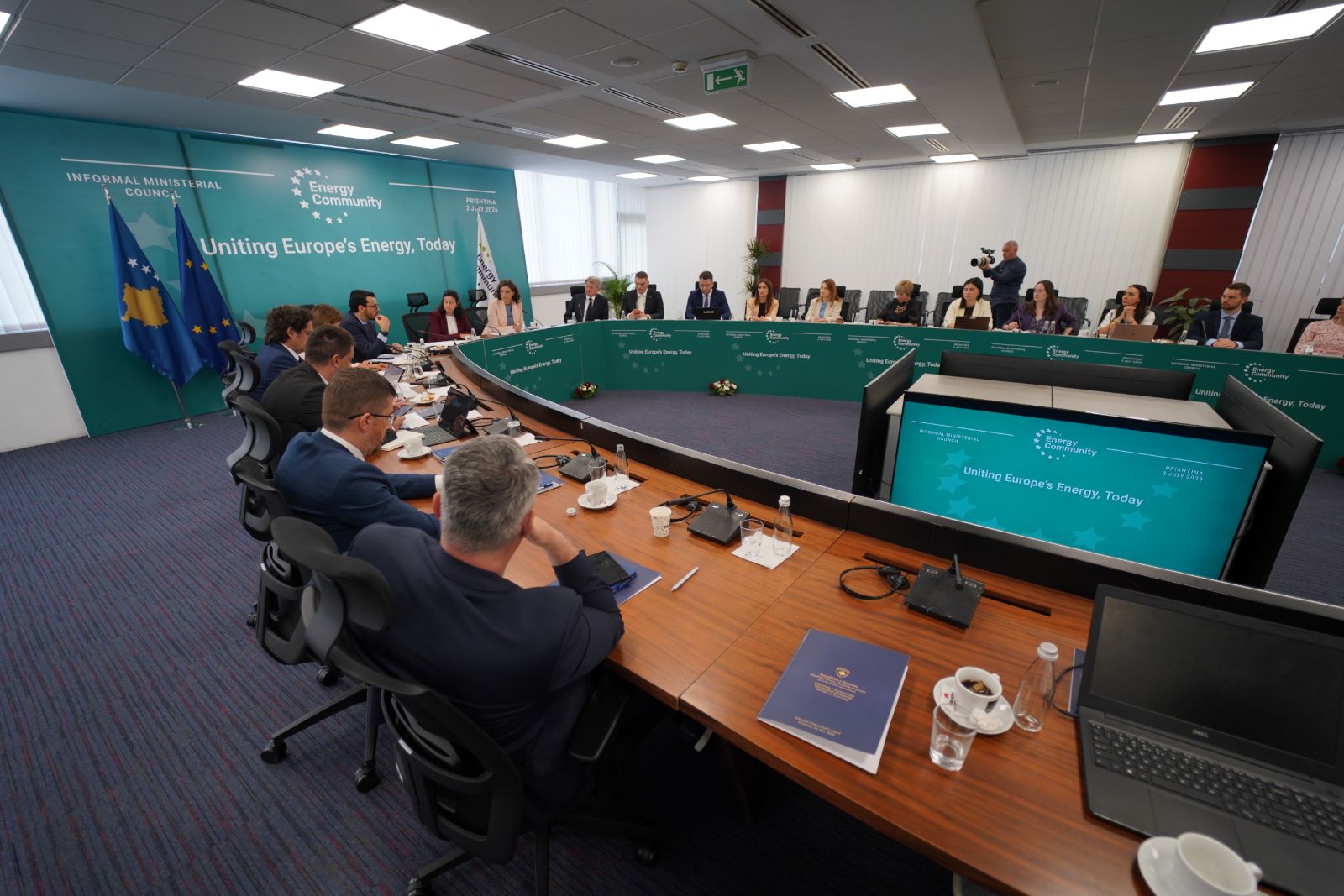
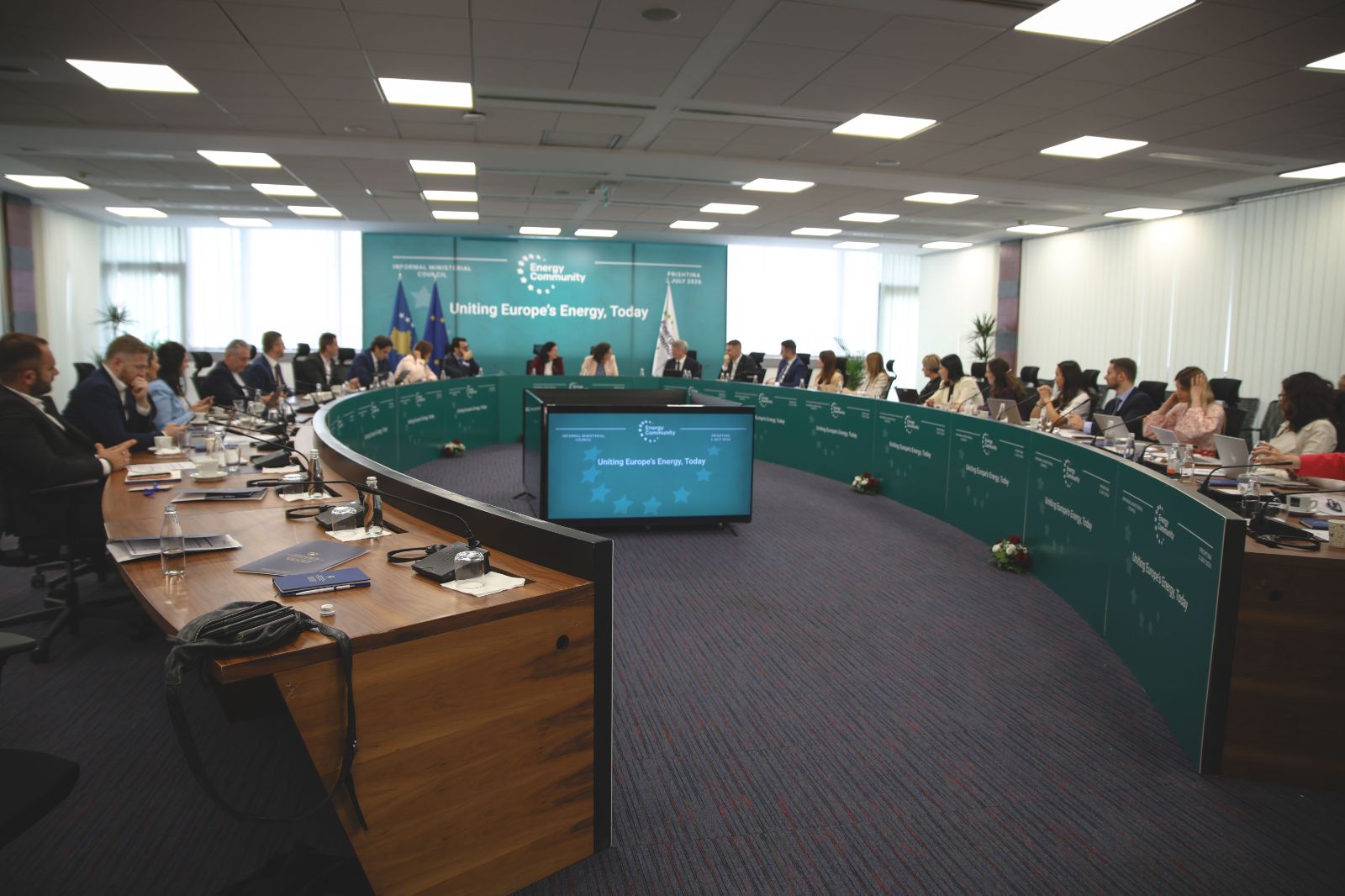
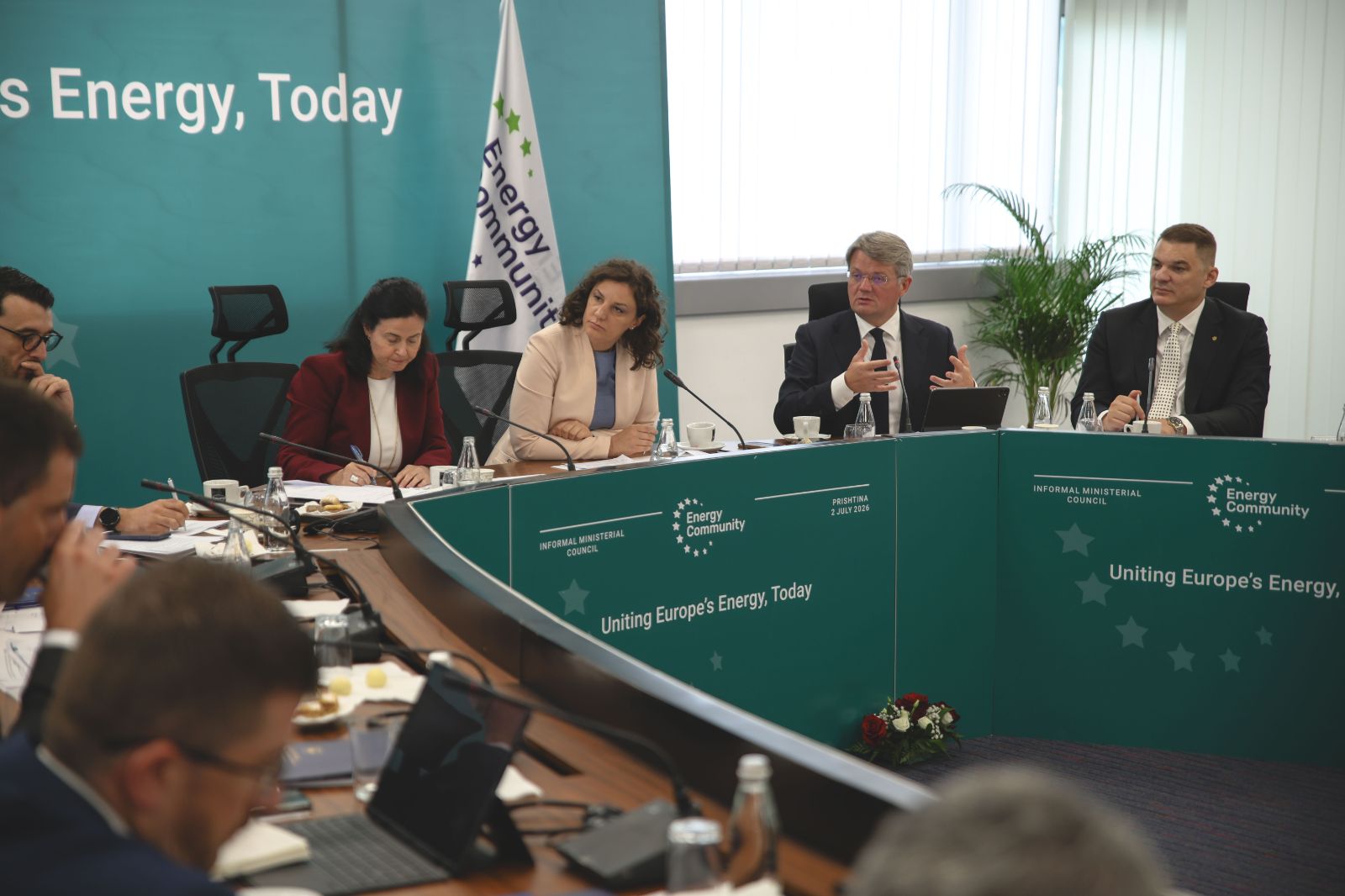
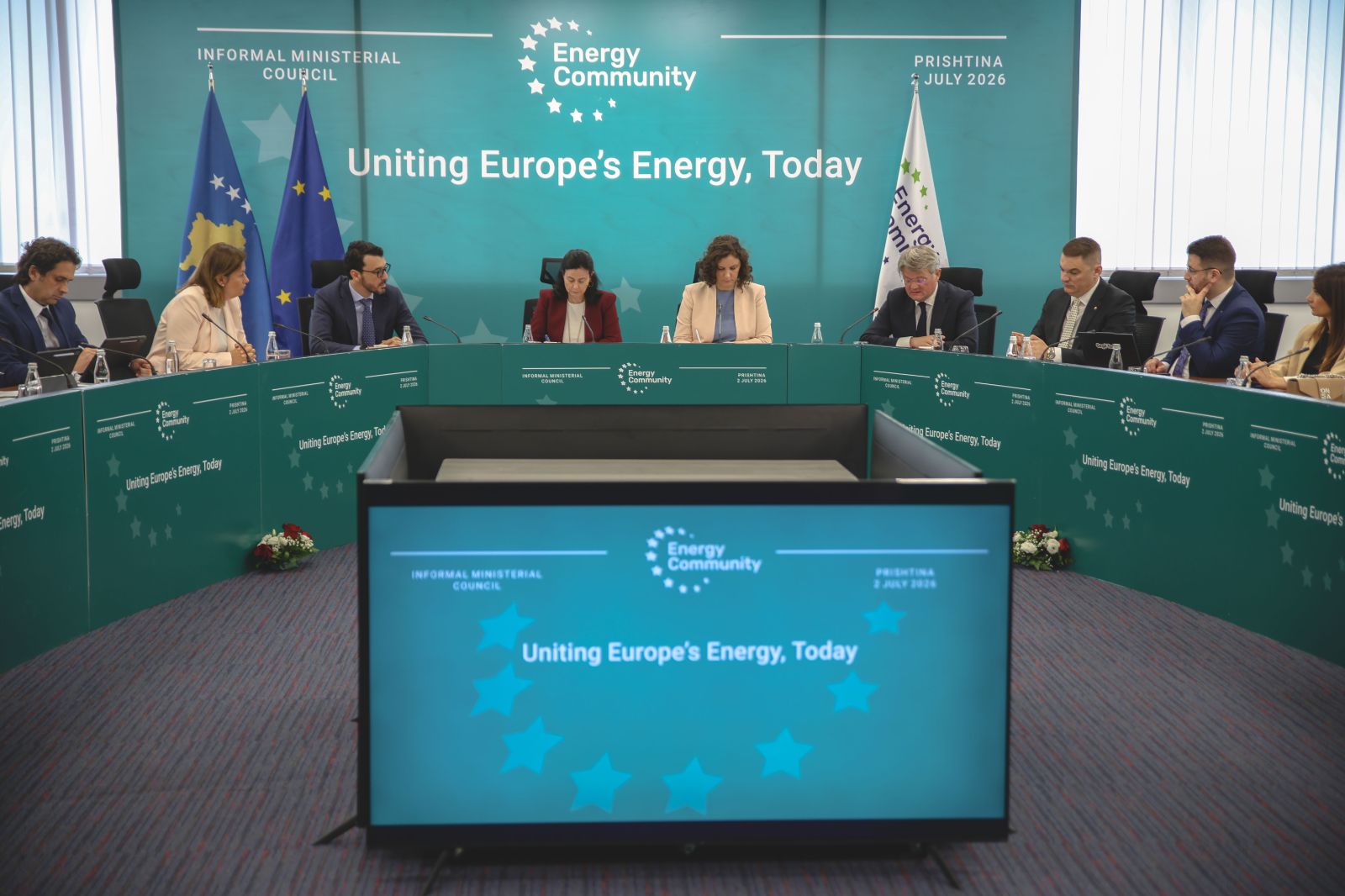
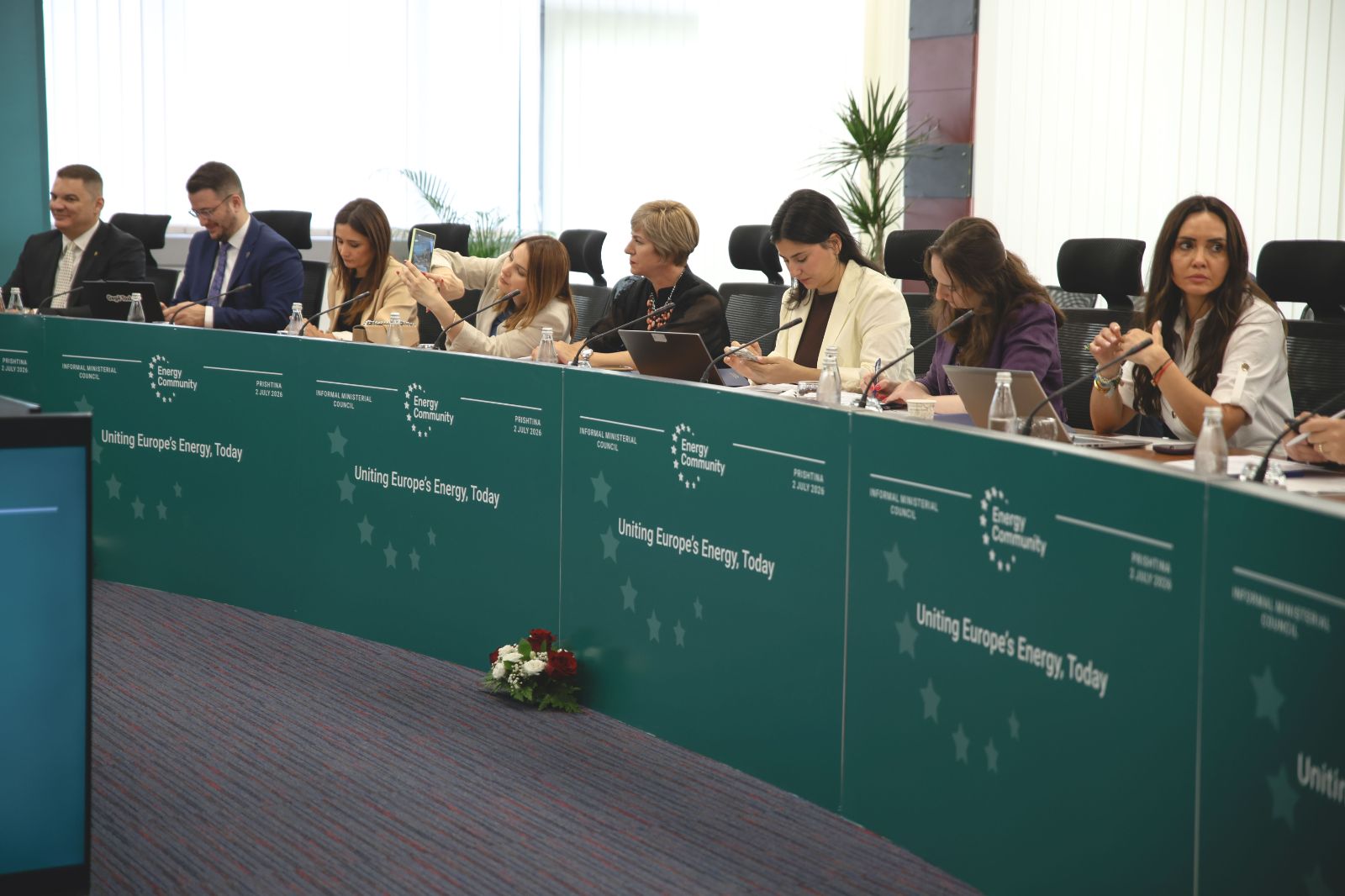
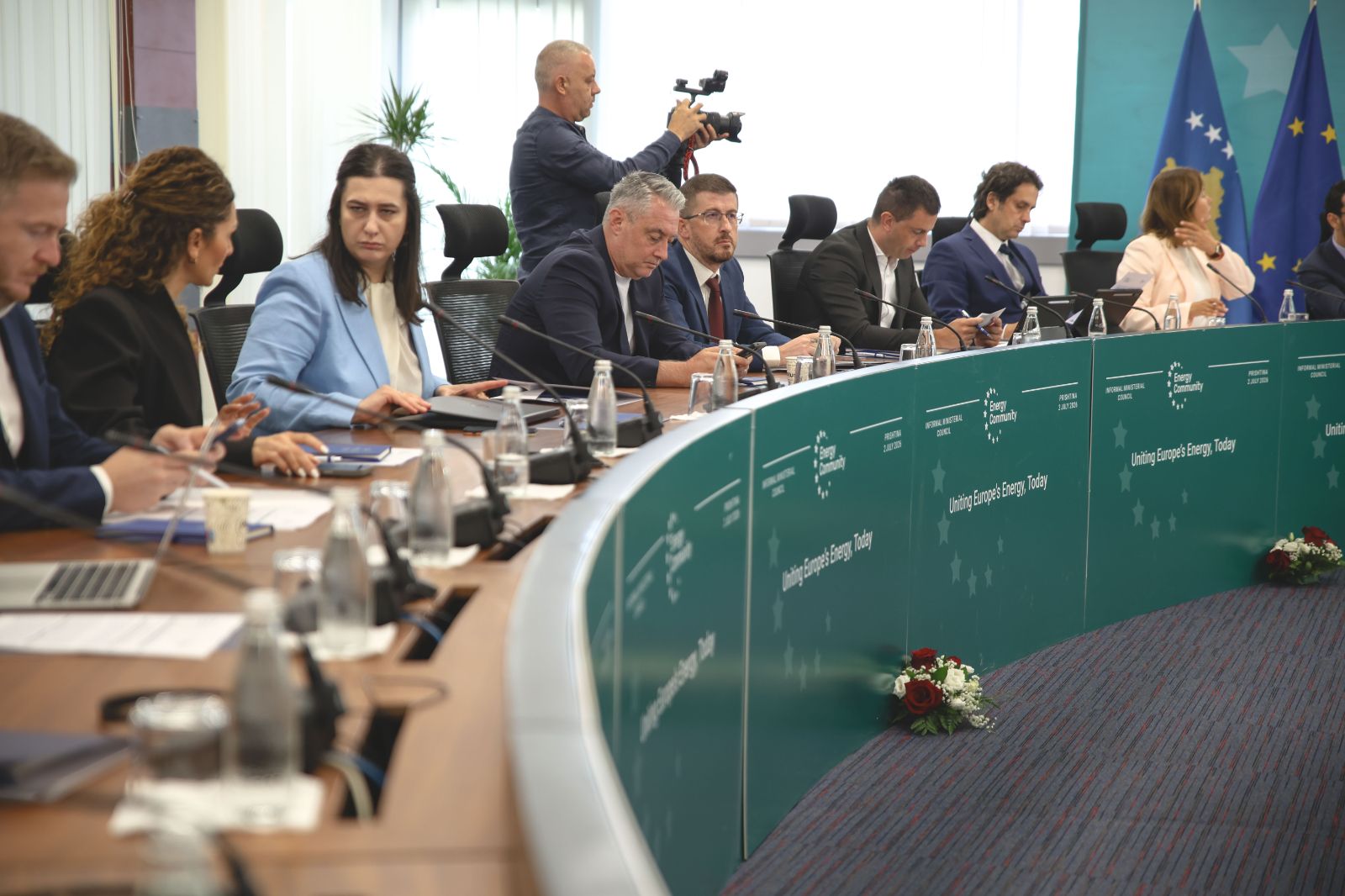
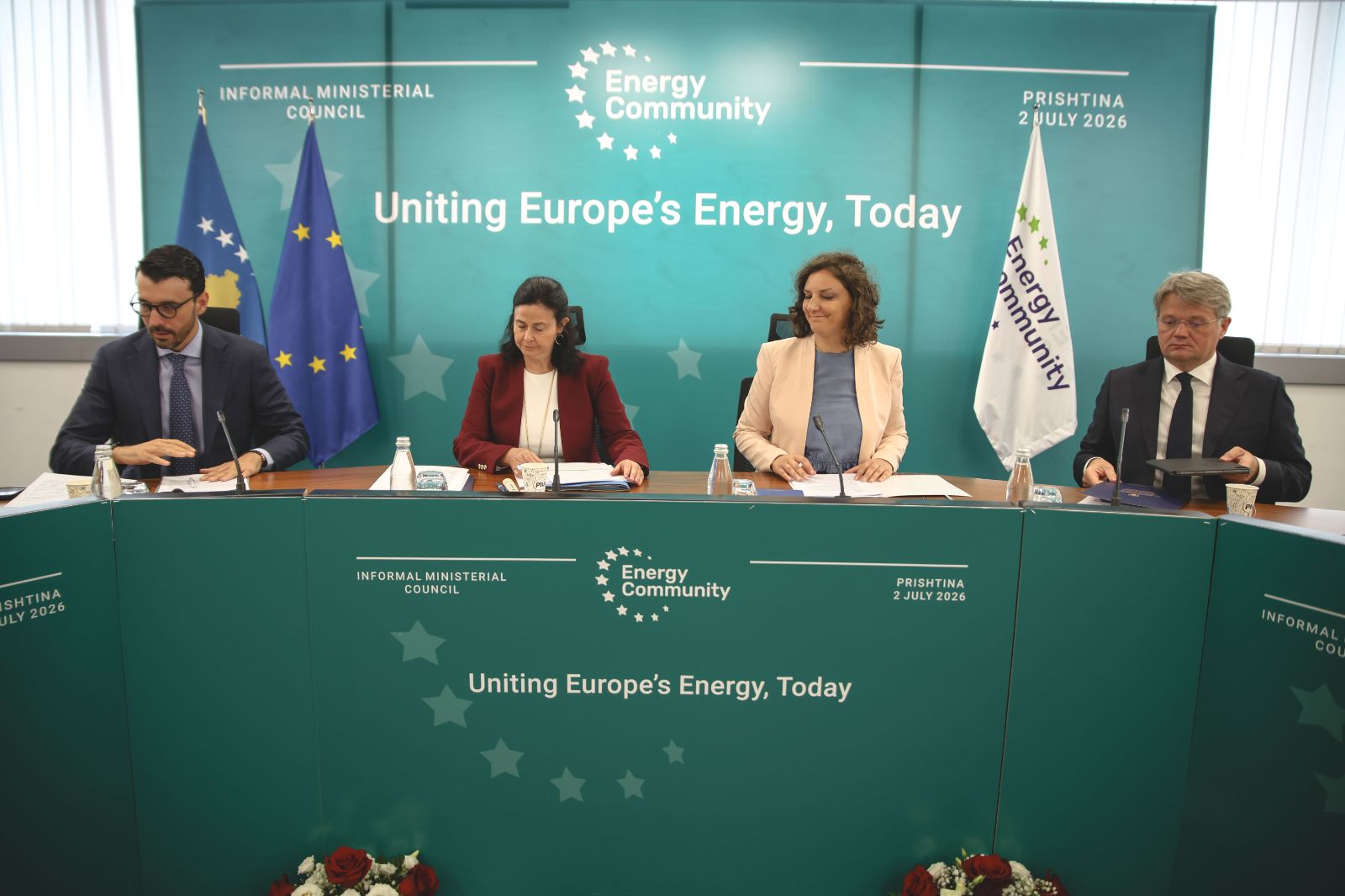
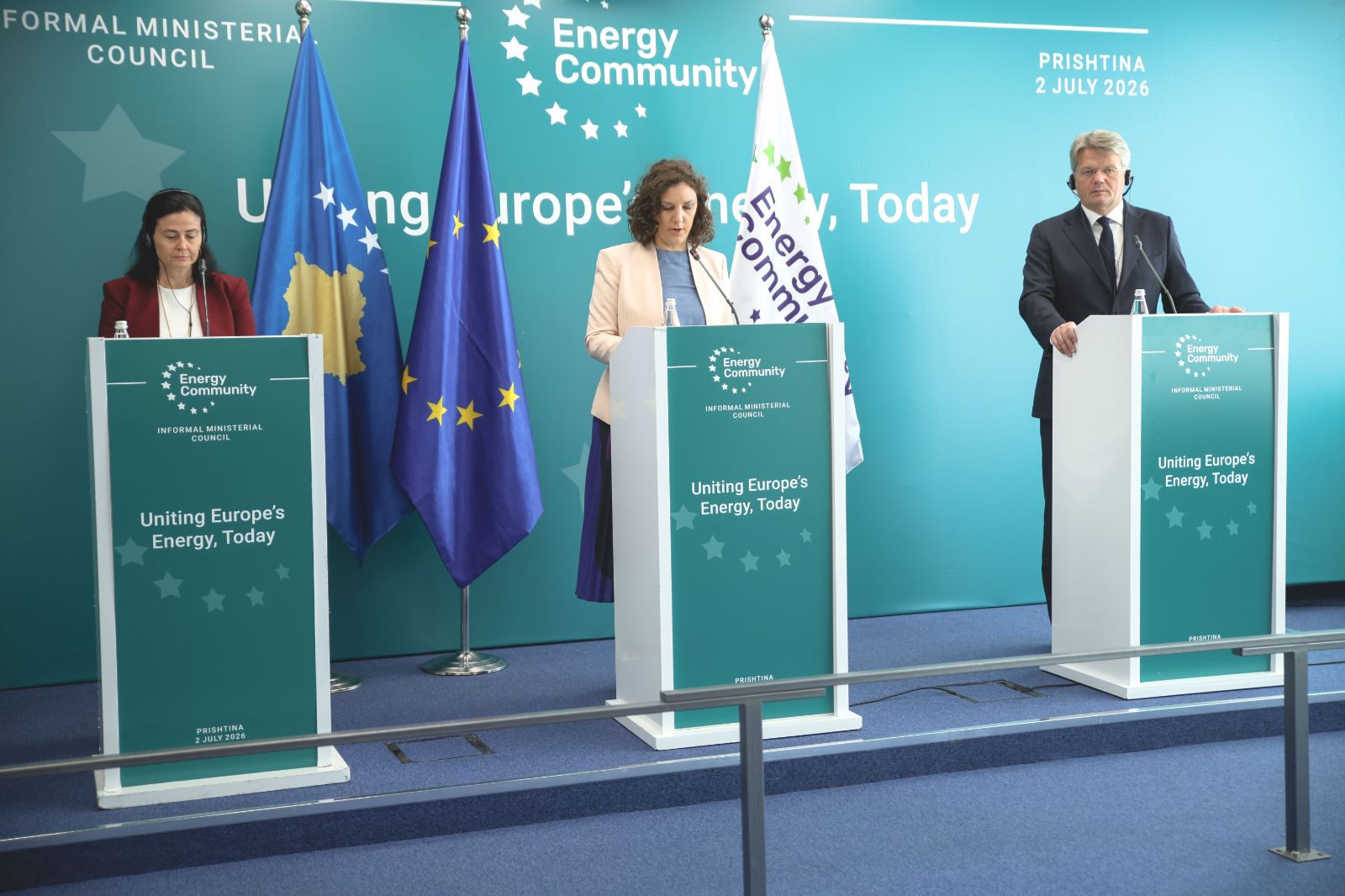
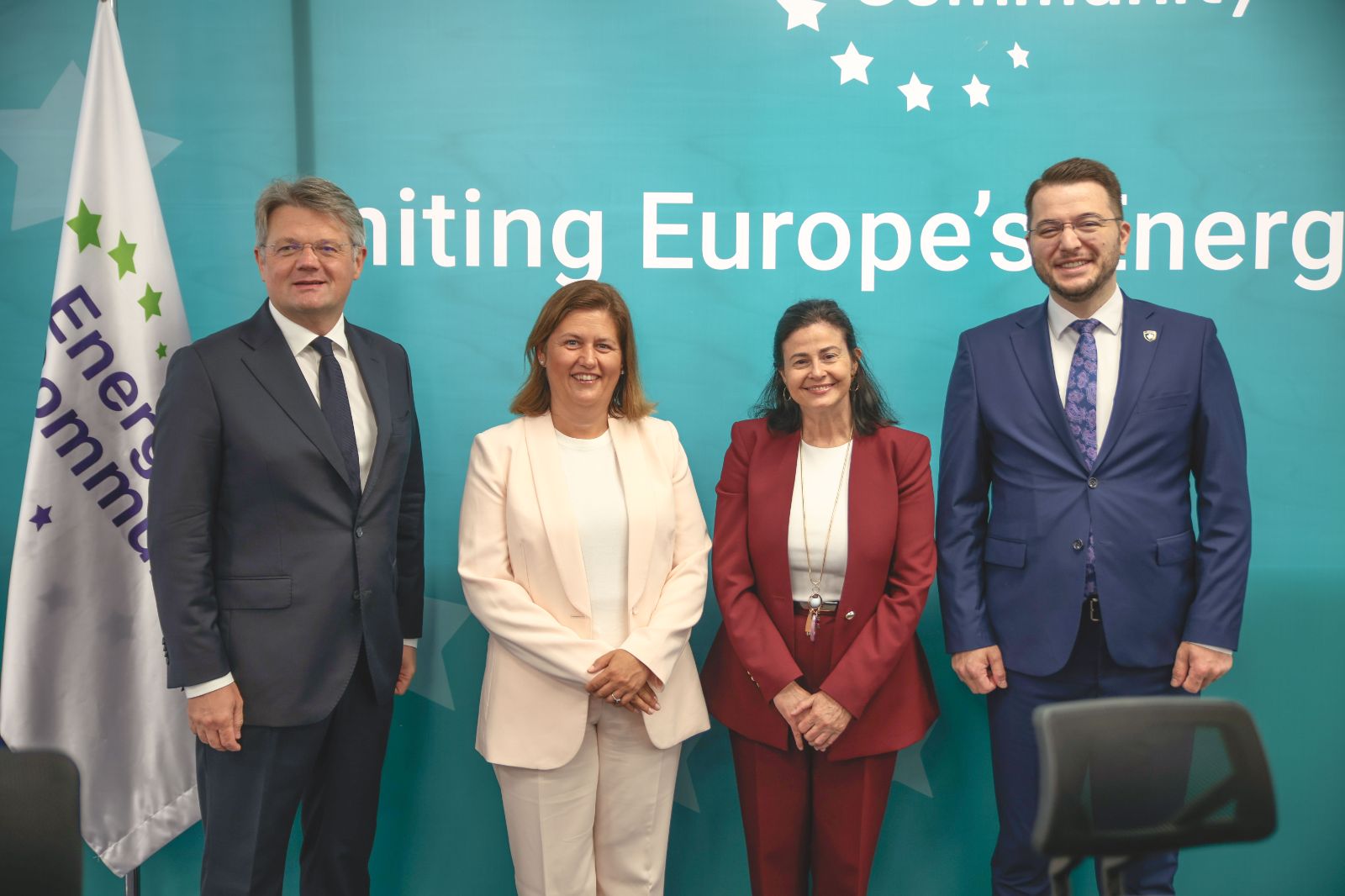
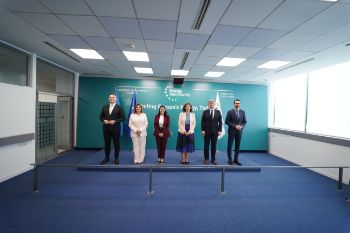
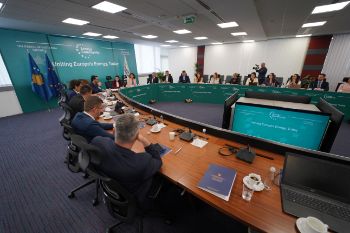
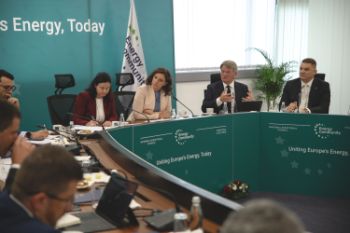
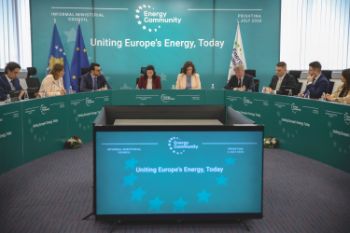
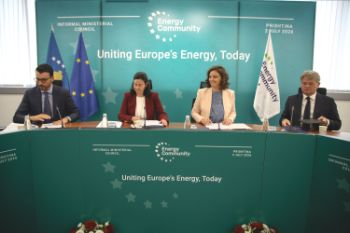
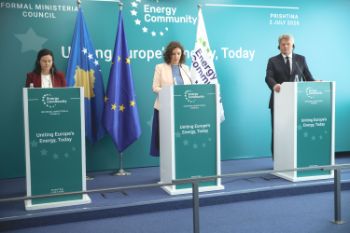
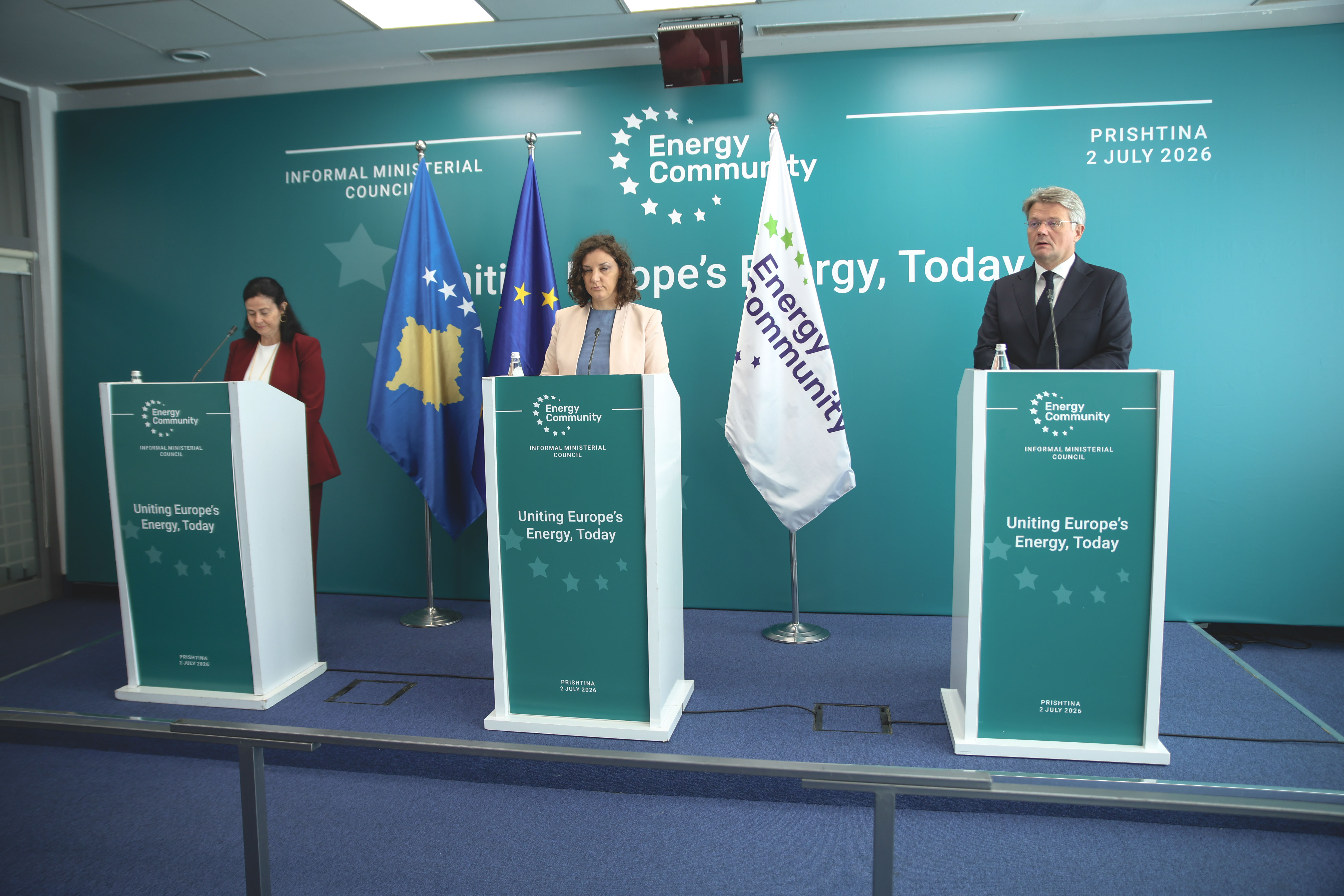
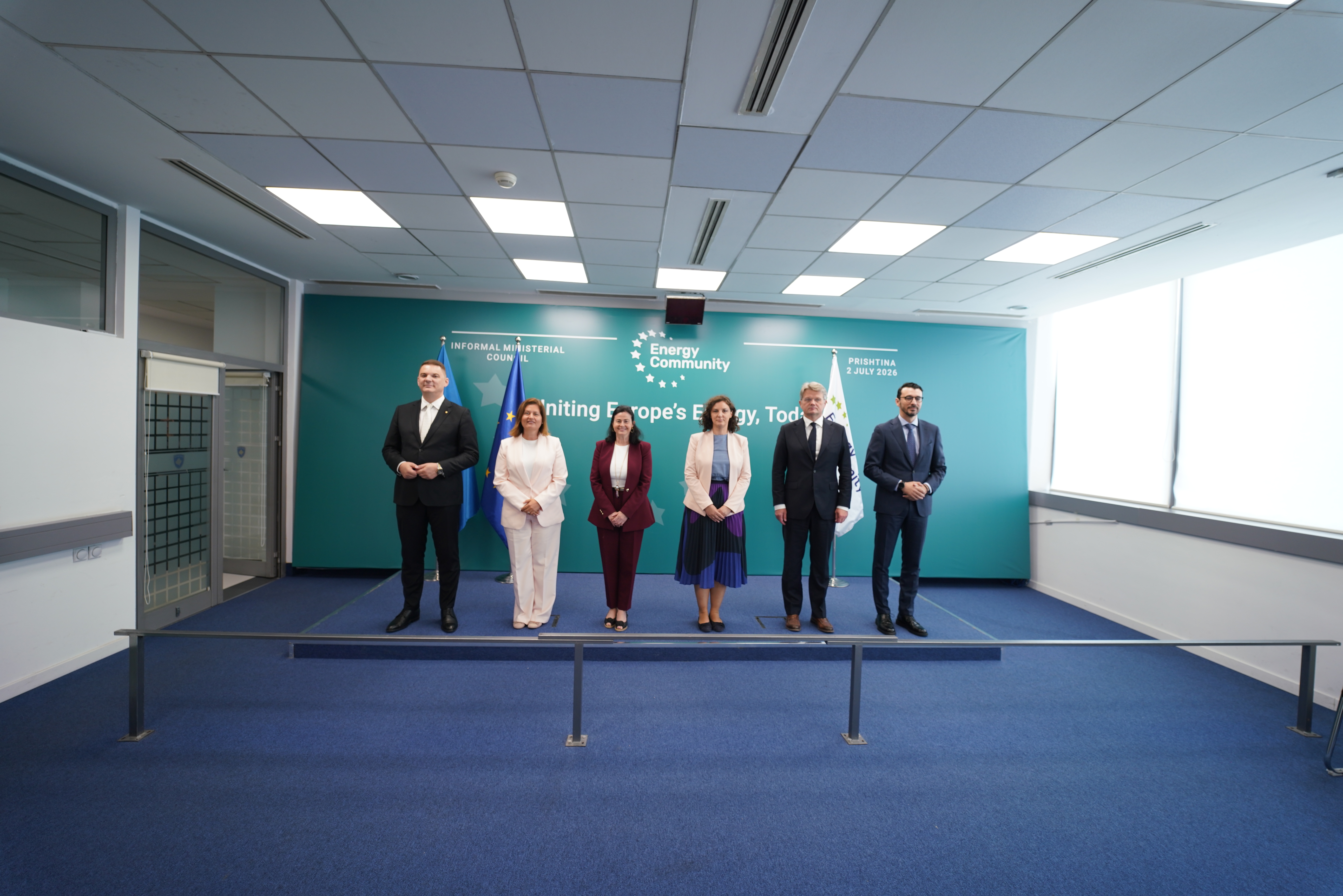
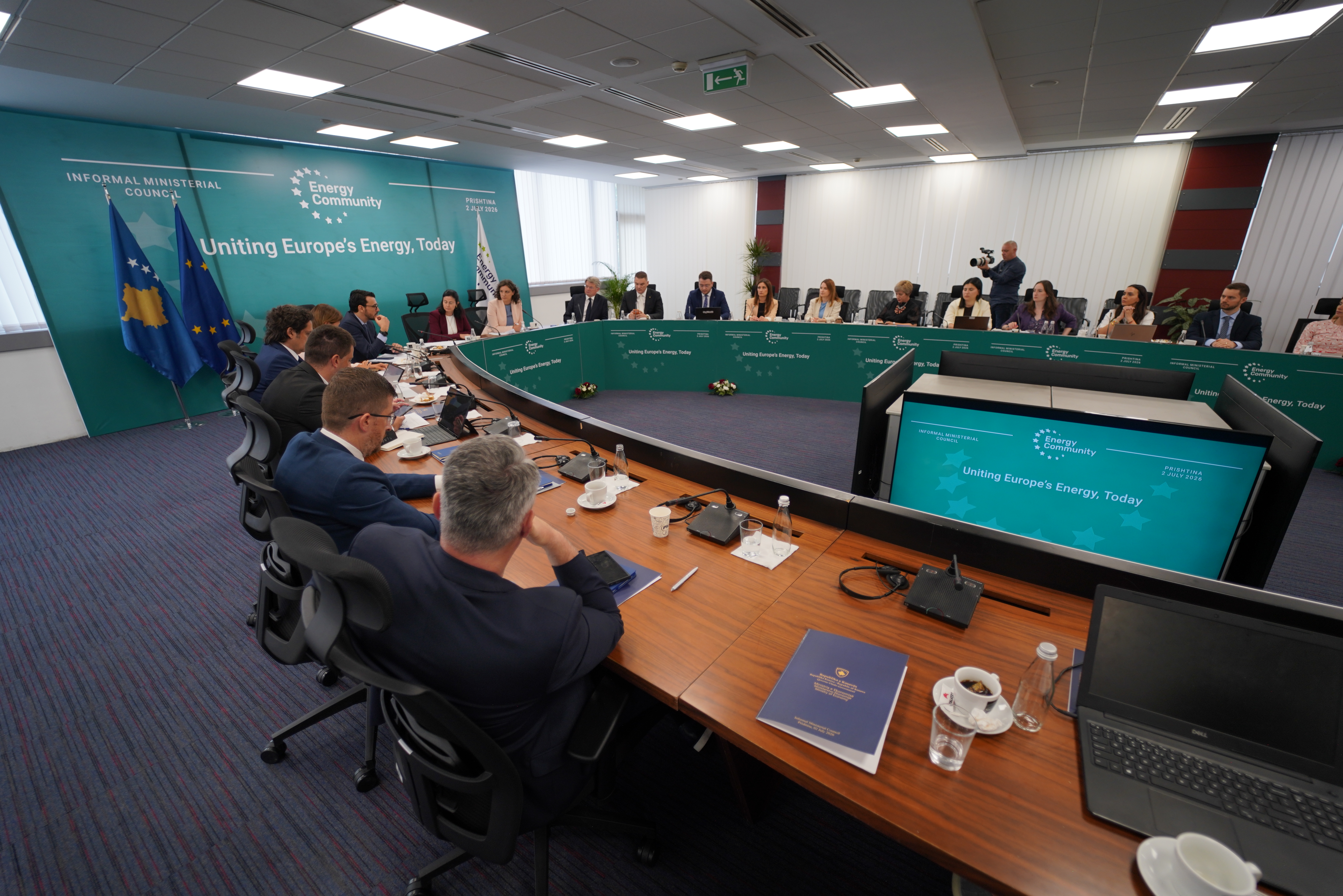
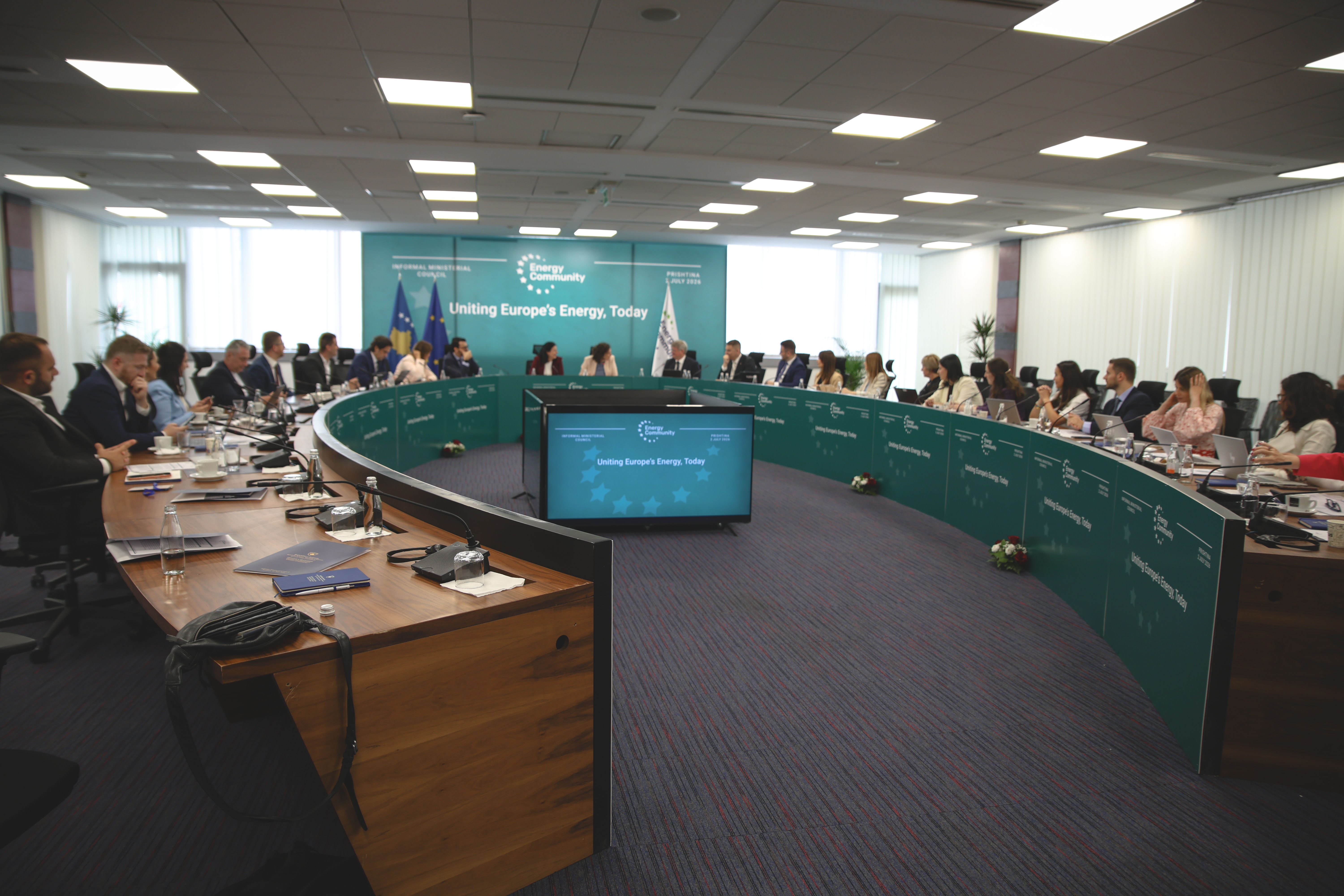
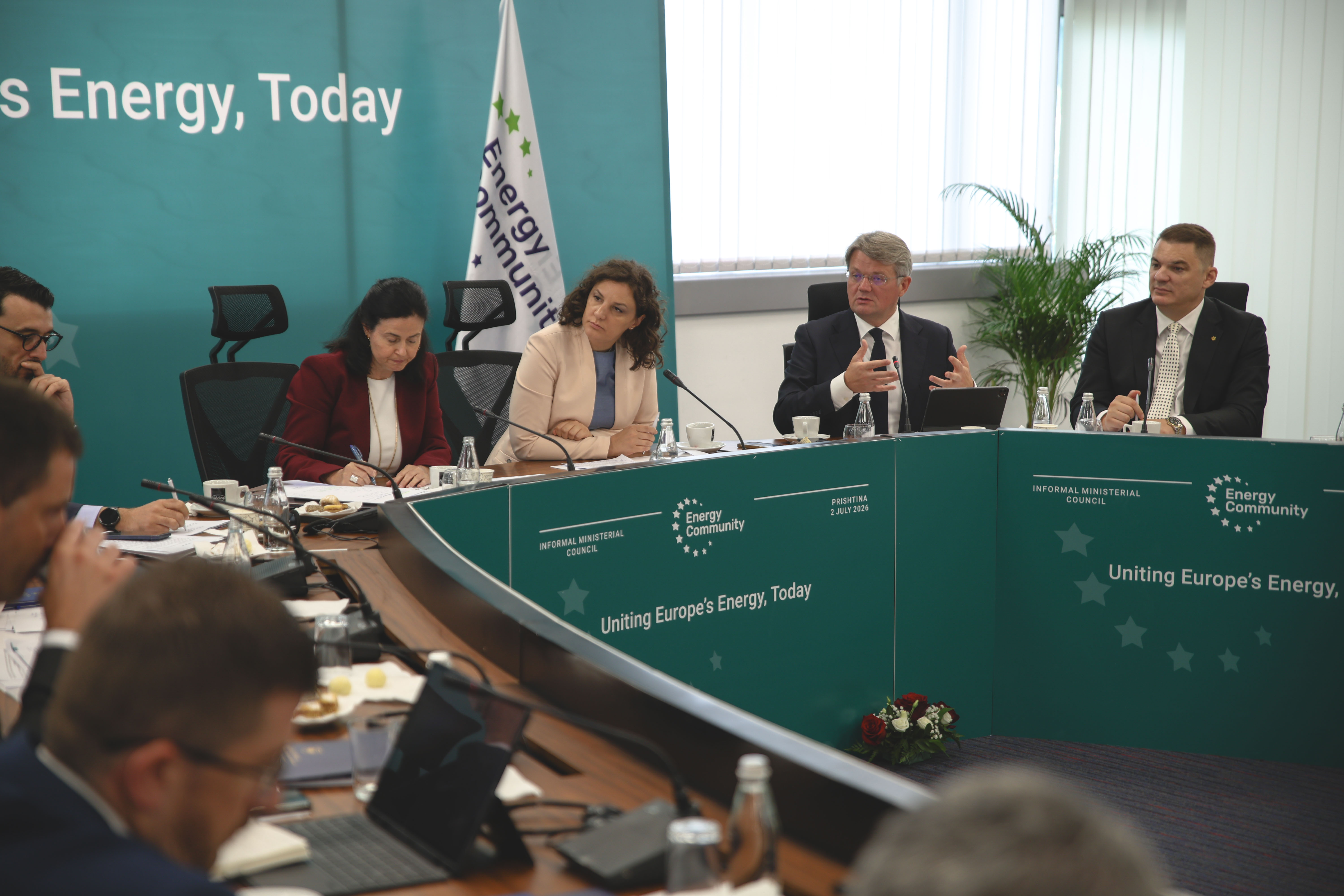
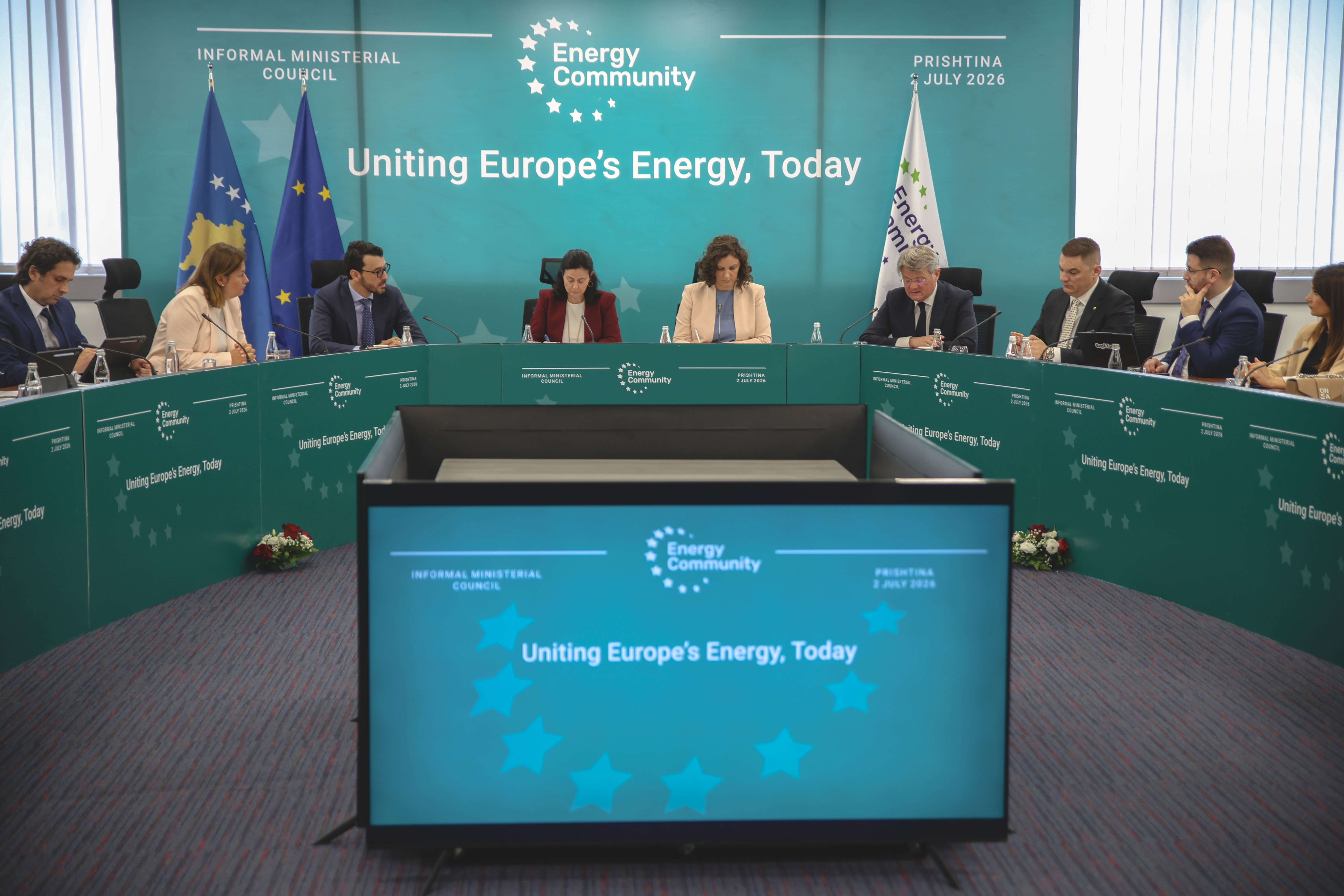
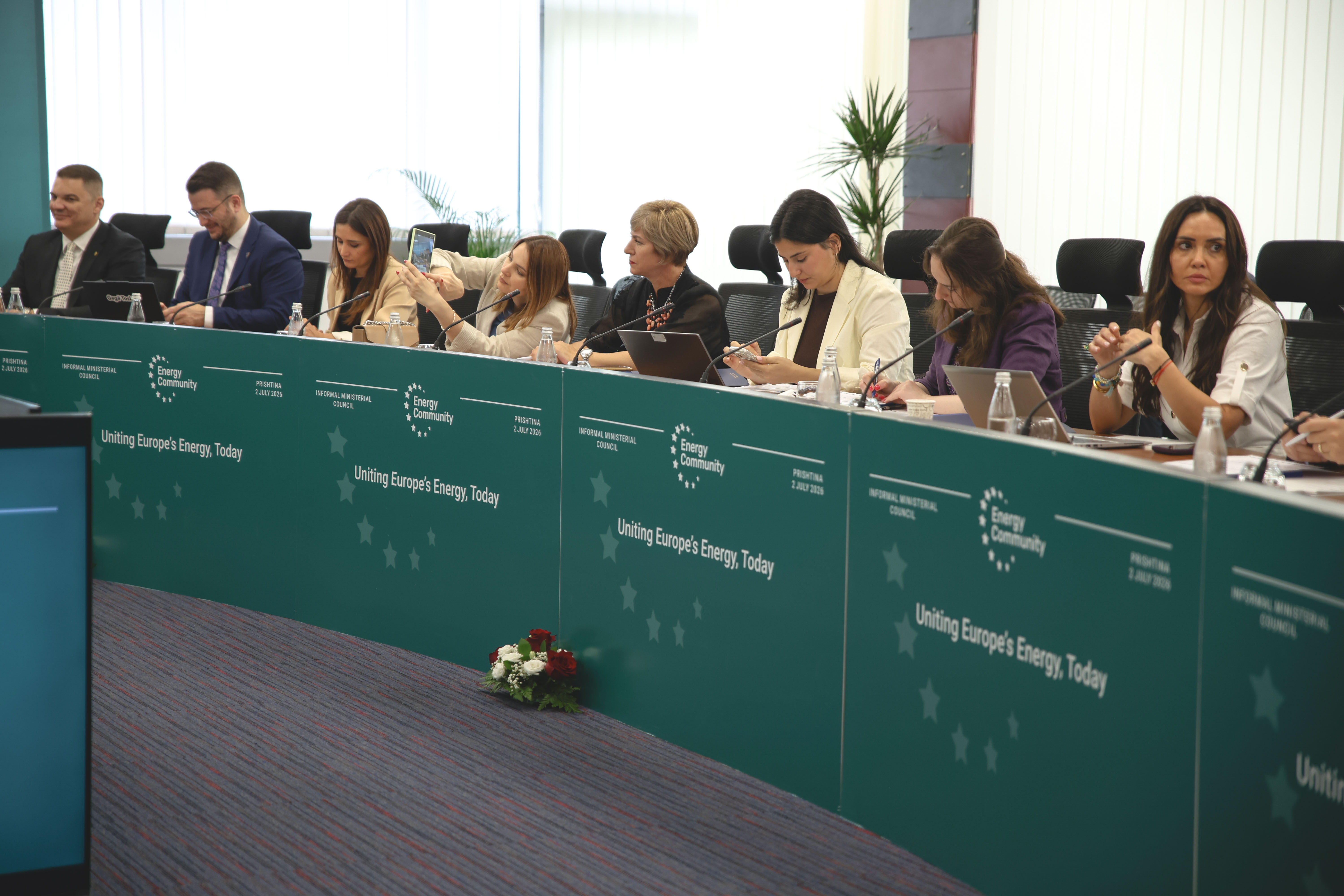
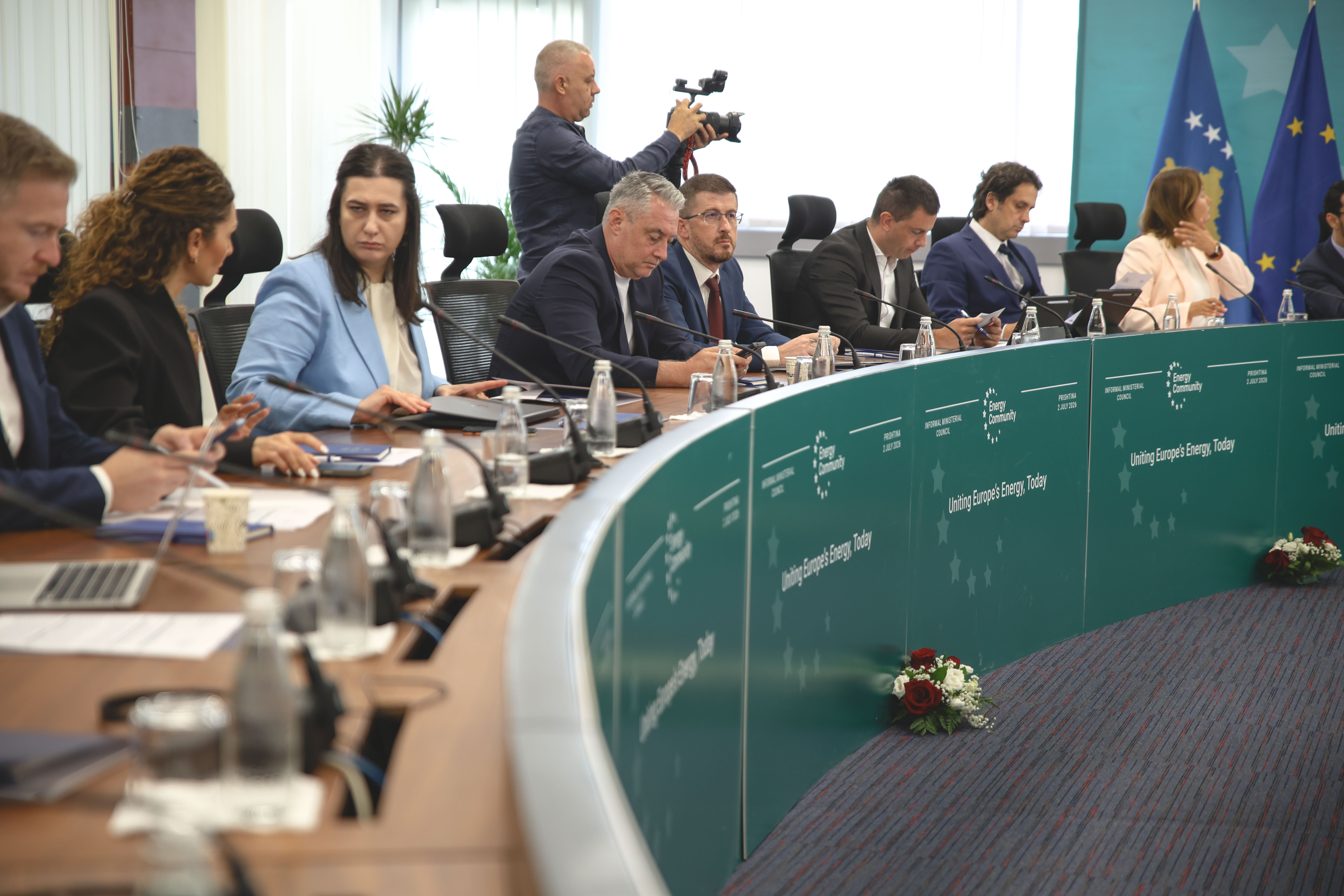
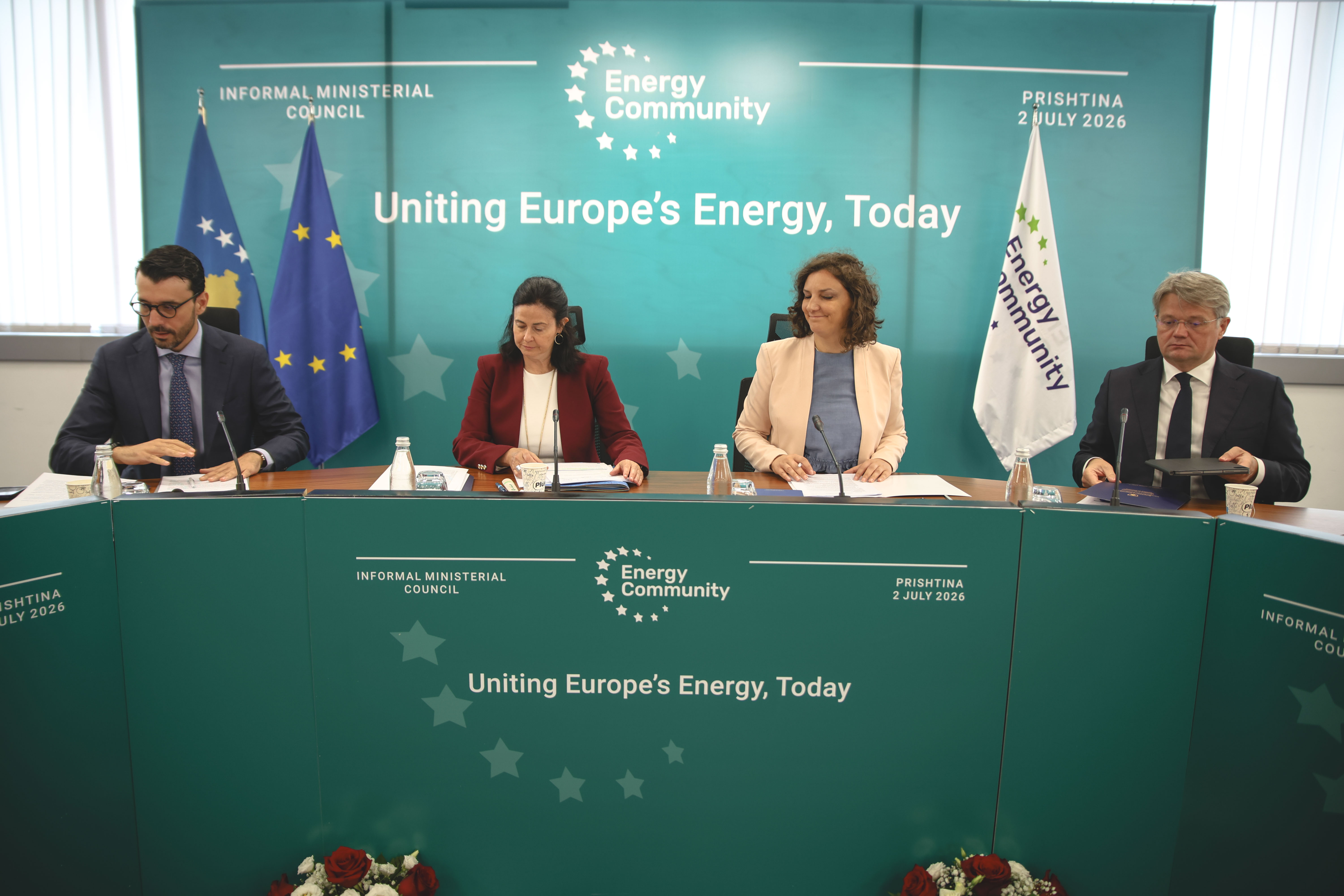
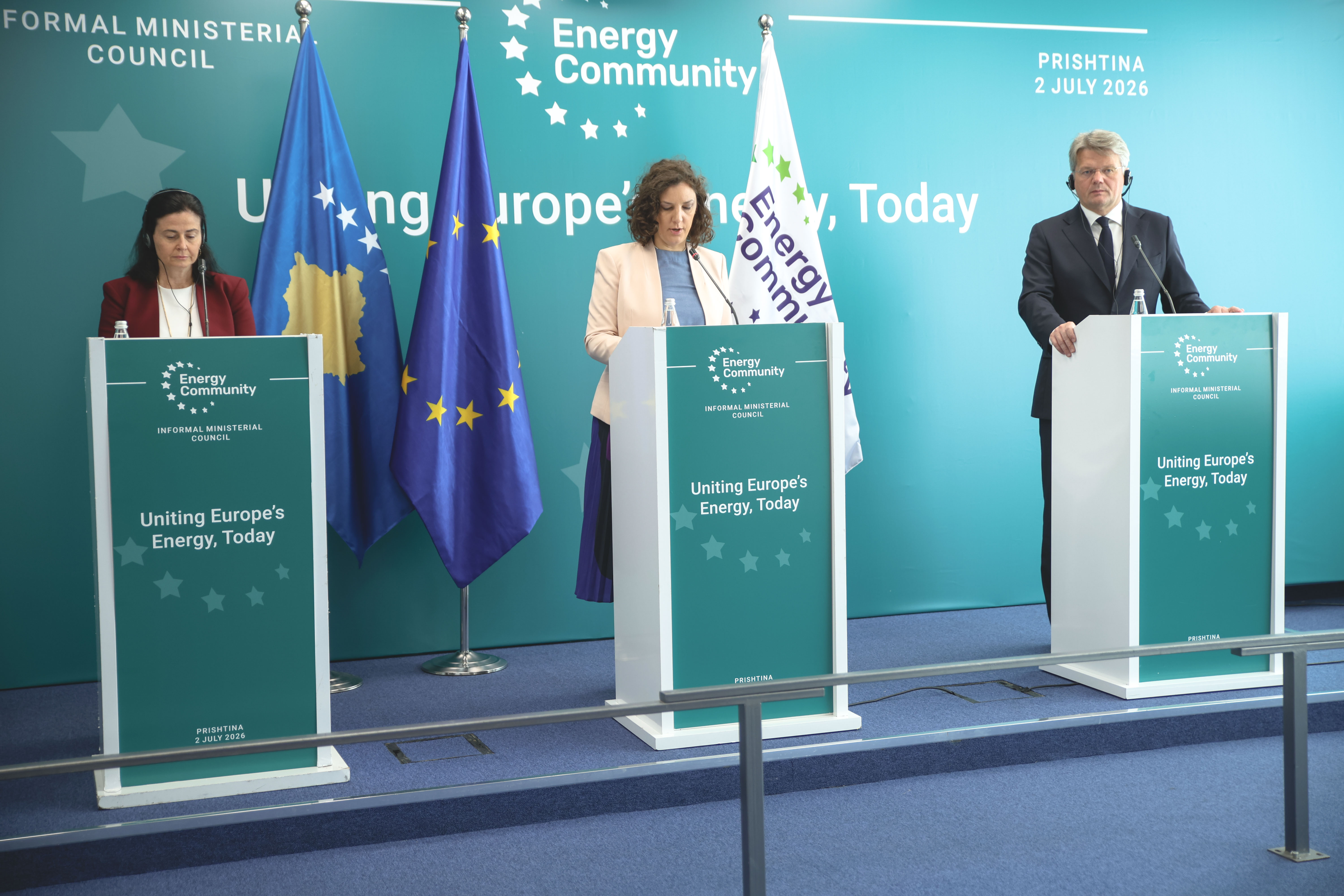
The Energy Community’s highest political decision-making body gathered in Prishtina this week for the Informal Ministerial Council. Hosted by the Ministry of Economy, the meeting brought together ministers of energy from the region.
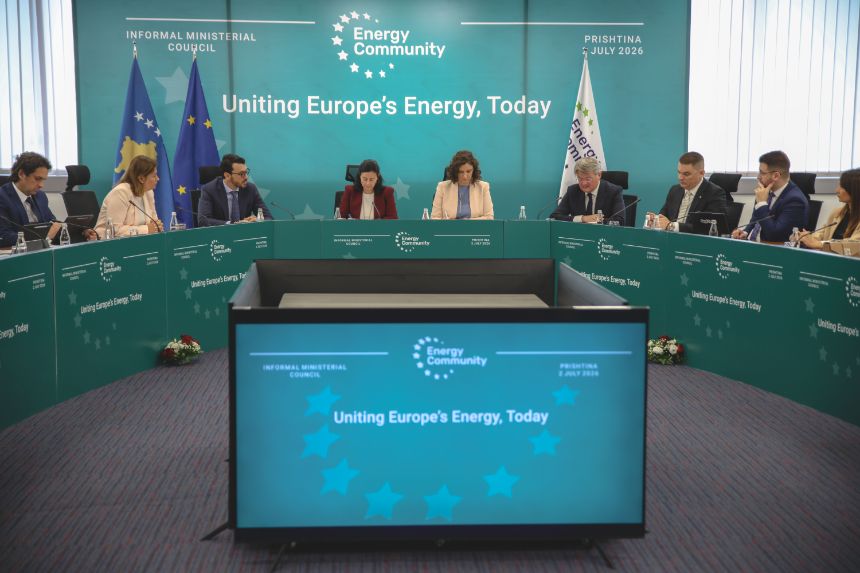
It set the stage for the prioritisation of initiatives shaping the region’s trajectory towards accelerated energy integration with the European Union. Discussions this year took on added significance against the backdrop of Europe's ongoing response to recent energy shocks, with security of supply and competitiveness emerging as central themes driving EU–Energy Community integration efforts.
“We have taken over the Presidency of the Energy Community with a clear commitment: to support decisions that increase security of supply, accelerate integration with the European Union, and protect the affordability of energy for our citizens and businesses. The challenges before us are regional, and so must be the solutions,” affirmed Minister of Economy, Dr. Artane Rizvanolli.
“We are advancing one of the Union's most strategic priorities: EU enlargement – not only a political objective, but a geostrategic investment in Europe’s peace, stability and security. And closely linked to this, accelerating the integration of the Energy Community Contracting Parties in the EU’s single energy market, bringing our partners closer to the European Union,” said Yolanda Garcia Mezquita, Head of Unit, DG ENER.
With legislative convergence in both gas and electricity sectors increasingly within reach, the Ministers turned to the policy and regulatory questions that will define the region's role as an integrated EU energy partner. In electricity, as many Contracting Parties approach completion of transposition of the Electricity Integration Package, the region is moving closer to coupling with the EU single electricity market.
Getting ahead of that milestone through a coordinated regional electrification effort could significantly enhance the Energy Community's weight within Europe's energy order. The conditions for such an effort are, in many respects, already in place — the region benefits from comparatively competitive electricity prices and substantial renewable potential, both of which make a compelling case for pushing electrification in sectors like heating and transport.
"Electrification is our pre-accession advantage — and we should use it," said Energy Community Secretariat Director Artur Lorkowski. "By moving collectively on heating and transport now, we will build economies grounded in access to homegrown and affordable energy."
In gas, as EU Member States will be required to apply cross-border network codes at all borders from 5 August, a parallel push toward mutual application by Energy Community Contracting Parties is helping create the conditions for more predictable and diversified gas flows. Such regulatory alignment will be particularly important as preparations advance for the potential adaptation of REPowerEU within the Energy Community framework. Against this backdrop, the Secretariat has commissioned a study assessing the implications of a Russian gas phase-out in the region which suggests this need not come at the cost of either security of supply or affordability.