
 Ukraine
As Ukraine fortifies its energy system, deeper EU integration can become a second line of resilience
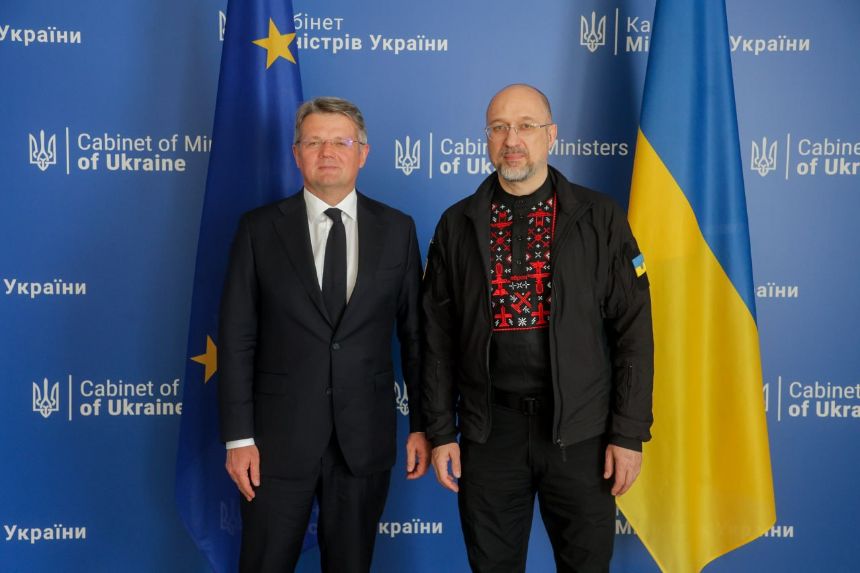
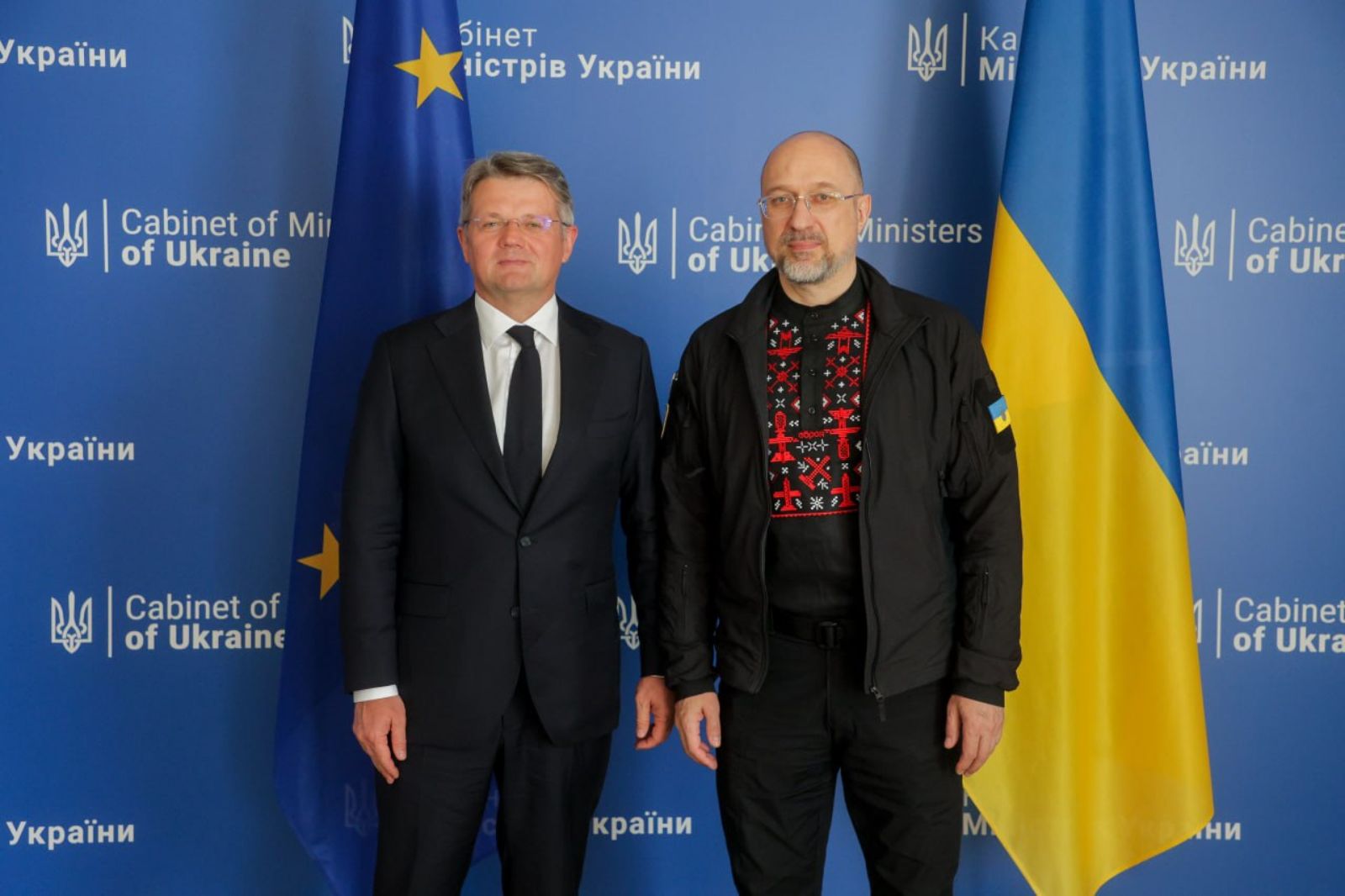
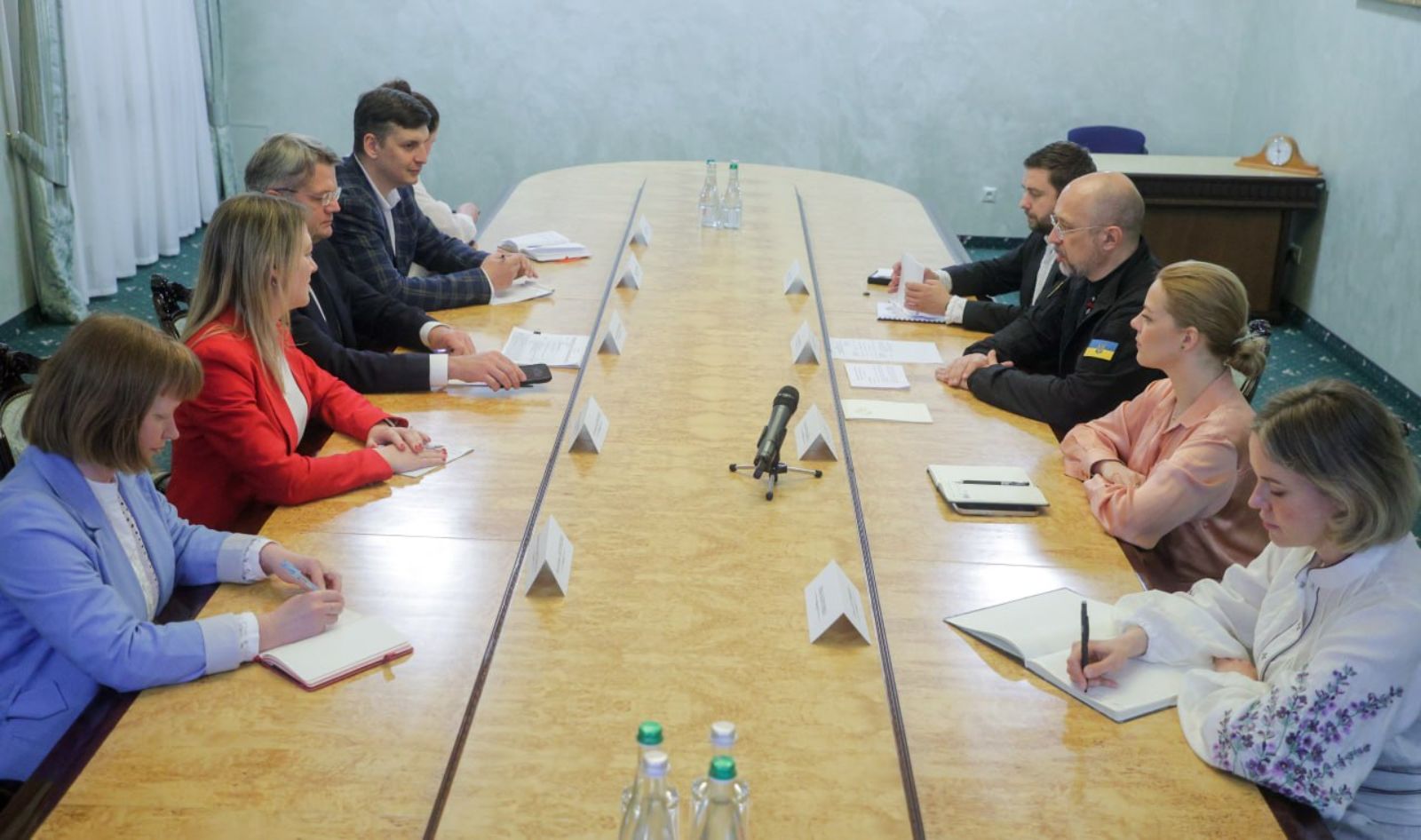
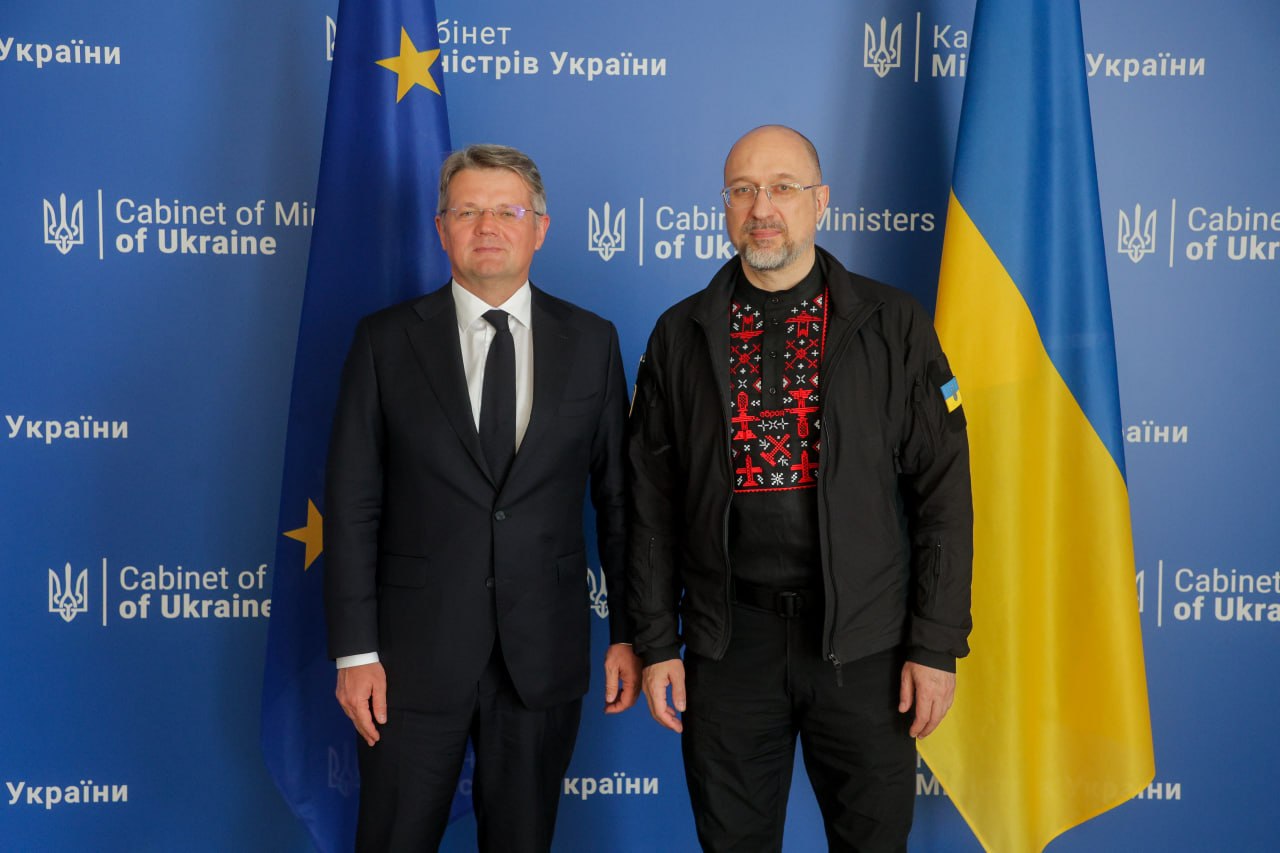
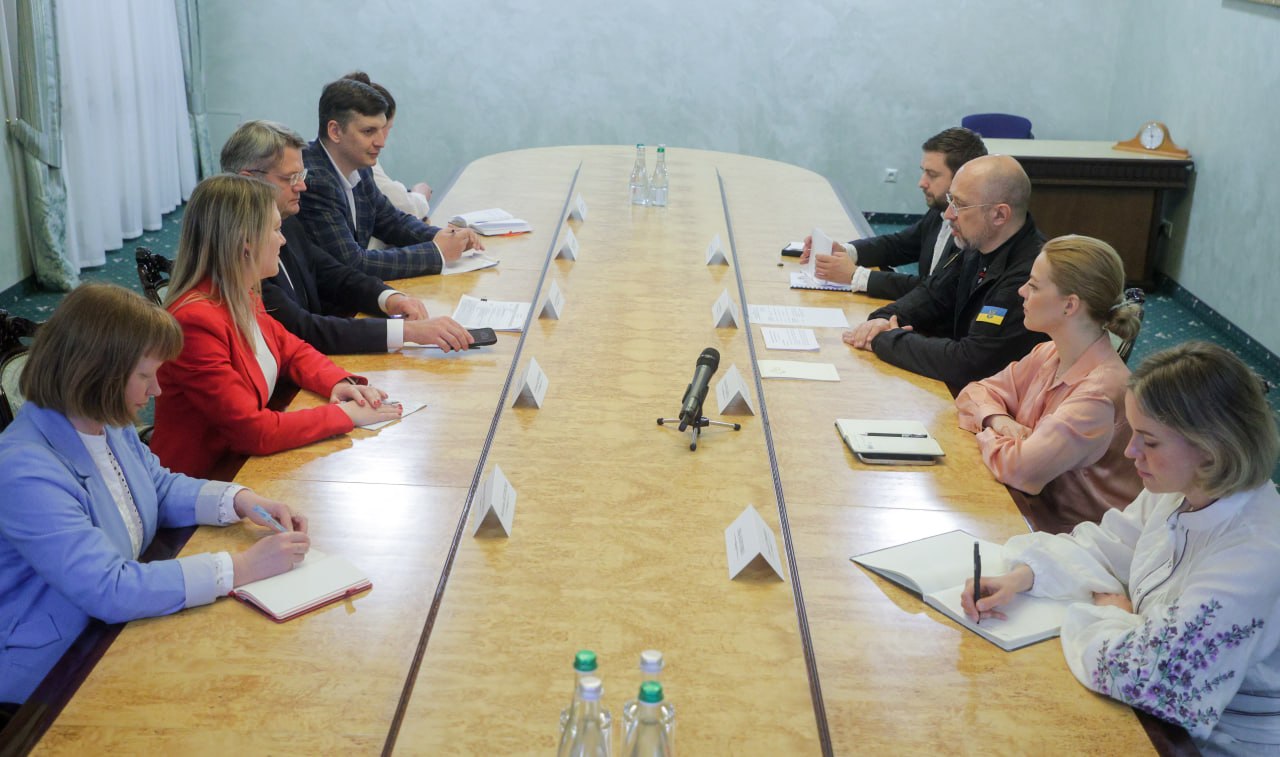
During a recent visit to Ukraine, Energy Community Secretariat Director Artur Lorkowski met with key government stakeholders to strengthen cooperation on supporting Ukraine’s energy system, while preparing it for deeper EU-energy integration. The two parallel tracks, Lorkowski underscored, are crucial for Ukraine’s long-term energy resilience.
“The protection and resilience of Ukraine’s energy system both on emergency response and on building integrated gas and electricity markets that can attract investment, enable cross-border trade and support a decarbonised energy future,” Lorkowski said.
The visit comes as Ukraine’s Ministry of Energy and the Energy Community Secretariat - which administers the Ukraine Energy Support Fund – are working together to prepare for next winter. This has led to an enhanced procurement process that enables faster response to urgent energy needs, as well as the establishment of a strategic equipment reserve to ensure critical supplies can be dispatched rapidly when new damage occurs.
The Fund has supported nearly 70 energy companies across 23 regions of Ukraine, providing a critical lifeline of energy equipment and Lorkowski toured several Fund-supported sites during his trip, including combined heat and power stations and a gas turbine supplied to the Gas Transmission System Operator of Ukraine, as part of the Secretariat’s ongoing process for tracking and verifying the delivery and impact of Fund-supported equipment and services.
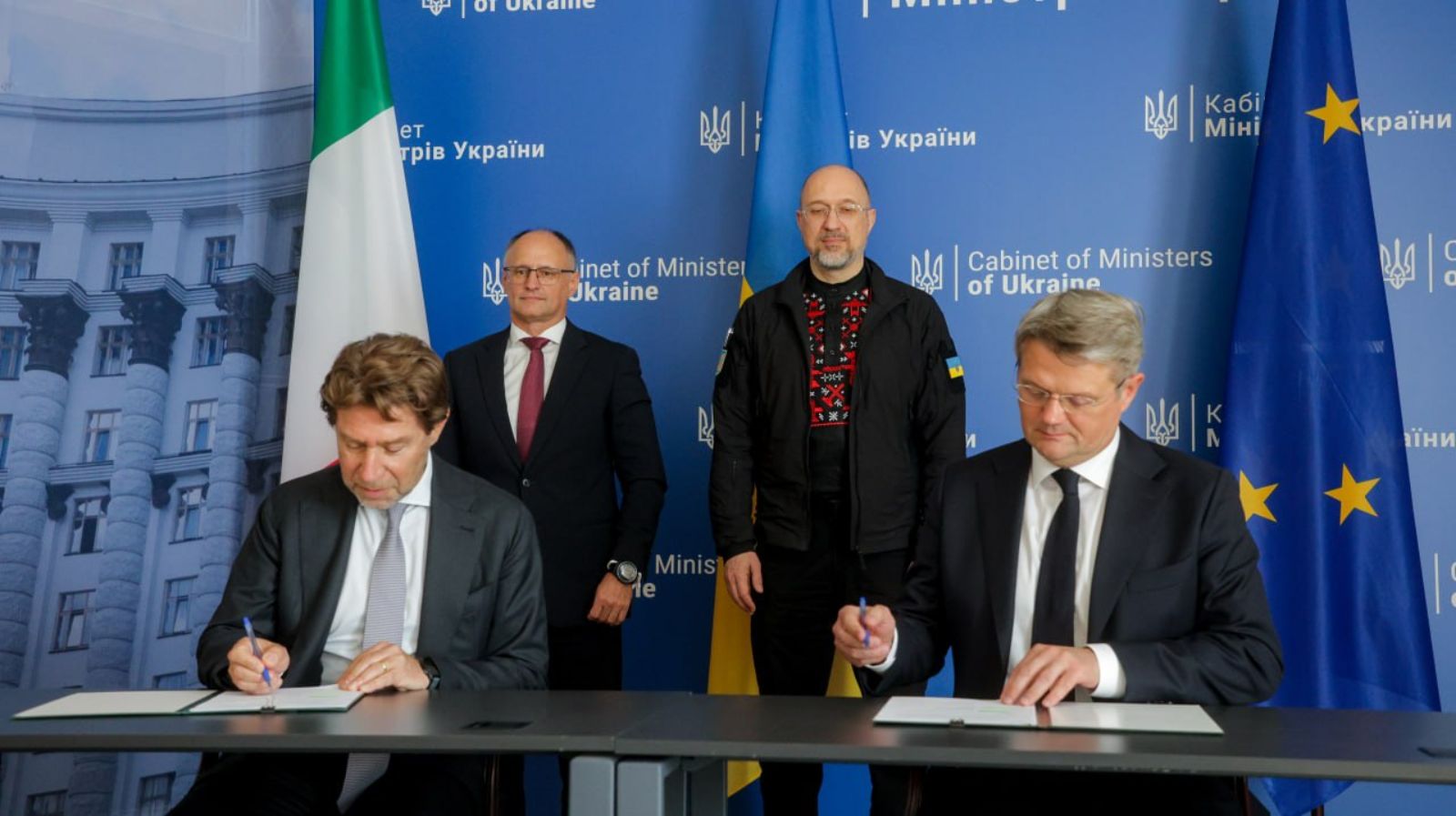
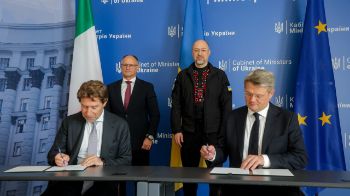
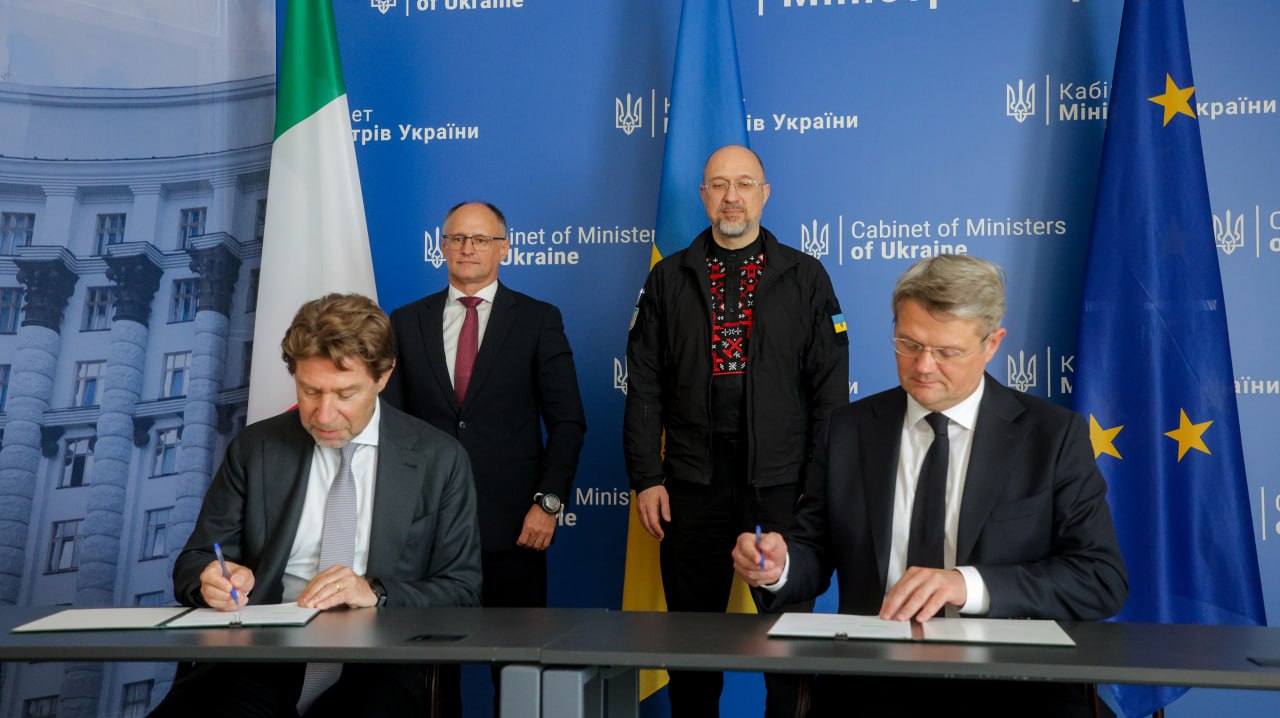
To sustain this impact, the Secretariat and the Ministry of Energy of Ukraine recently launched a joint call for additional EUR 773 million of flexible funding needed to satisfy urgent, prioritised needs of the energy sector. Italy has responded, signing a new EUR 10 million contribution to the Fund in Kyiv on Thursday. Its lifetime support now totals nearly EUR 23 million.
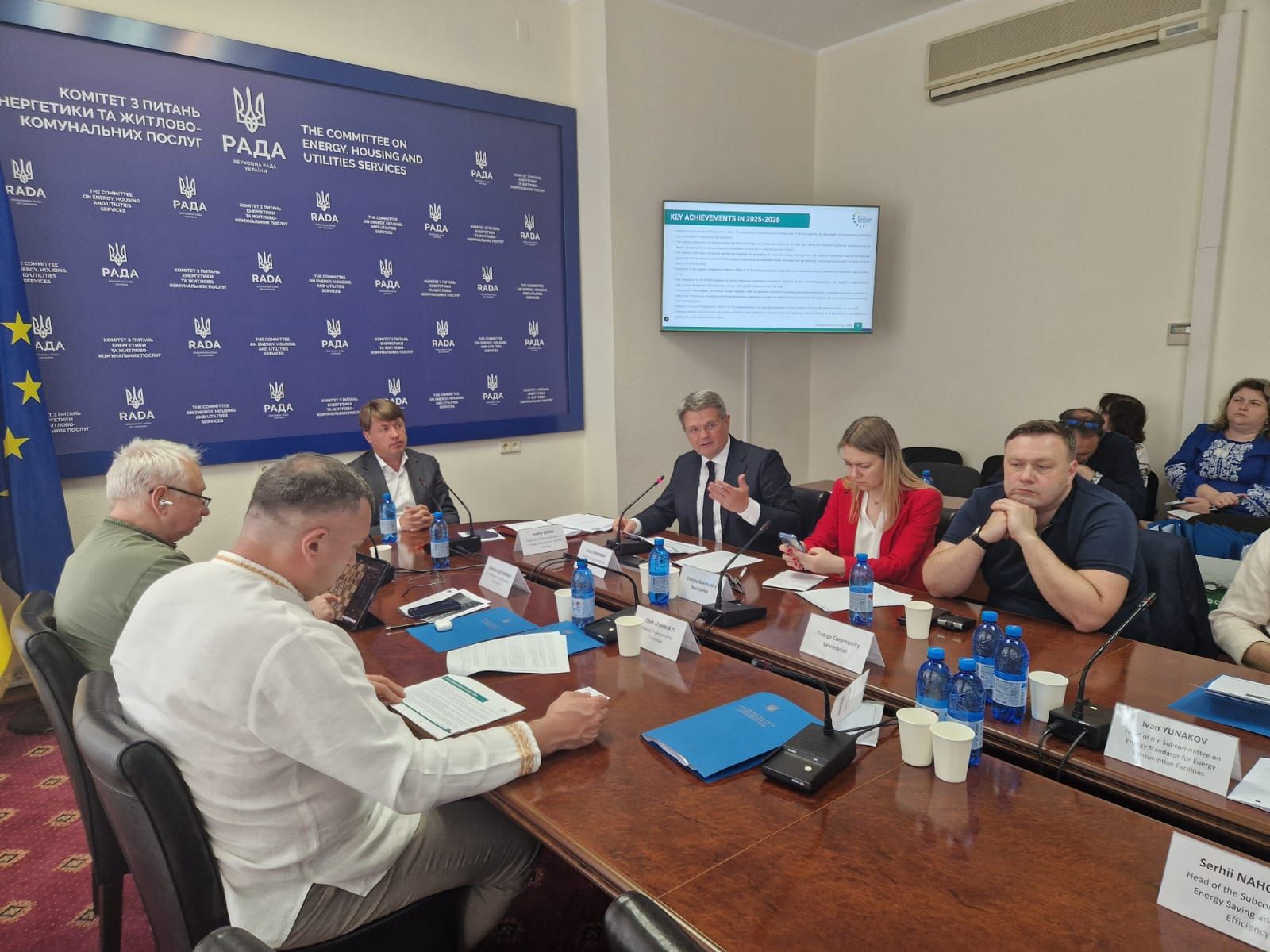
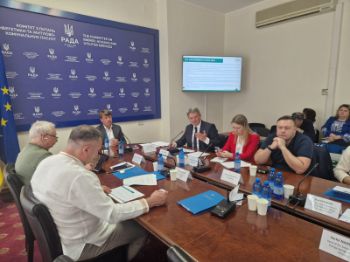
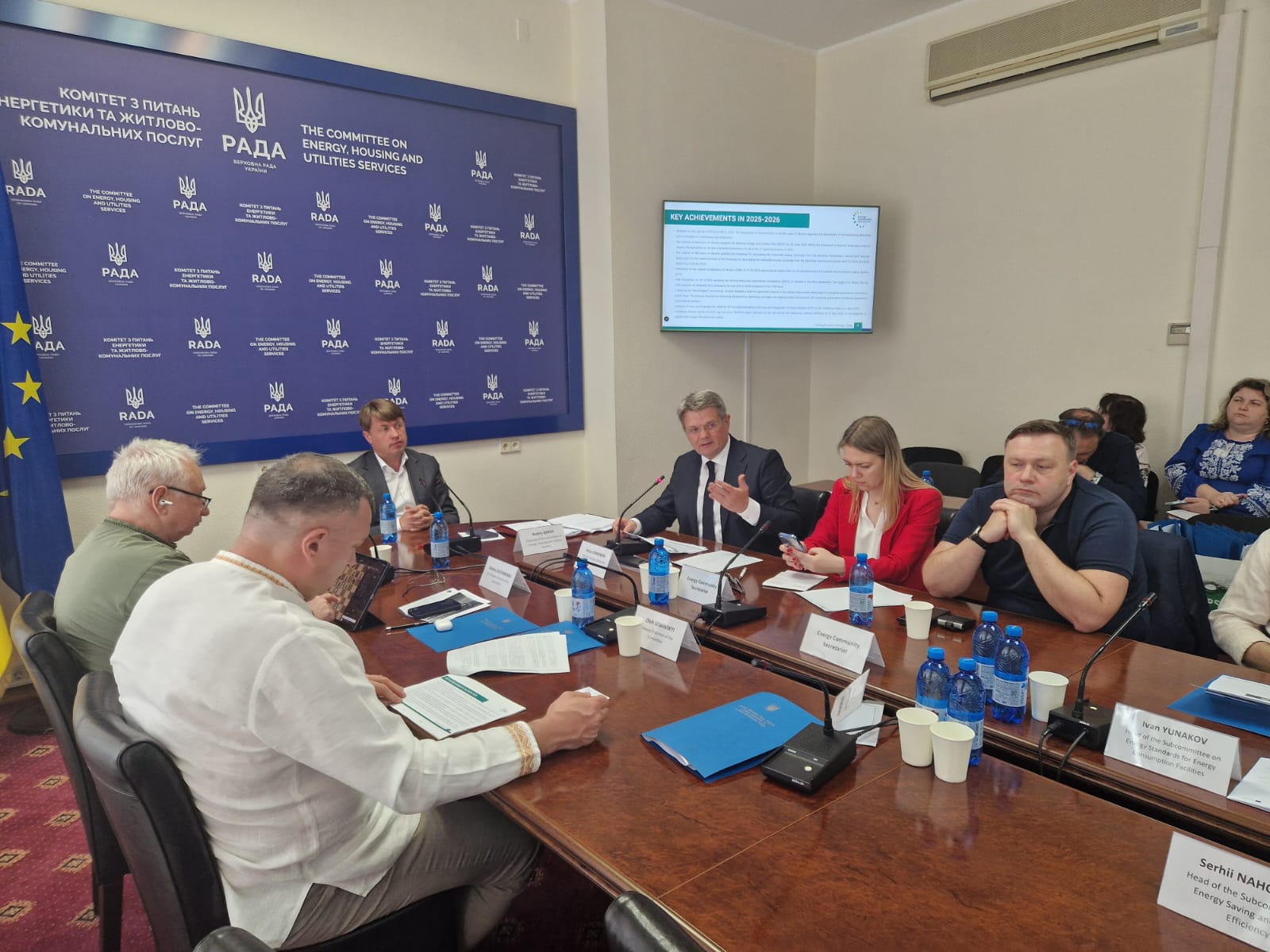
While such international solidarity is crucial to help Ukraine's energy system withstand and recover from Russia’s targeted attacks on critical energy infrastructure, deeper EU energy integration can strengthen its energy system further. In meetings with government and parliamentary stakeholders, Lorkowski discussed the reforms needed to advance this integration. A gradual return to market-based principles in both gas and electricity, while maintaining targeted protection for vulnerable consumers, is necessary, he emphasised. Moving toward cost-reflective pricing would improve market signals, helping open the way to more diversified gas flows and expanded cross-border electricity trade — both critical safeguards for security of supply under wartime conditions.
Ukraine recently signalled its commitment to EU electricity market integration by partially adopting the Electricity Integration Package. Full transposition would pave the way for Ukraine’s participation in the EU internal electricity market, following a rigorous verification process by the Energy Community Secretariat and the European Commission.
As Ukraine advances on its renewable targets, further electricity integration would attract investment in more renewables, advancing the creation of a decentralised, decarbonised system that is more resistant to attack. This, however, will require more investment, achieved through clearer auction rules and predictable support schemes.