
 Albania
 Montenegro
 Bosnia and Herzegovina
 Kosovo
 Serbia
 North Macedonia
Western Balkans step up renewable push, targeting permitting bottlenecks
The Energy Community Secretariat's Centre for Renewables launches call for targeted support to Western Balkans governments, enabling them to advance their clean energy commitments

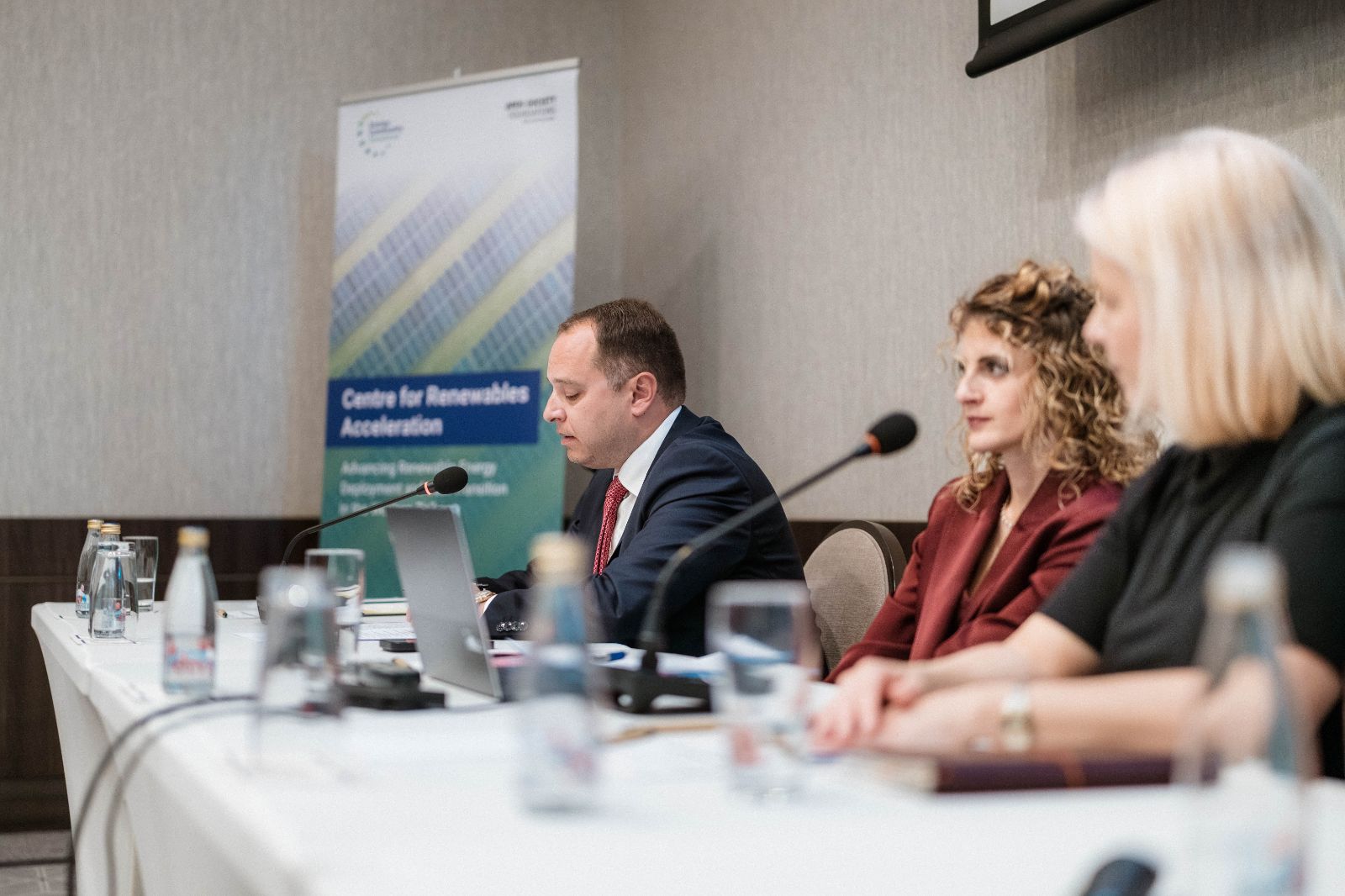
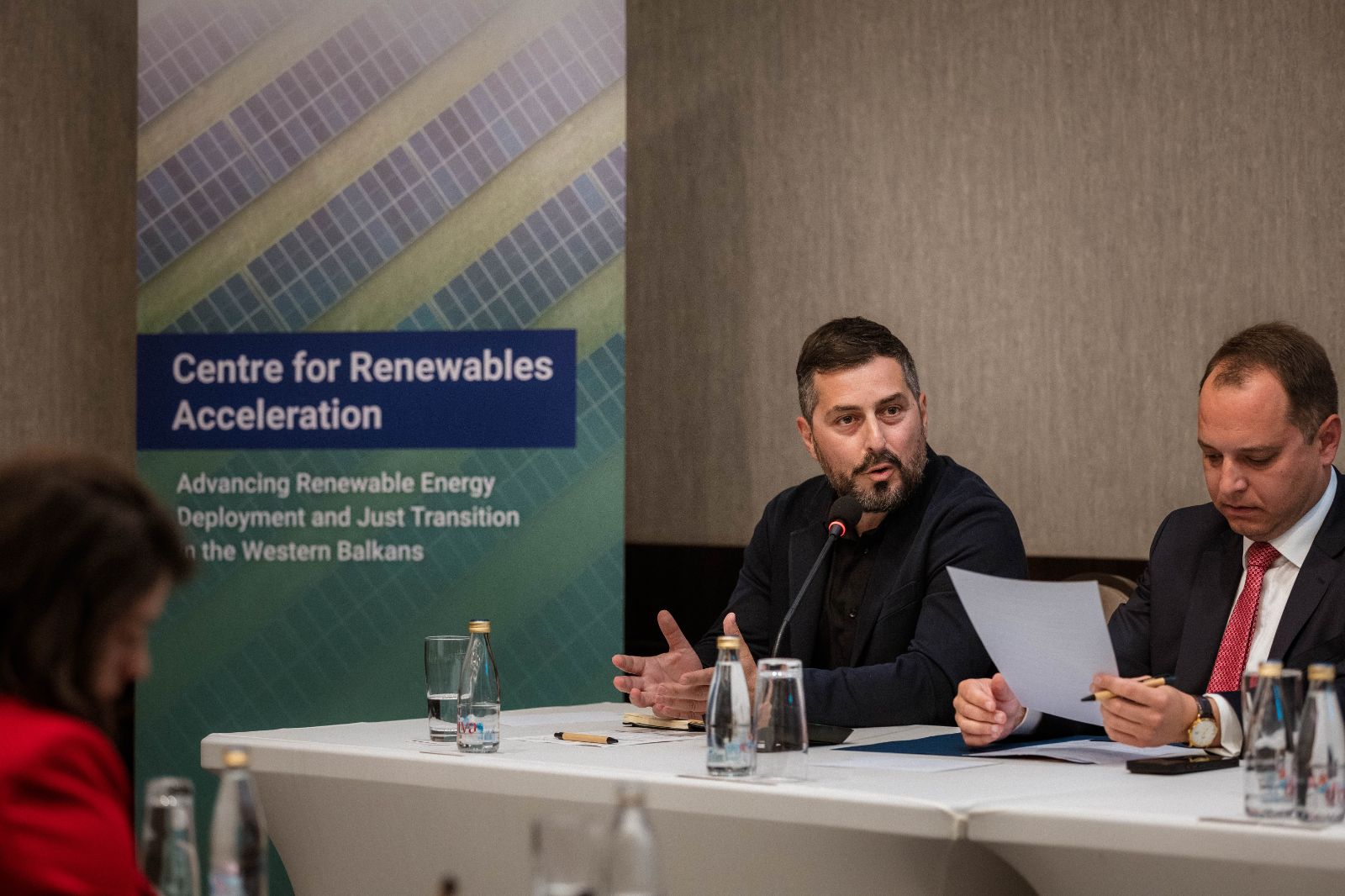
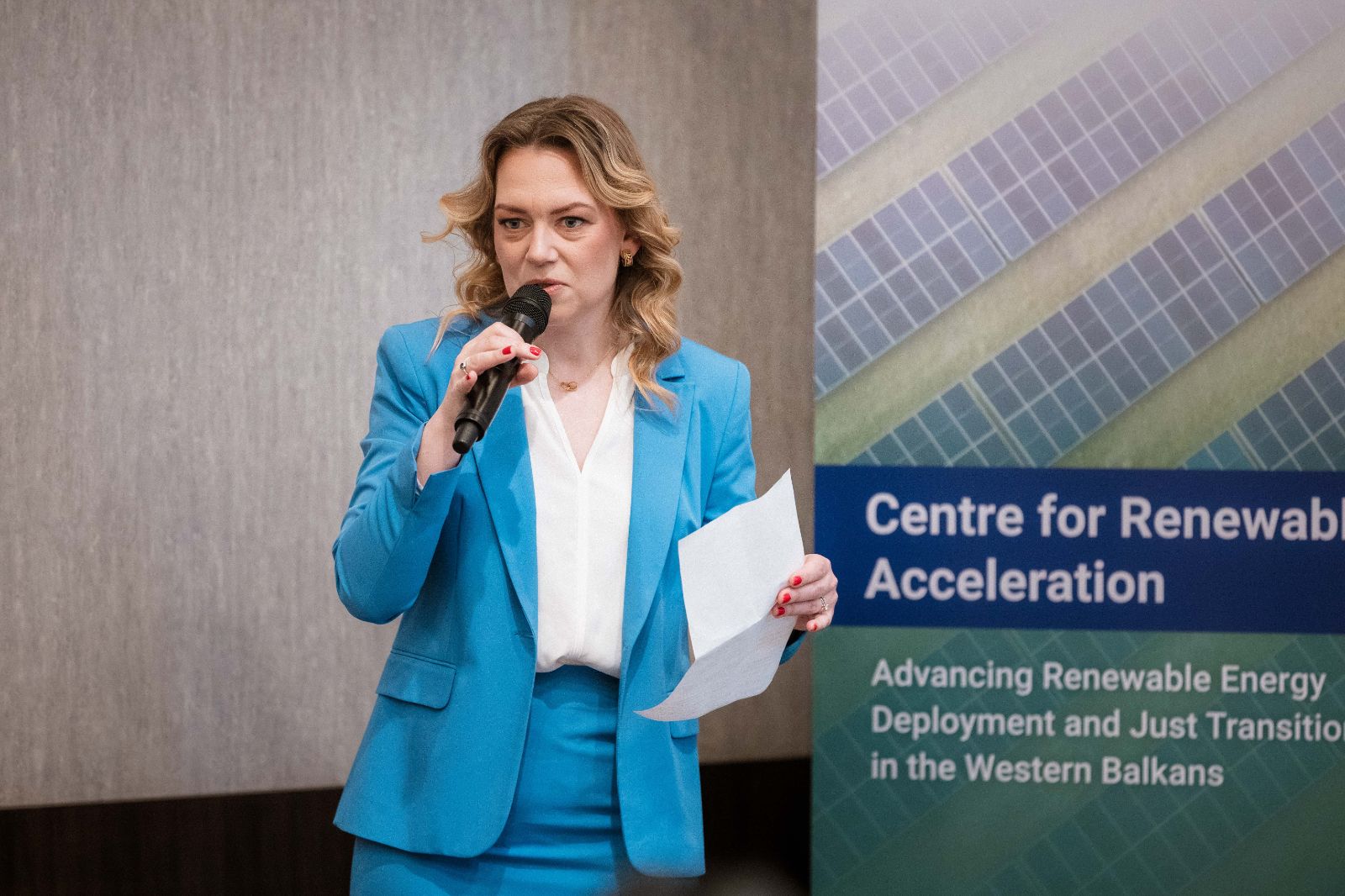
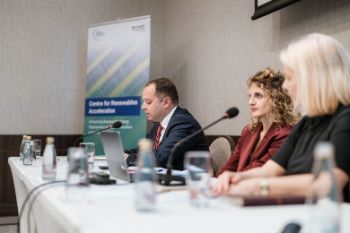
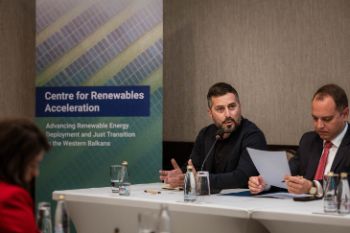
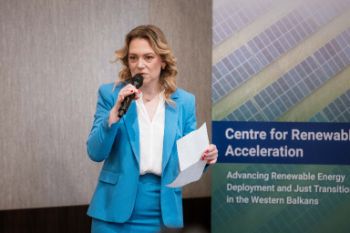
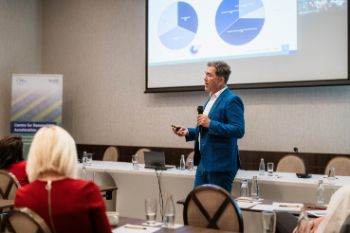
Government officials from across the Western Balkans gathered this week in Montenegro to address key bottlenecks to the energy transition, focusing on unlocking suitable land and streamlining renewable energy permitting systems. Opening the event, Matija Medojević, State Secretary at the Ministry of Energy and Mining of Montenegro, underscored the importance of this for the Energy Community Contracting Party.
“Montenegro is not waiting for the energy transition; we are actively delivering it through reforms and a clear, investor-friendly framework aligned with EU standards,” he affirmed.
The meeting marked the launch of activities under the Energy Community Secretariat’s Centre for Renewables Acceleration. In the Western Balkans, the Centre is implemented in partnership with the Open Society Foundations – Western Balkans (OSF-WB), under a broader Memorandum of Understanding that will continue to support pilot interventions, expert exchanges, capacity-building, and regional workshops—laying the groundwork for faster, more coordinated renewable energy deployment across the region. It included technical support from The Nature Conservancy to build capacity on permitting and support better environmental decision-making in project siting.
Governments now have three weeks to identify concrete needs from the Centre, ensuring the Secretariat can roll out tailored support to strengthen renewable energy deployment in the region.
“Expanding homegrown renewable capacity is both a gateway to EU energy market integration and to energy security,” said Marie-Therese Richter-Kuhnert, Deputy Director of the Energy Community Secretariat. “Through the Secretariat’s Centre for Renewables Acceleration, we will deliver technical support to unlock renewable projects at scale—driving alignment with the EU acquis and strengthening the region’s contribution to a resilient European energy system."
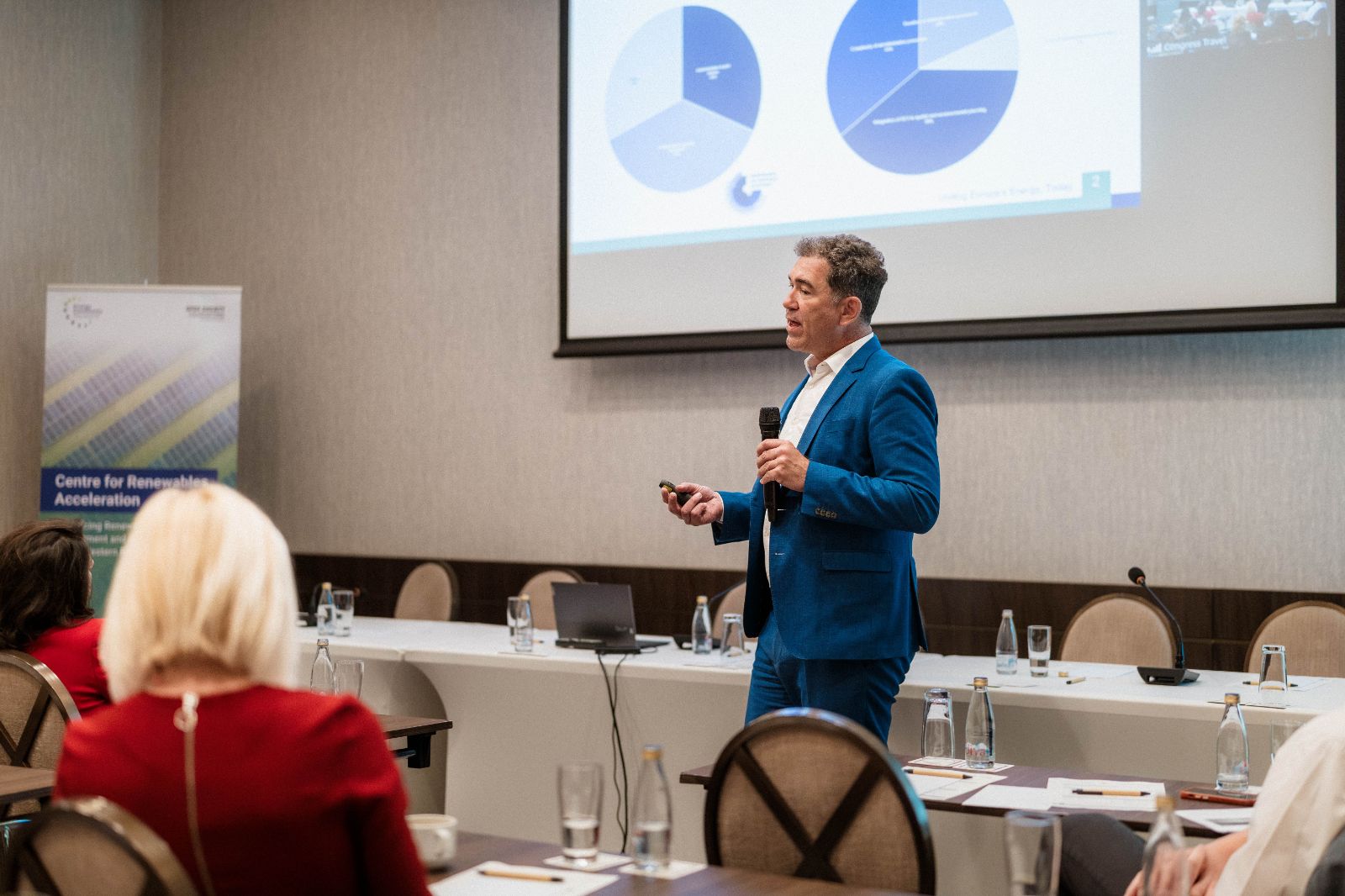
Renewable Acceleration Areas and One-Stop Shops, established under the EU framework as key, complementary tools to accelerate the energy transition, were at the centre of discussions on 28–29 April. With support from The Nature Conservancy, Contracting Parties strengthened their ability to apply EU-recognised ‘smart siting’ approaches developed by the organisation—using data and environmental screening to identify low-conflict locations for renewable energy, prioritising “brownfields,” like former industrial sites and coal mines.
“Accelerating renewable energy deployment is not just about faster procedures—it’s about putting projects in the right places from the start,” said Kasandra Dropuljic, Southeast Europe Renewable Energy Program Manager at The Nature Conservancy. “Through our smart siting methodology and permitting support, we are helping governments identify low‑conflict areas for solar and wind development, reduce environmental risks, and build planning frameworks that enable faster, more resilient project delivery.”
By designating these priority zones, Renewable Acceleration Areas enable faster project development while safeguarding biodiversity. In parallel, One-Stop Shops support a clearer and more predictable permitting process, reducing delays and helping projects move more quickly from planning to implementation. Together, these instruments enhance investment security by increasing regulatory certainty and transparency. Combined with well-designed, timely market mechanisms for renewable energy deployment, they are key to building the investor confidence needed to drive the transition forward.
As governments across the region move to implement these tools, their efforts are backed by practical guides developed by the Energy Community Secretariat in collaboration with The Nature Conservancy. This includes a newly developed protocol to speed up renewable energy permitting—clarifying rules, introducing One-Stop Shop models, and cutting delays in project approvals. It builds on the 2025, jointly developed Operational Blueprint, which set out a roadmap for identifying suitable sites through smart siting.