
 Bosnia and Herzegovina
EU-aligned reforms can help Bosnia and Herzegovina avert future energy crises
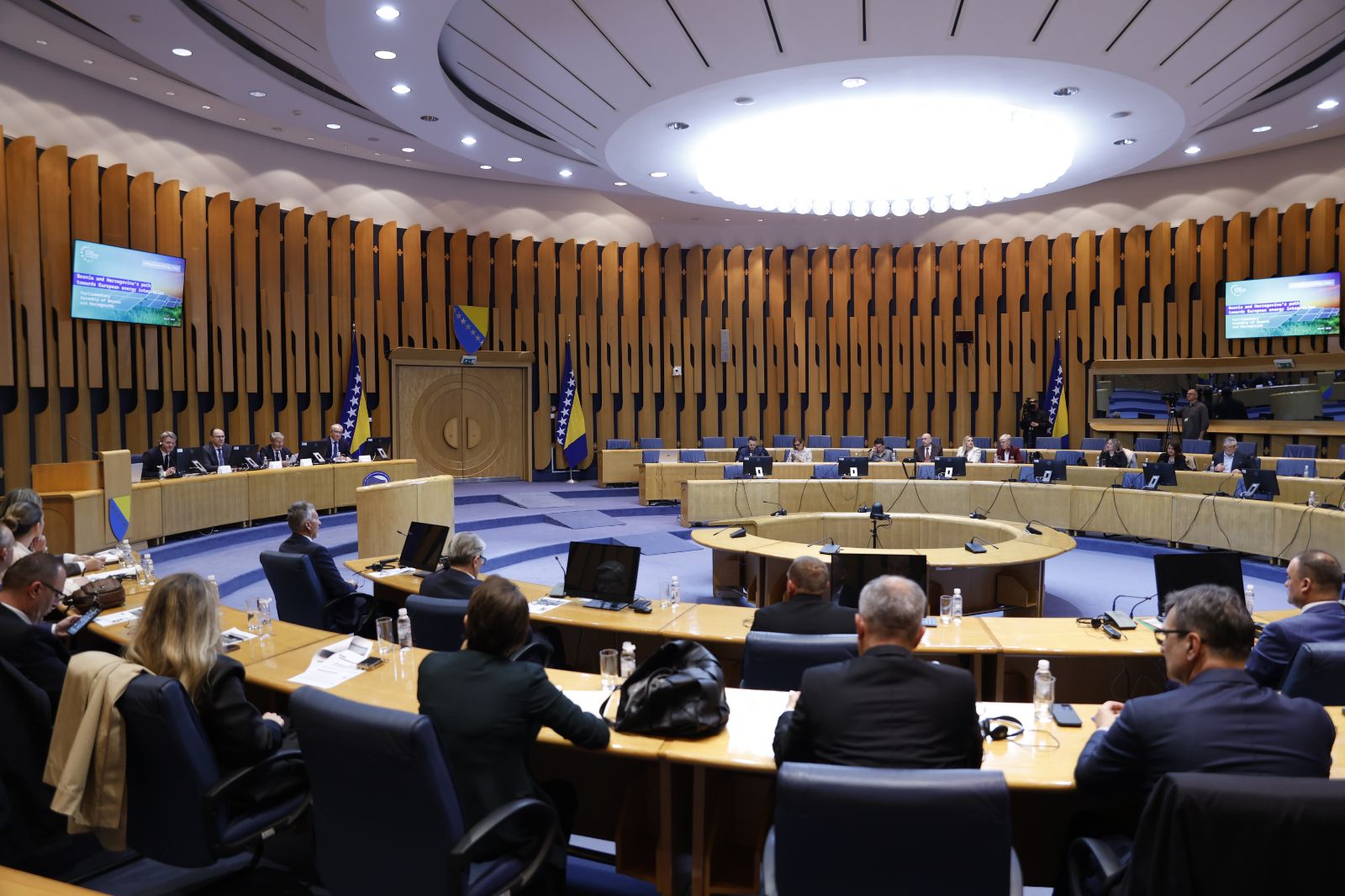
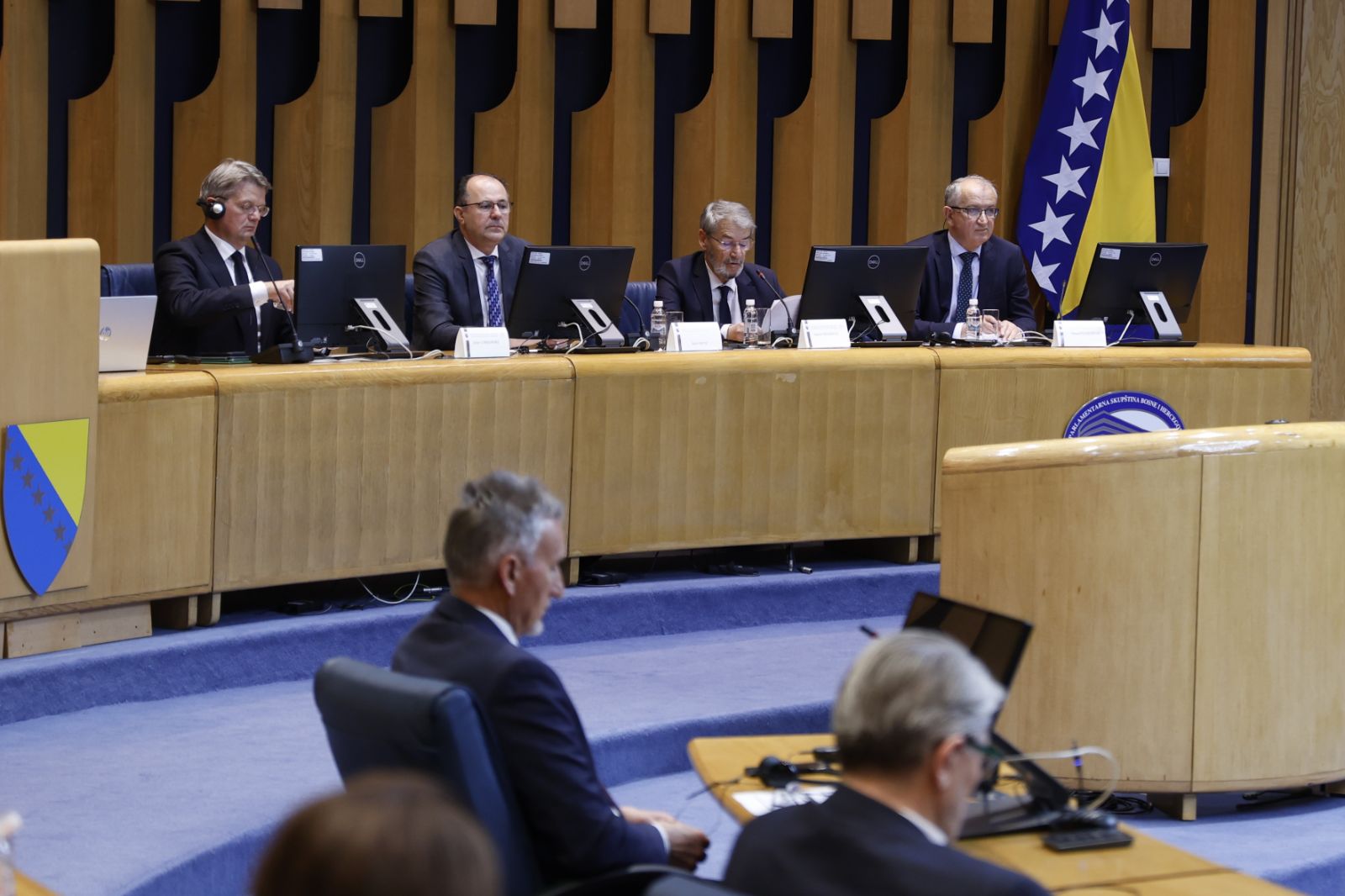
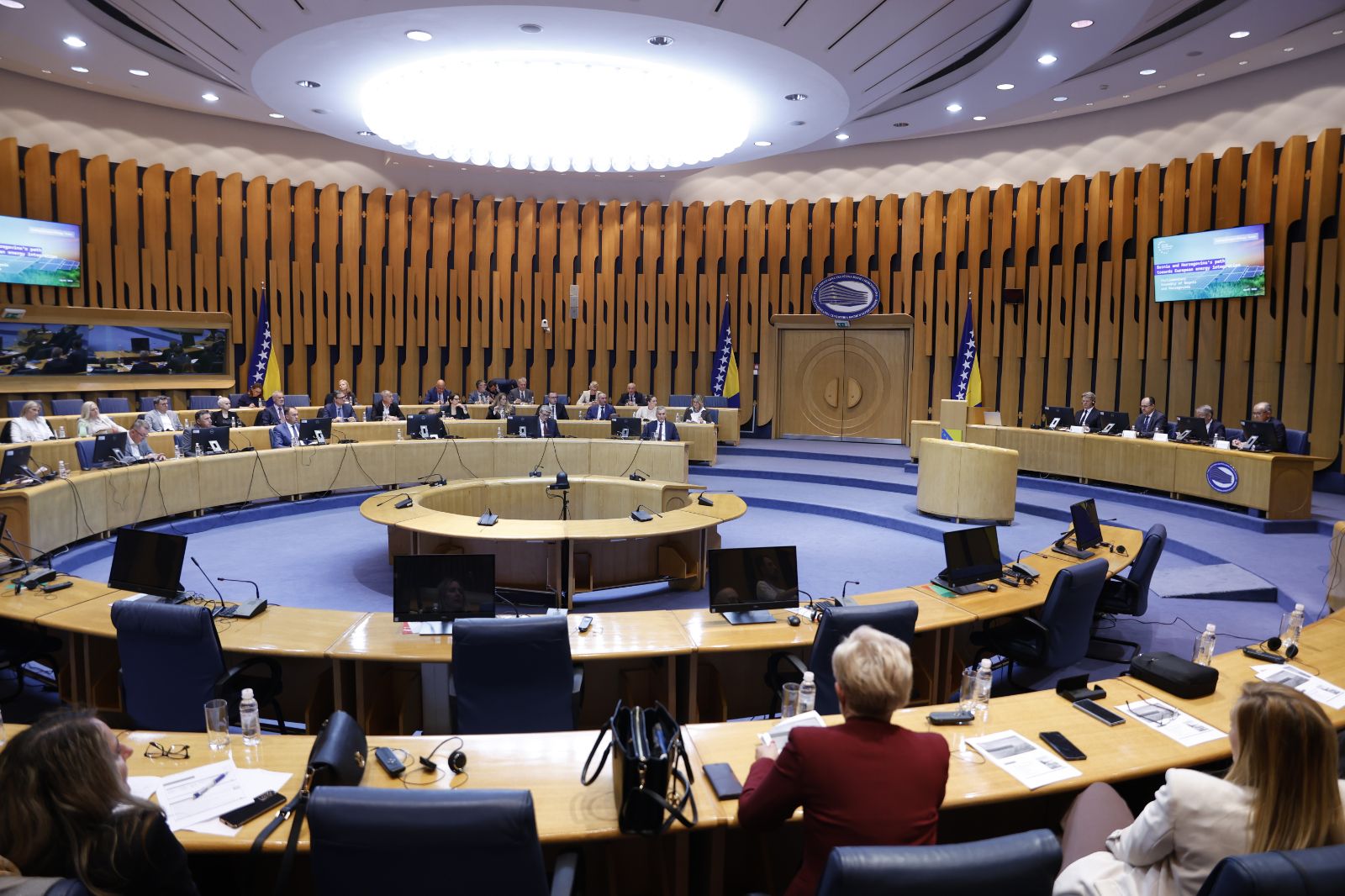
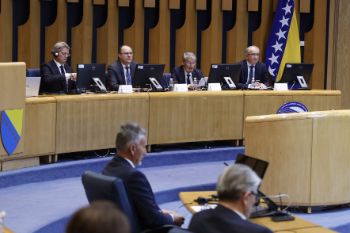
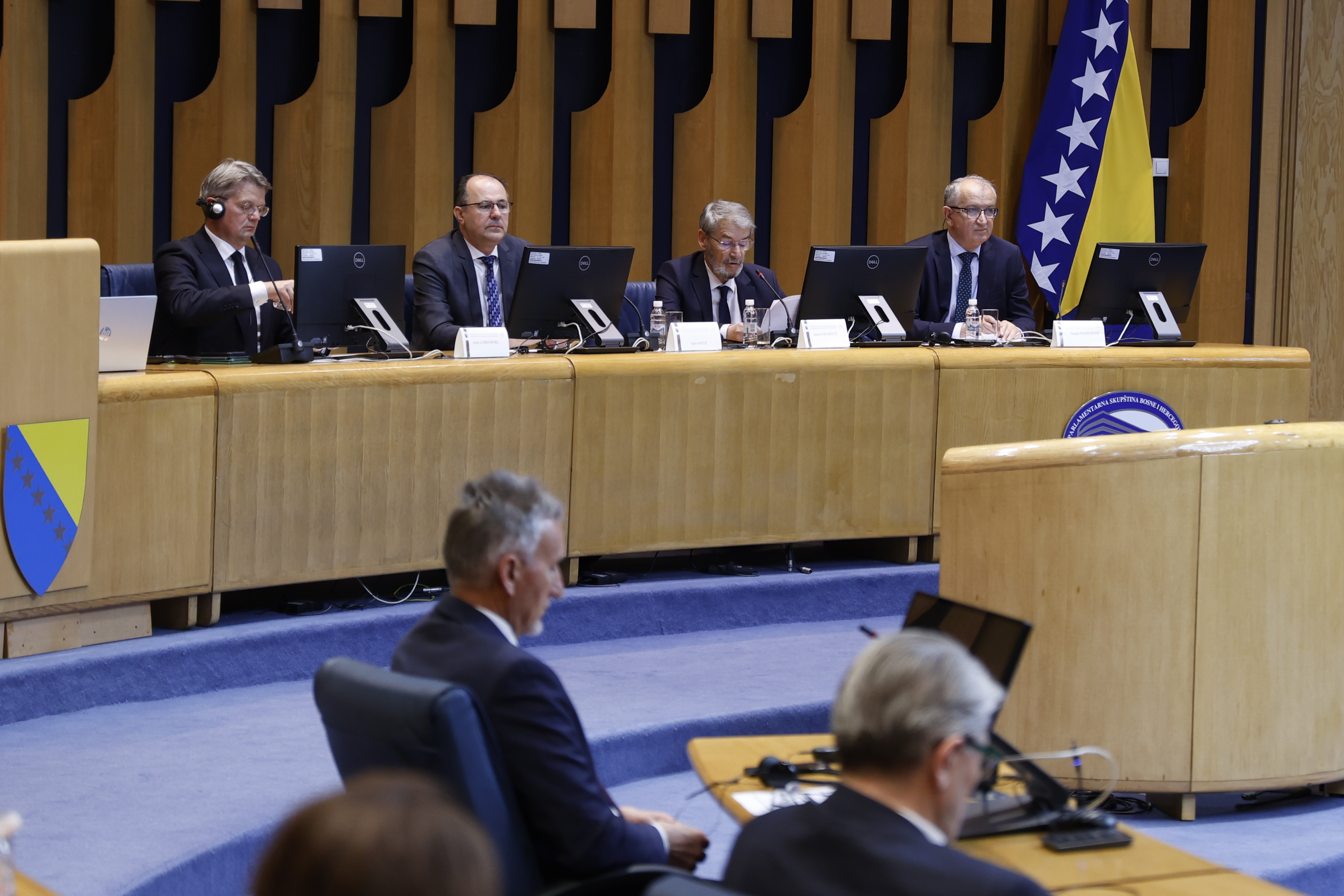
Energy Community Director Artur Lorkowski urges Bosnia and Herzegovina to fast-track reforms necessary for EU-market integration during a parliamentary visit.
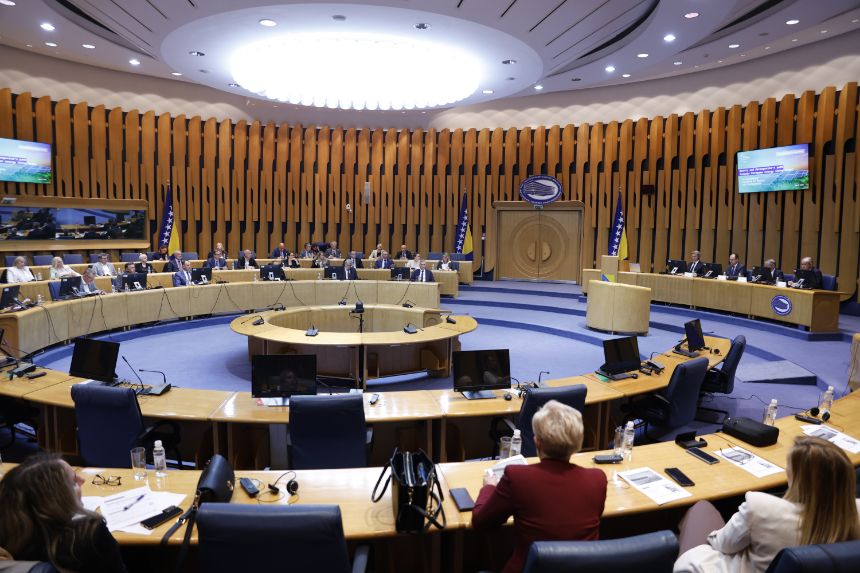
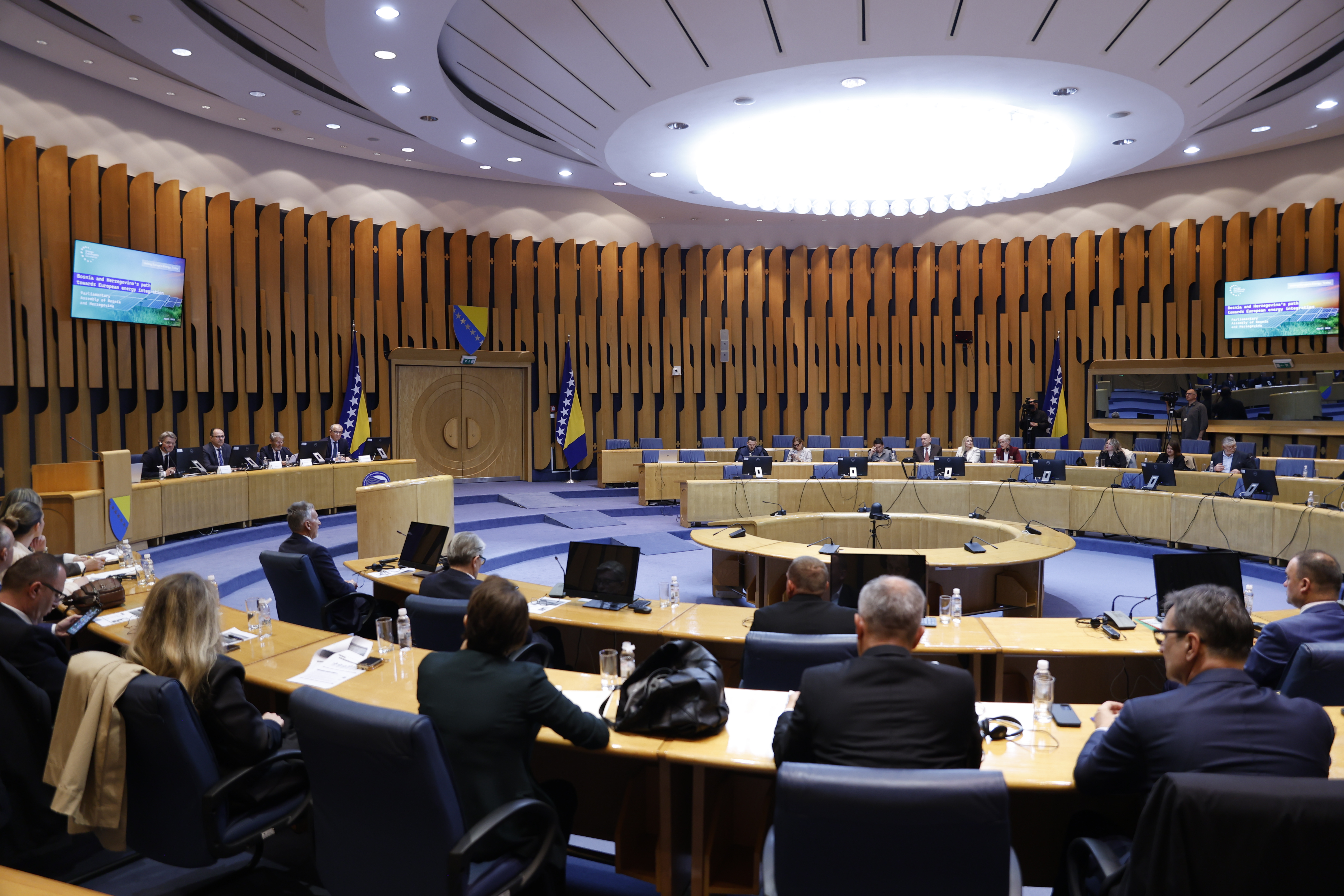
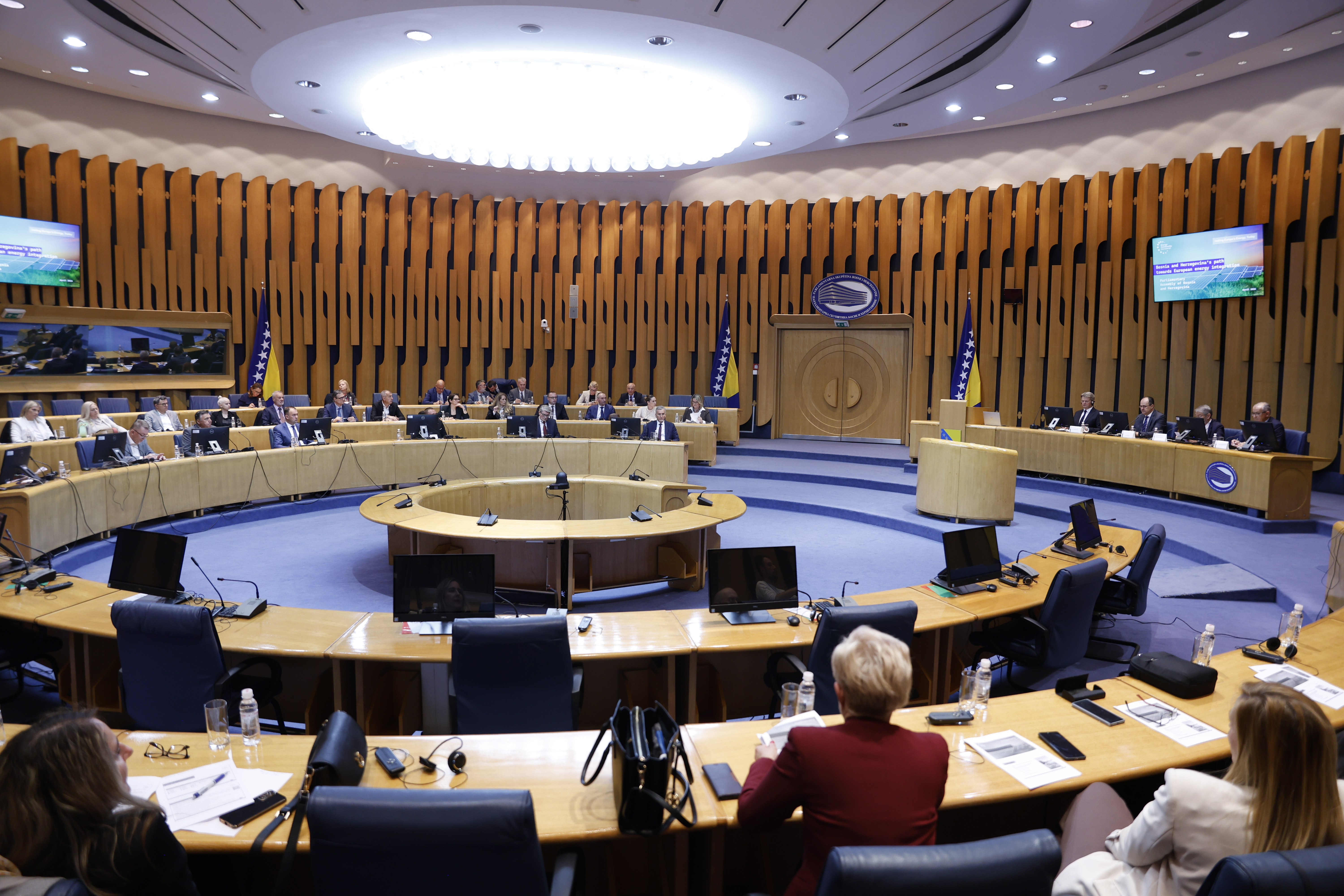
With an energy crisis surging across Europe, Bosnia and Herzegovina can start immediately with reforms to shield it from shocks. After falling behind on EU-aligned energy and climate commitments in 2025, it now faces a clear four-part agenda to catch up. Fulfilling it will be key to locking down a competitive, shock-resilient, and sustainable energy future, Energy Community Director Artur Lorkowski told Bosnia and Herzegovina's Parliamentary Assembly.
“Doubling down on reforms to integrate with the EU’s internal energy market is a promise to the people of Bosnia and Herzegovina that they will be able to build stable, long-term livelihoods,” Lorkowski said. “Integration will deliver long-term stability even during energy crises.”
A first priority is to align oil stocks with EU rules, thereby providing the energy system with much needed and almost immediate security. Bosnia and Herzegovina currently lacks a state-level system and holds only limited commercial reserves, leaving it vulnerable to supply disruptions that could be mitigated by maintaining stocks covering at least 90 days of imports or 60 days of demand. At the same time, by adopting the legislative steps needed to open the gas market and advance electricity market integration with the EU, the Energy Community Contracting Party can build long-term energy resilience.
Gas market opening can be a critical way to ensure the country can withstand energy shocks by ensuring access to diverse supplies. Setting the legislative groundwork for market opening is especially important as the country advances the Southern Gas Interconnection with Croatia, providing access to LNG imports. Bosnia and Herzegovina should therefore urgently adopt the Third Energy Package and – as a first step -- establish a state-level independent regulator to ensure fair access, real competition, and effective oversight of the gas market.
In electricity, the country must adopt EU-aligned legislation to enable integration with the EU’s internal market, through the transposition of the Electricity Integration Package. A draft law currently in parliament only partially aligns with the package. Full alignment is required before compliance can be verified by both the Energy Community and the European Commission, allowing market coupling to proceed. This is especially important as Bosnia and Herzegovina is the largest exporter of electricity in the Energy Community. It could therefore benefit substantially from the larger market that integration would open up.
Finally, as renewables become more central to long-term energy security, Bosnia and Herzegovina must establish a clear framework for its energy transition strategy. It remains behind on climate commitments and lacks a coal phase-out timeline. Urgently adopting the National Energy and Climate Plan would send a strong signal to investors and unlock investment in a secure, low-carbon future, Lorkowski underscored.