
 Albania
Albania's future energy security can be achieved through market integration
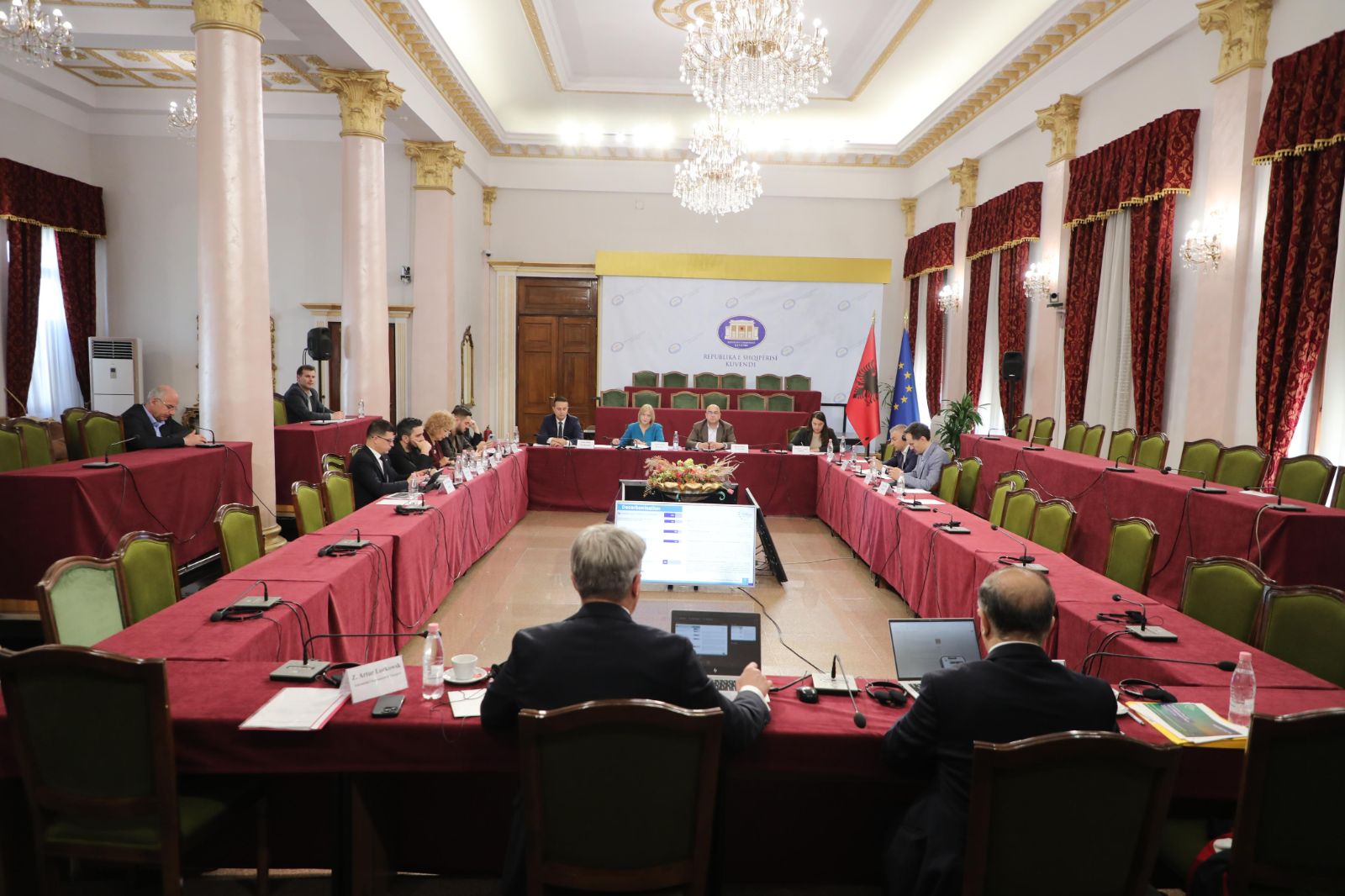
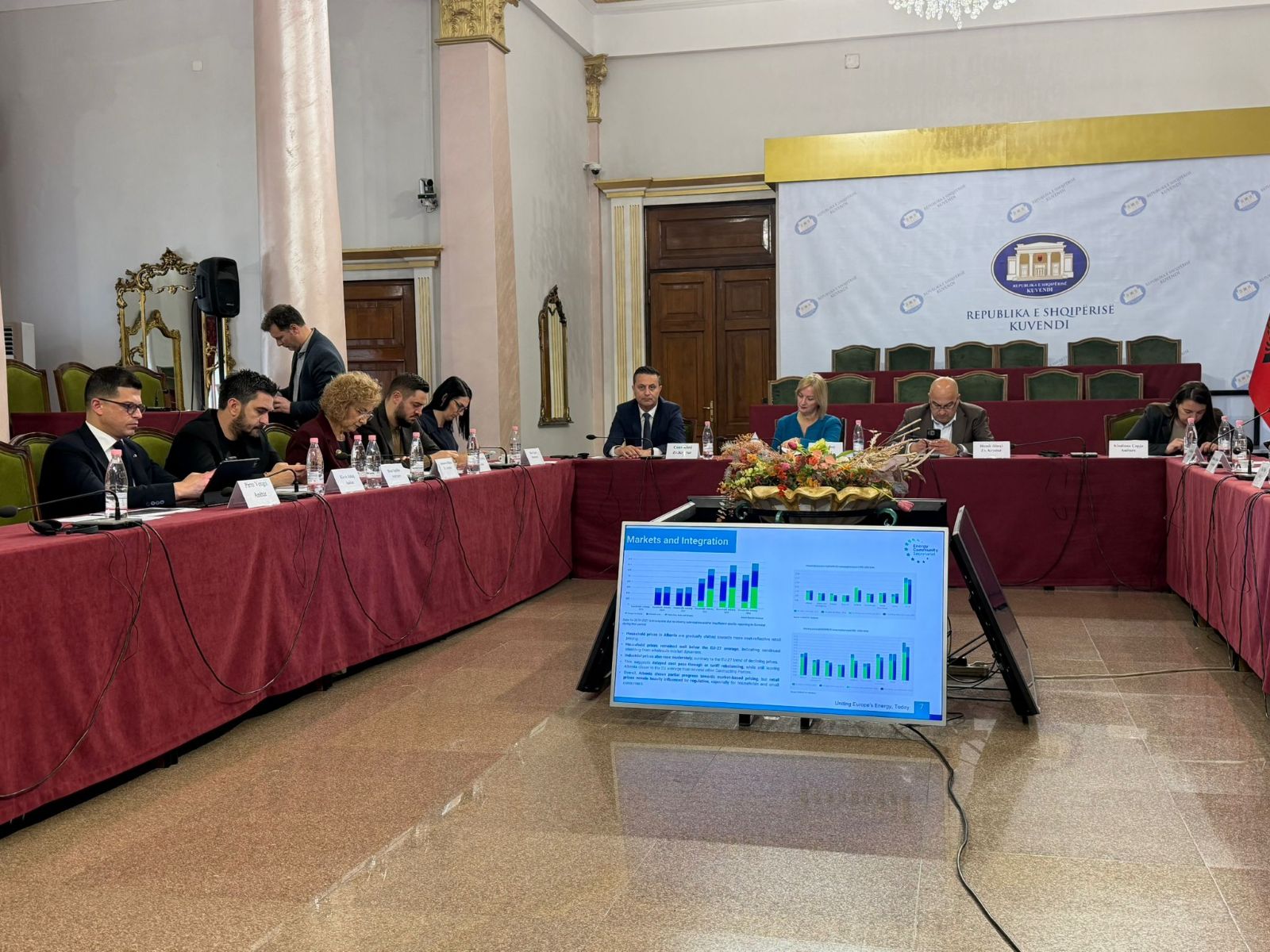
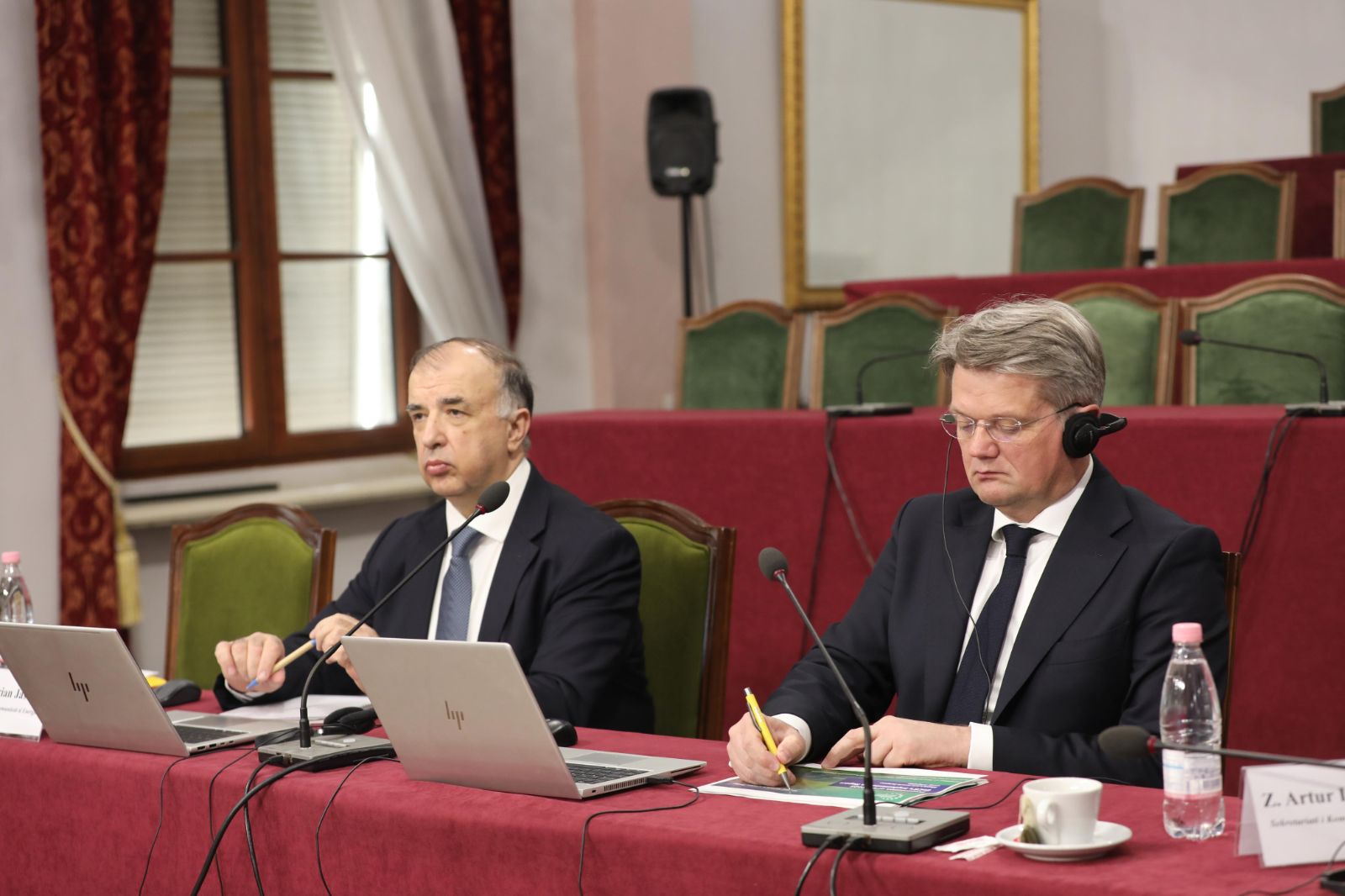
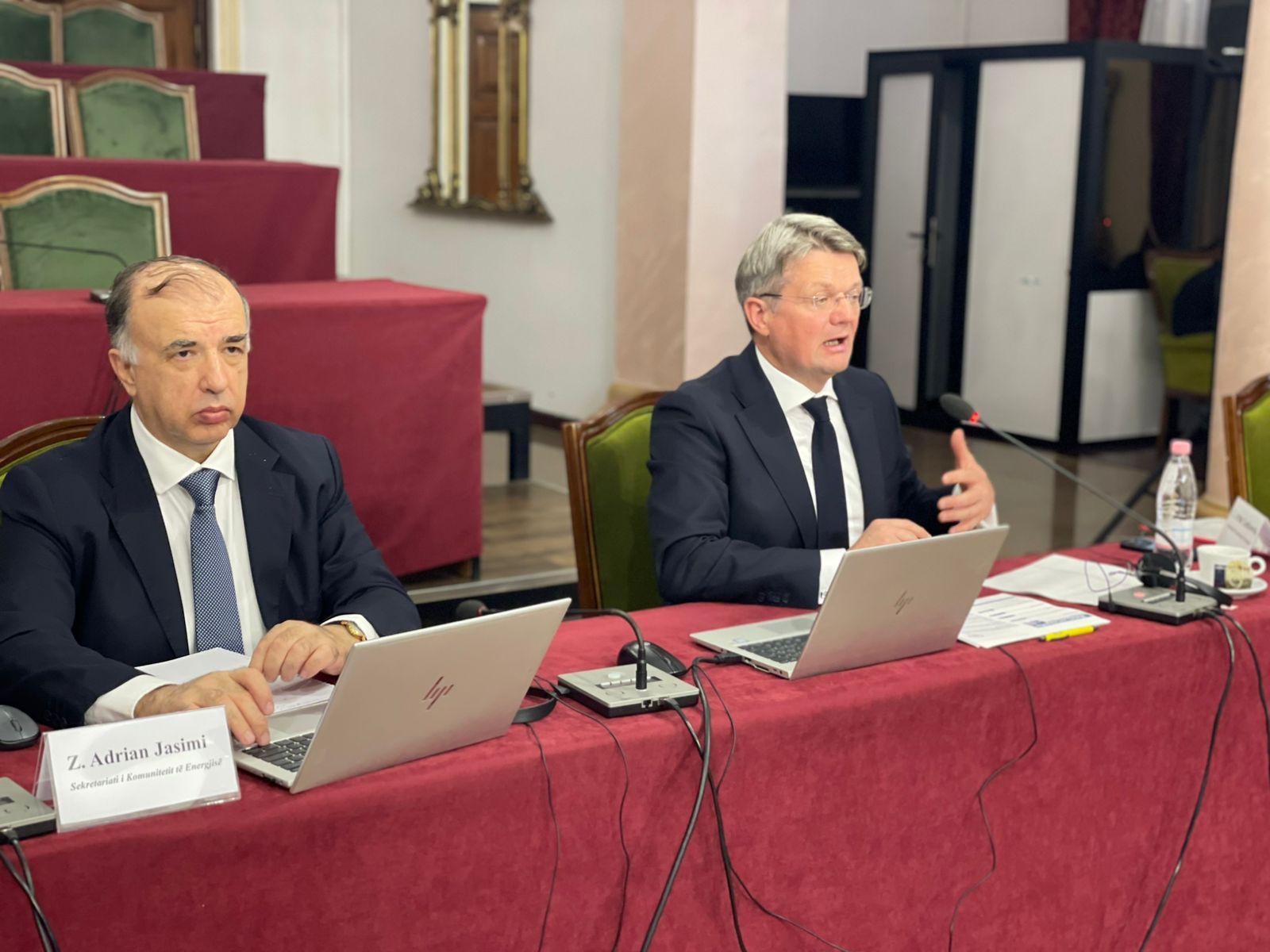
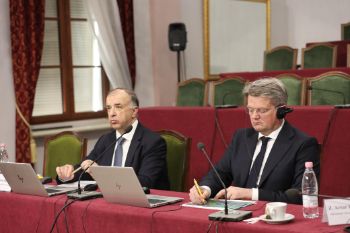
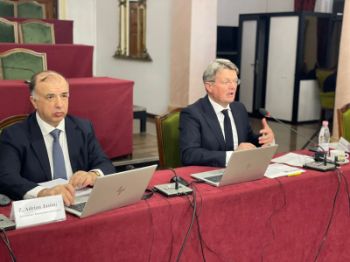
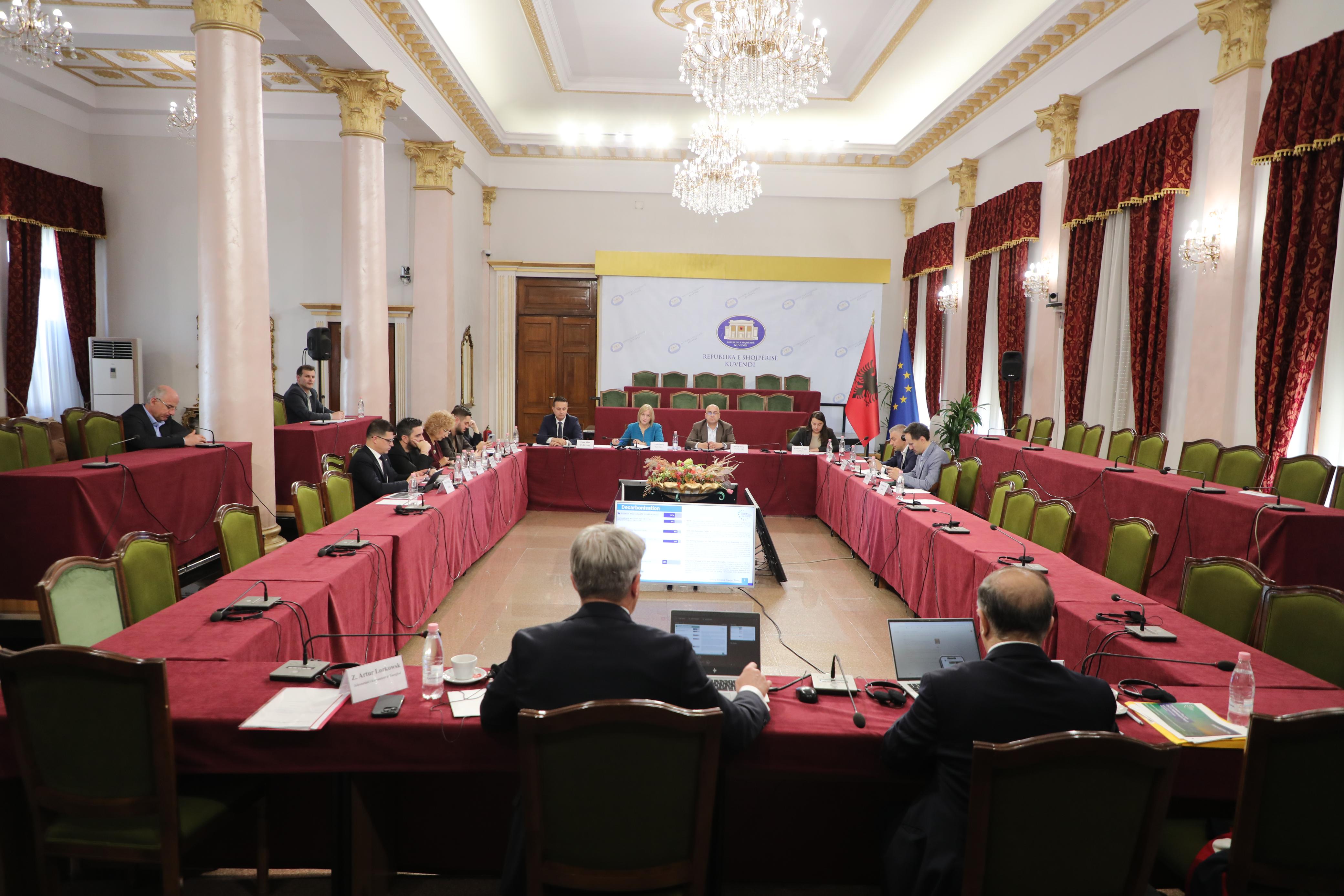
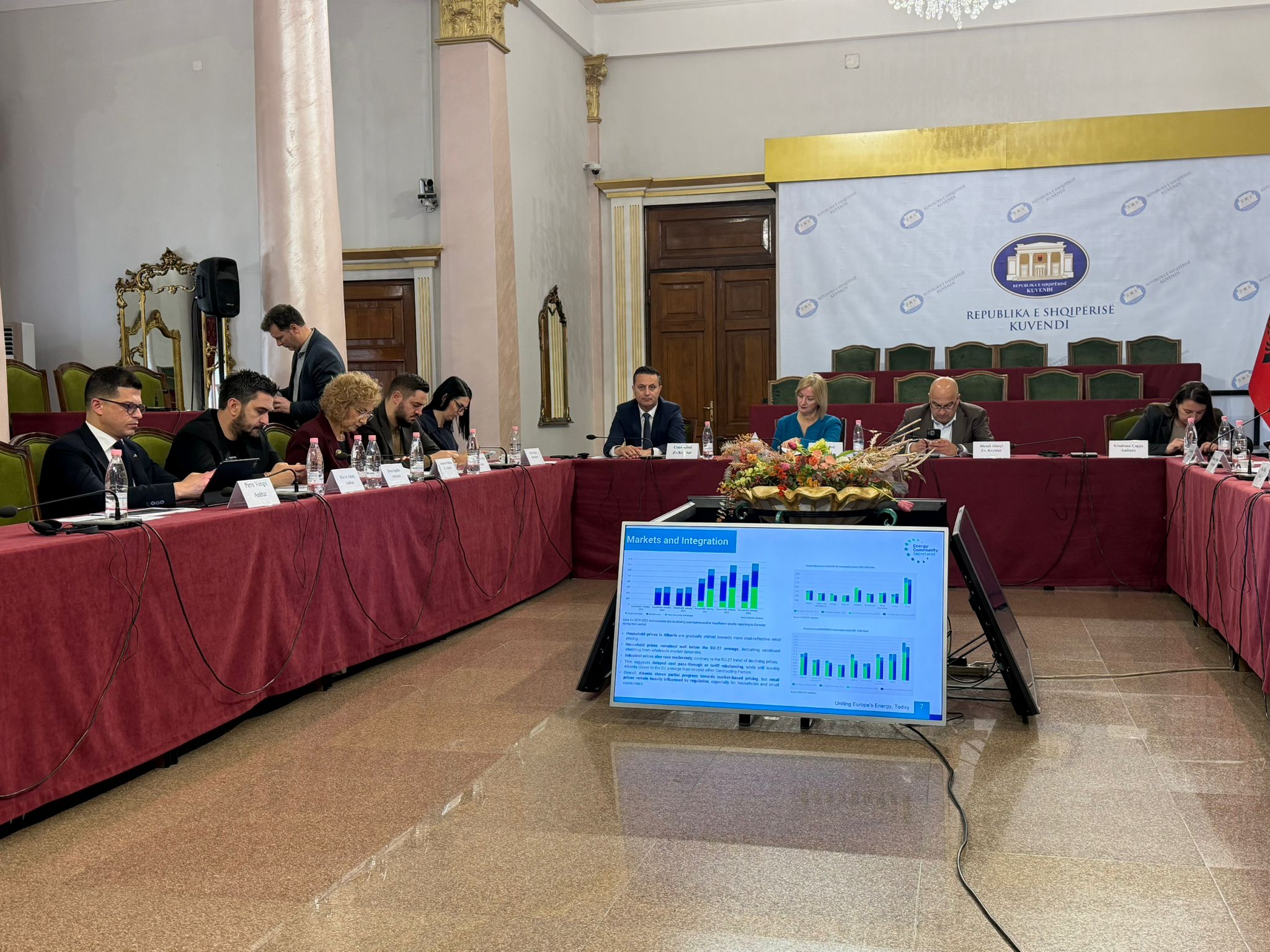
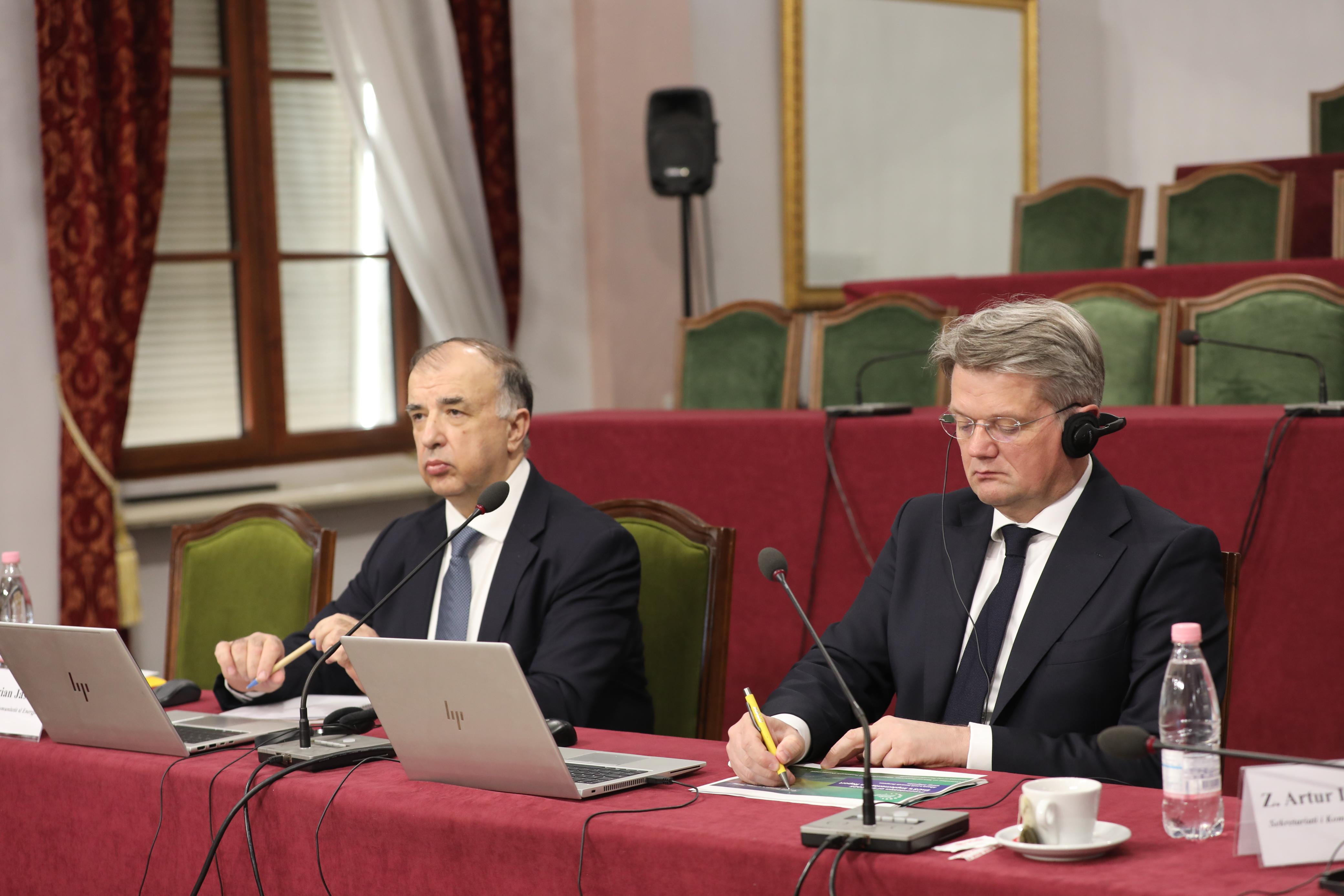
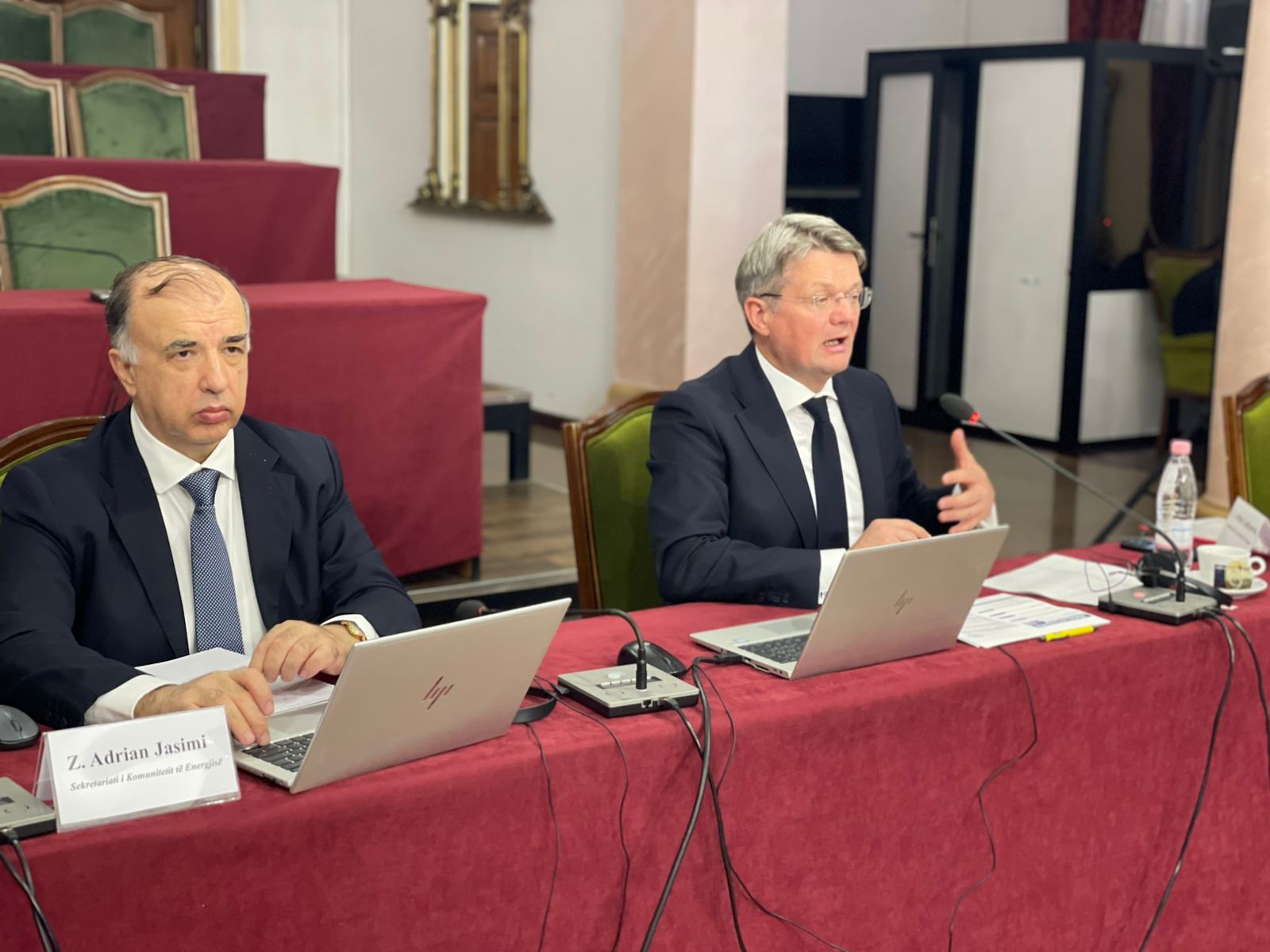
Addressing Albania’s parliament, Director Lorkowski outlined how the Contracting Party’s 2025 energy achievements can be catalysed to accelerate market integration momentum.
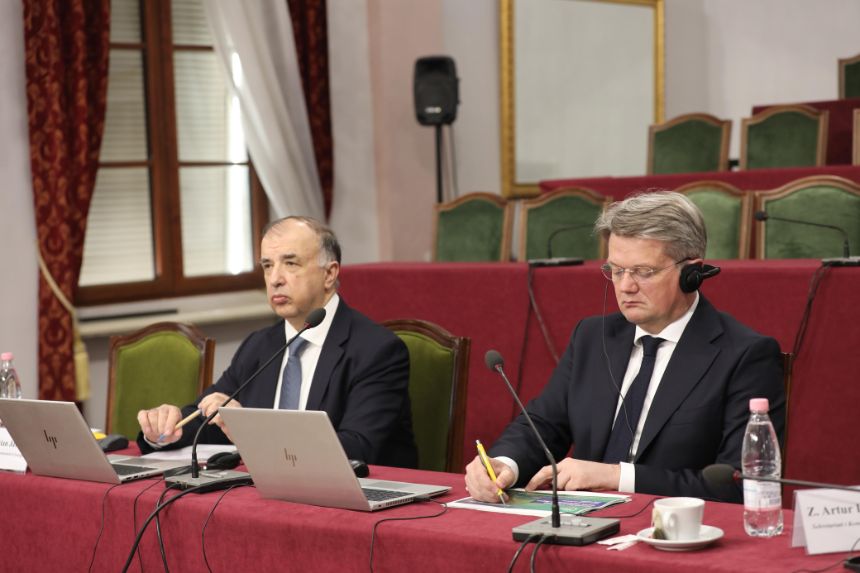
As ongoing geopolitical upheaval heightens the importance of energy security, Albania has three clear paths forward, Energy Community Secretariat Director Artur Lorkowski told Albania's parliament on Friday. First, the Energy Community Contracting Party must shore up security of supply through EU-aligned risk preparedness plans and strategic reserves. Second, it should build on recent progress in electricity market development to achieve full market coupling with the EU. Third, it needs to further strengthen its climate commitments to support a more resilient and diversified energy system.
"The Europe we are now living in demands decisive and accelerated action," Lorkowski underlined. "There is no security without energy security, and there will never be complete energy security without energy market integration."
On the one hand, aligning with EU security of supply regulation is essential. The adoption of new legislation on minimum oil security stocks is a particularly important and urgent step to undertake. In this sense, Albania must transition from a system in which the responsibility for stocks is placed entirely on industry to a structured national system that guarantees adequate reserves, strengthens crisis preparedness, and ensures a coordinated response in the event of supply disruptions.
On the other hand, full electricity market integration is within reach, Lorkowski emphasised. This represents a strategic way to create larger, more resilient markets that can protect citizens and businesses from supply shocks, while helping to guarantee affordable prices, even in times of crisis. Albania has progressed in building a competitive in electricity market in line with EU standards, including the launch of complementary regional intraday auctions – CRIDAs – in coupled mode with Kosovo*, building on the earlier day-ahead market coupling between the two systems. Yet the legislation required to begin the market coupling process with the EU has not been completed. Full alignment with EU electricity market rules depends on the finalisation and adoption of the new Power Sector Law that ensures full transposition of the Energy Community's Electricity Integration Package. This is the legislation that will enable the Contracting Party to couple with the EU’s Single Day-Ahead Coupling (SDAC) and Single Intraday Coupling (SIDC), before accession, upon verification of compliance by the Energy Community and the European Commission.
Finally, Albania’s path toward EU climate alignment can be a powerful driver of further integration, unlocking access to the financing and investment needed for the country's energy transition. While the Contracting Party’s energy mix is largely green, long-term energy security will depend on developing the plans and institutional capacity needed for a diversified and resilient power system that can withstand hydrological variability and climate-related shocks. This will require building on the ambitious targets set out in its National Energy and Climate Plan with a clear long-term strategy and a more defined decarbonisation pathway, as well as strengthening institutional capacity to ensure robust monitoring, verification and reporting (MRV) structures.