
Energy transition meets legal reality as Europe confronts security, sanctions and integration challenges
As Europe undergoes a profound geopolitical realignment driven by the phase-out of Russian gas and decarbonisation targets, experts, policymakers, and industry leaders gathered in Vienna to address mounting legal challenges
As Europe undergoes a profound geopolitical realignment driven by the phase-out of Russian gas and decarbonisation targets, experts, policymakers, and industry leaders gathered in Vienna to address mounting legal challenges
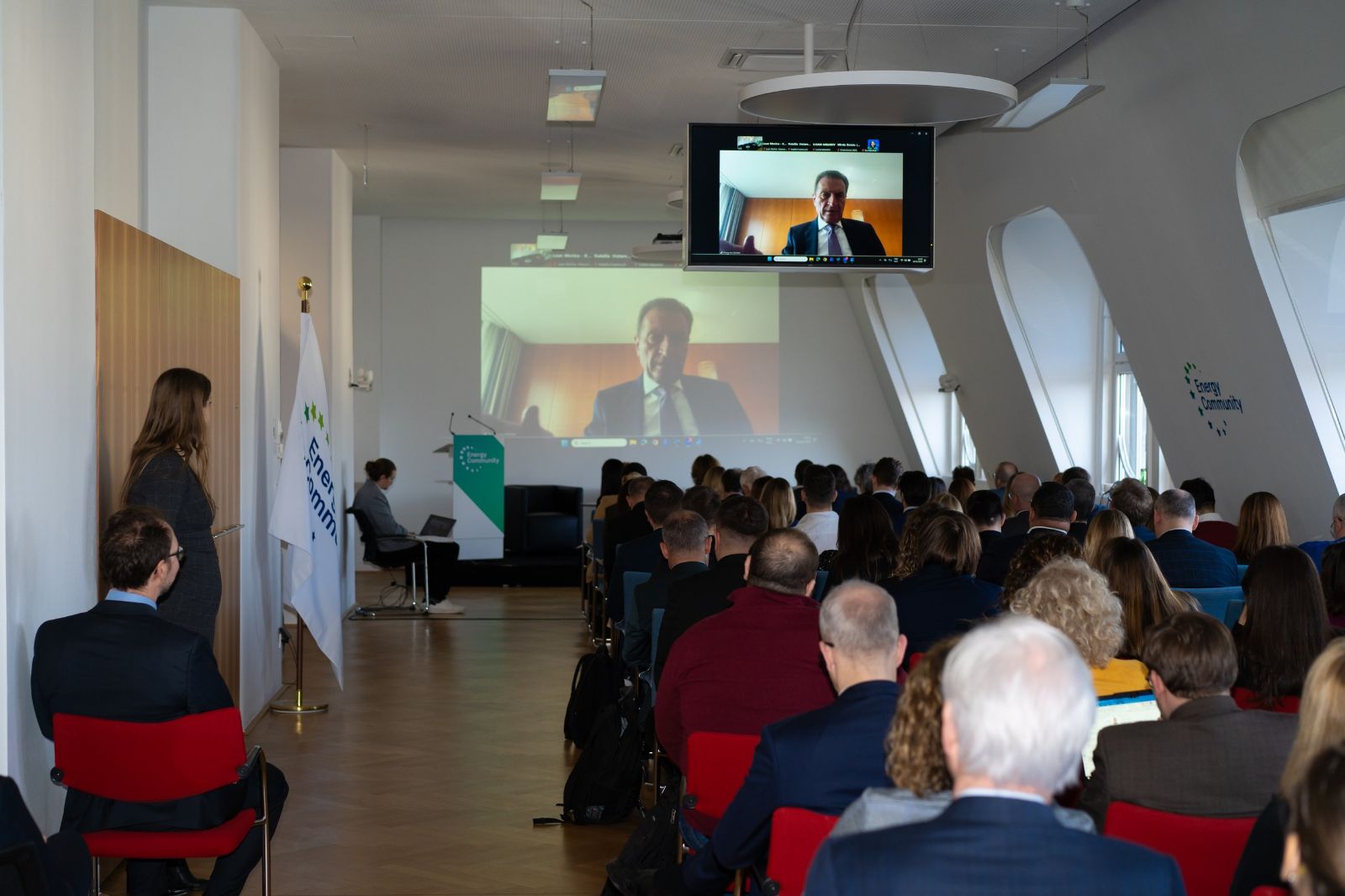
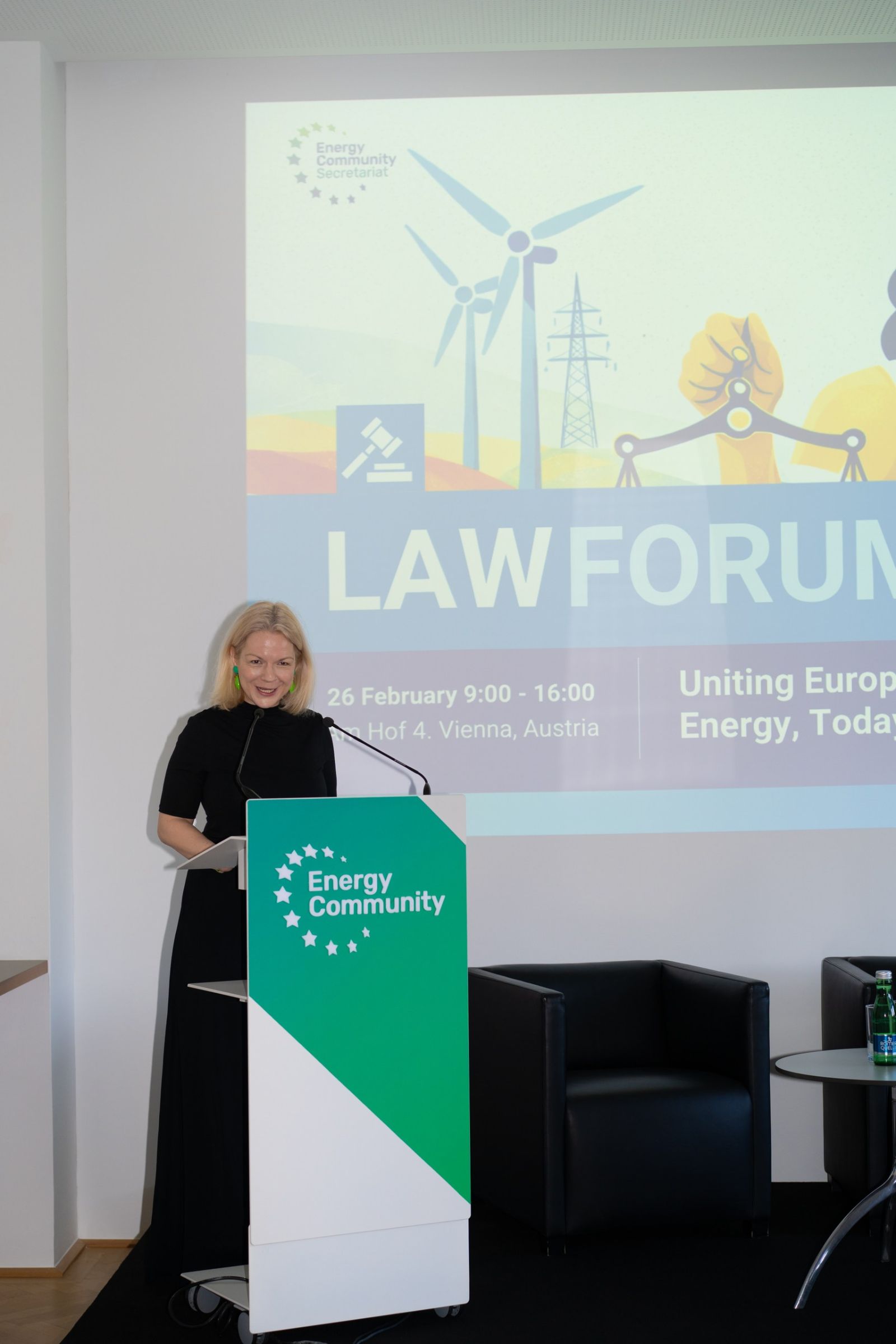
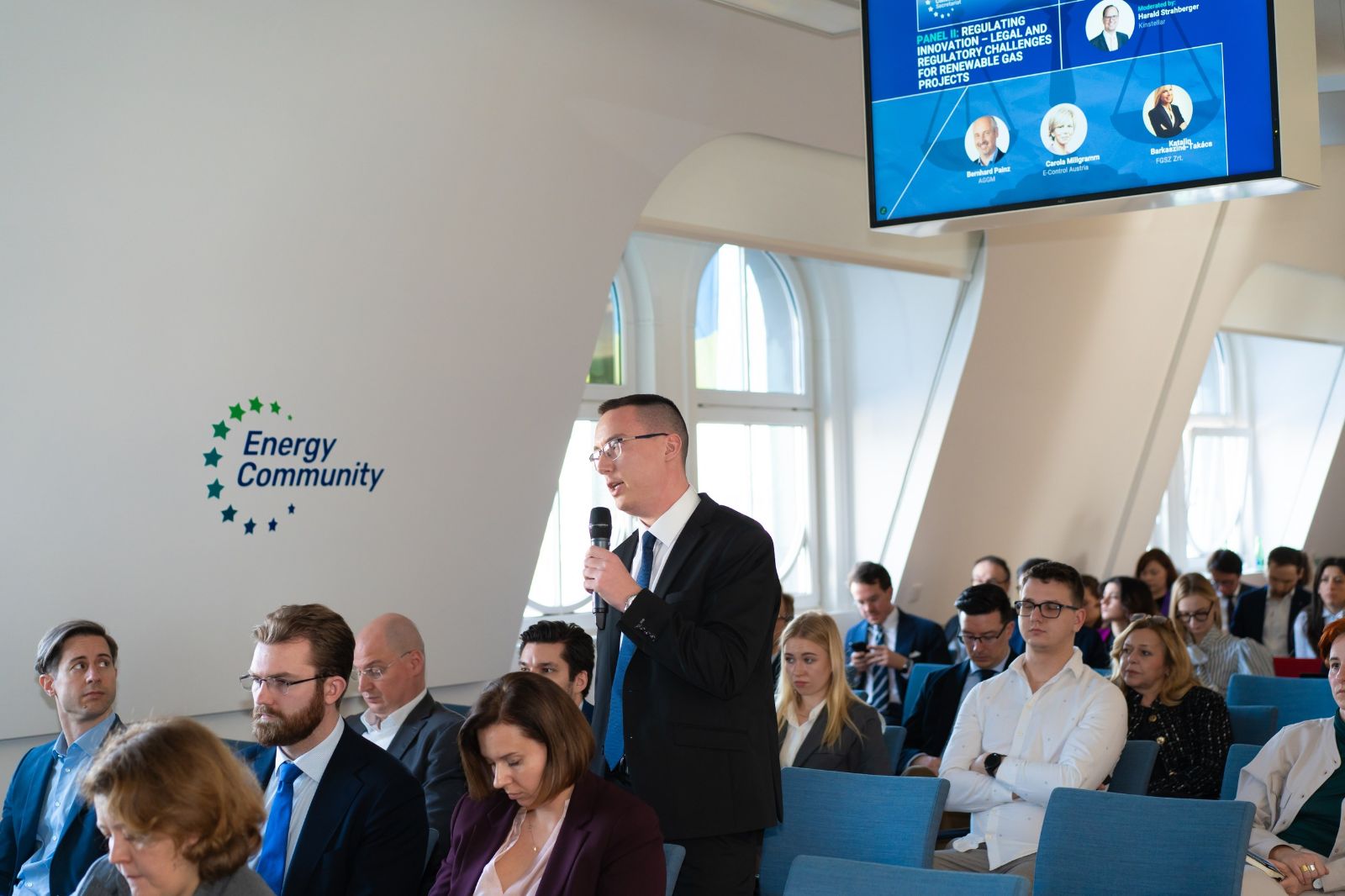
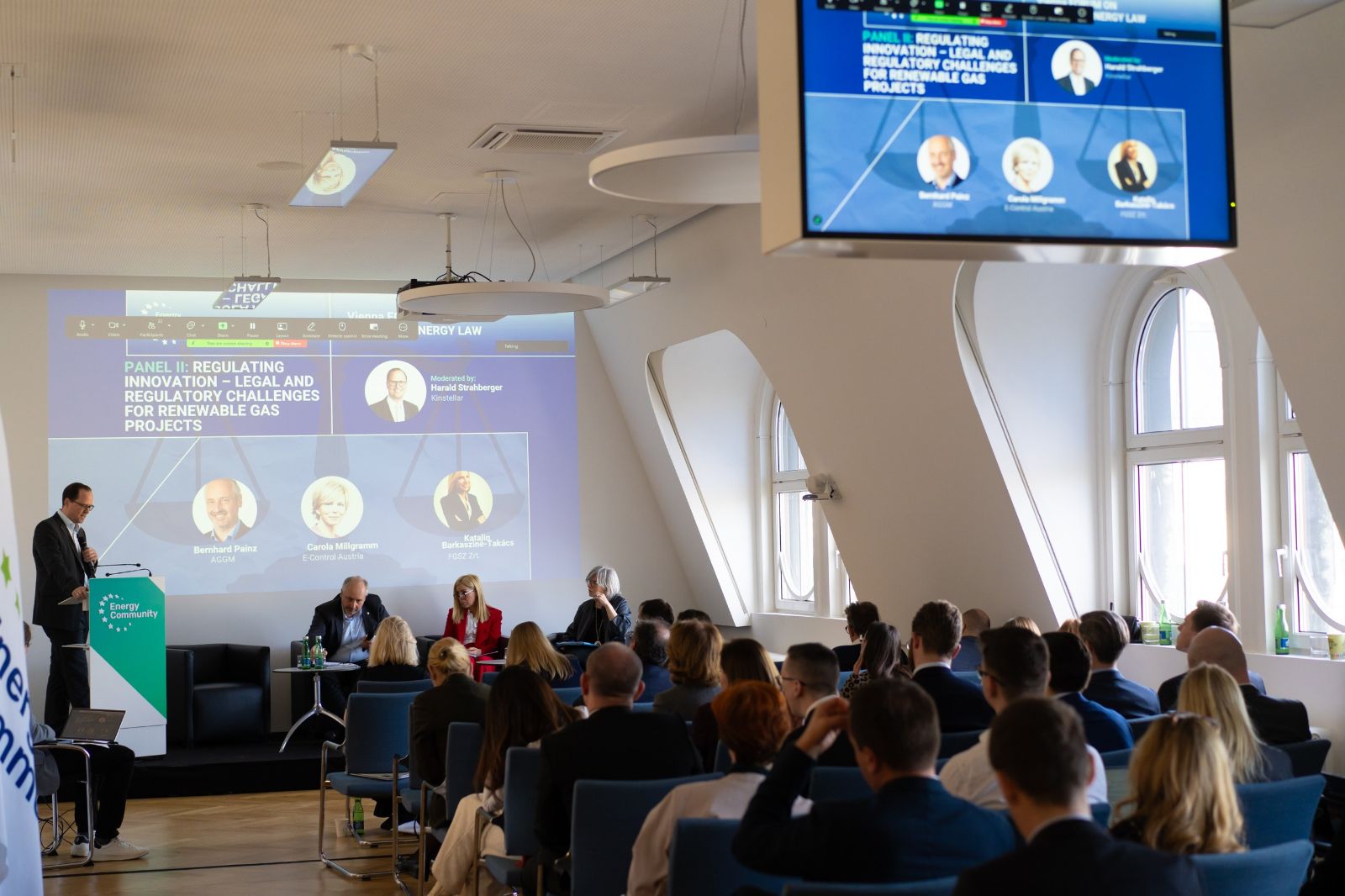
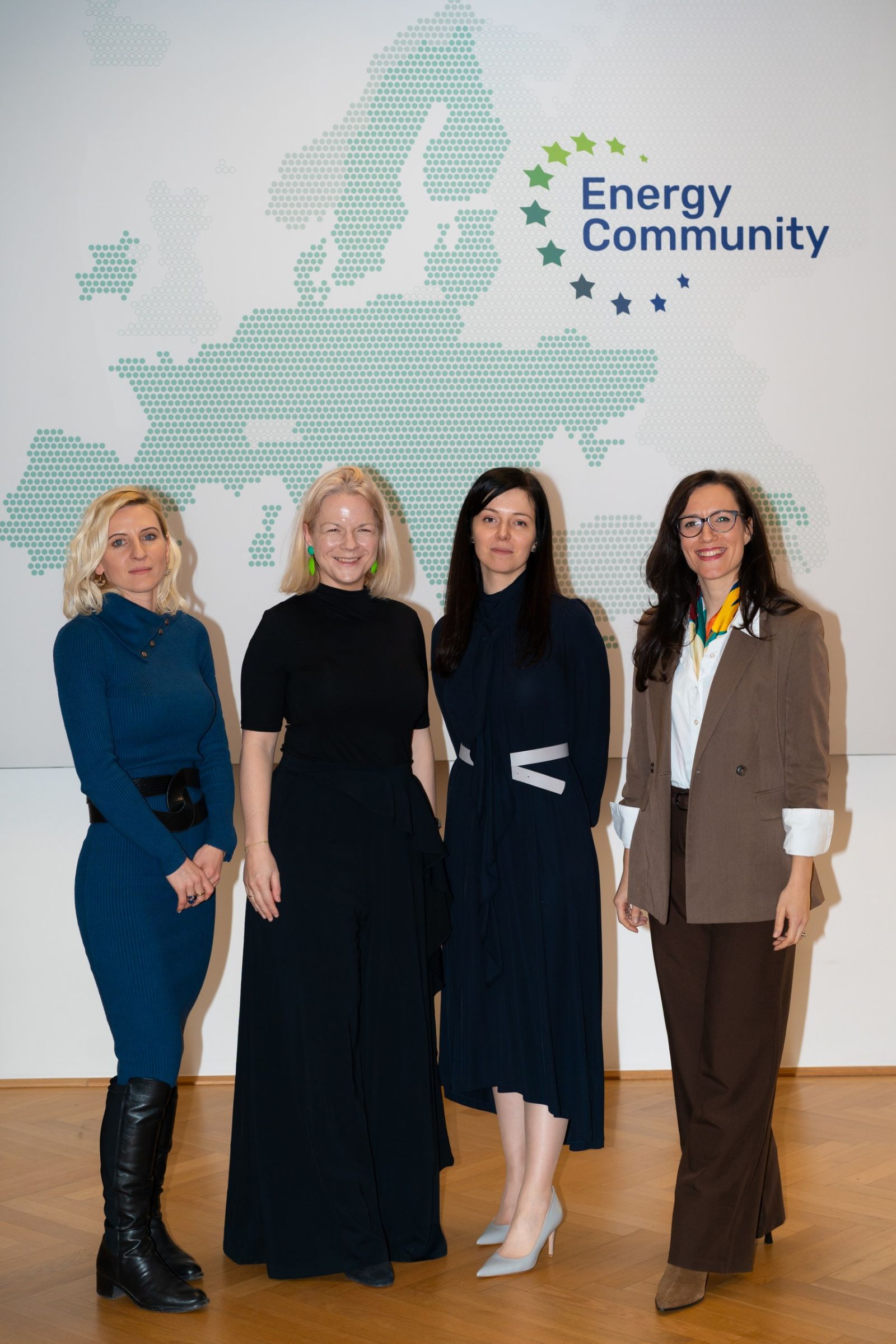
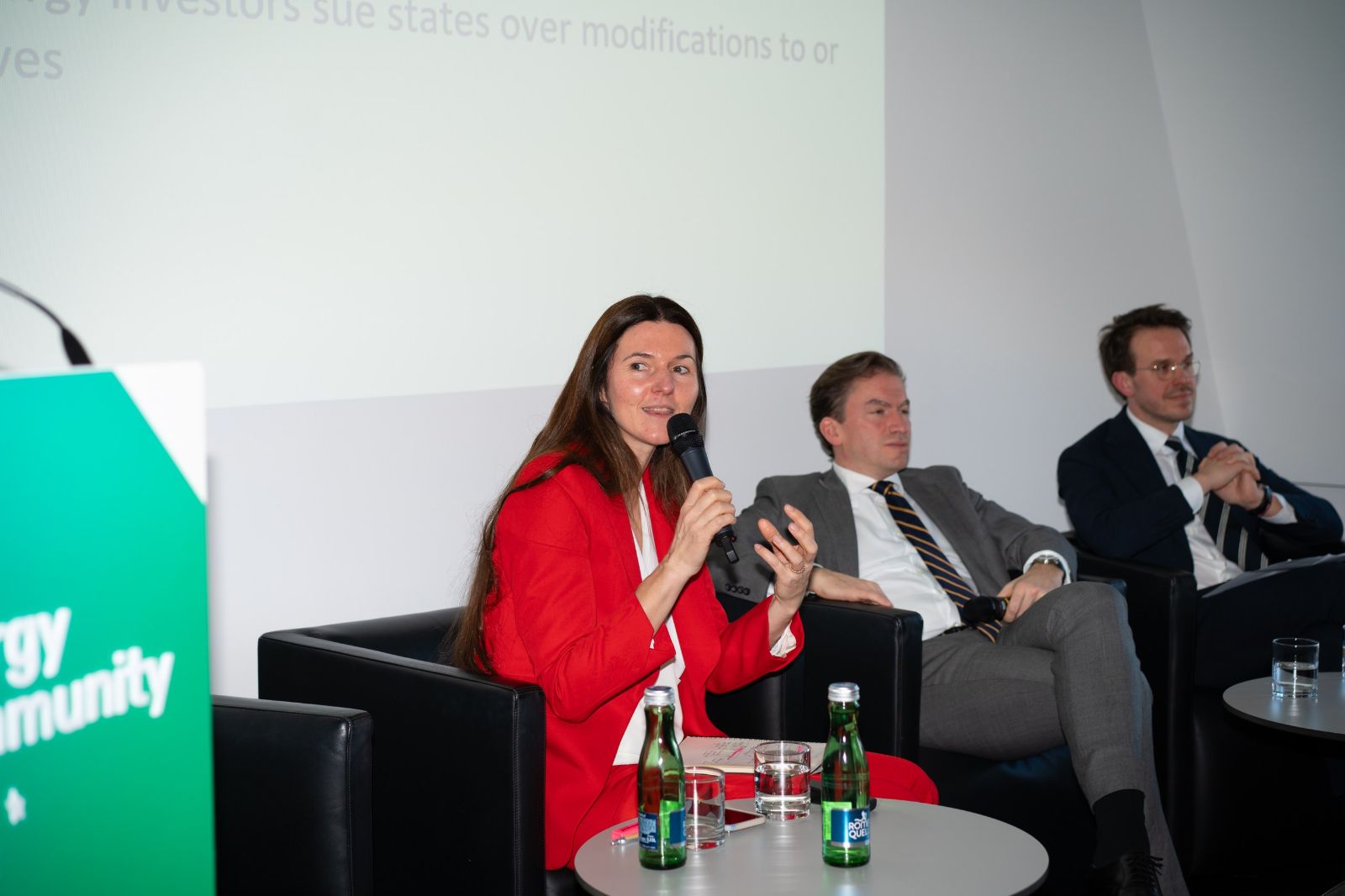
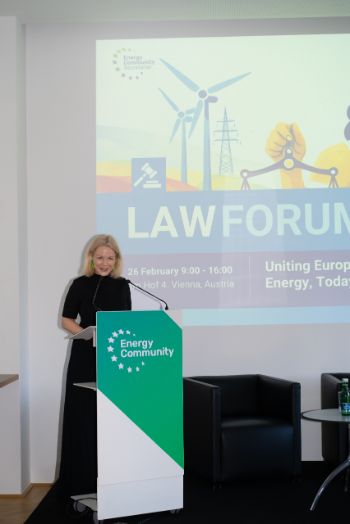
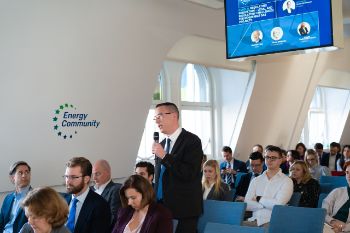
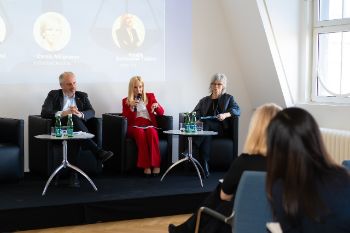
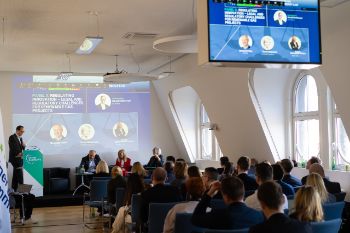
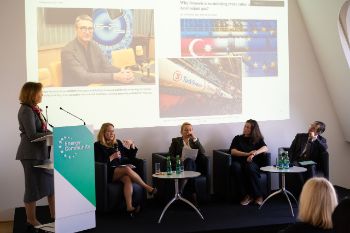
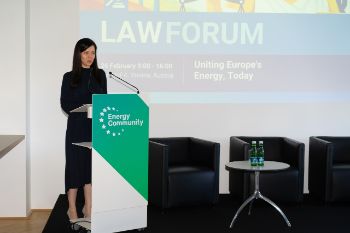
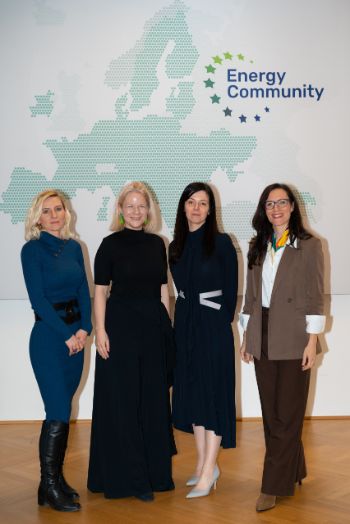
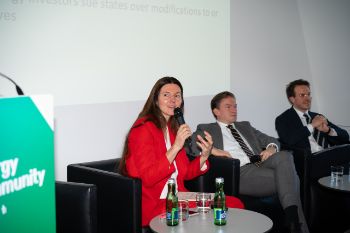
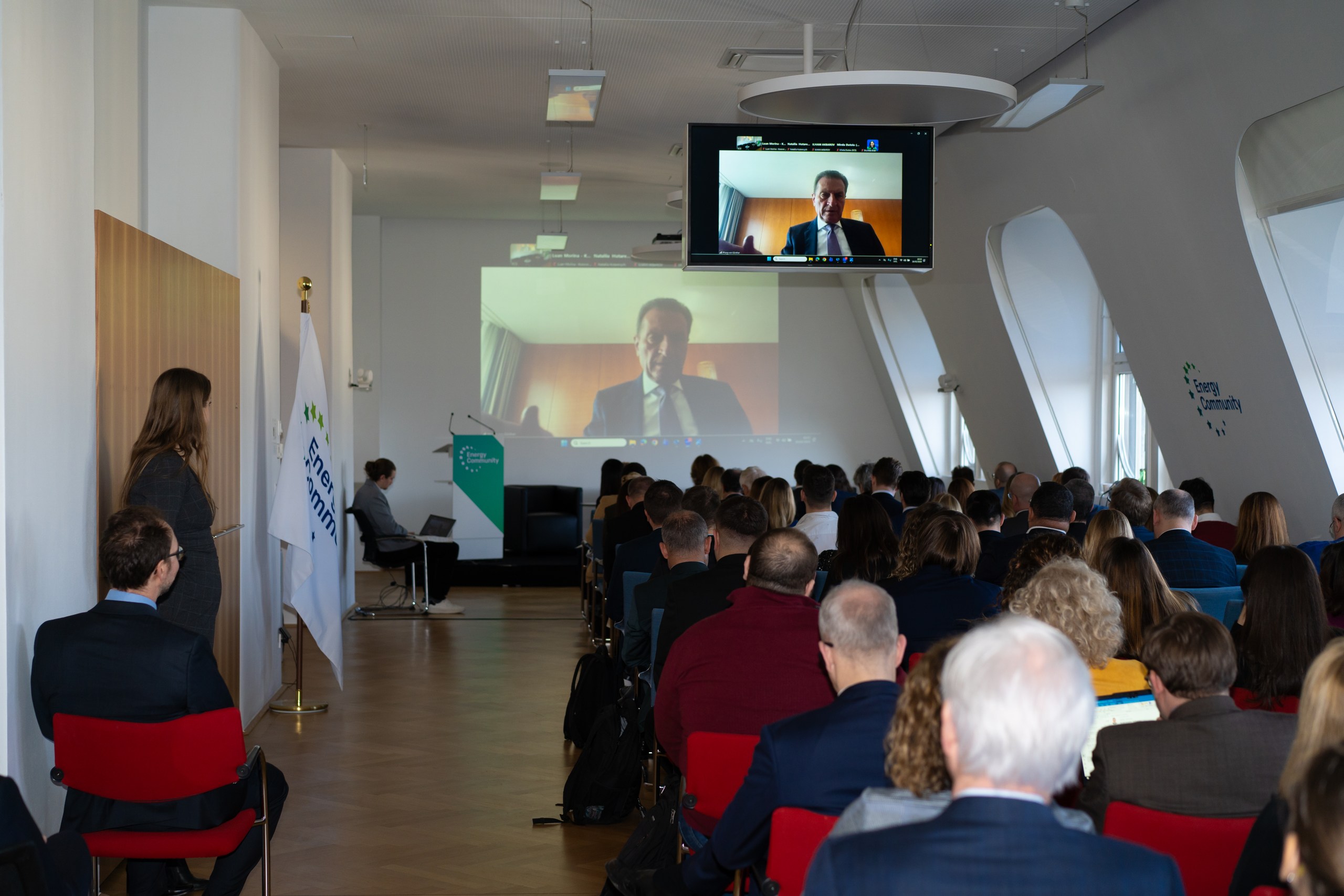
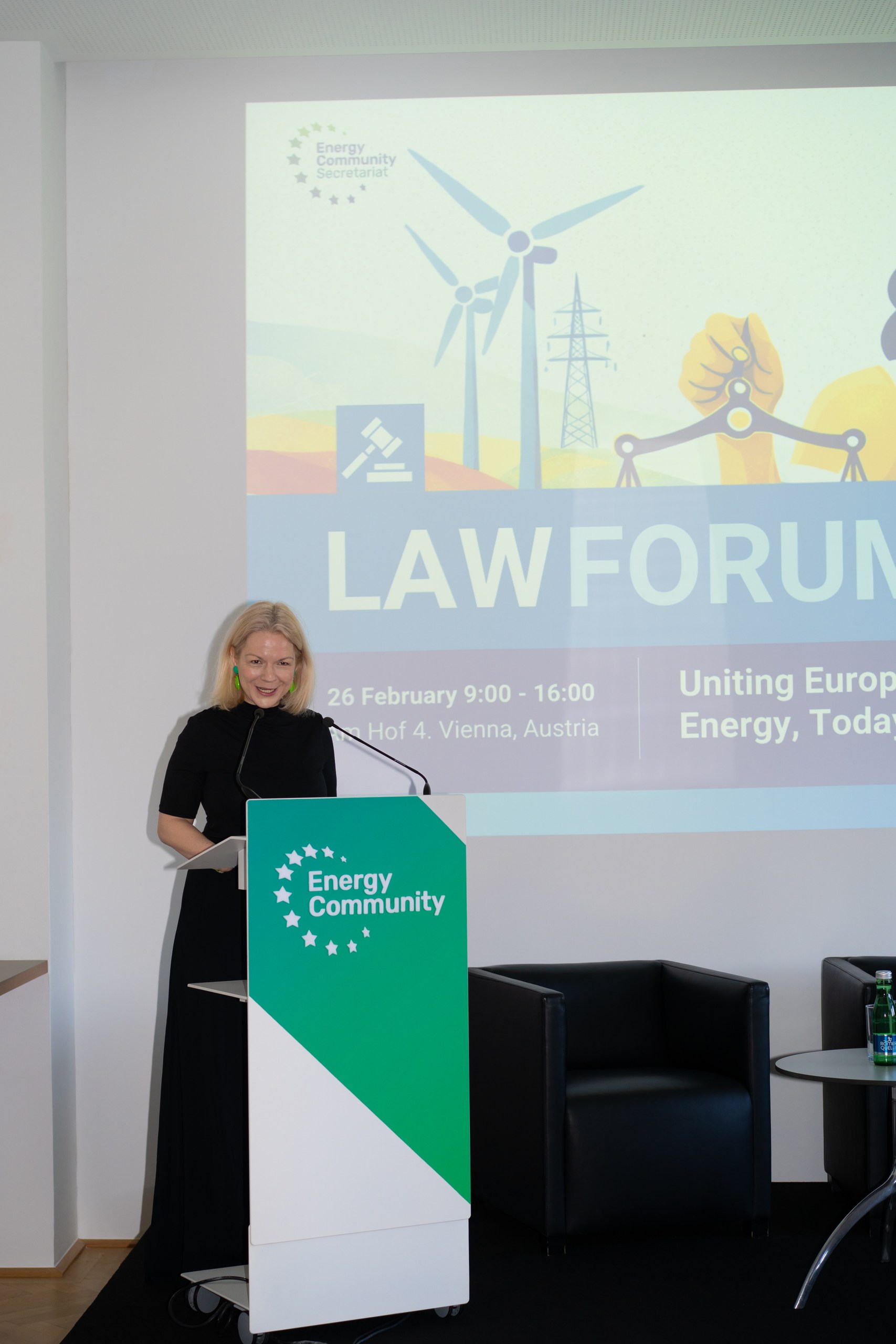
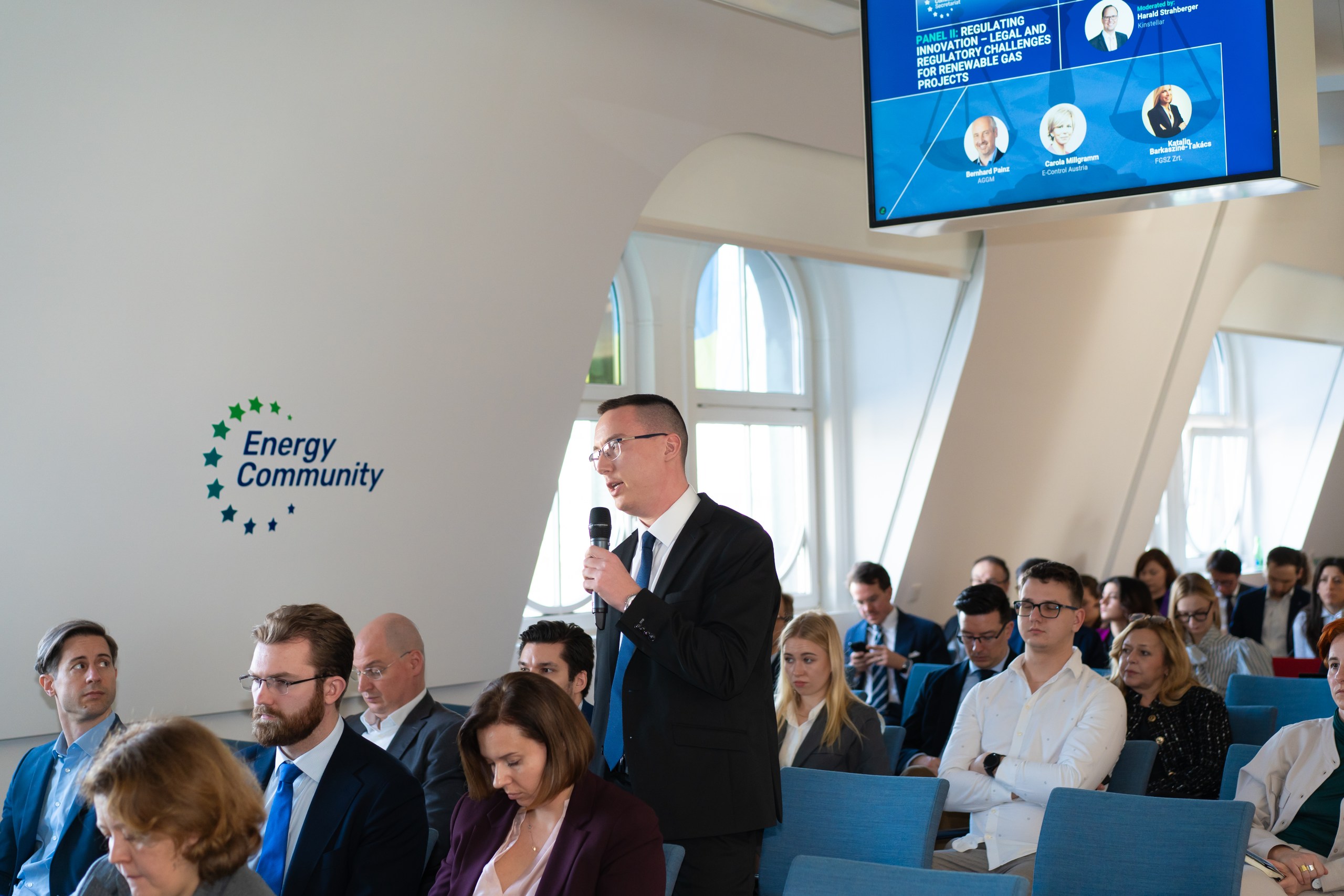
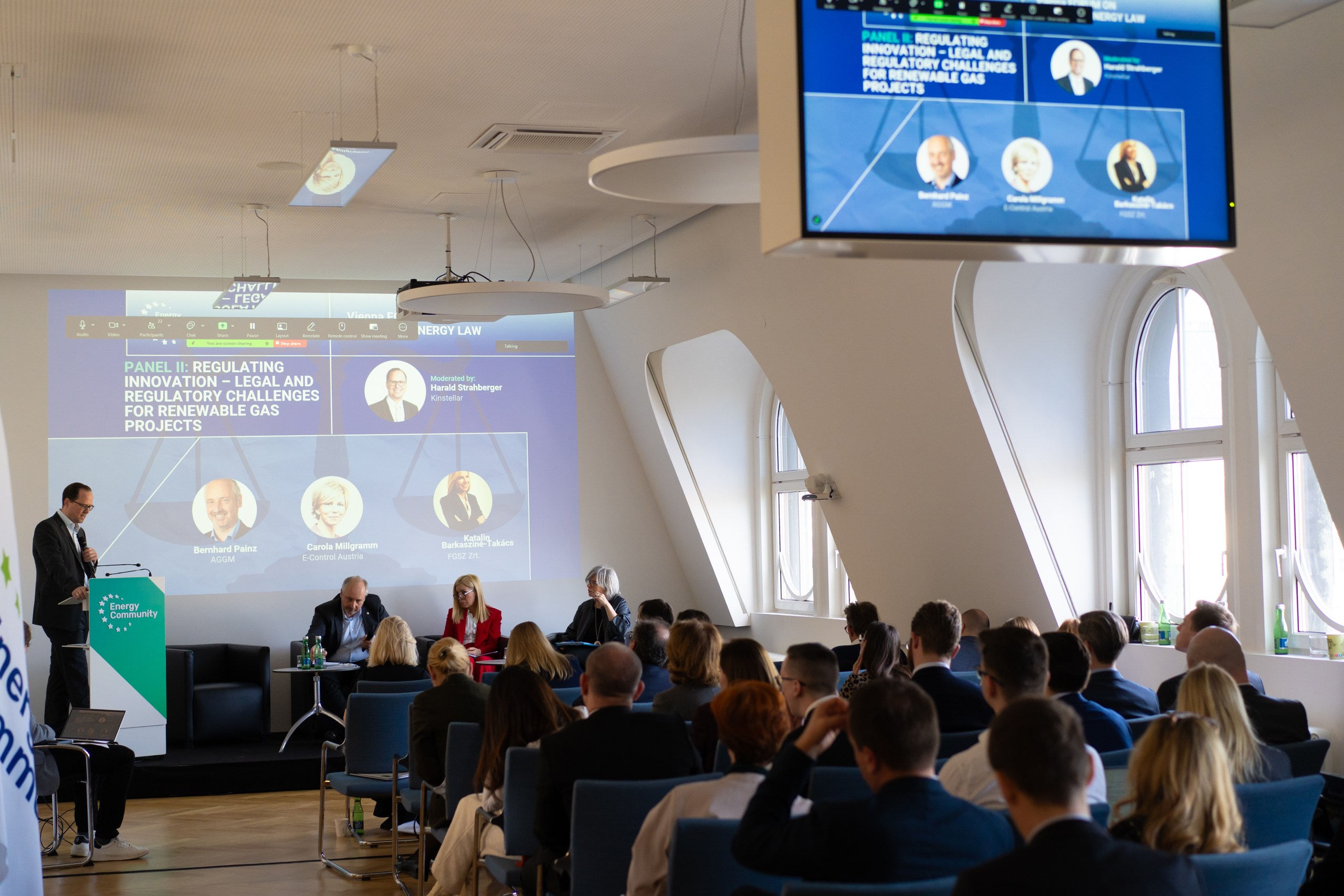
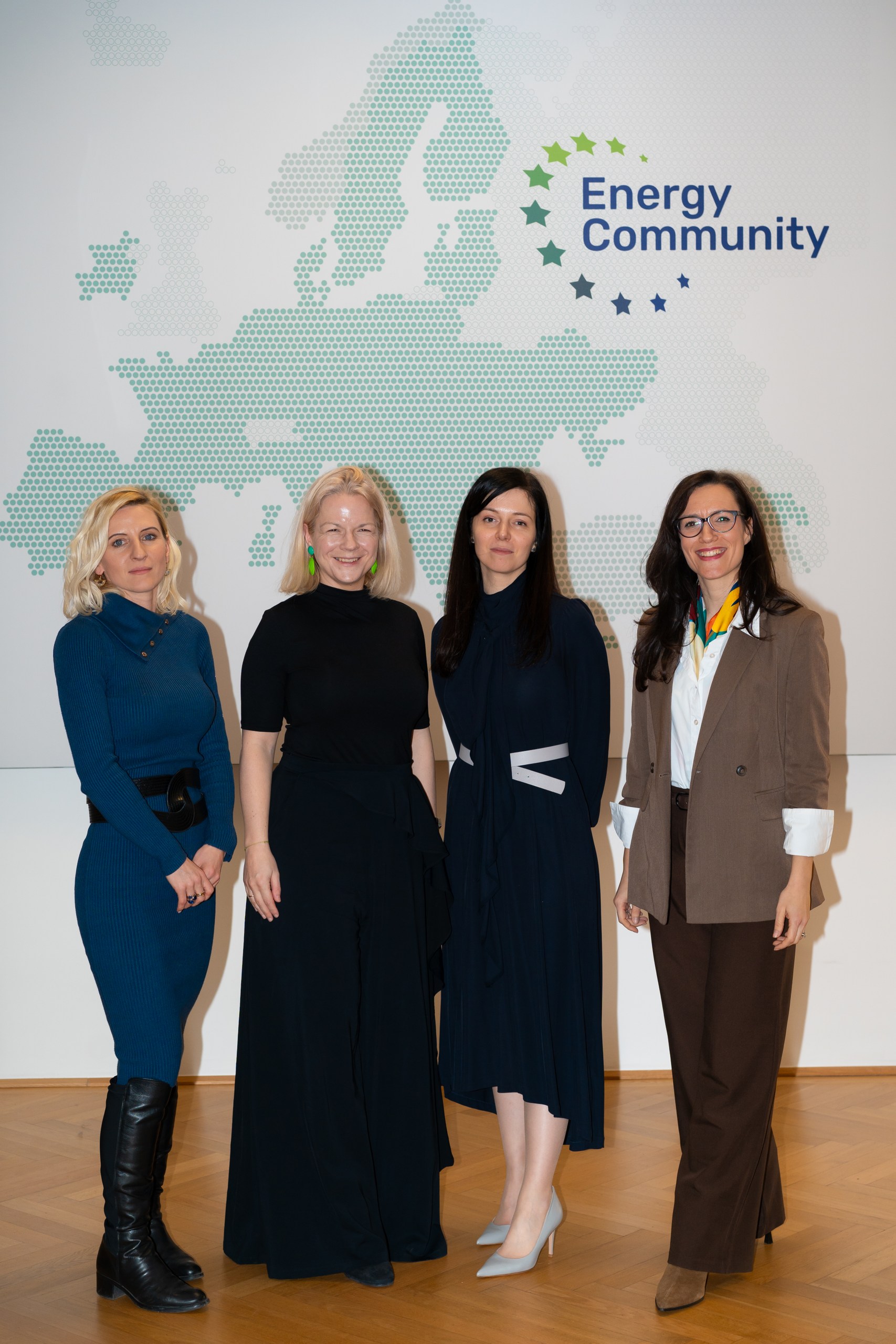
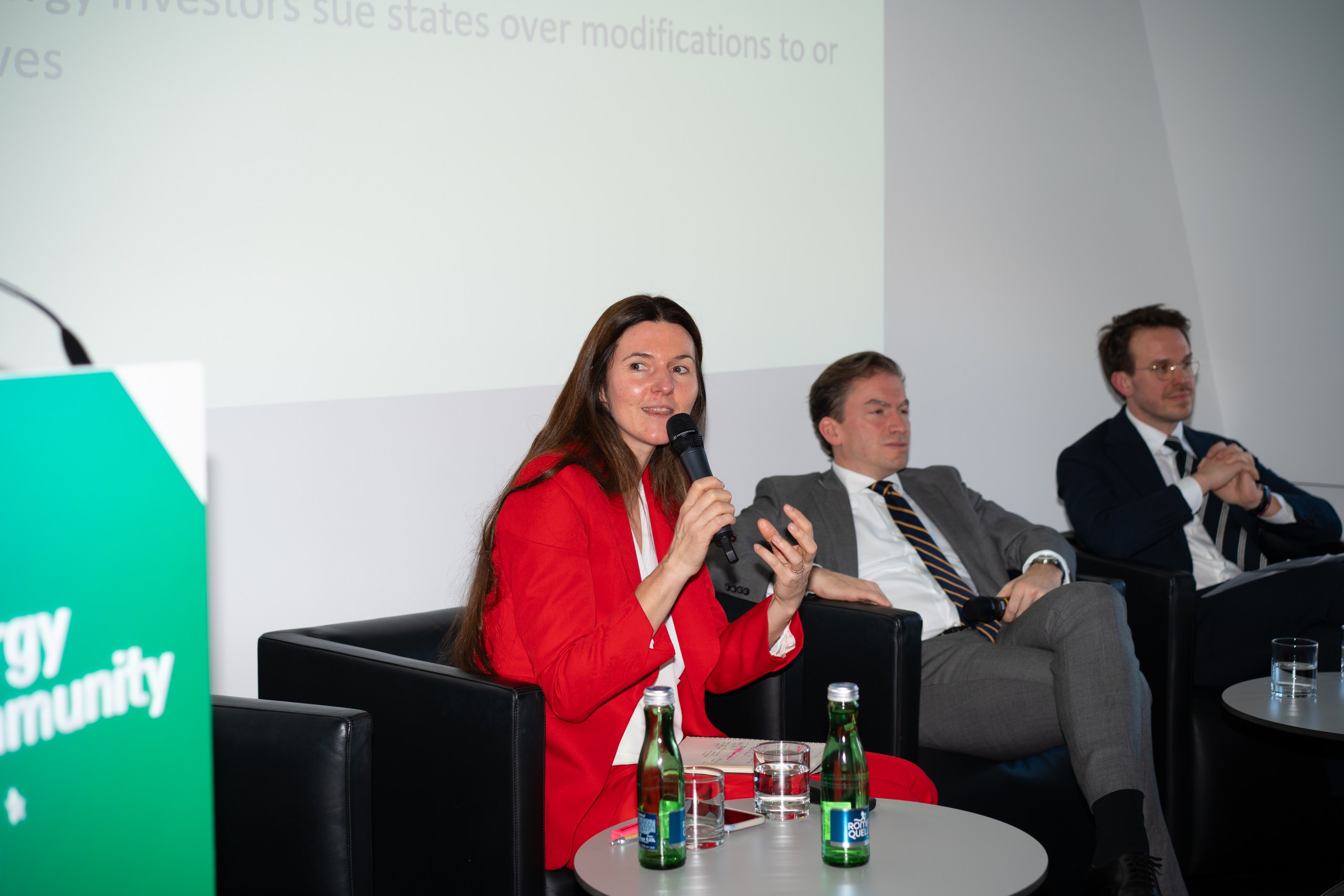
At the Vienna Forum on European Energy Law, organised by the Energy Community Secretariat in partnership with Kinstellar, over 100 experts, policy makers, and industry leaders met to discuss the cascading legal implications of the energy transition for both EU Member States and Energy Community Contracting Parties.
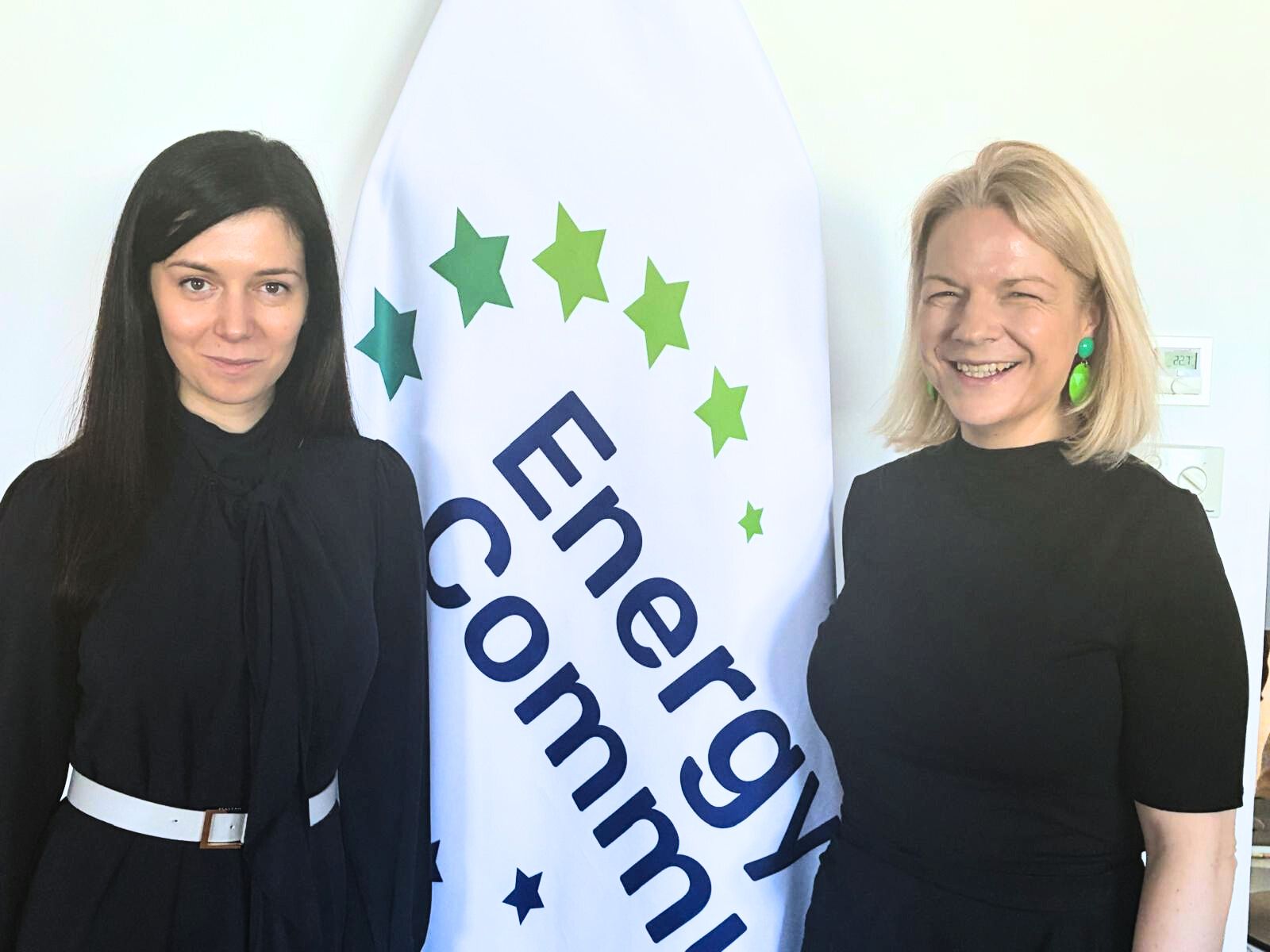
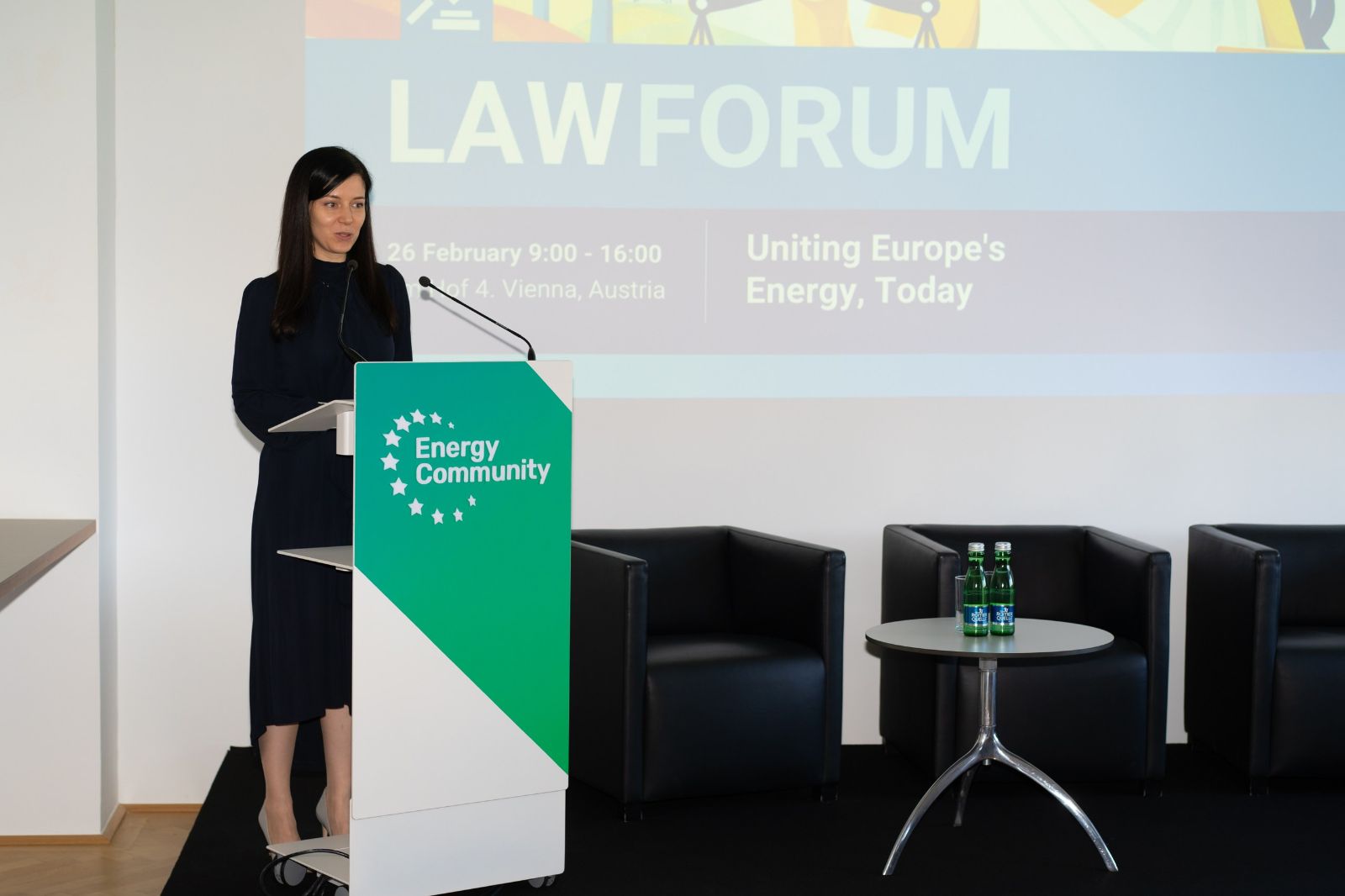
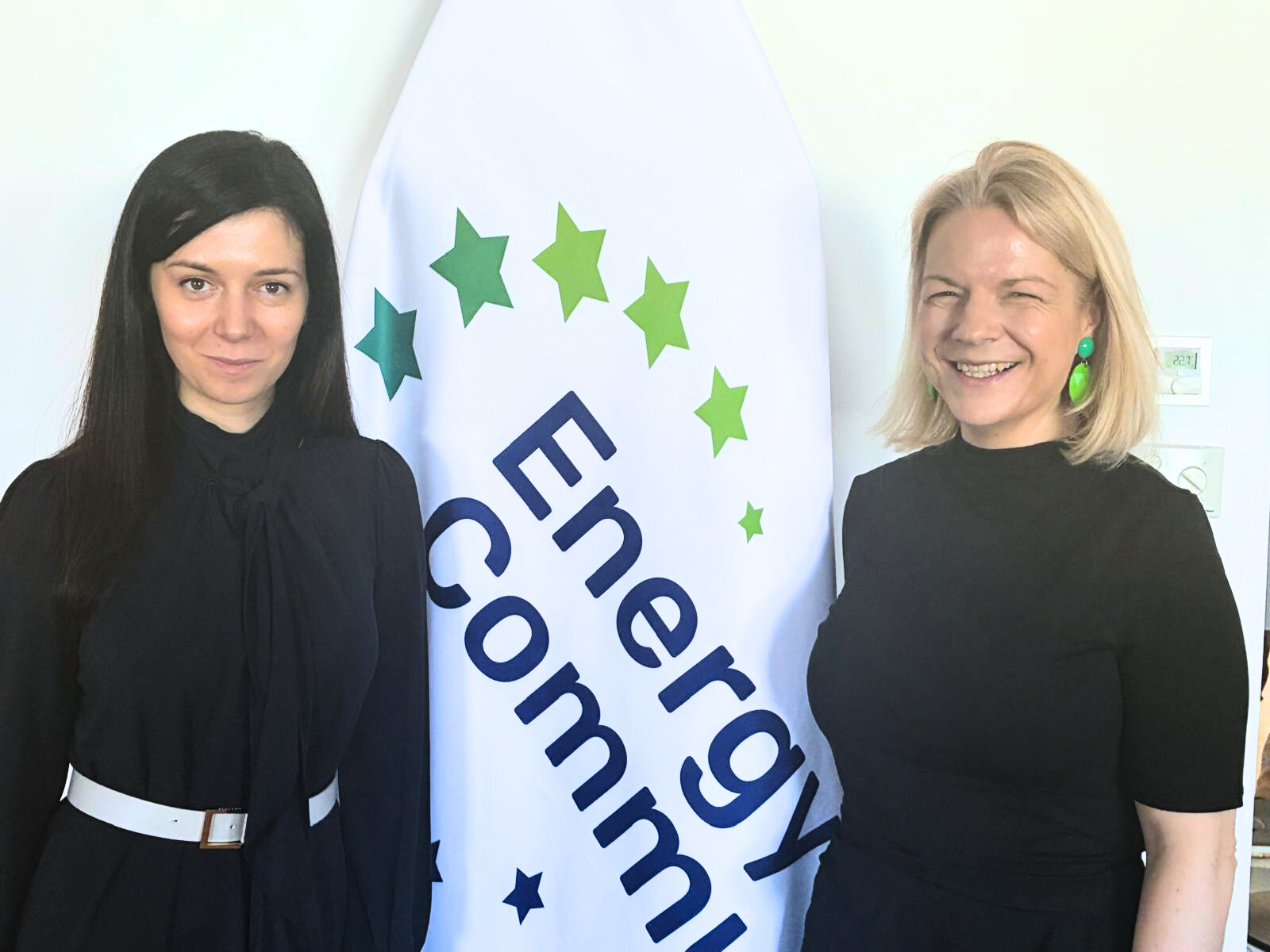
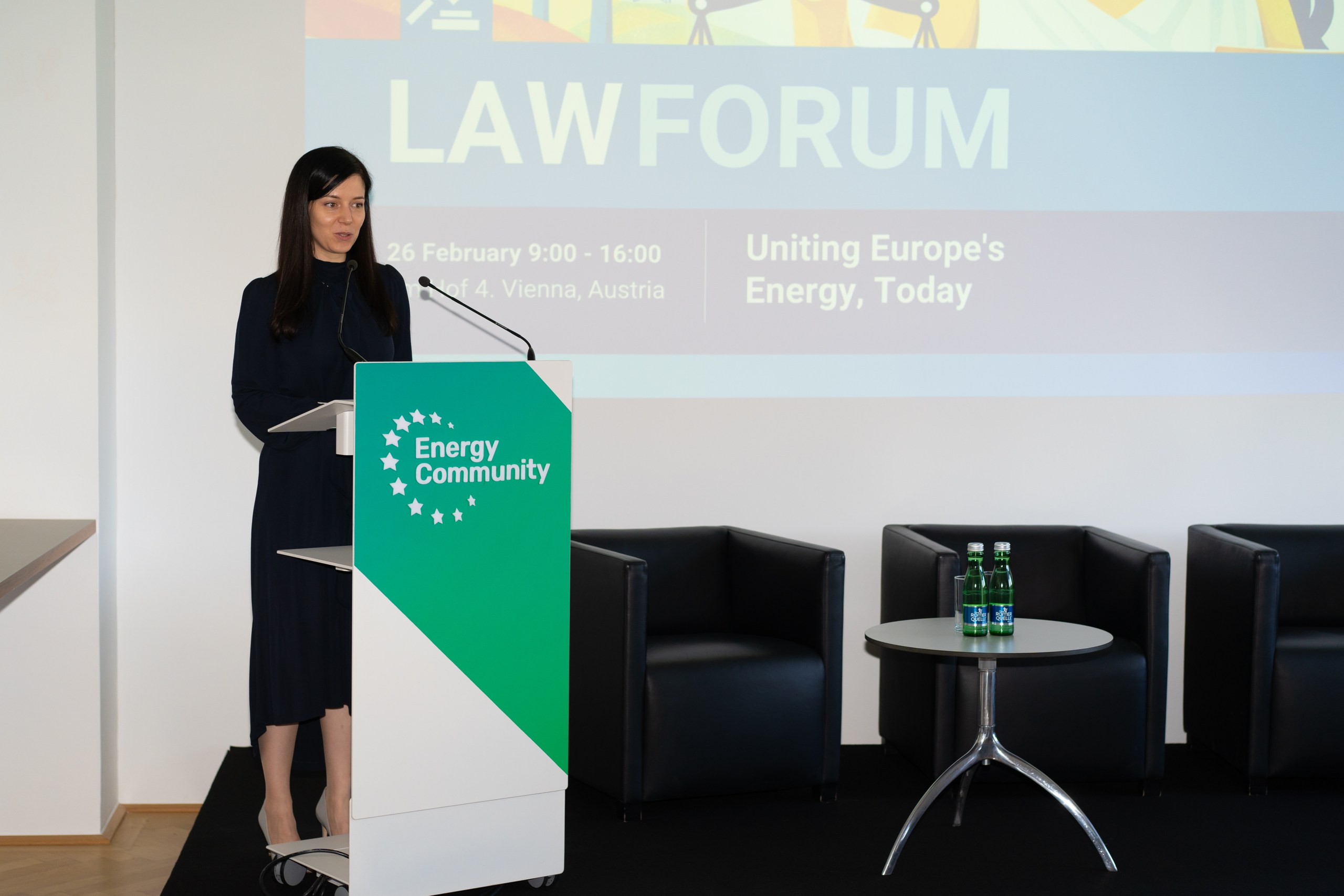
“Energy law is emerging as a central geopolitical instrument shaping Europe’s energy future," affirmed Marie-Therese Richter-Kuhnert, Deputy Director and Head of the Legal Unit at the Energy Community Secretariat. "For both EU Member States and Energy Community Contracting Parties, energy law will either reinforce unity and resilience — or expose the system to greater uncertainty and disputes.”
For Energy Community Contracting Parties advancing integration into the EU’s internal energy market through the adoption of the EU energy acquis, the current legal transformation carries particular weight. On the one hand, energy security pressures like the phase-out of Russian gas have added urgency to the integration imperative. As former European Commissioner and Vice-President of the European Commission Günther H. Oettinger noted in his keynote address at the forum, closer coordination between EU Member States and the Energy Community can boost Europe’s energy sovereignty by opening new routes and strengthening market competitiveness. Integration is equally important for the energy transition, as a route to larger, more stable and more competitive markets capable of sustaining renewables.
At the same time, rapid regulatory change introduces uncertainty into the very legal frameworks that integration depends upon. The EU’s commitment to eliminate dependence on Russian gas by 2027 is reshaping supply chains, transit arrangements and the role of LNG, while raising complex legal and commercial challenges.
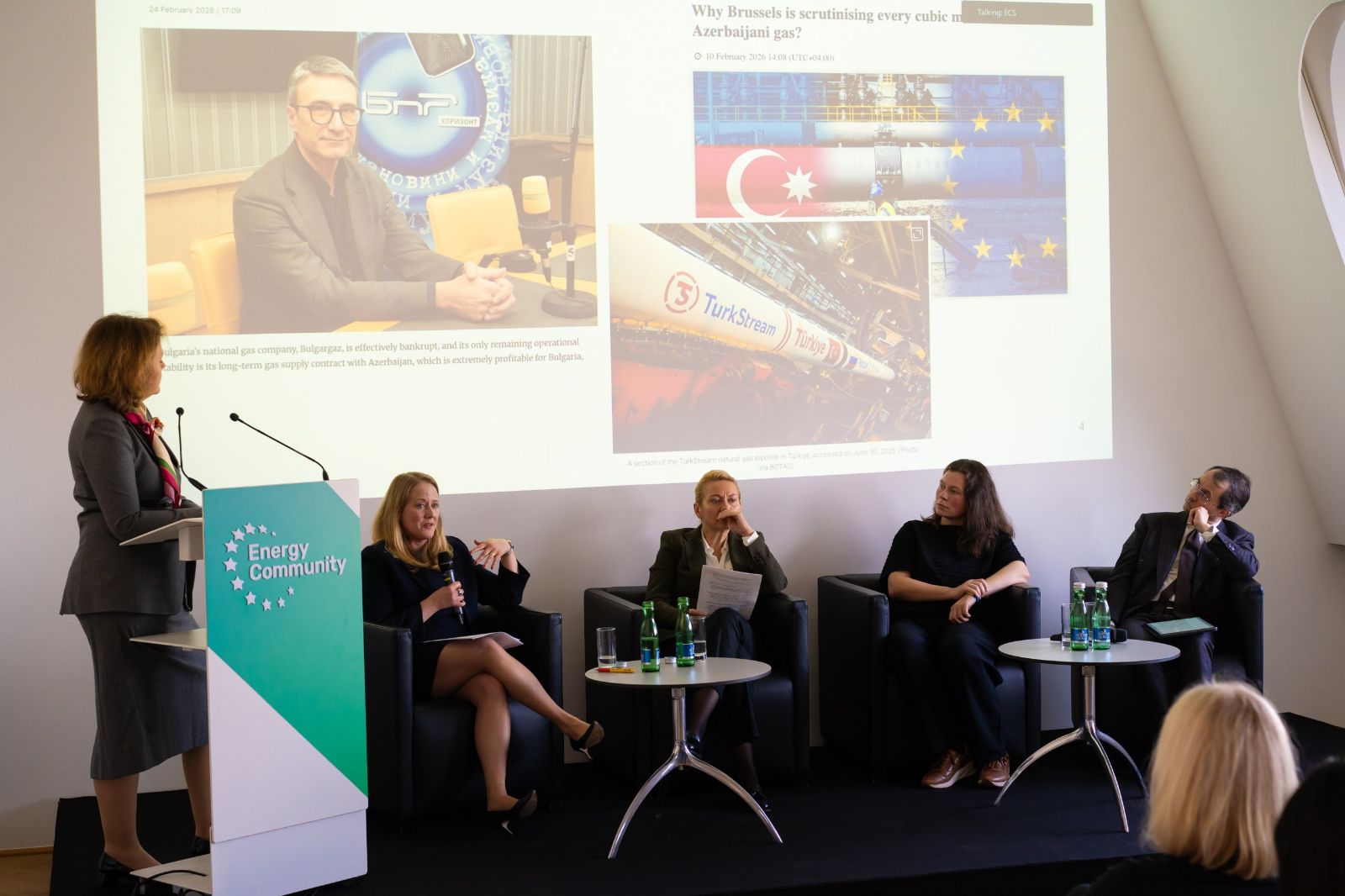
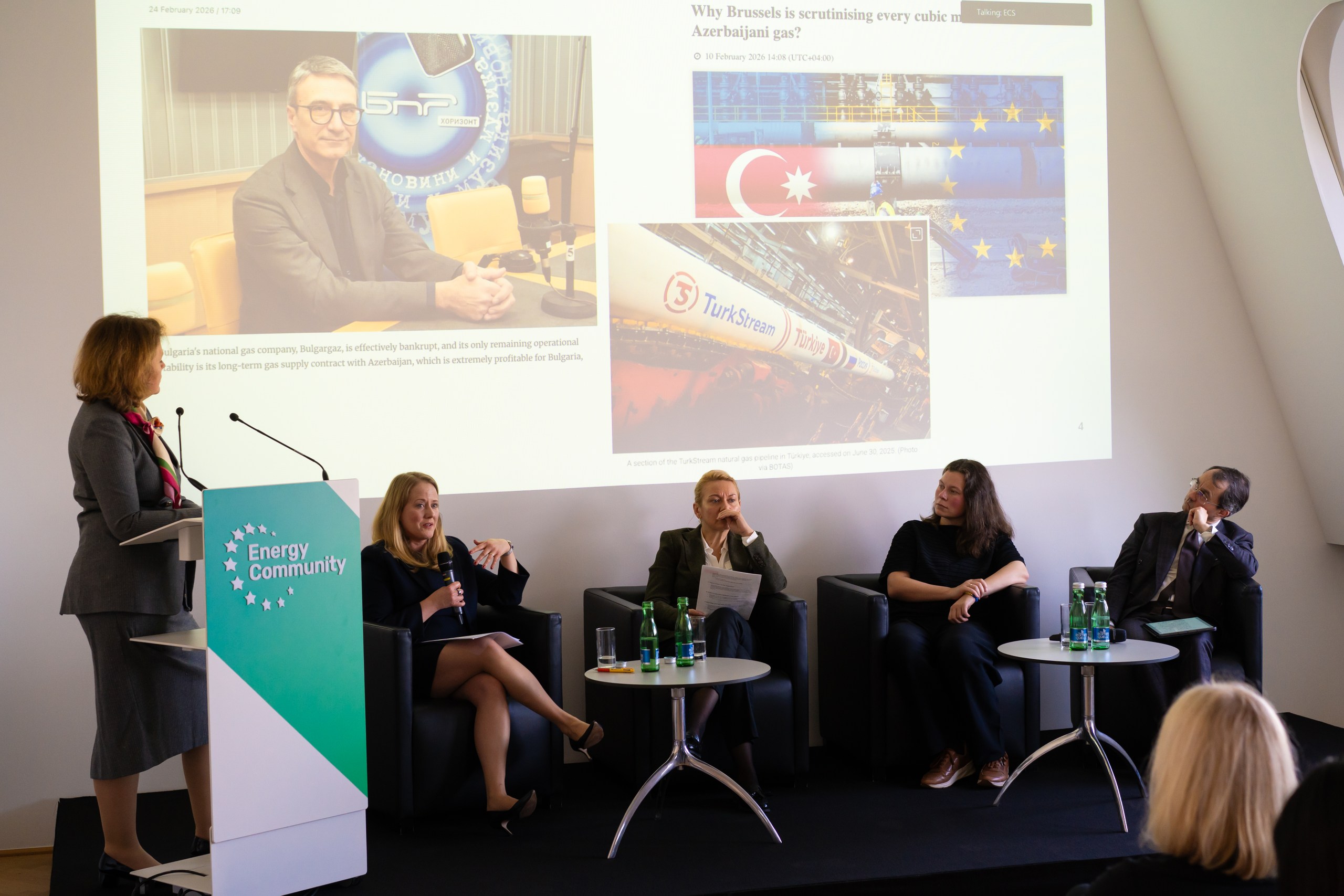
“Ban of Russian gas is a long-awaited measure by the EU. Robust legal mechanisms and business strategies need to be implemented in order to end dependence on the russian gas. It will not come easy but there is no other choice,” said Olena Kuchynska, Partner, at Kinstellar Ukraine.
In parallel, the pace of regulatory change around the energy transition is testing the limits of legal stability, with retroactive interventions becoming more common, and policymakers increasingly forced to balance climate urgency against investor certainty. Achieving regulatory clarity will therefore be critical to maintaining momentum and credibility of EU-Energy Community energy market integration.
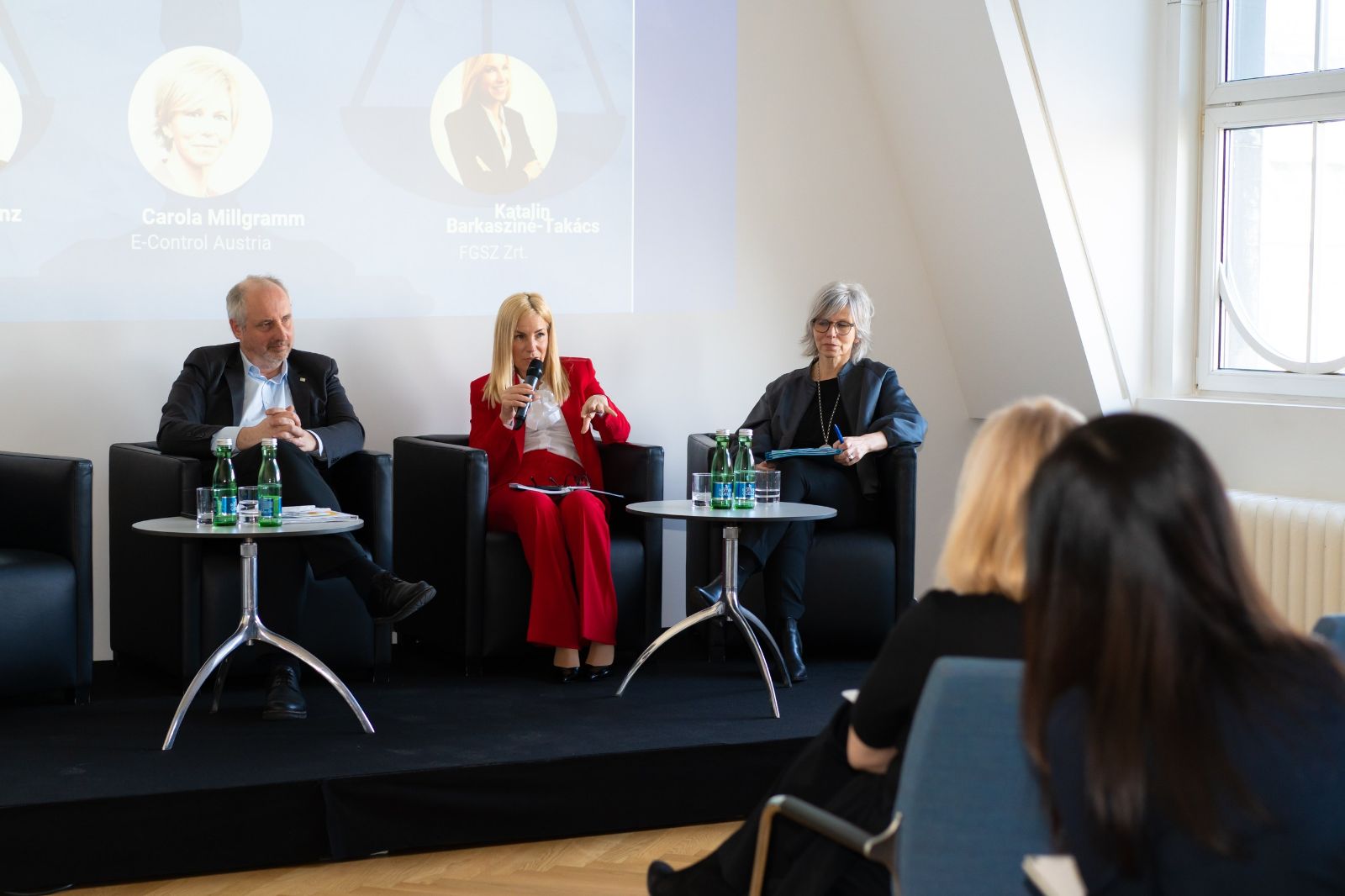
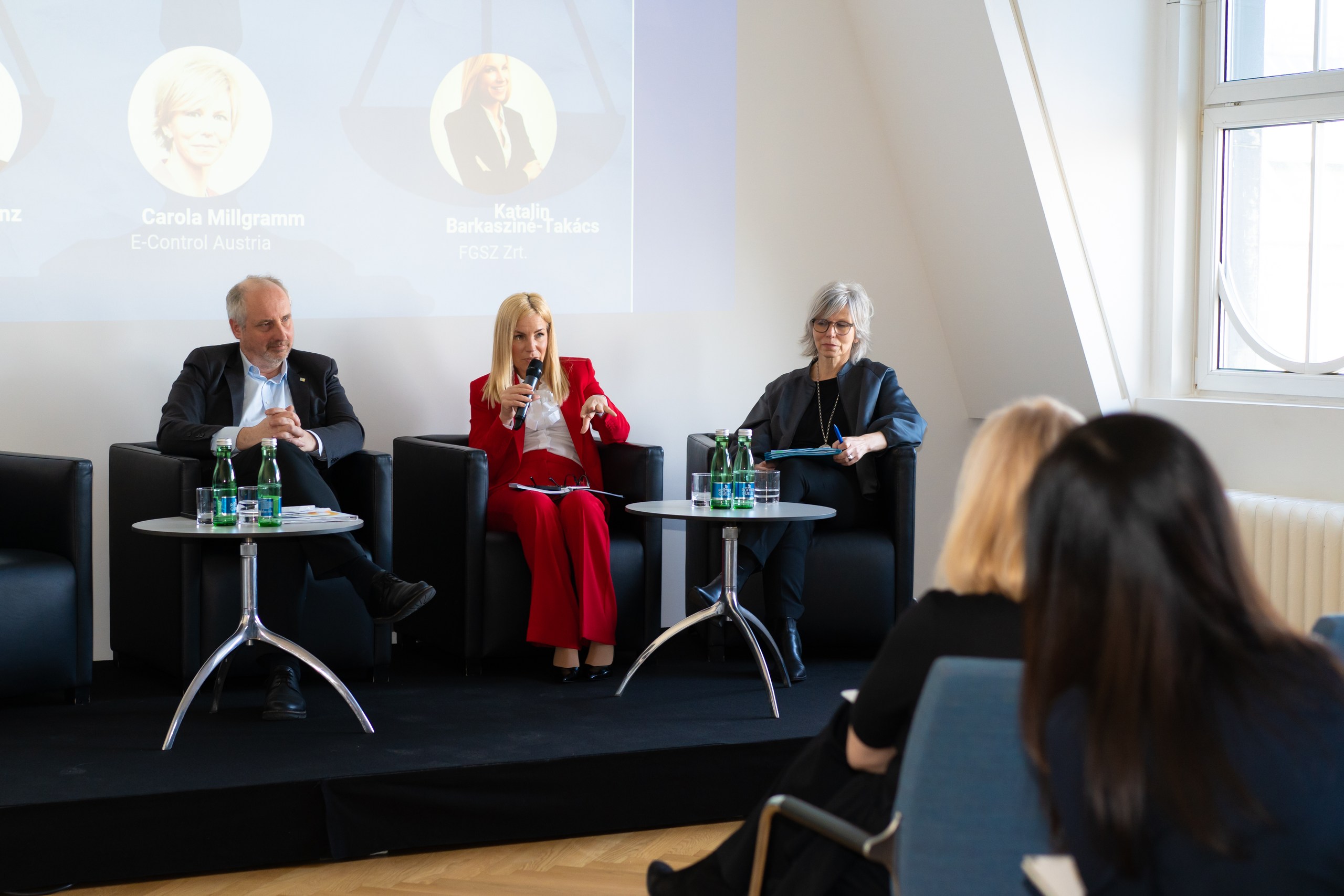
Reflecting on the event, Harald Strahberger, Partner, Kinstellar Austria, said, “Honoured to take part in this event, and thank you to the Energy Community Secretariat for the initiative and for involving Kinstellar. My panel highlighted how quickly renewable gas innovation is moving and how regulation is still finding its footing. The EU and Energy Community frameworks are developing, but national implementation can feel fragmented, especially around network access, infrastructure, and permitting. It was a helpful conversation on what would make it easier to move projects from plans to reality.”
We would like to thank Kinstellar for their support in organising this event, including their valuable contribution to shaping the content and key discussion themes. In particular, we would like to thank the speakers Olena Kuchynska (Partner, Ukraine) and Harald Strahberger (Partner, Austria) for their valuable insights during the panels they moderated.