
Energy Community Oil Forum moves needle on regional crisis preparedness
New Oil Coordination Group will strengthen early warning and joint crisis response in Southeast and Eastern Europe
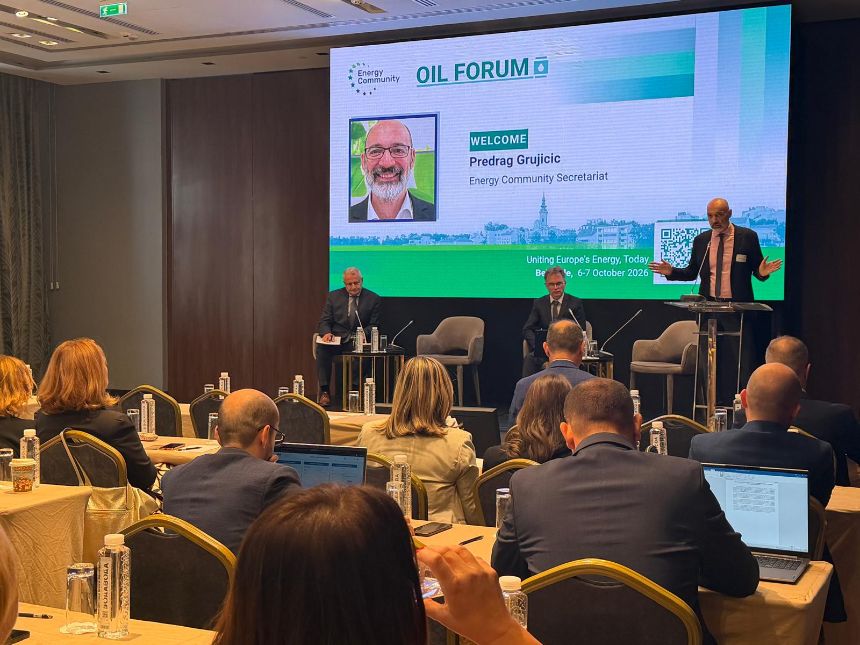
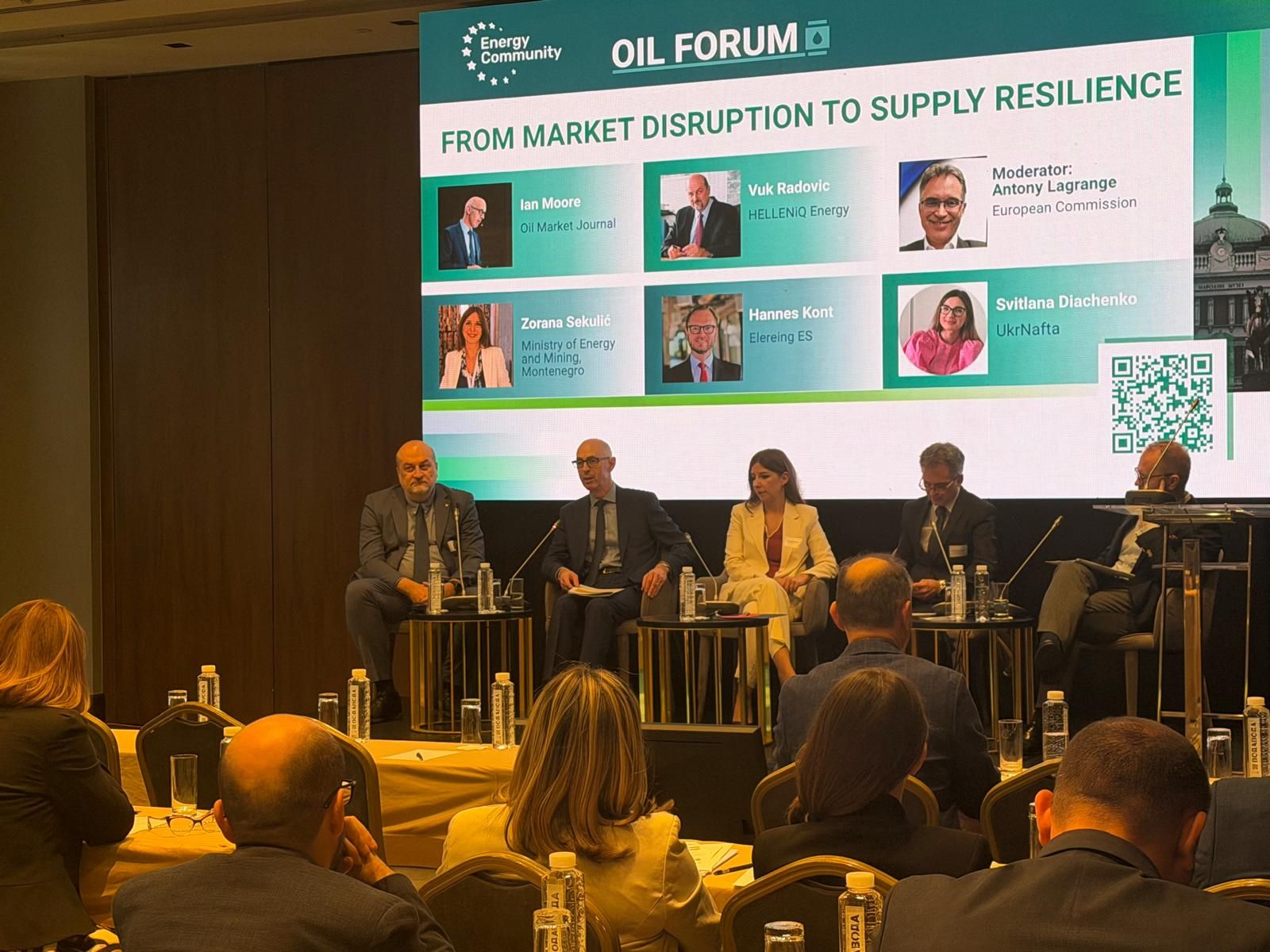
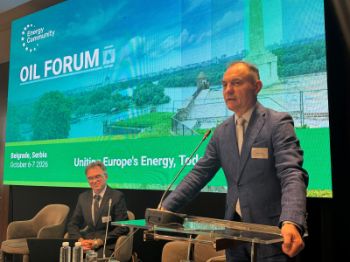
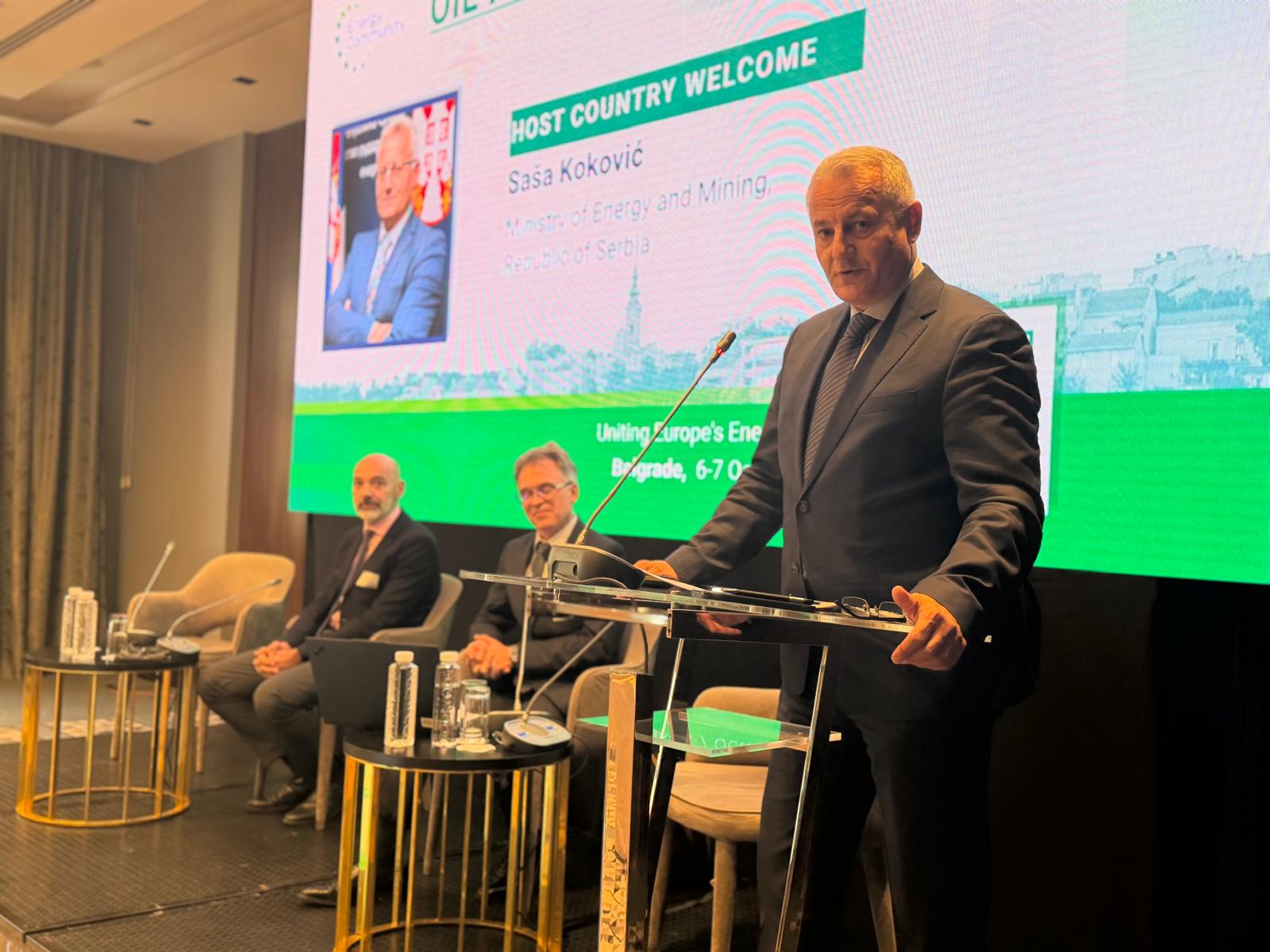
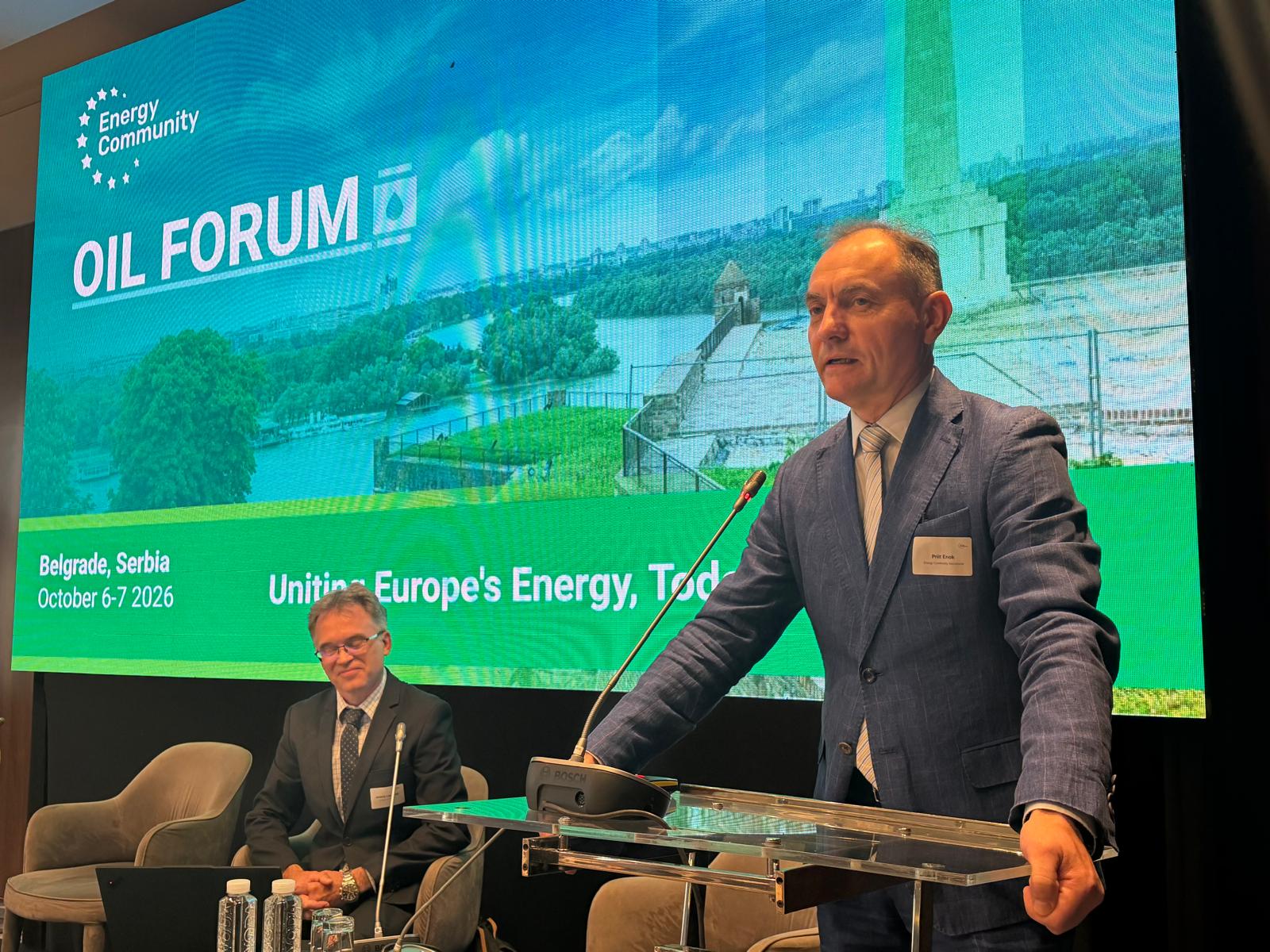
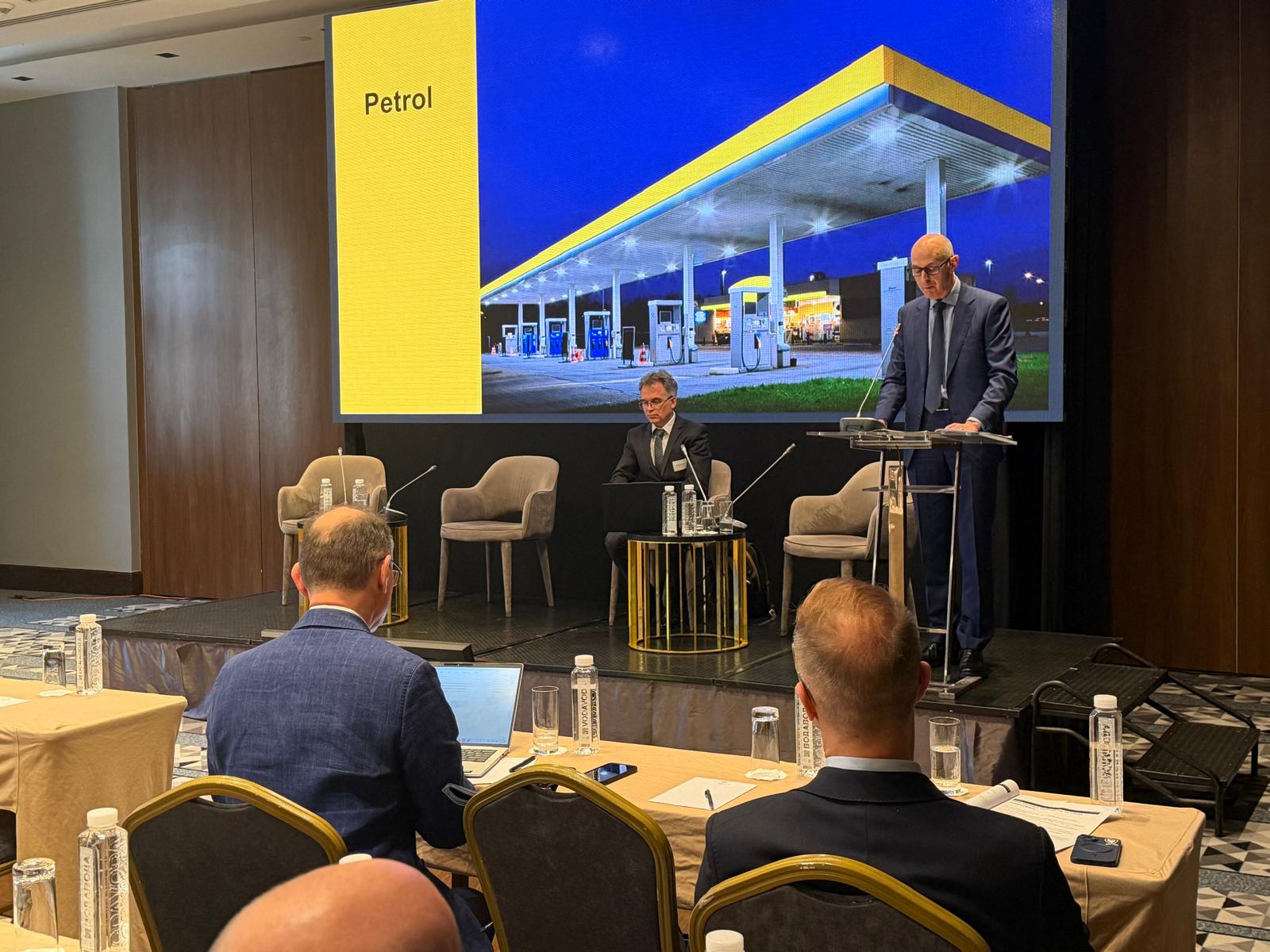
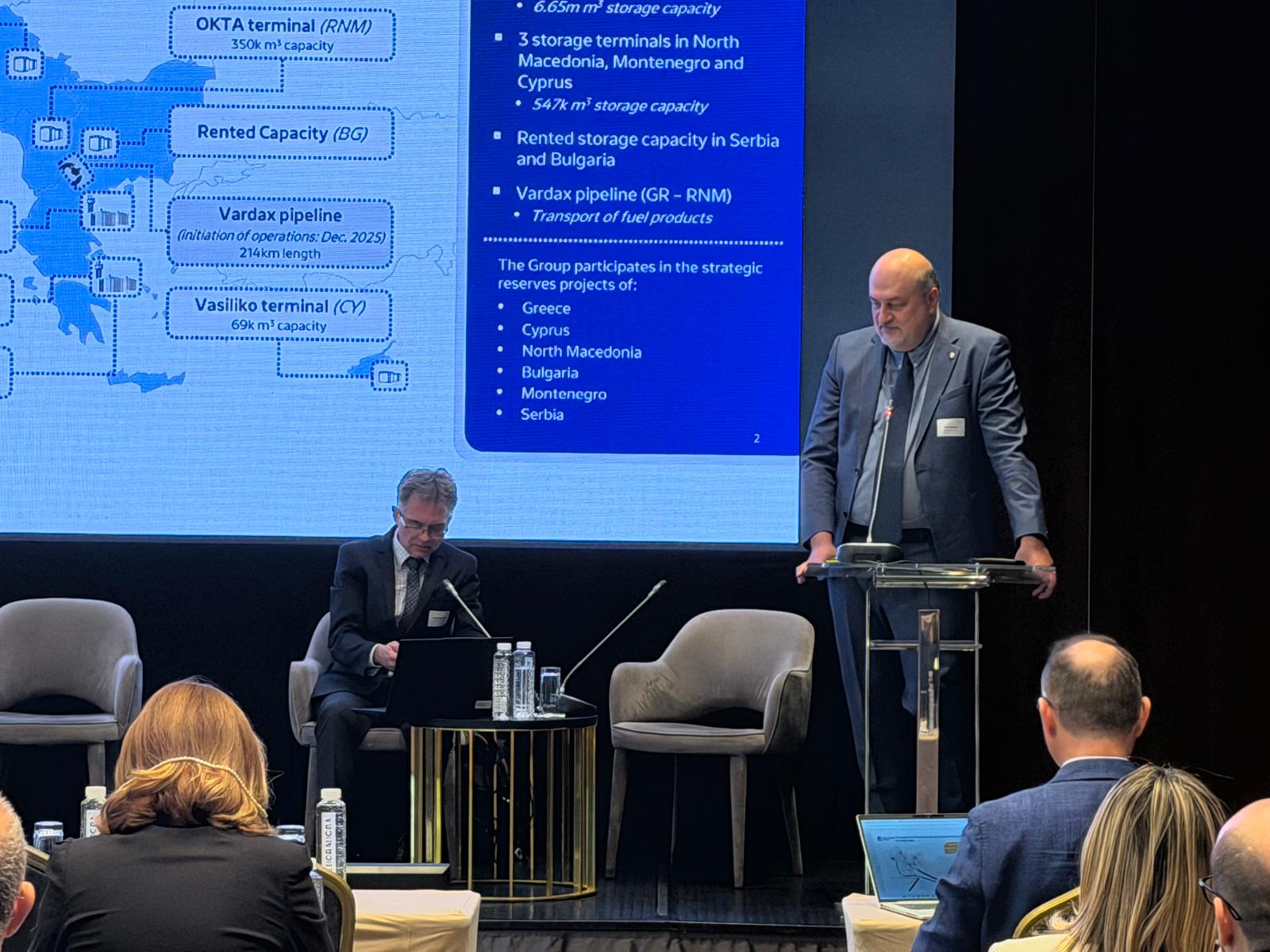
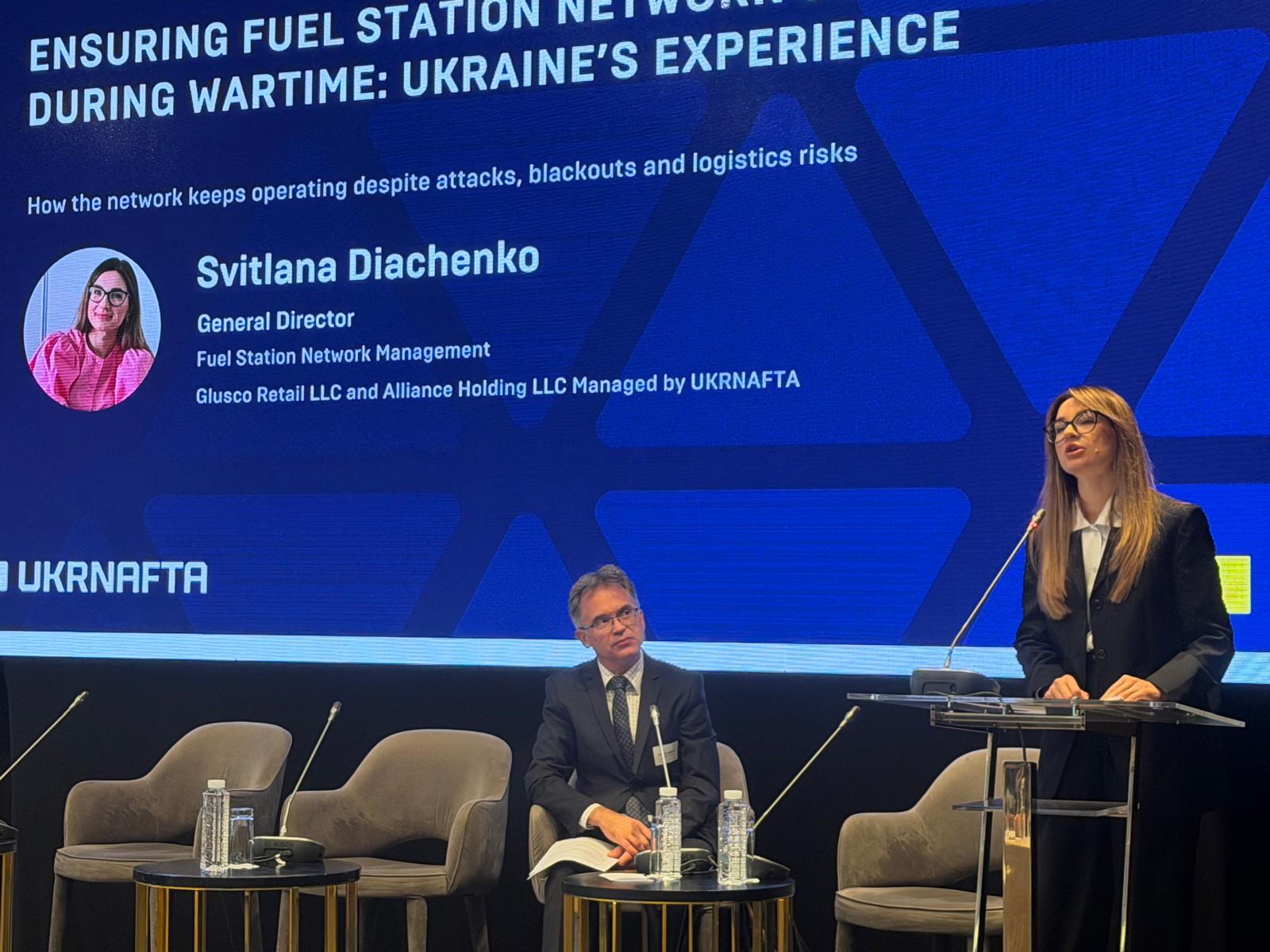
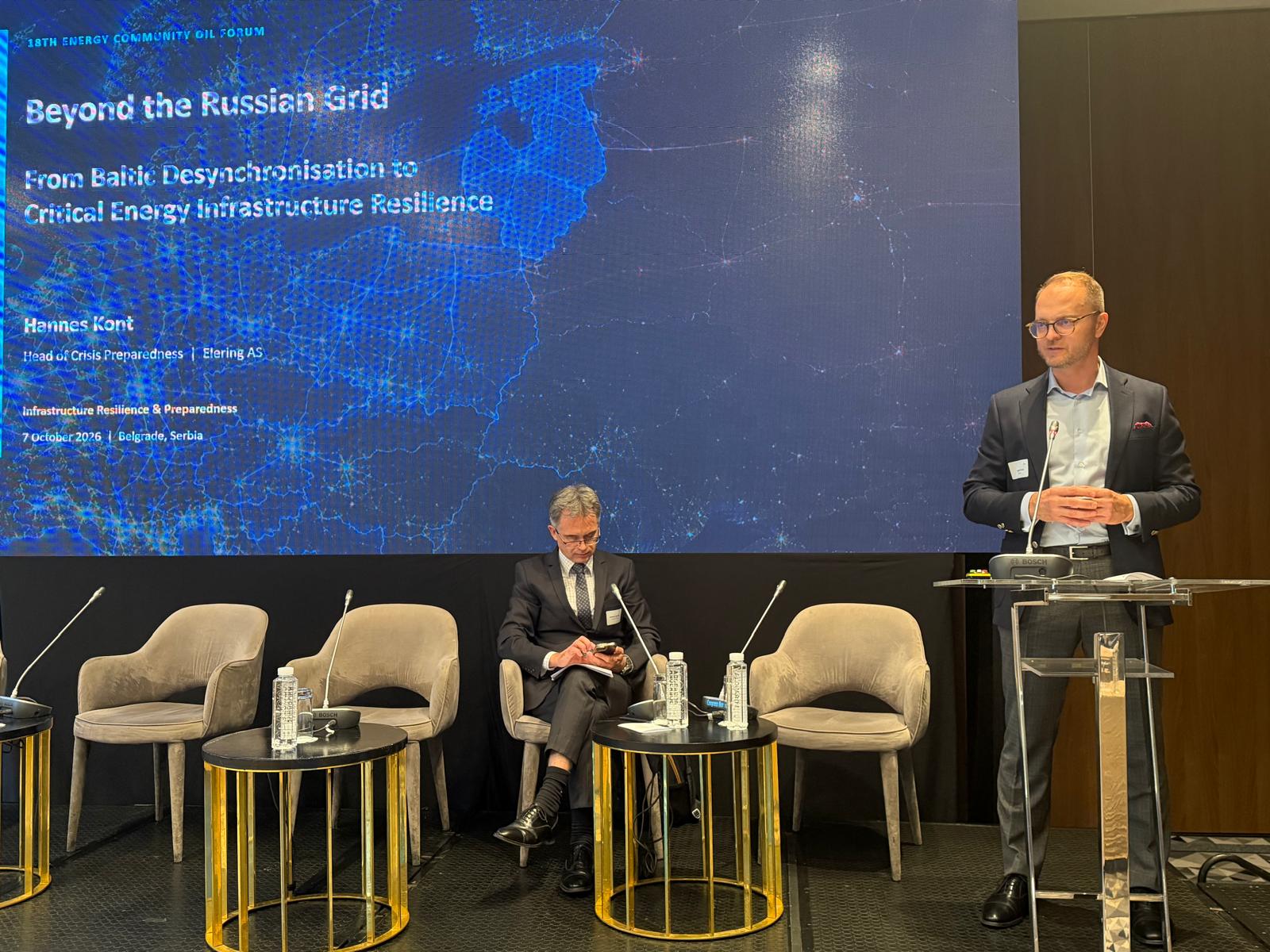
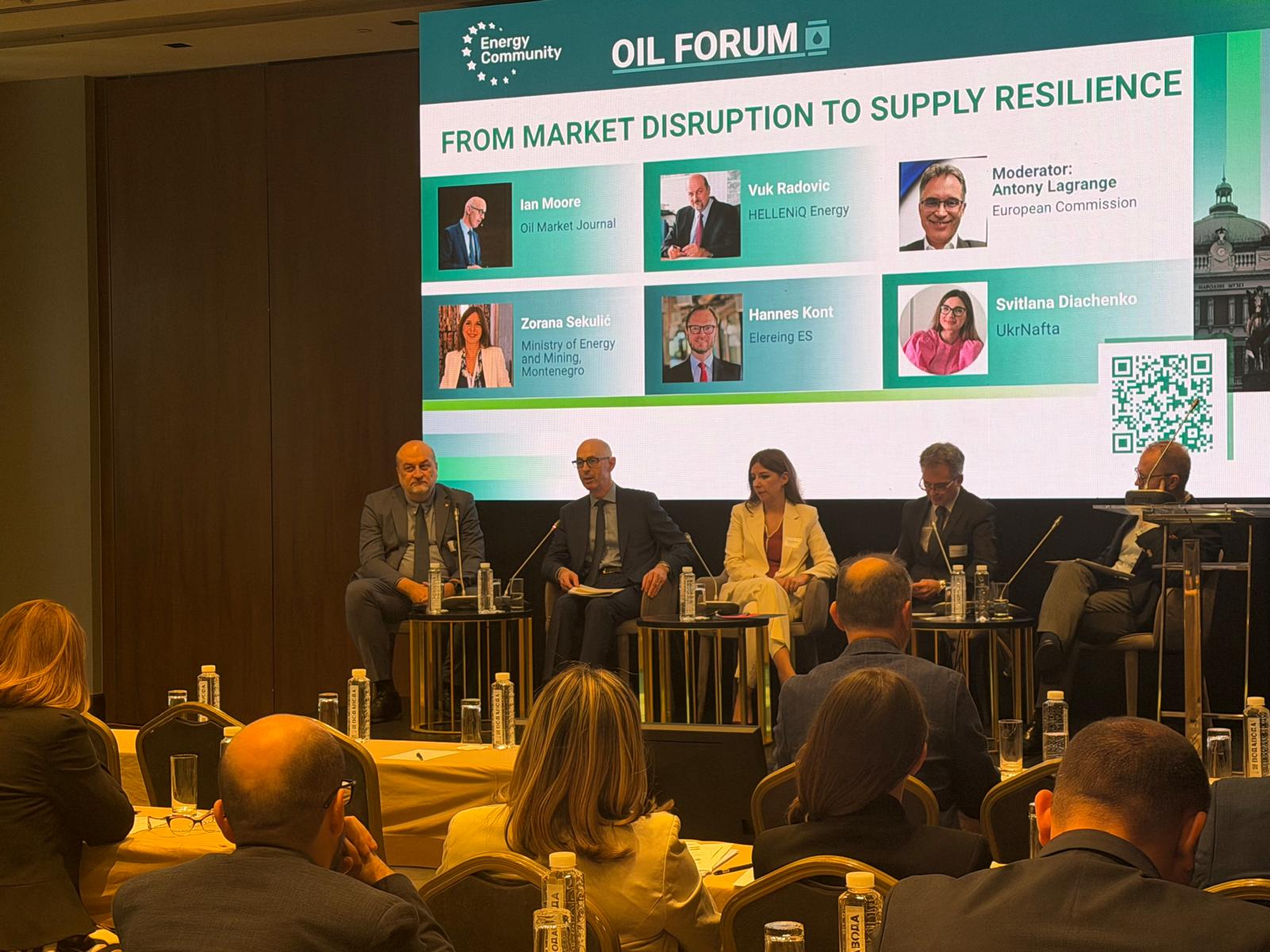
Government representatives, the European Commission, the International Energy Agency and the oil industry from across Southeast and Eastern Europe met in Belgrade for the Energy Community Oil Forum, where the Energy Community Secretariat announced it is setting up a regional Oil Coordination Group. The group will bring together the nine Energy Community Contracting Parties from the Western Balkans, Ukraine, Moldova and Georgia to monitor regional oil markets and share data on supply and demand.
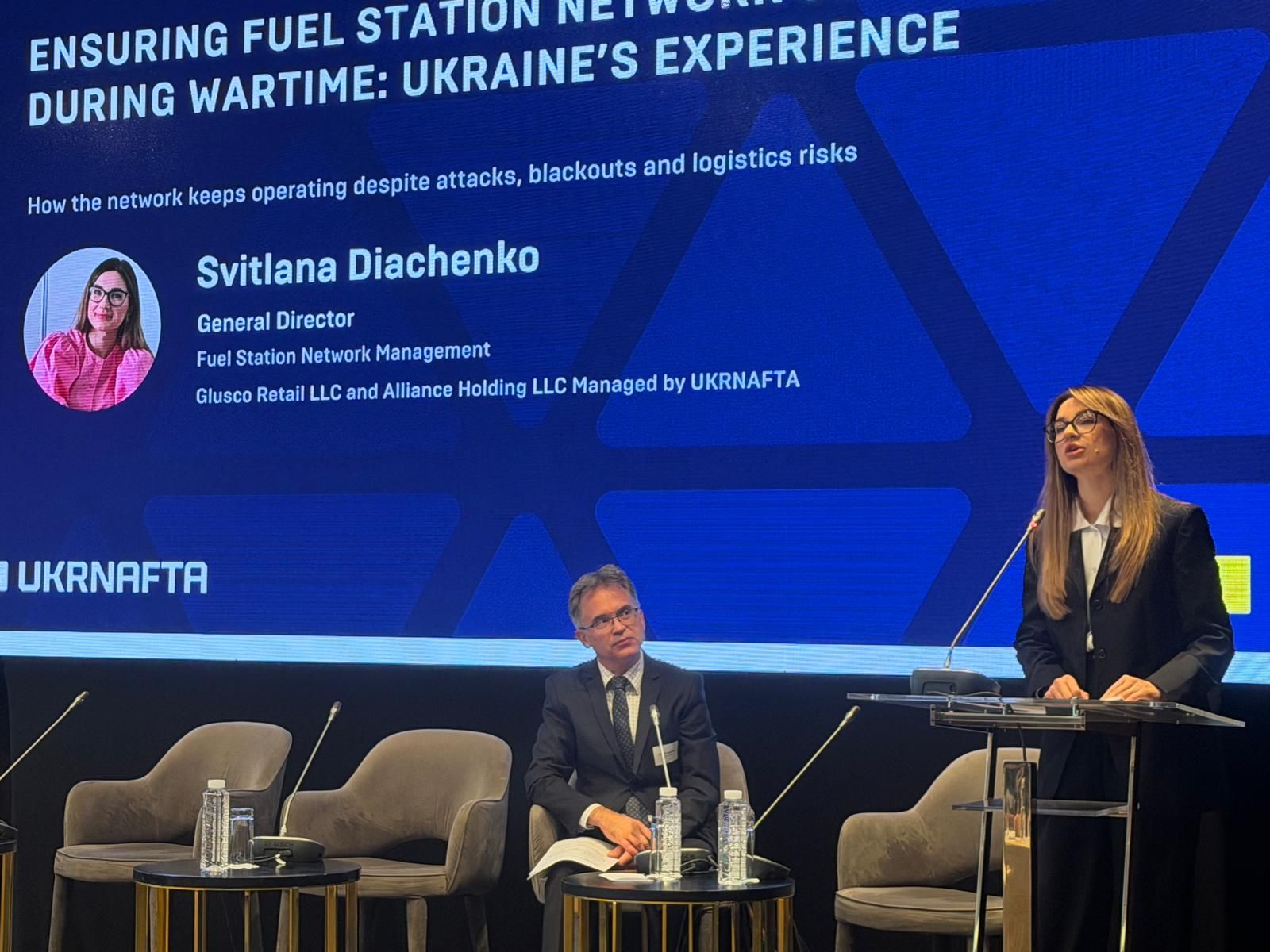
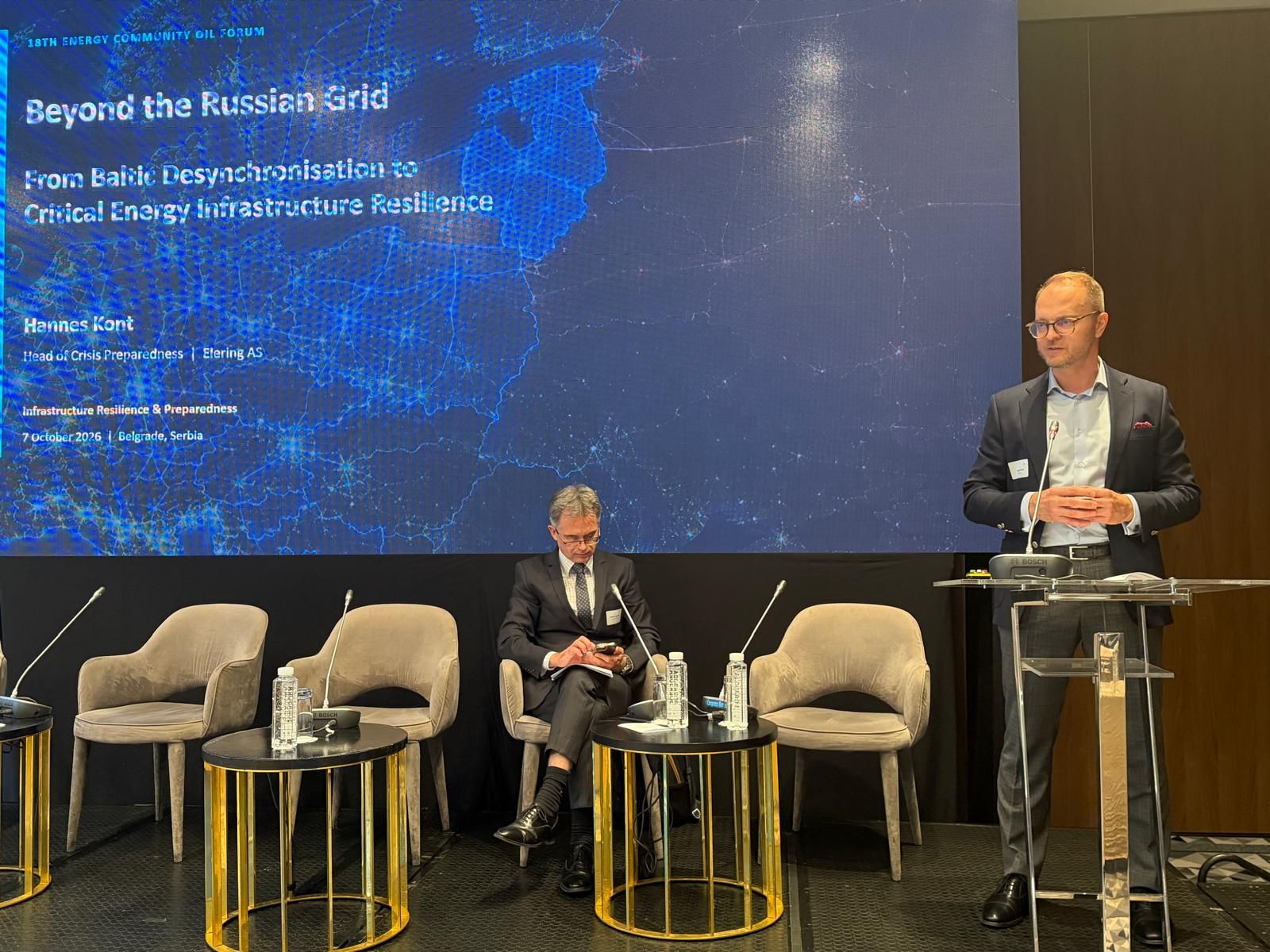
The announcement comes in a year that has tested the Energy Community's resilience. At the Forum, Contracting Parties’ 2026 experiences were discussed, alongside the steps needed to ensure a rapid response to future disruption. Markets across the region have shown considerable flexibility in maintaining physical supplies, despite high import dependency, growing oil consumption and exposure to global supply risks. At the same time, continued exposure to international price pressures and supply-chain disruptions highlights the importance of maintaining flexible supply arrangements, regional cooperation, and adequate emergency stocks.
As a permanent platform for monitoring oil market developments, the newly formed Oil Coordination Group will form a key part of this effort. It will exchange information on supply, demand and emergency stocks, and assess emerging supply risks and infrastructure developments. This will help the region identify potential shortages early and coordinate its response, much like the EU's own Oil Coordination Group does for its Member States. The Group will meet regularly and can be convened at short notice in the event of an actual or imminent supply disruption.
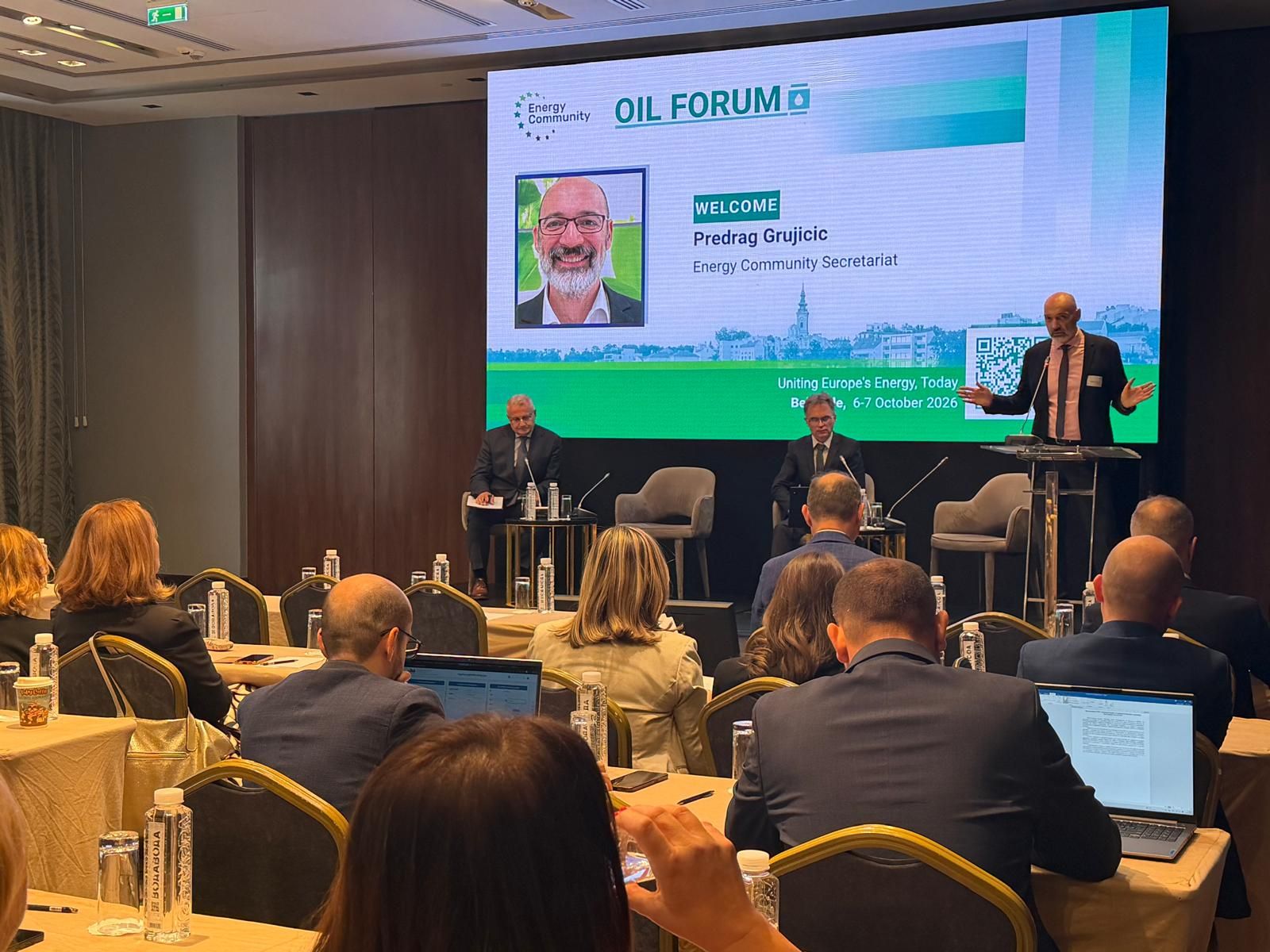
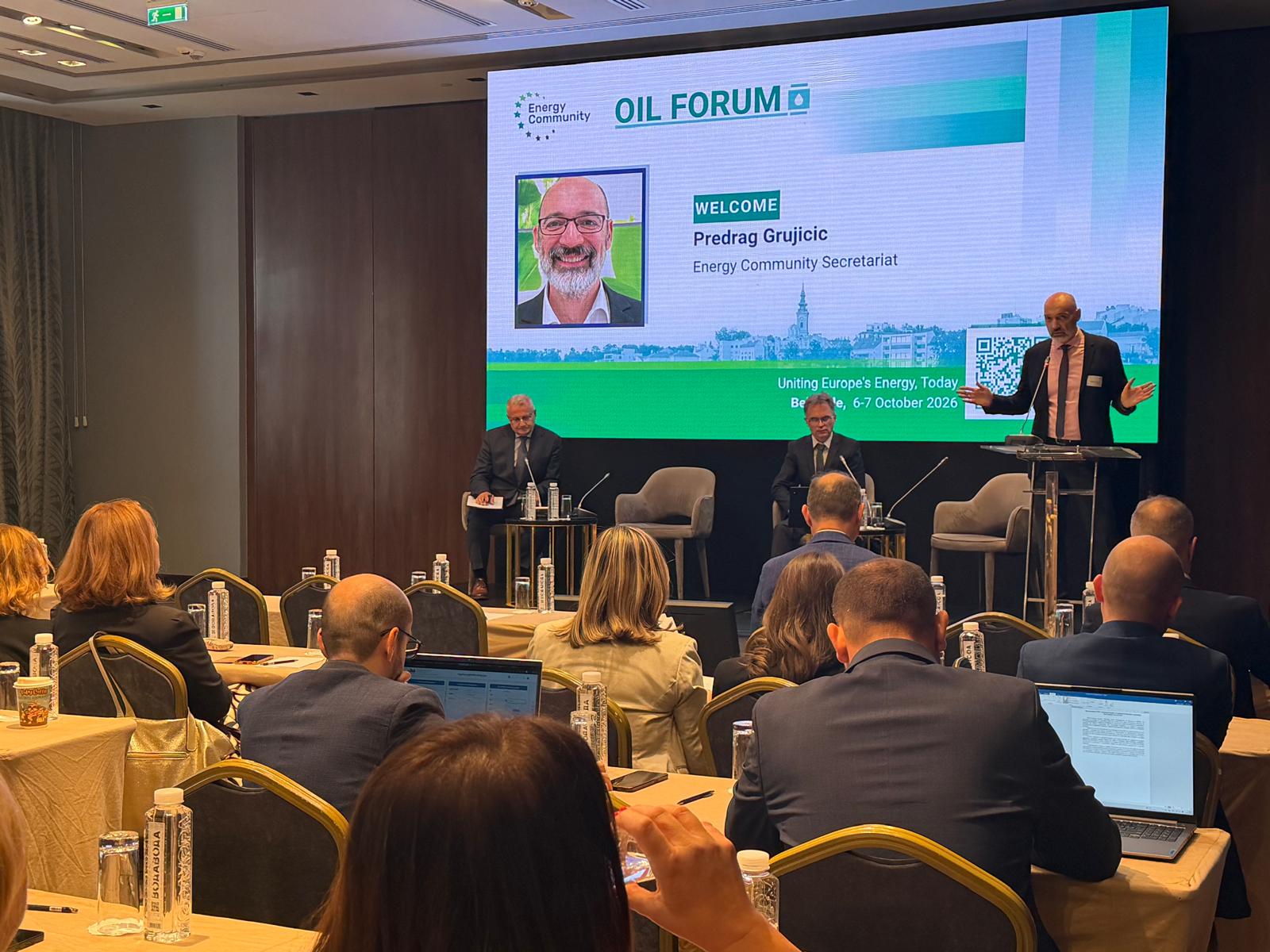
"Crisis mitigation is not solely a domestic issue," said Predrag Grujicic, Head of Gas at the Energy Community Secretariat. "Only through collective action can we fight a global crisis. The Energy Community provides an effective and well-established framework for this."
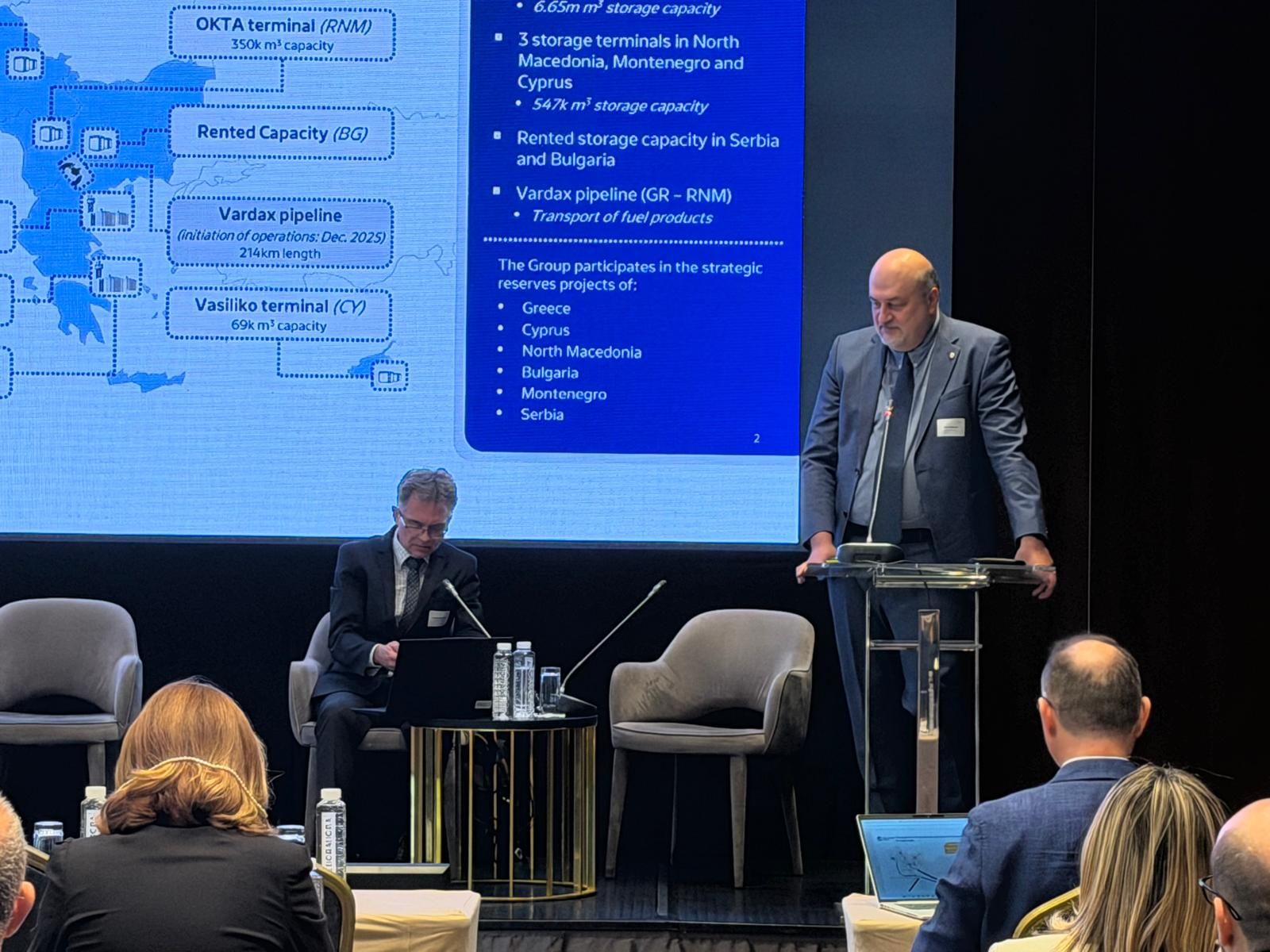
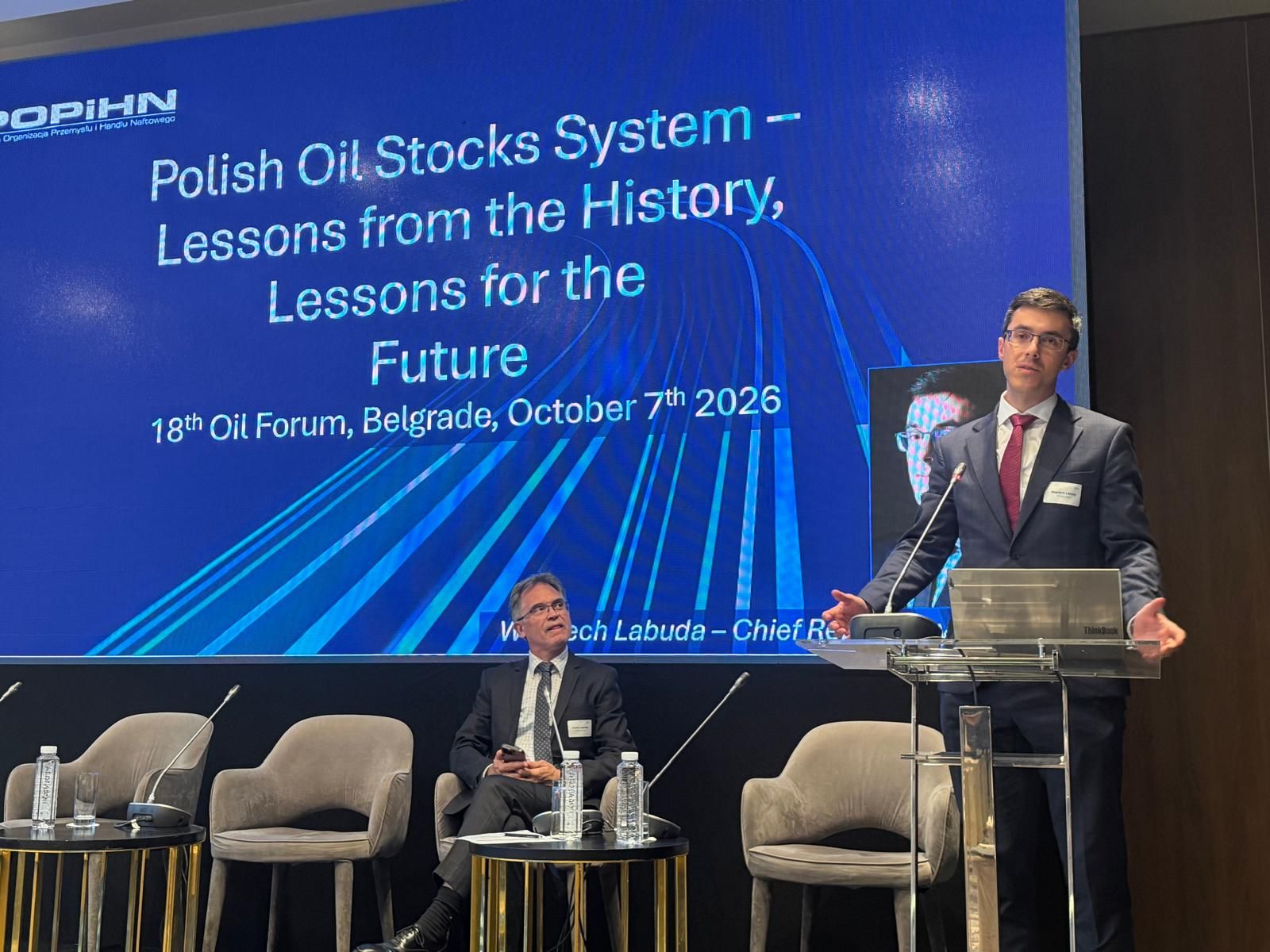
One priority must be to build adequate stockholding systems. The experience of 2026 has demonstrated the adaptability of the region’s oil markets, while also highlighting the importance of strengthening preparedness. A first-of-its-kind report by the Energy Community Secretariat and presented at the Forum tracks progress across the region. The soon-to-be-published report shows that Serbia, Montenegro and North Macedonia all have dedicated legislation in place and have already built physical stocks, currently providing around 45–50 days of coverage, compared with the 90-day target. Moldova has made strong progress on its legislation and must now move quickly to implementation, particularly building physical stocks. Albania’s draft legislation is also nearing completion. Contracting Parties that are still lagging should follow suit and urgently put the necessary legal frameworks and physical stocks in place.

.jpeg)





.jpeg)


.jpeg)