 Austria
Energy Community and TAIEX bring EU know-how to Vienna to advance the use of renewables in transport across South East and Eastern Europe
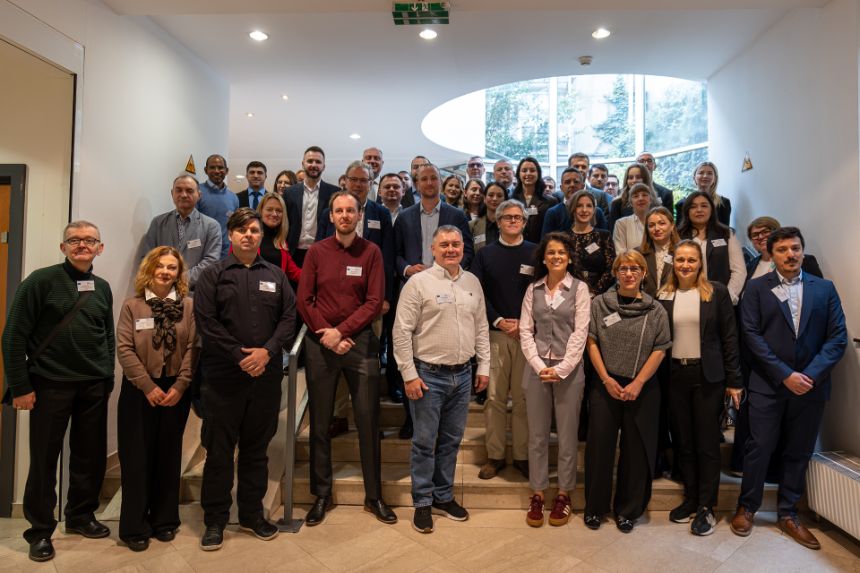
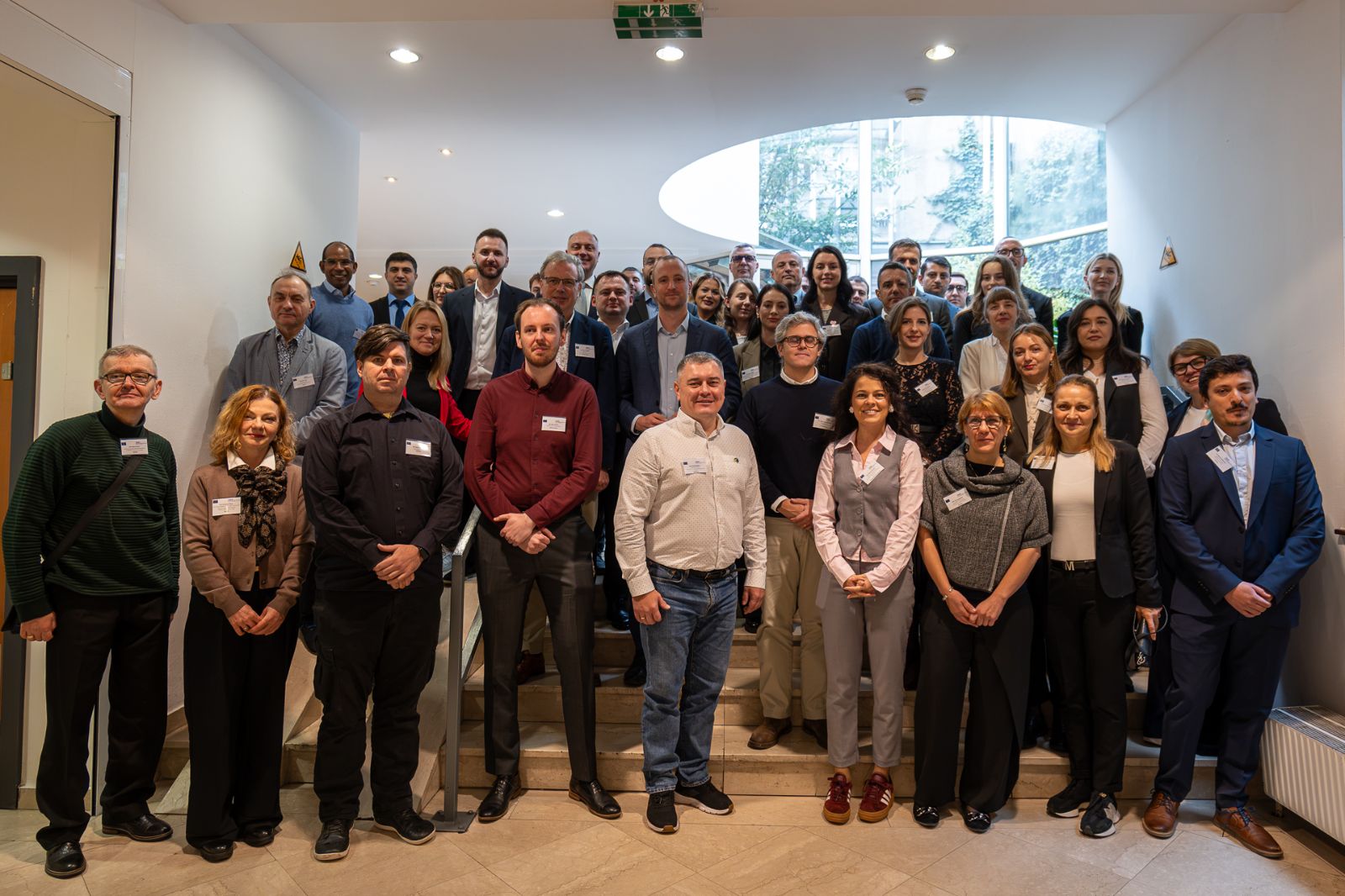
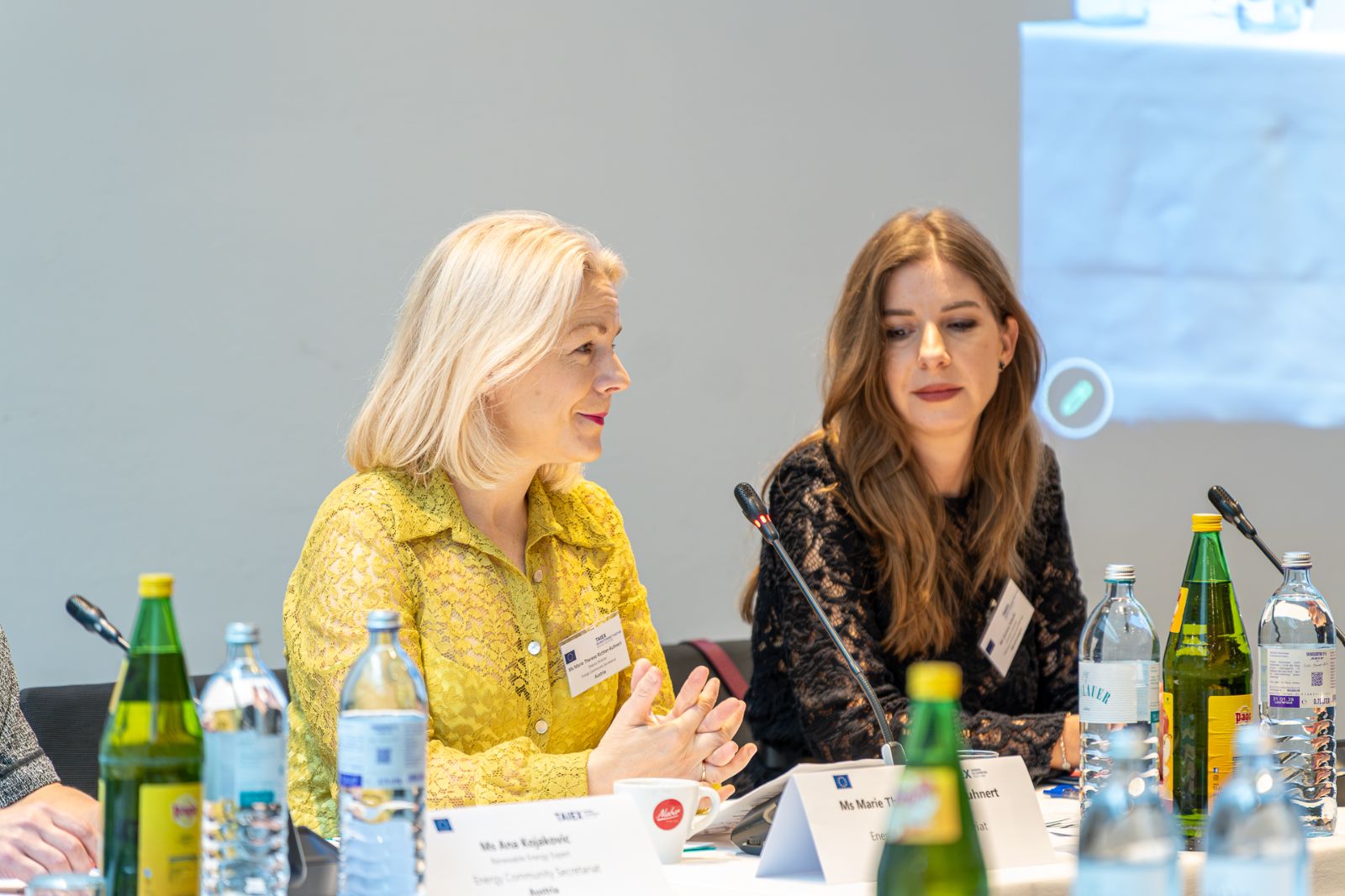
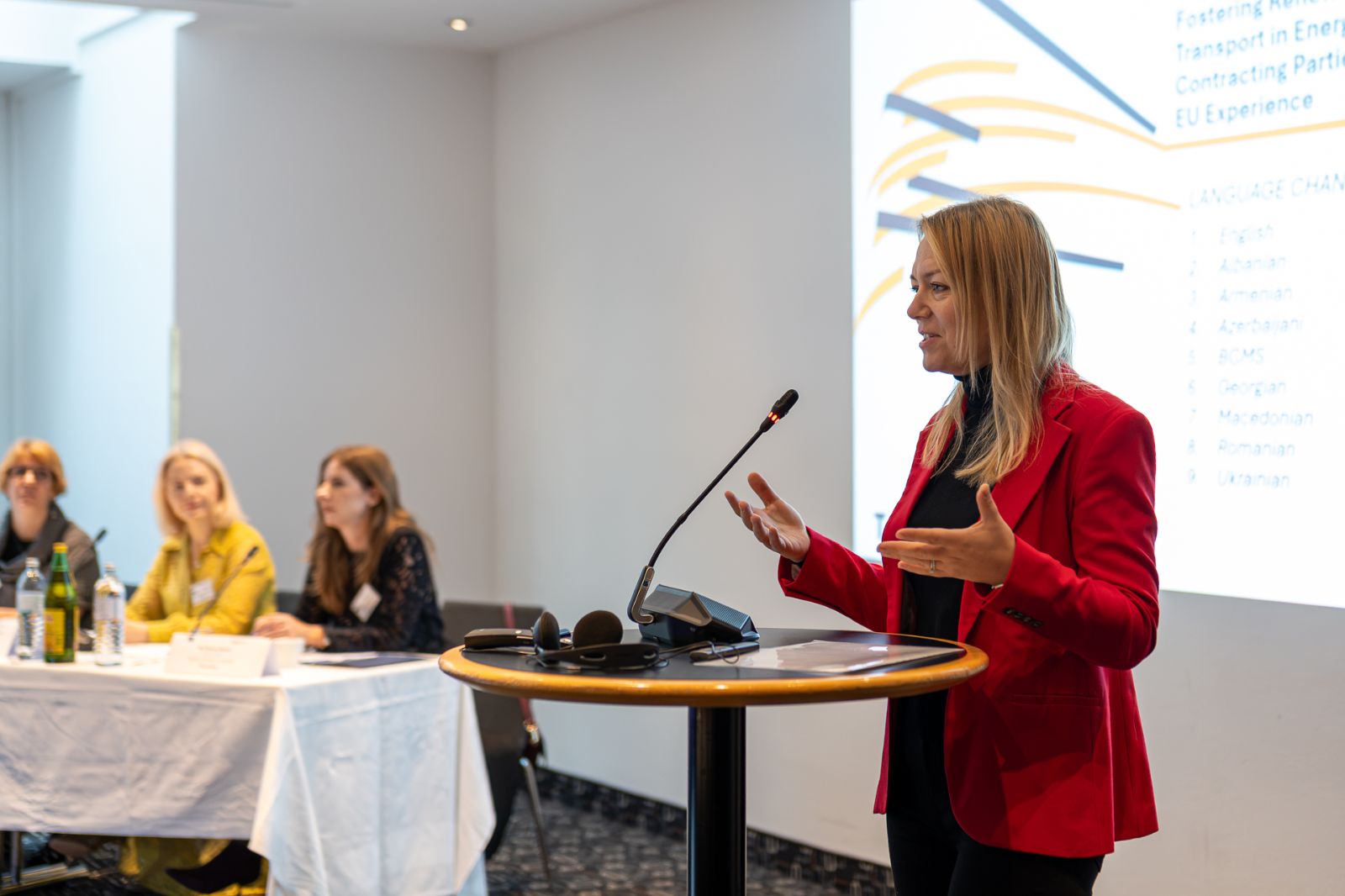
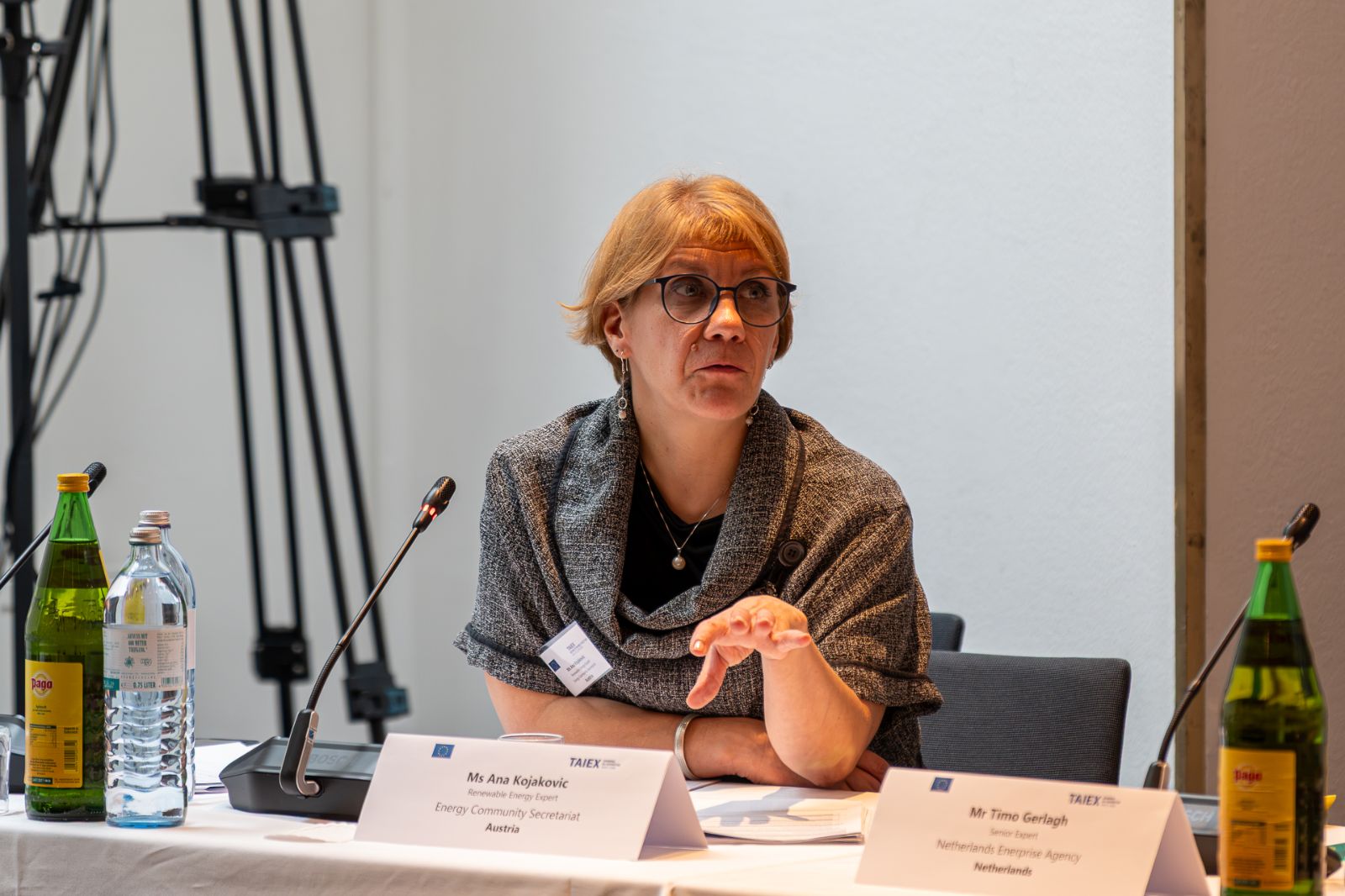
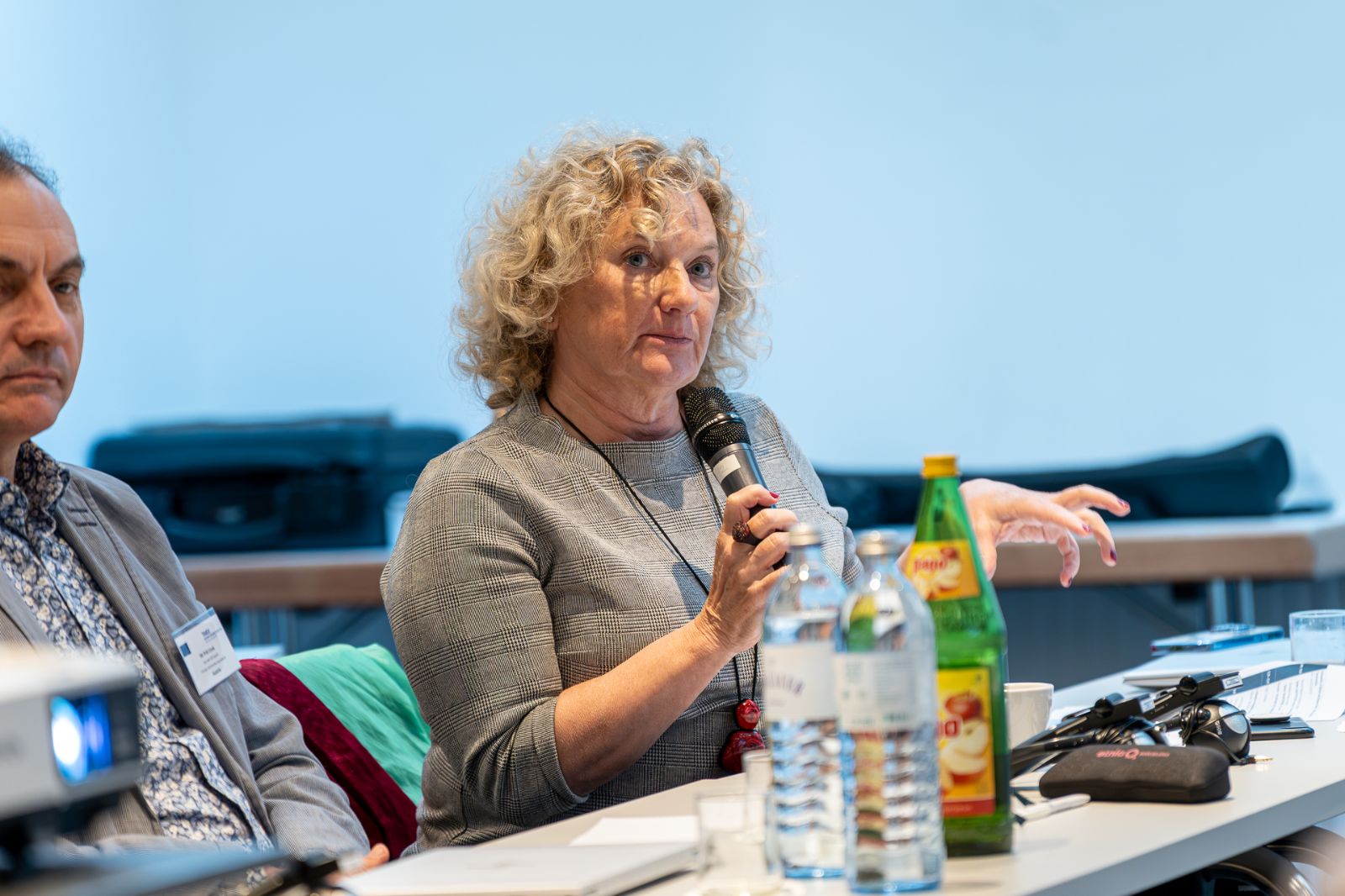
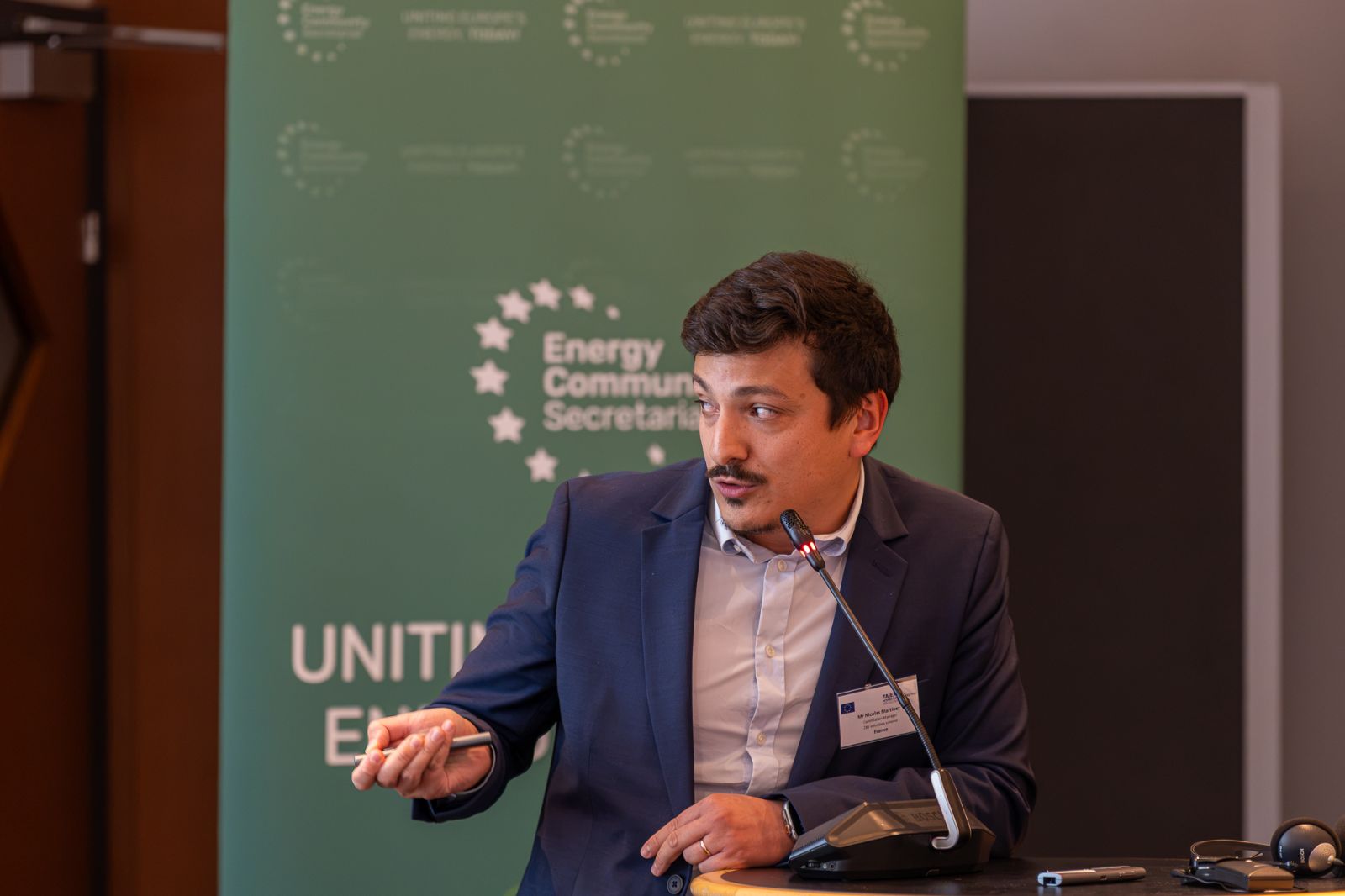
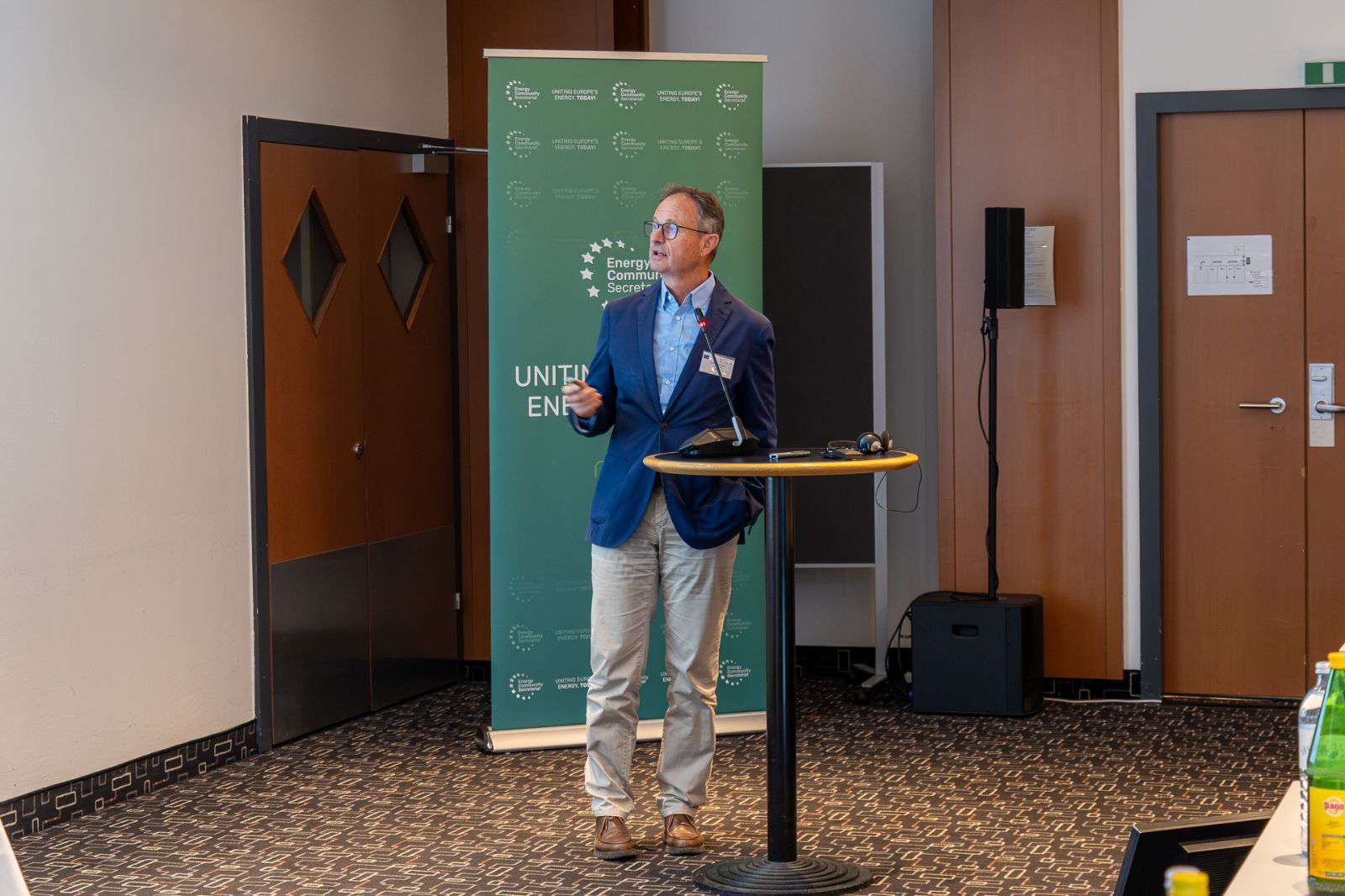
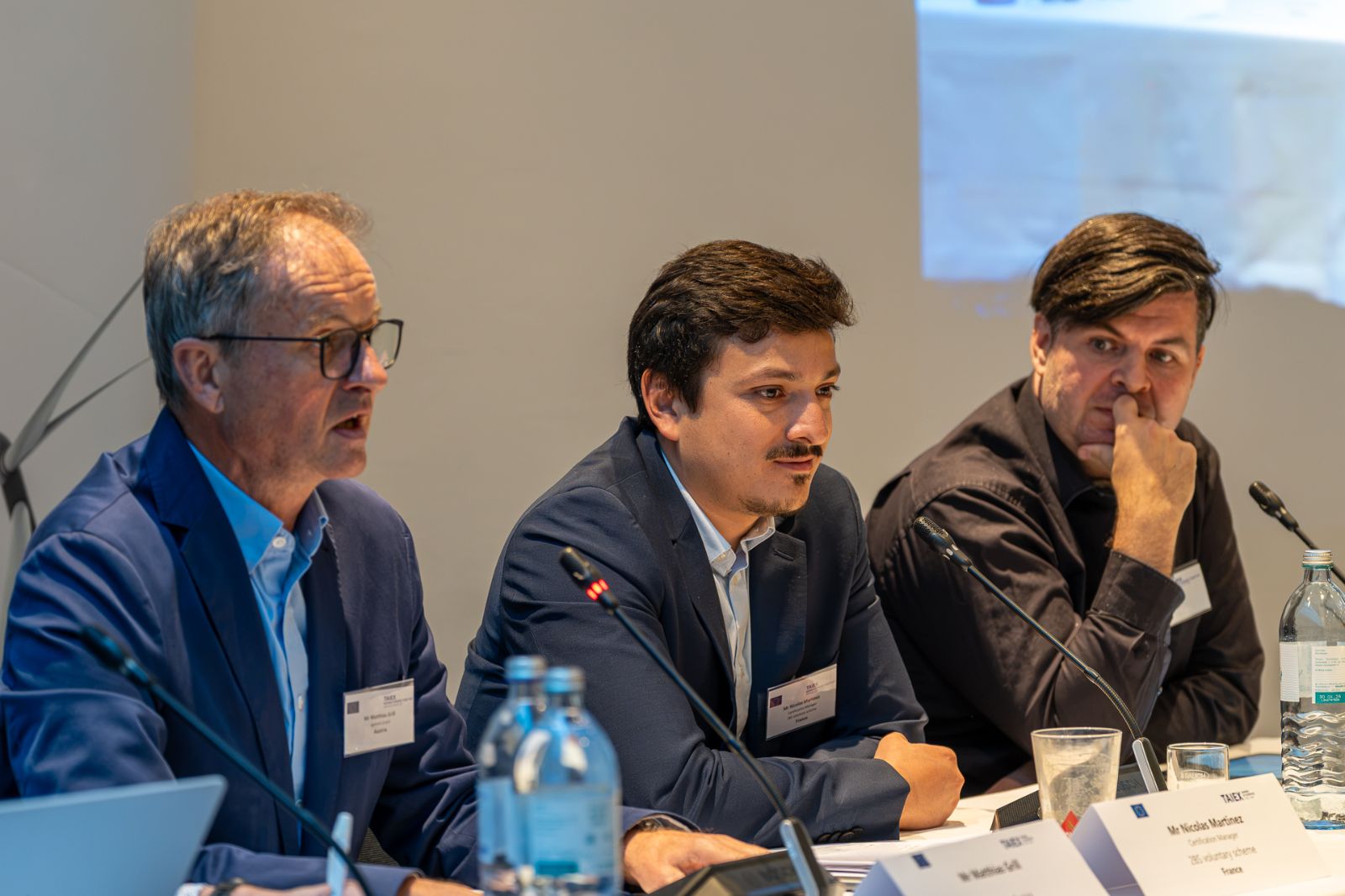
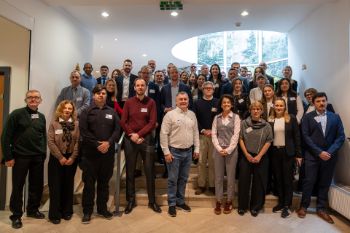
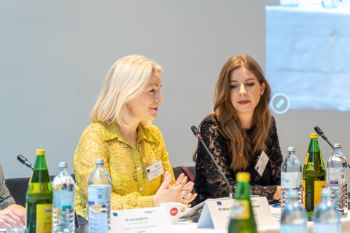
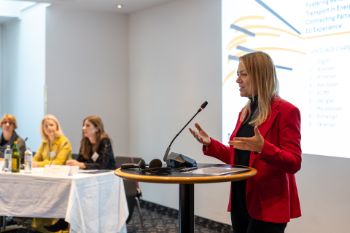
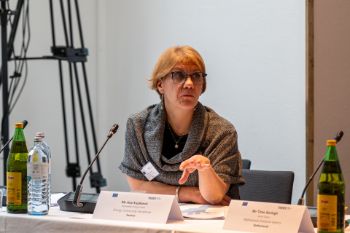
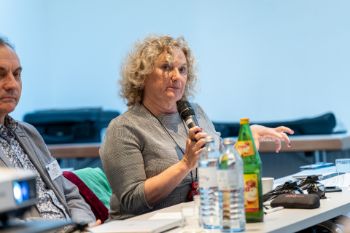
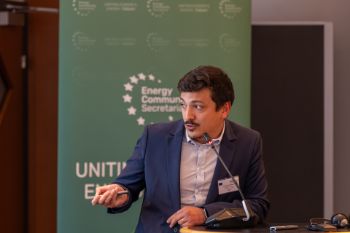
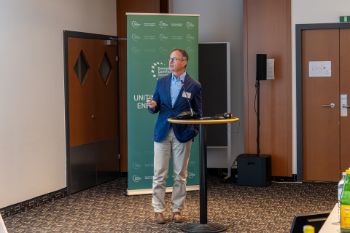
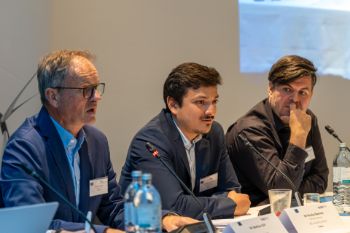
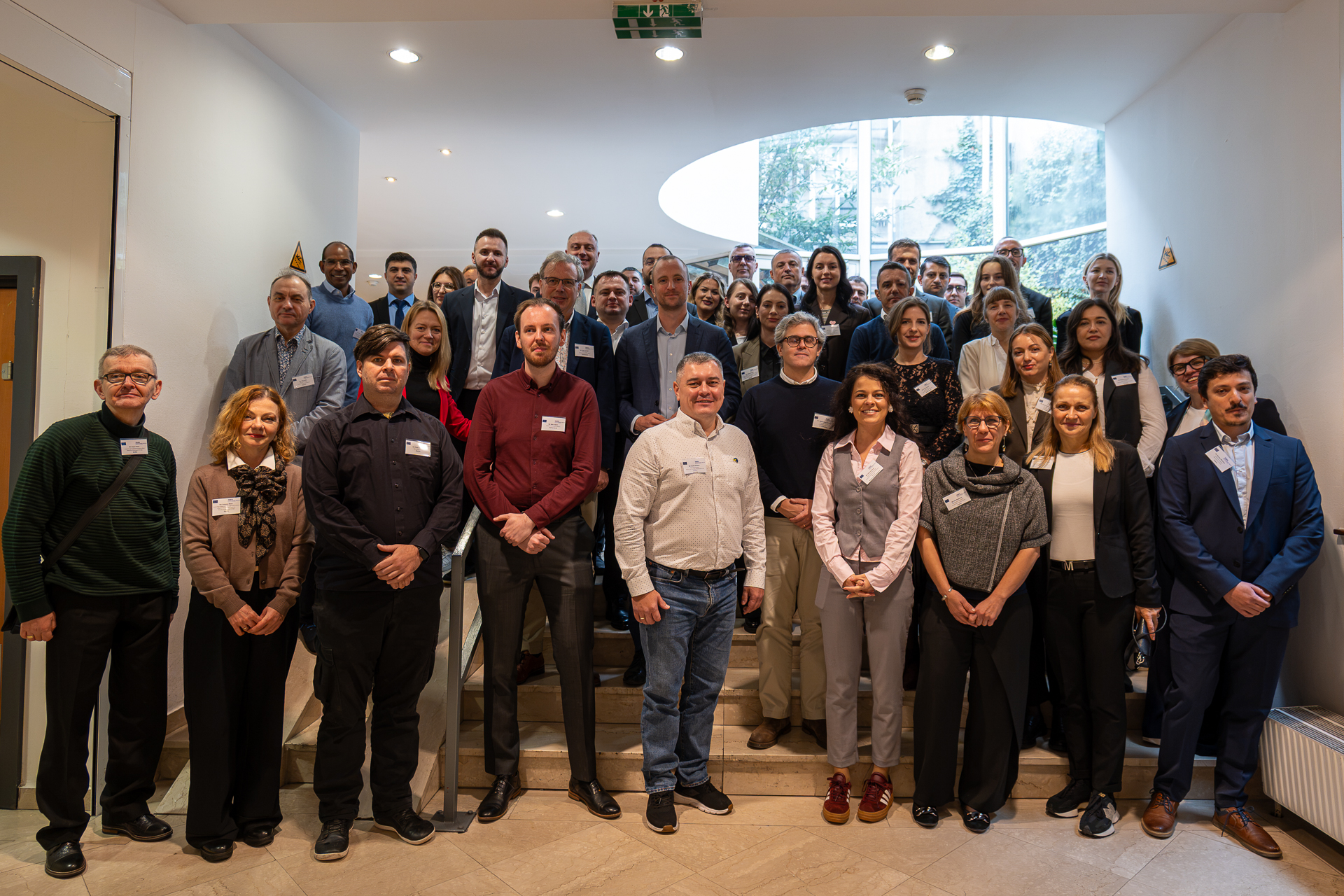
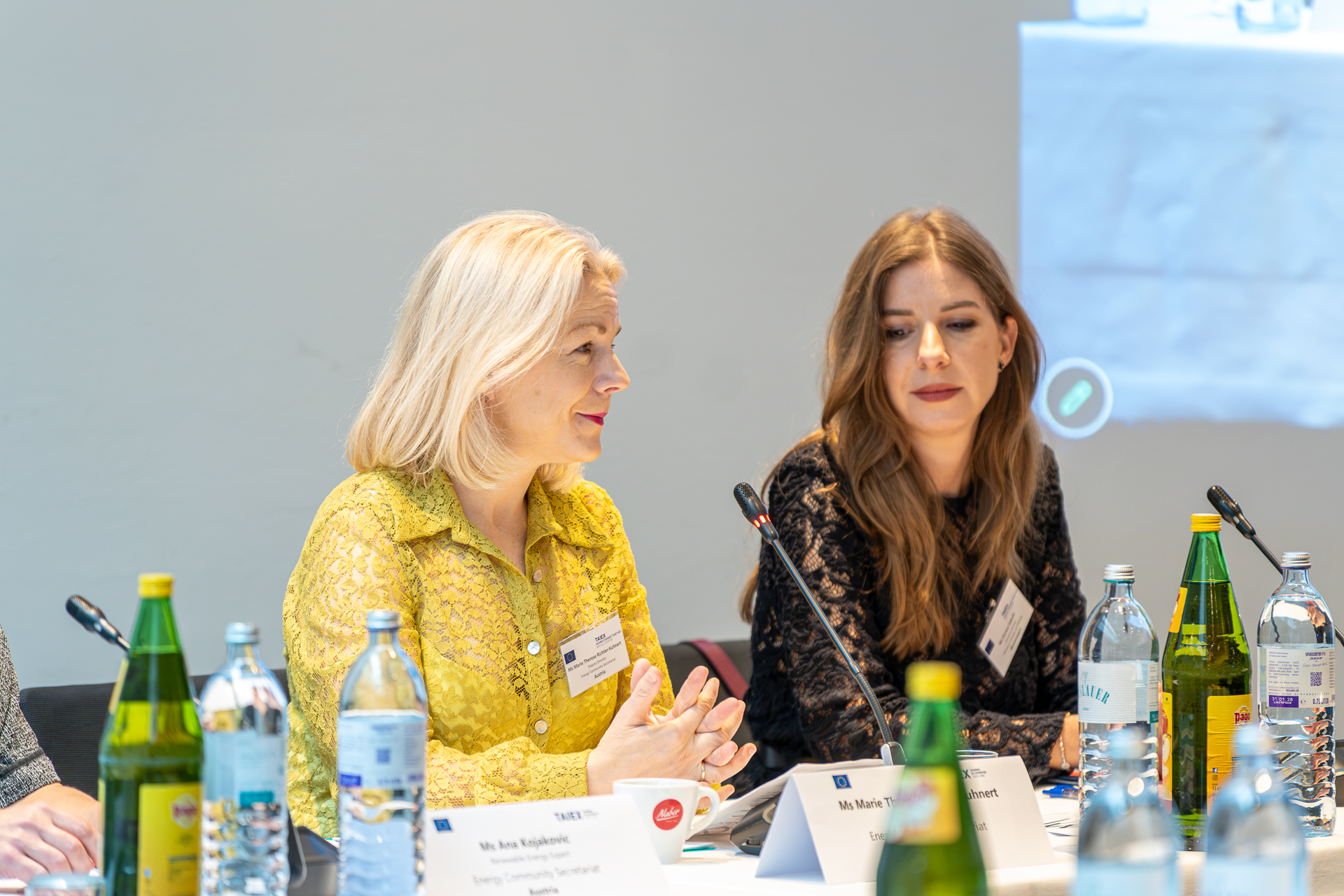
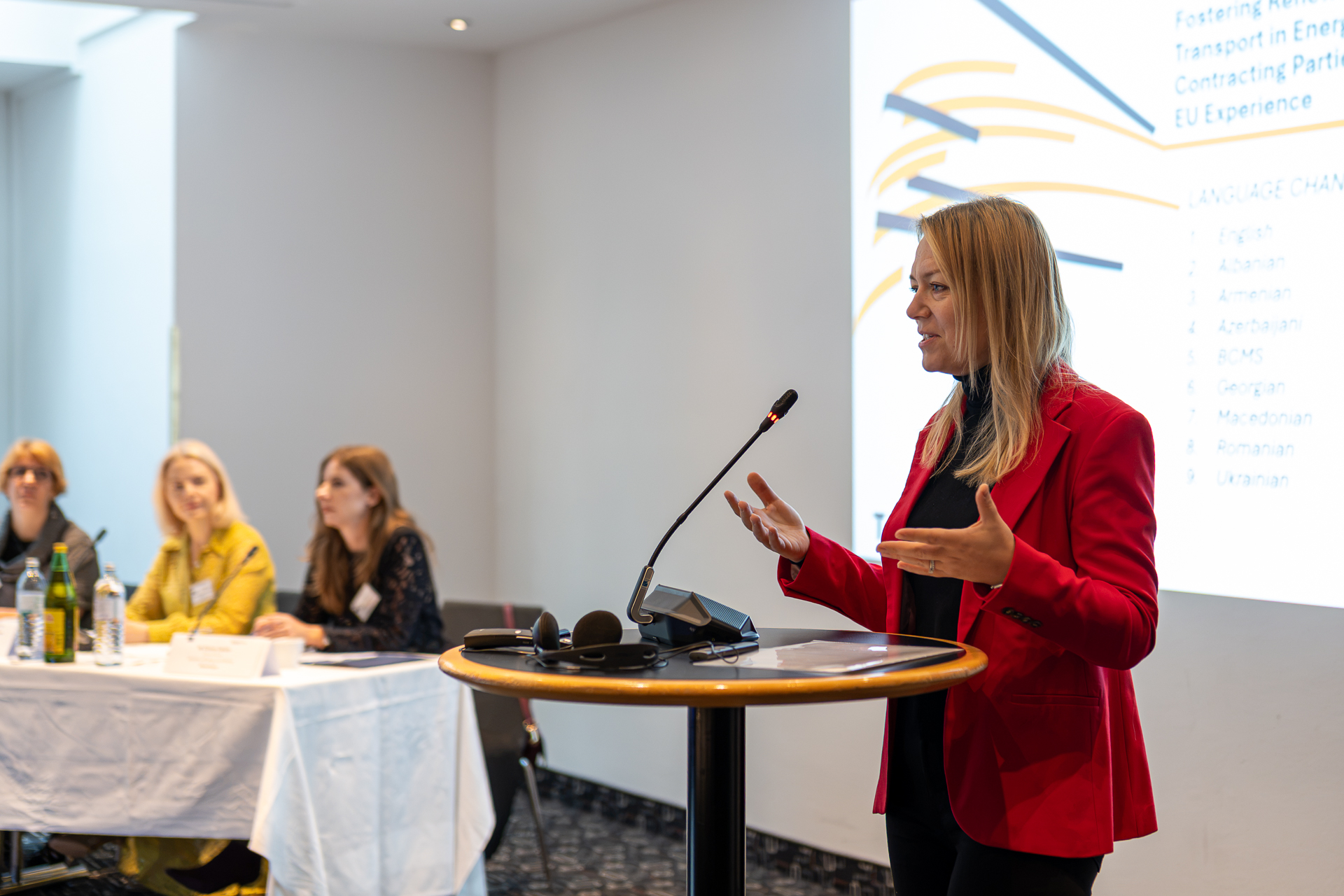
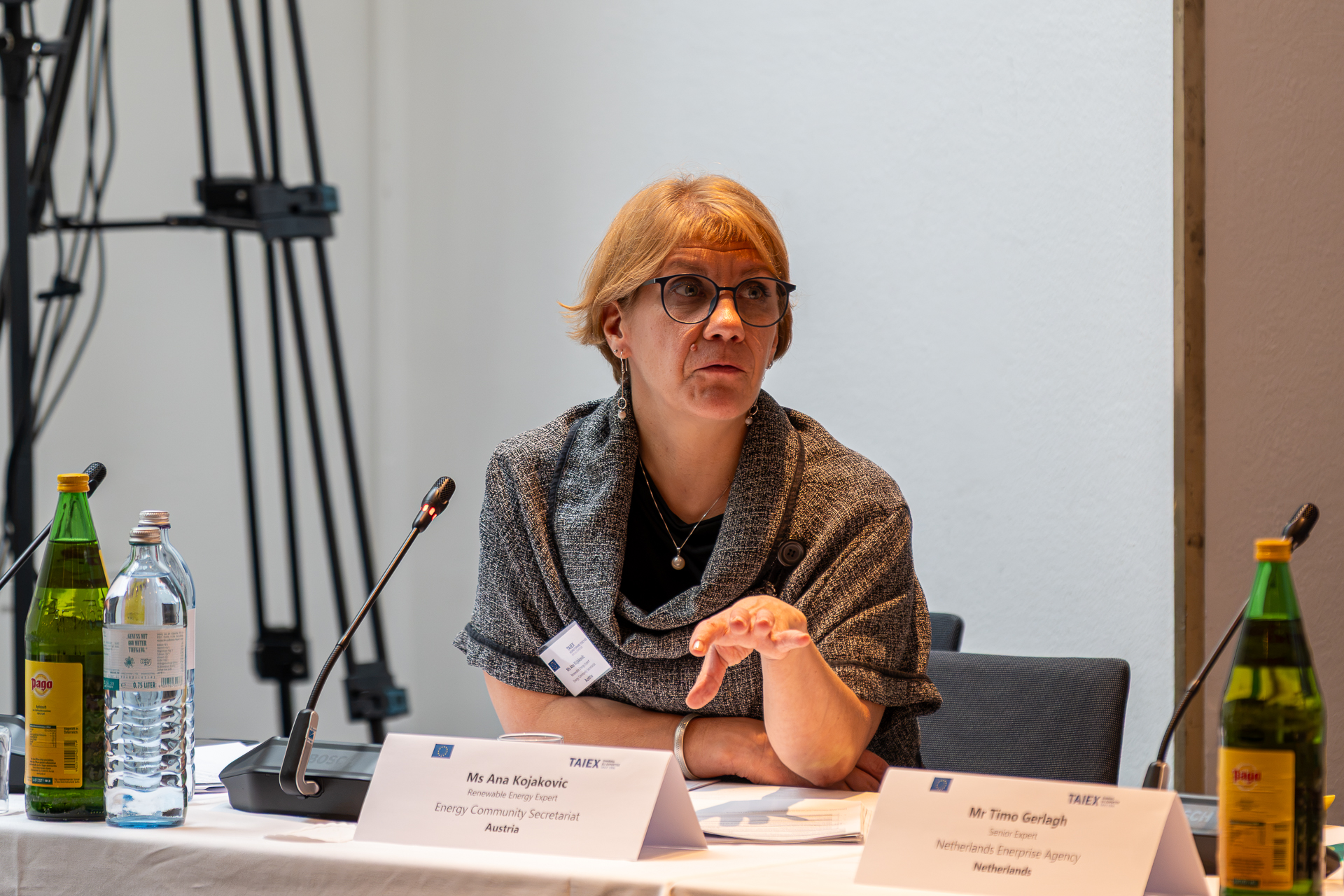
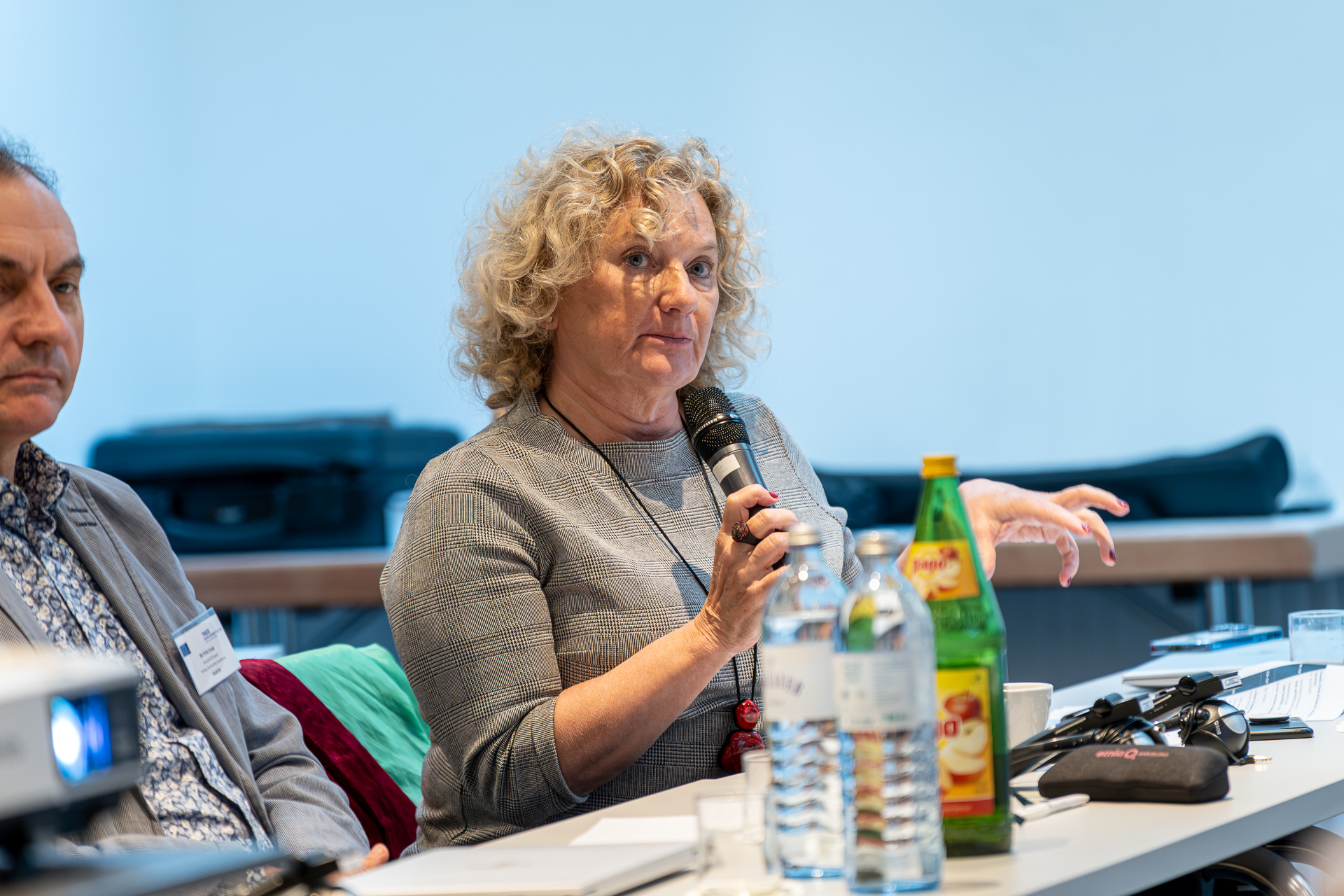
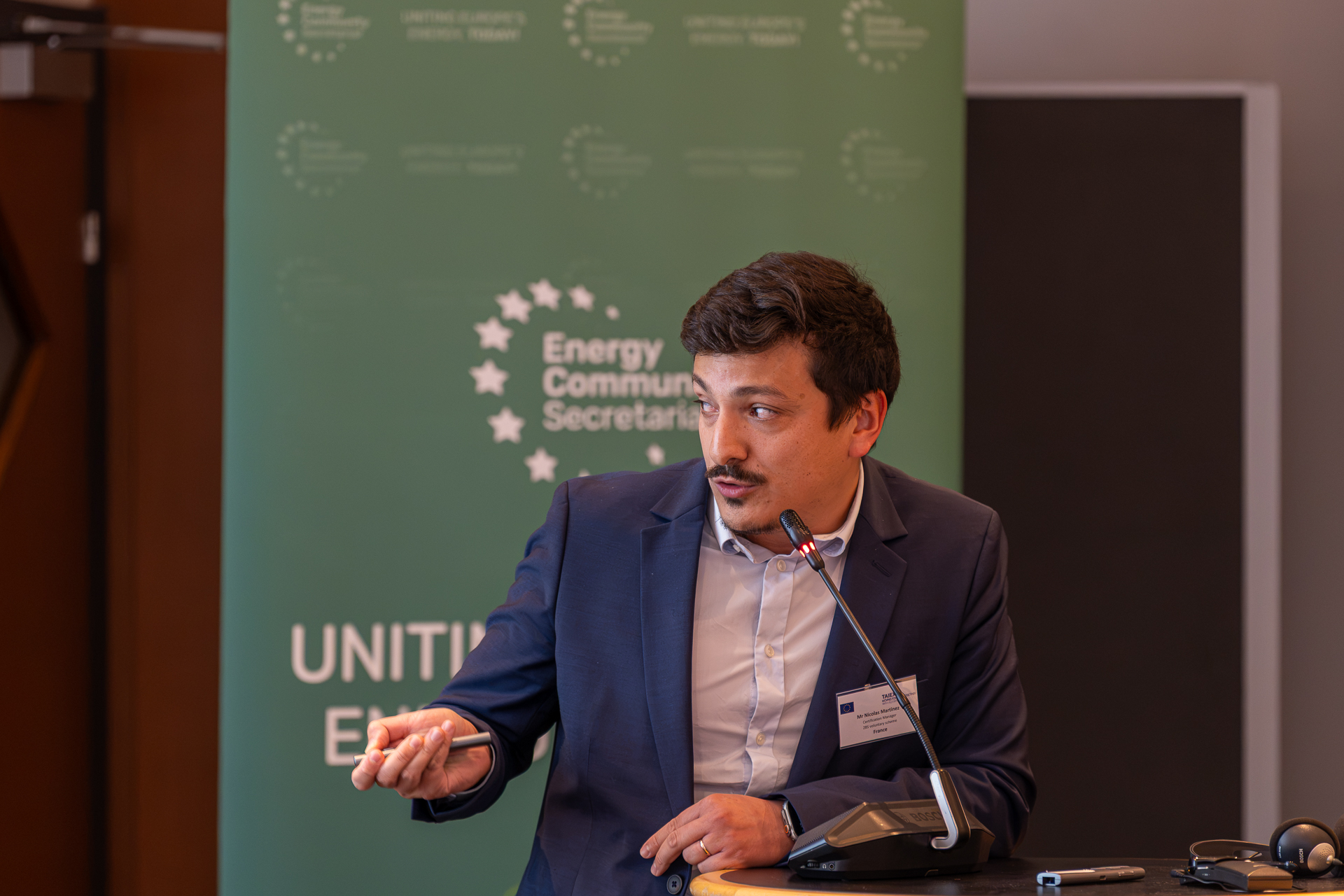
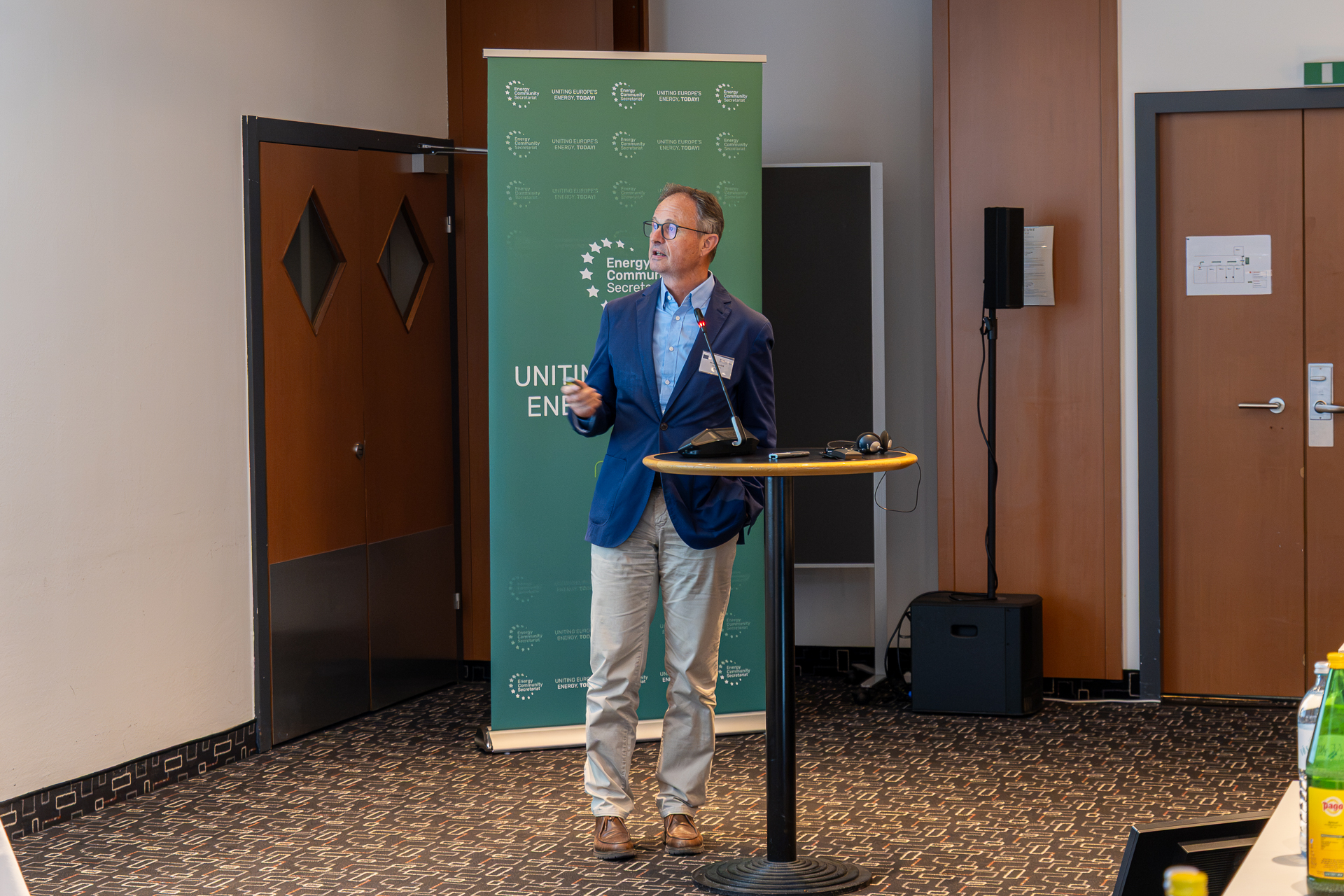
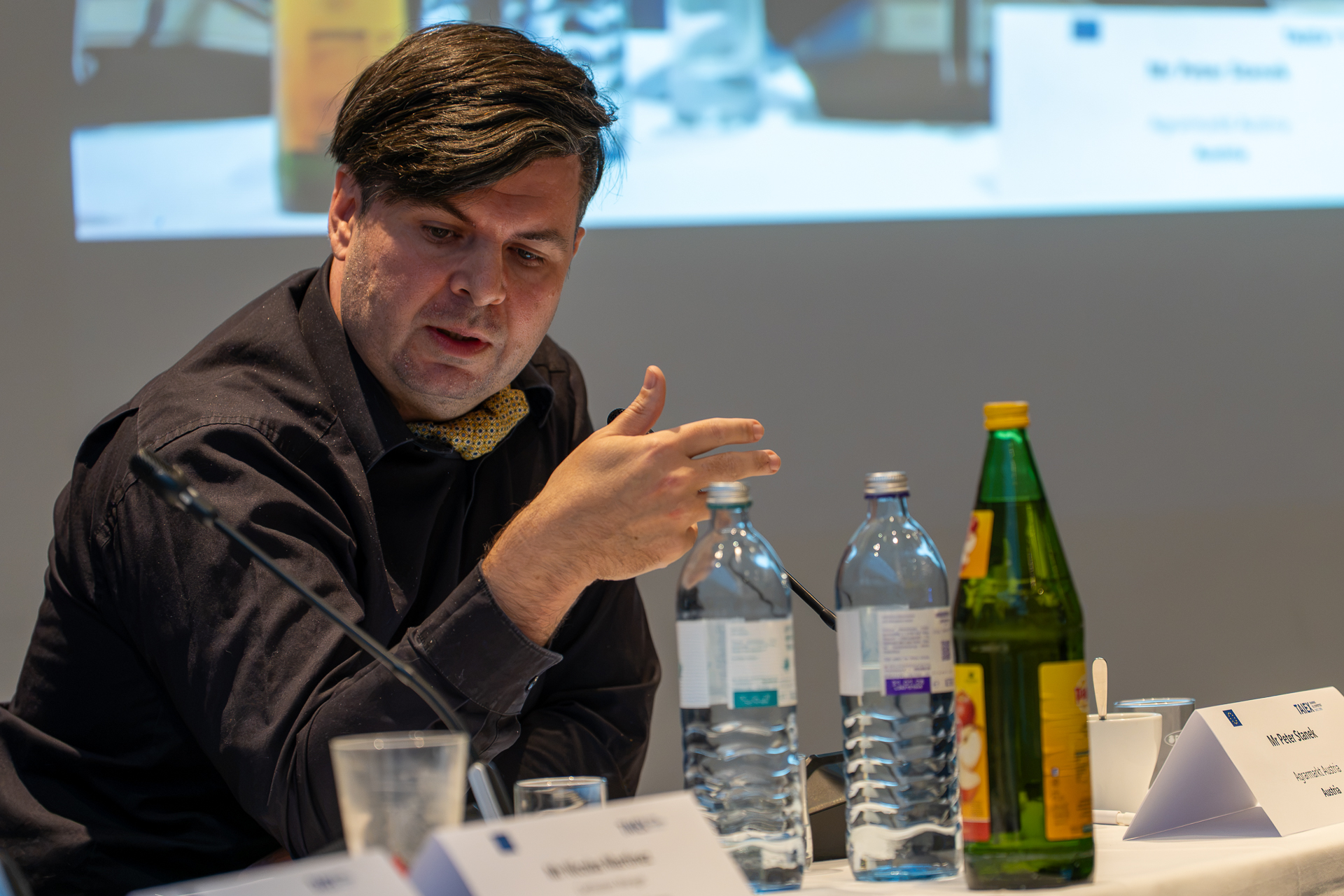
Officials and experts from the EU and its neighbouring countries in South East and Eastern Europe met in Vienna this week for a two-day workshop on mainstreaming the use of renewable energy in transport. With the majority of these countries have defined 2030 targets for the renewable energy share in transport and have committed to the corresponding EU rules the workshop focused on building the systems to enforce them. It was hosted by the Energy Community Secretariat and implemented with the support of the European Commission’s TAIEX instrument
The workshop brought together authorities responsible for energy, environment and transport from Energy Community Contracting Parties: Albania, Bosnia and Herzegovina, Georgia, Kosovo*, Moldova, Montenegro, North Macedonia, Serbia and Ukraine. Armenia, an Observer to the Energy Community, and Azerbaijan also took part.
Decarbonising transport is a key part of the energy transition. Transport accounts for around a third of final energy use across the Energy Community. Contracting Parties have committed to reaching 14% renewable energy share in transport by 2030.¹ Doing so has a double impact. First, replacing fossil fuels with sustainable, locally produced fuels and electricity could lead to cleaner air in cities, lower dependence on imports and new markets for farmers and producers in the region. Second, by adopting EU rules through the Energy Community, the region is integrating into the EU energy market step by step, ahead of membership.
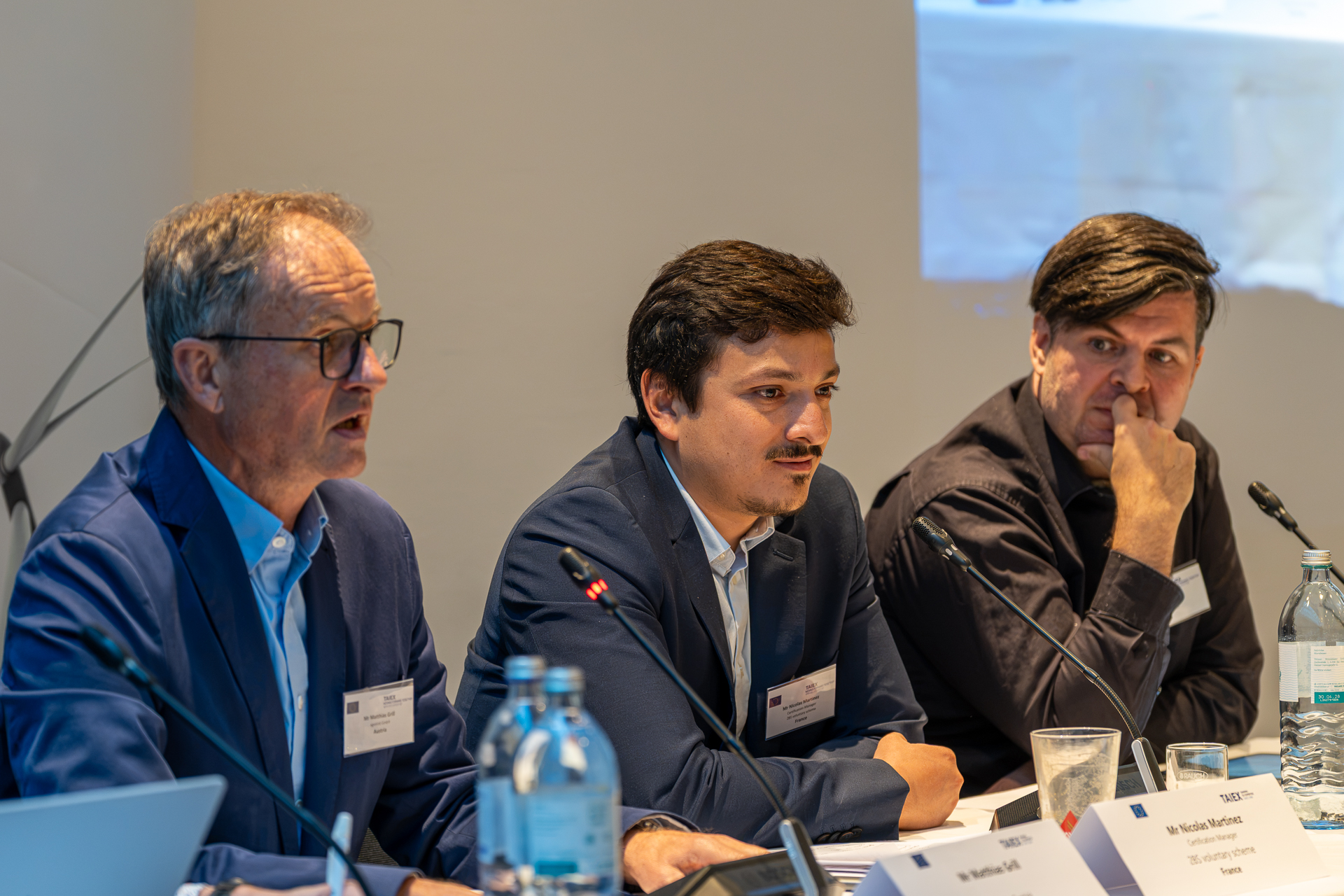
To help turn these commitments into working national systems, EU Member States – including Austria, Croatia, the Netherlands and France - shared their experience and best practices in drafting regulations, setting up the responsible institutions, and preparing economic operators along the renewable fuels supply chain, including fuel suppliers, to apply them. Participants also looked ahead to the next wave of EU rules to decarbonise the transport sector, including increased use of renewable energy in road, maritime and air transport and the build-out of infrastructure for e-mobility.
Participants left with a map of the EU support available for implementation, and the Energy Community Secretariat will continue helping Contracting Parties draft secondary legislation and track their progress.
* This designation is without prejudice to positions on status, and is in line with UNSCR 1244/1999 and the ICJ Opinion on the Kosovo declaration of independence.