
 European Union
CESEC Vienna Gas Plenary advances Trans Balkan Pipeline and gas market integration
With EU–Energy Community gas market integration set to accelerate under the EU’s 4th Gas Package, the CESEC (Central and South-Eastern Europe Energy Connectivity) Vienna Plenary highlighted the Trans Balkan Pipeline as a cornerstone of regional energy security.
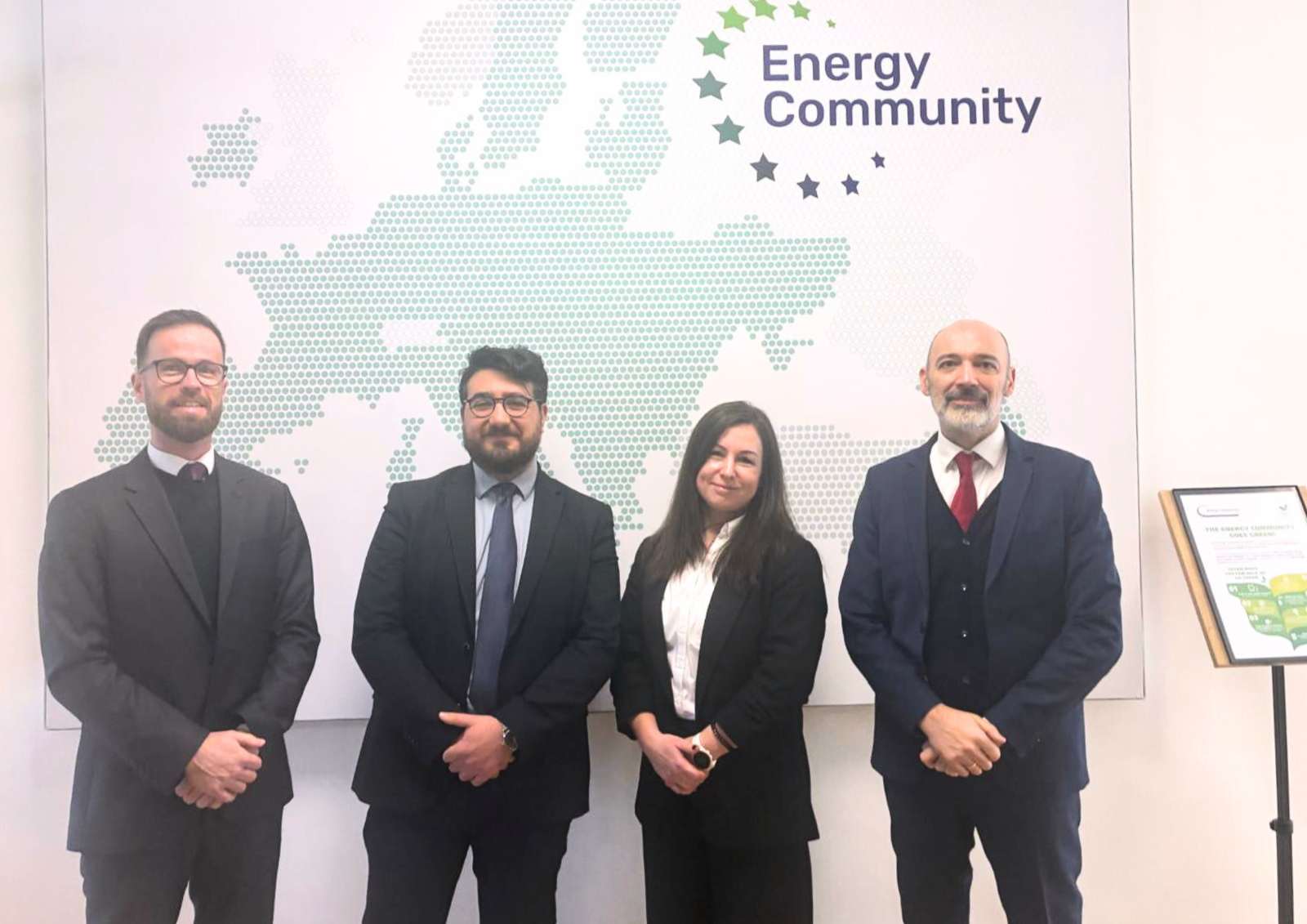
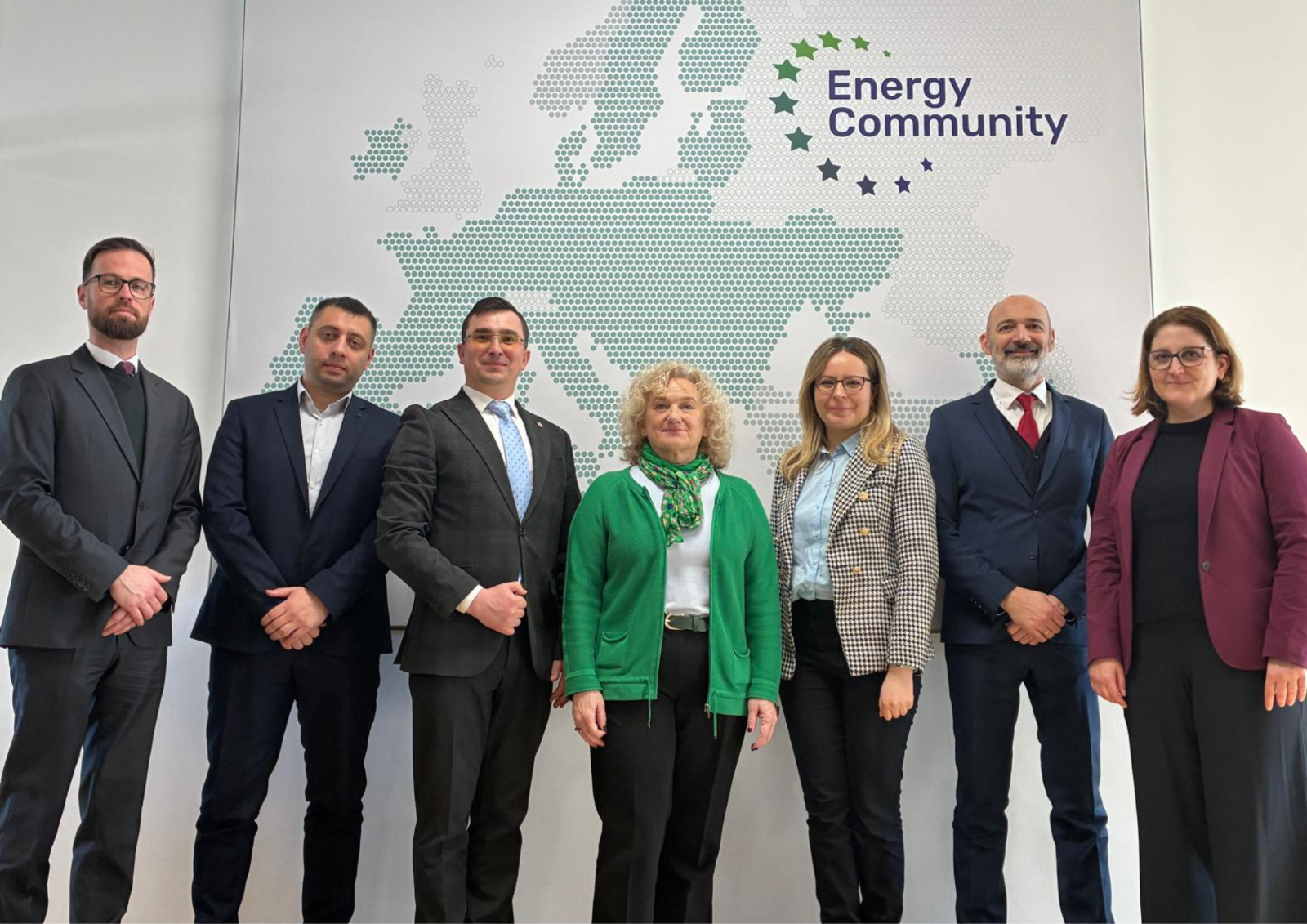
Setting the tone for a year to be defined by the imperative for deeper EU-Energy Community gas market integration, the CESEC Gases Plenary Working Group met today, convened by the European Commission and the Energy Community Secretariat. From August 2026 -- under the EU's 4th Gas Package -- EU Member States will be required to apply gas network codes at all borders, including with Energy Community Contracting Parties. As Contracting Parties work to align accordingly, these codes will form the backbone of a more connected regional gas market. This is needed to support both the EU’s diversification away from Russian gas and Ukraine’s energy security as it nears the four-year anniversary of a full-scale war with Russia, signalled Energy Community Secretariat Director Artur Lorkowski.
At the meeting, Lorkowski highlighted the growing readiness of the Energy Community region to respond to the integration imperative.
Serbia, particularly, progressed in EU-aligned gas reforms last year, strengthening its regulatory framework and establishing a clear, time-bound path to address remaining unbundling requirements. Moldova, meanwhile, is prepping for an EU-aligned gas market opening in April 2026.
Lorkowski further underlined that aligning the Energy Community with the recently adopted RePower acquis in gas—which commits to a phase-out of Russian gas by 2027— can only bolster joint EU–Energy Community energy resilience objectives. It will, moreover, further prepare the region for gas market integration, which requires adherence to the same regulatory framework.
Infrastructure will also play a defining role in the success of integration—an area where CESEC's coordinating potential is well positioned to deliver, Lorkowski noted. As LNG plays a larger role in regional supply, the Trans Balkan Pipeline will only gain in importance. With Greece as a gateway for LNG supplies, the corridor links Greece, Bulgaria, Romania, Moldova and Ukraine and therefore has the potential to shield the region from potential supply shocks. However, significant unused capacity remains, with firm northbound utilisation well below the approximately 2.6 bcm per year that is already technically feasible, according to a 2025 Energy Community Secretariat study.
“The Trans-Balkan Pipeline is a strategic asset for the region,” said Lorkowski. “Our task now is to ensure that market conditions allow it to be used to its full potential in support of diversification and security of supply."