
Energy Community parliaments reaffirm commitment to accelerate EU energy market integration
Parliamentary Plenum in Vienna highlights gas and electricity market integration before accession as key to the region’s energy future
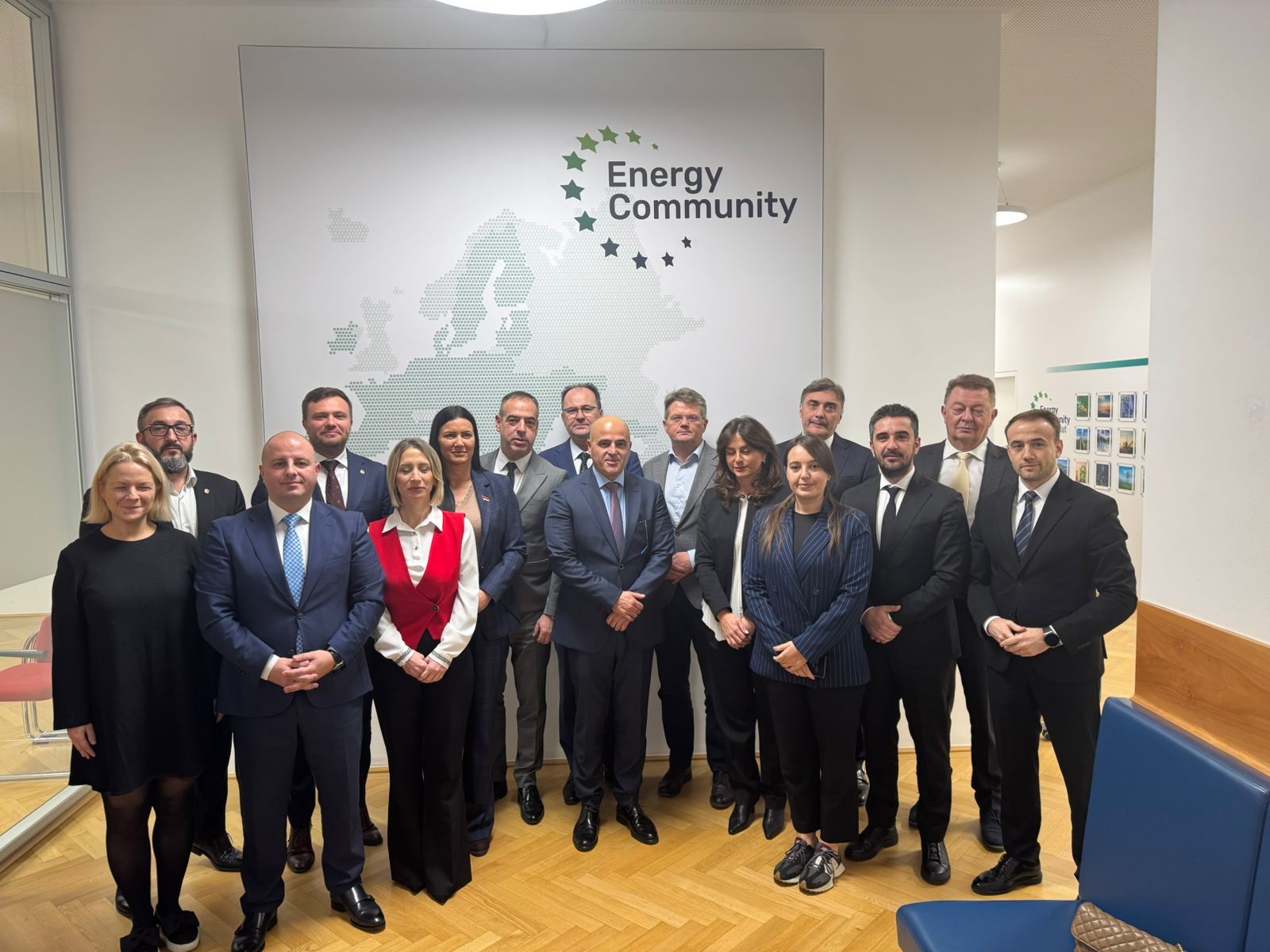
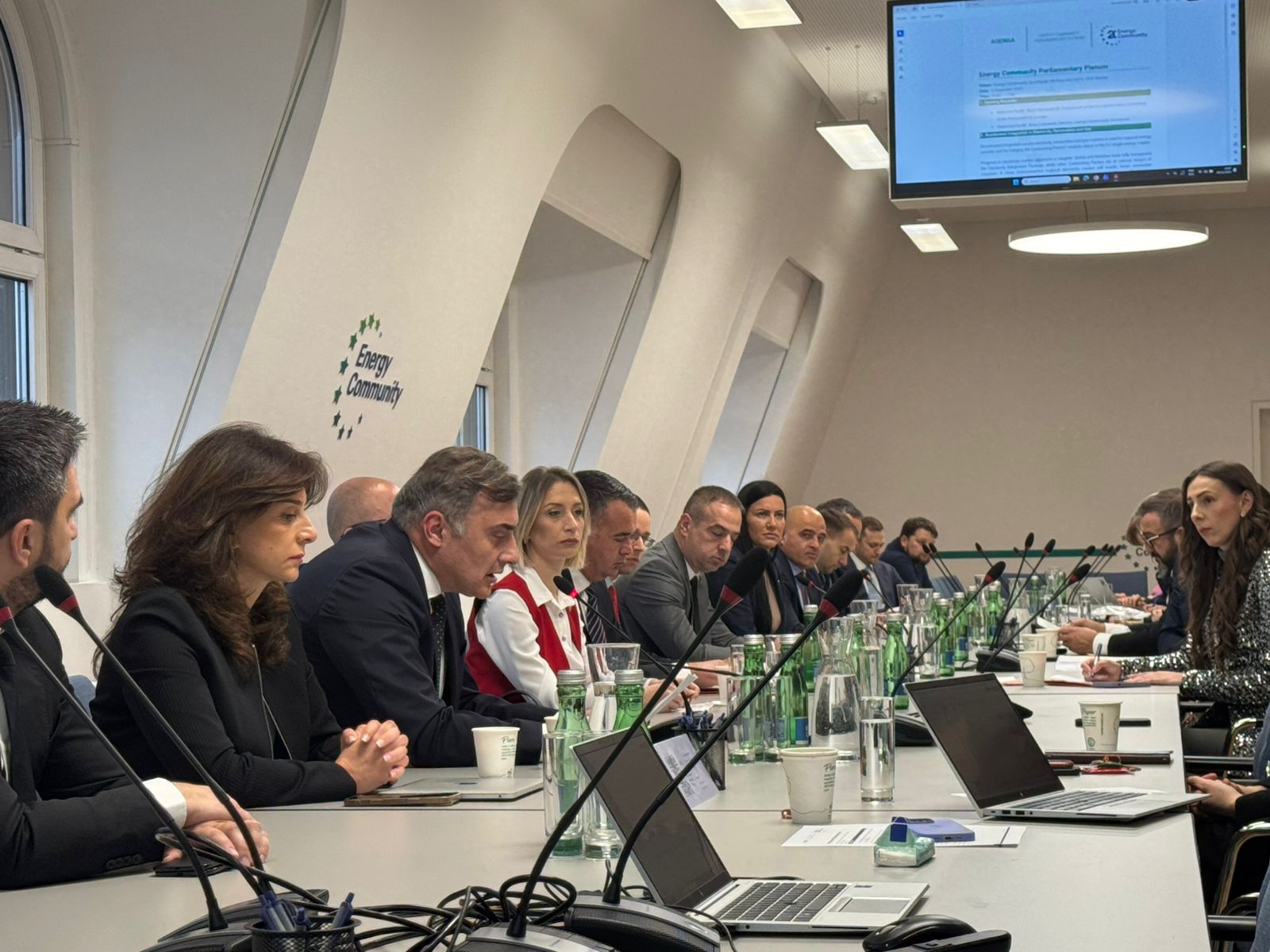
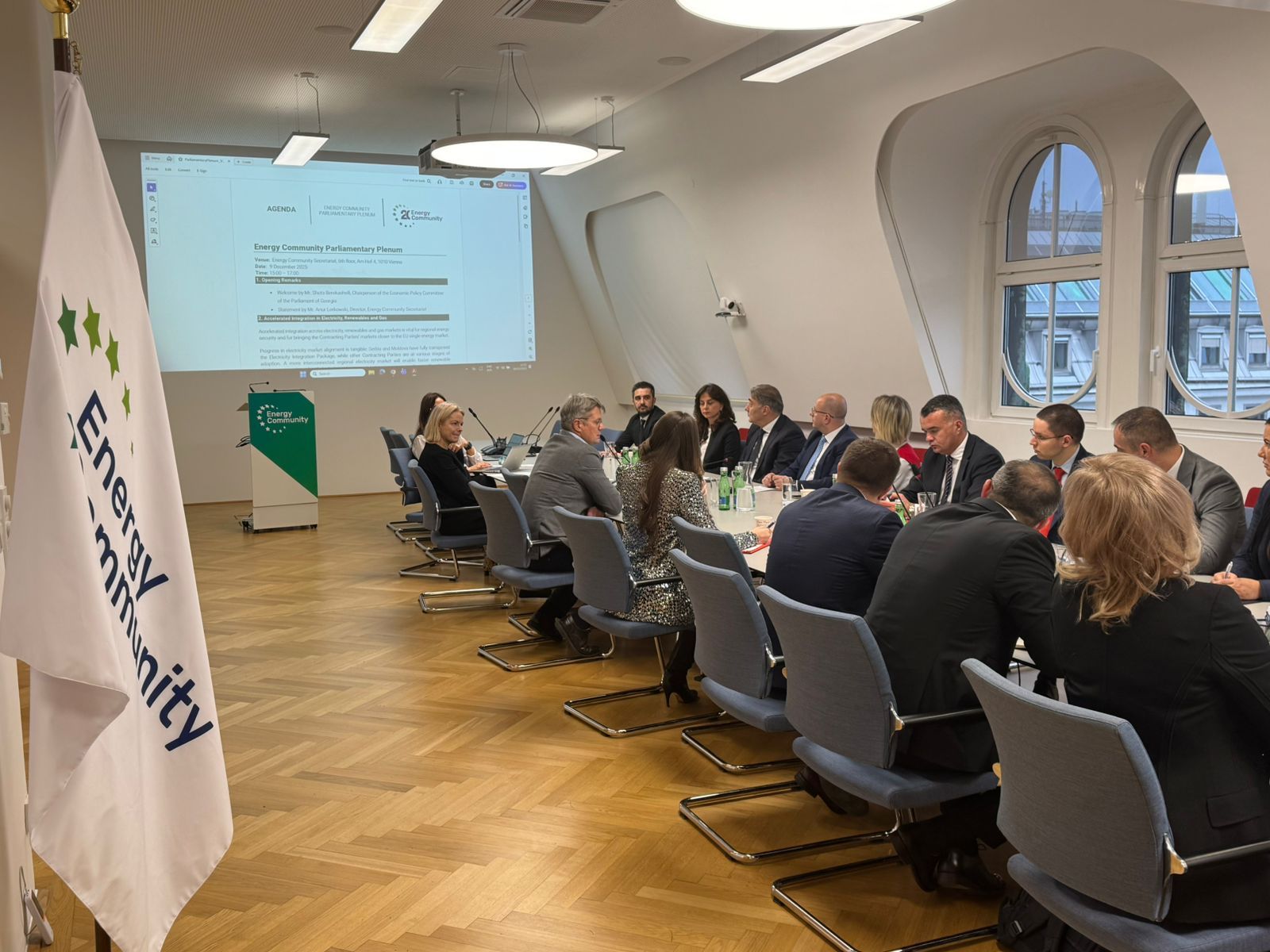
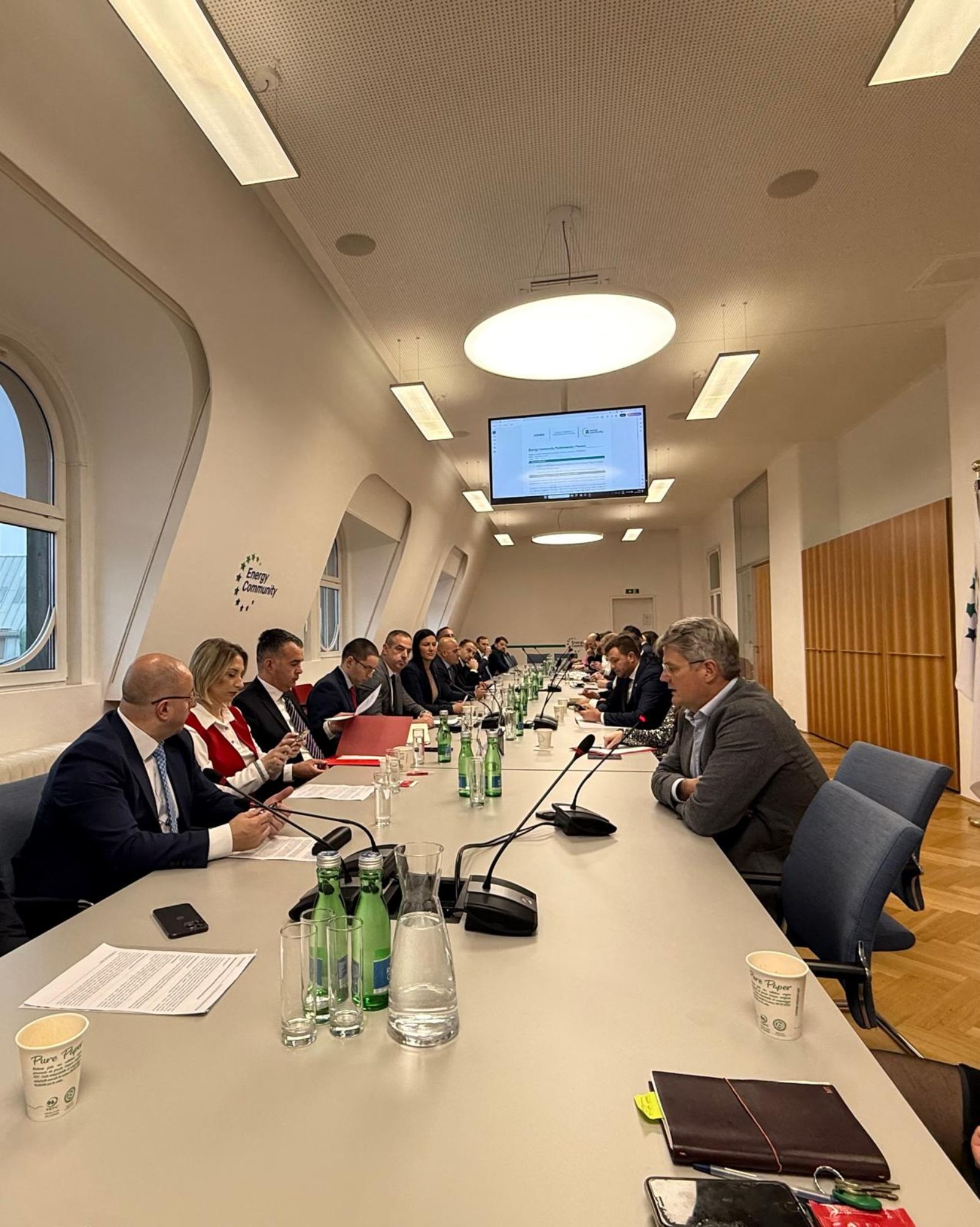
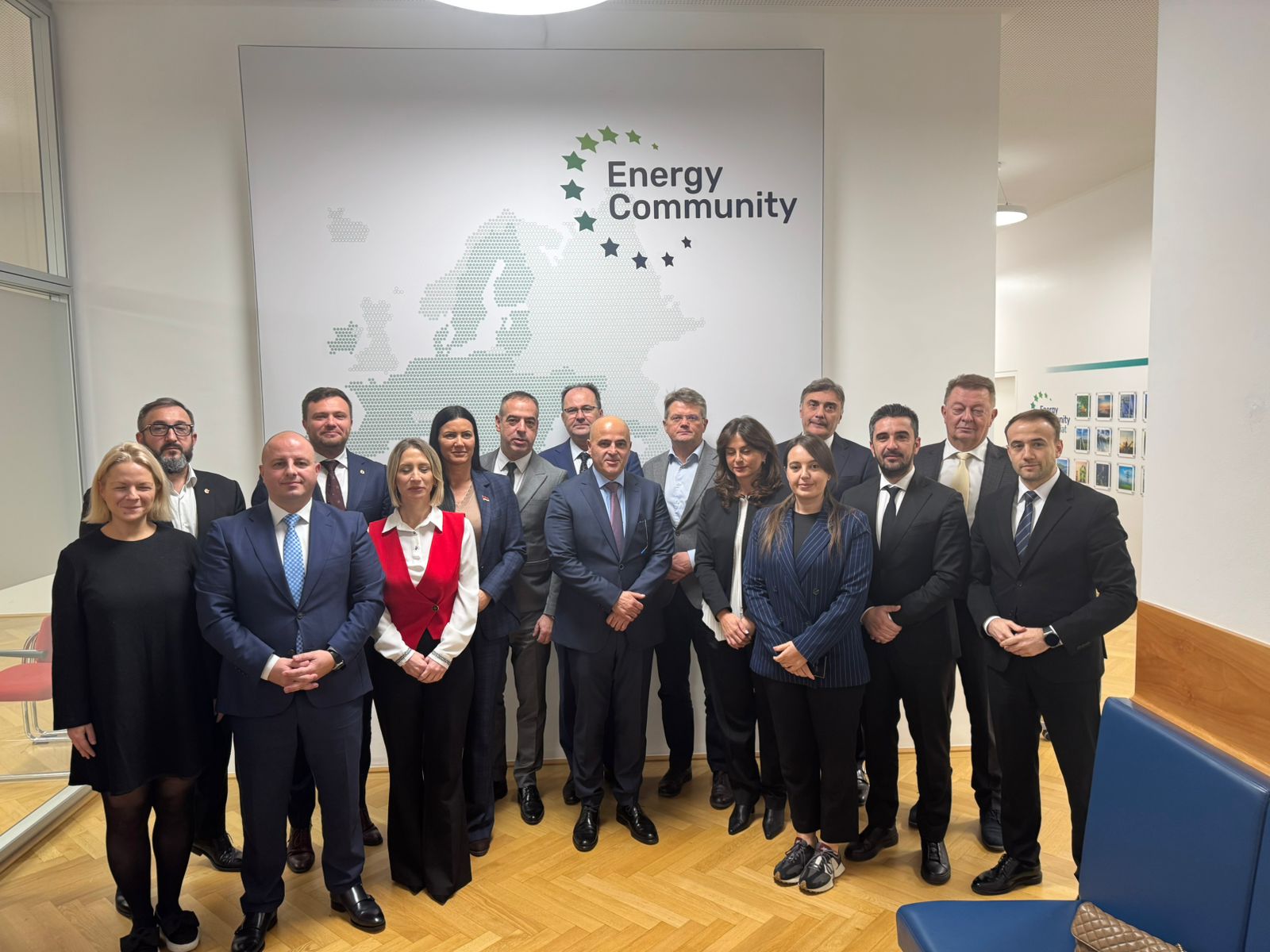
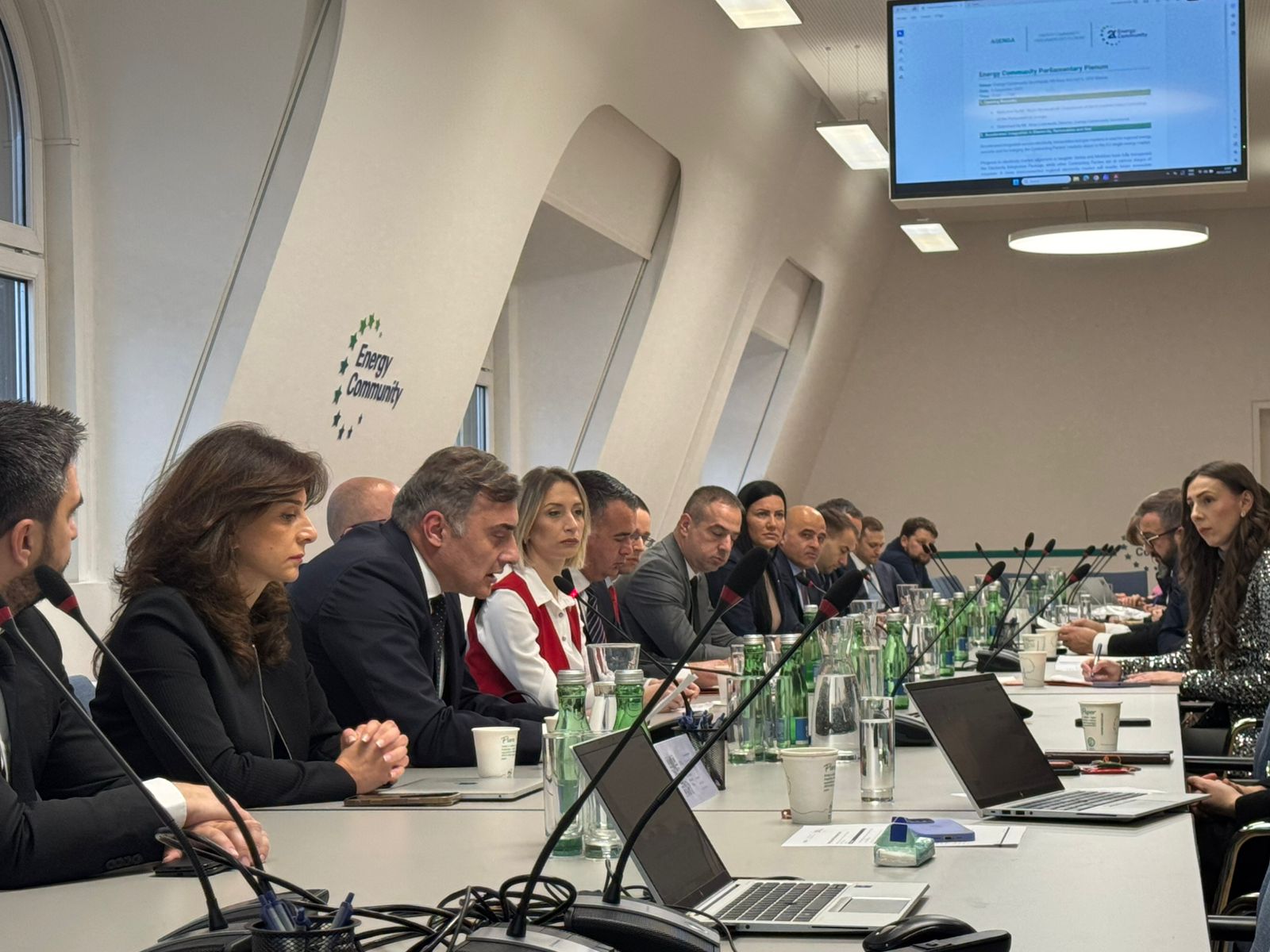
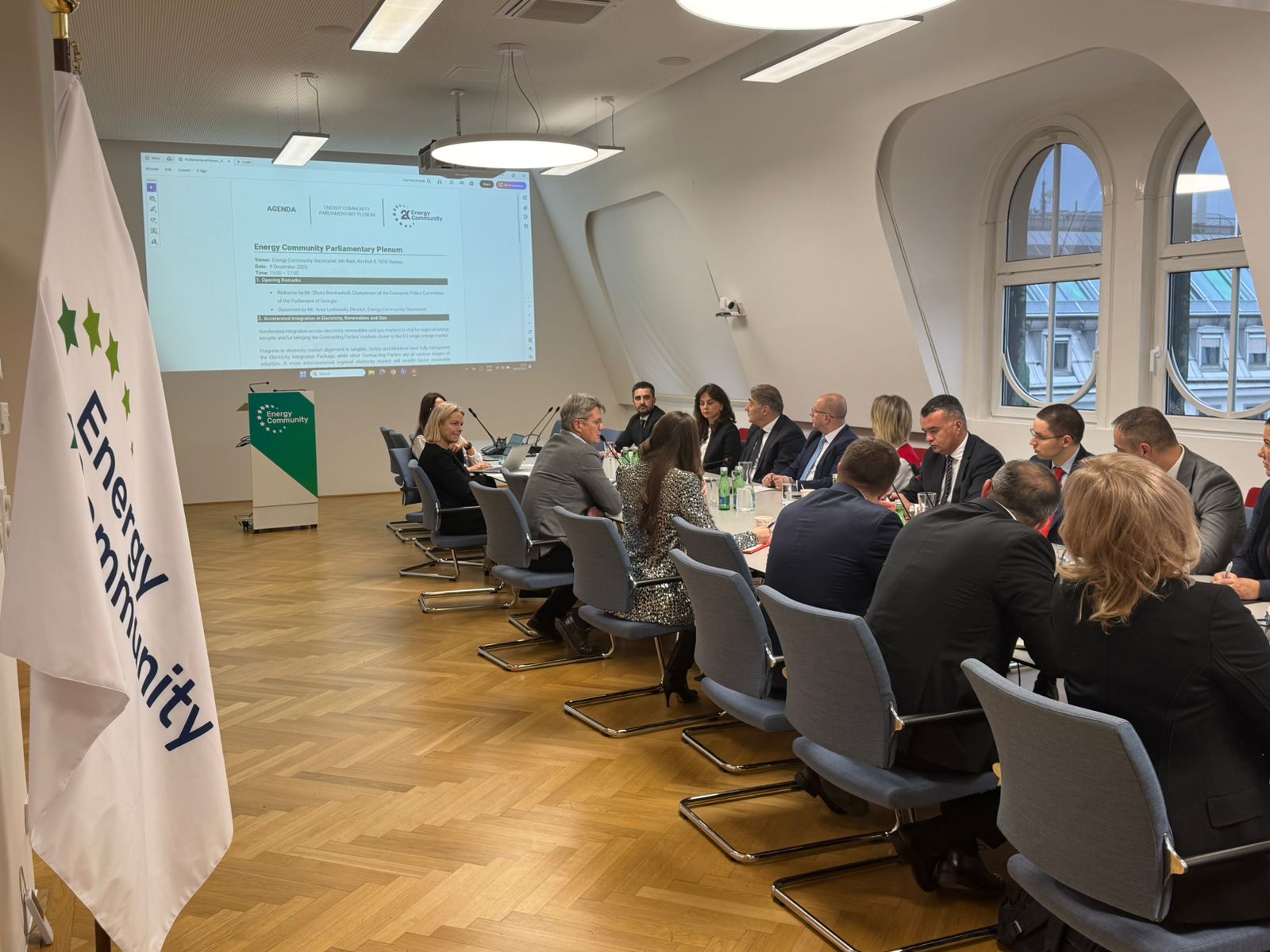
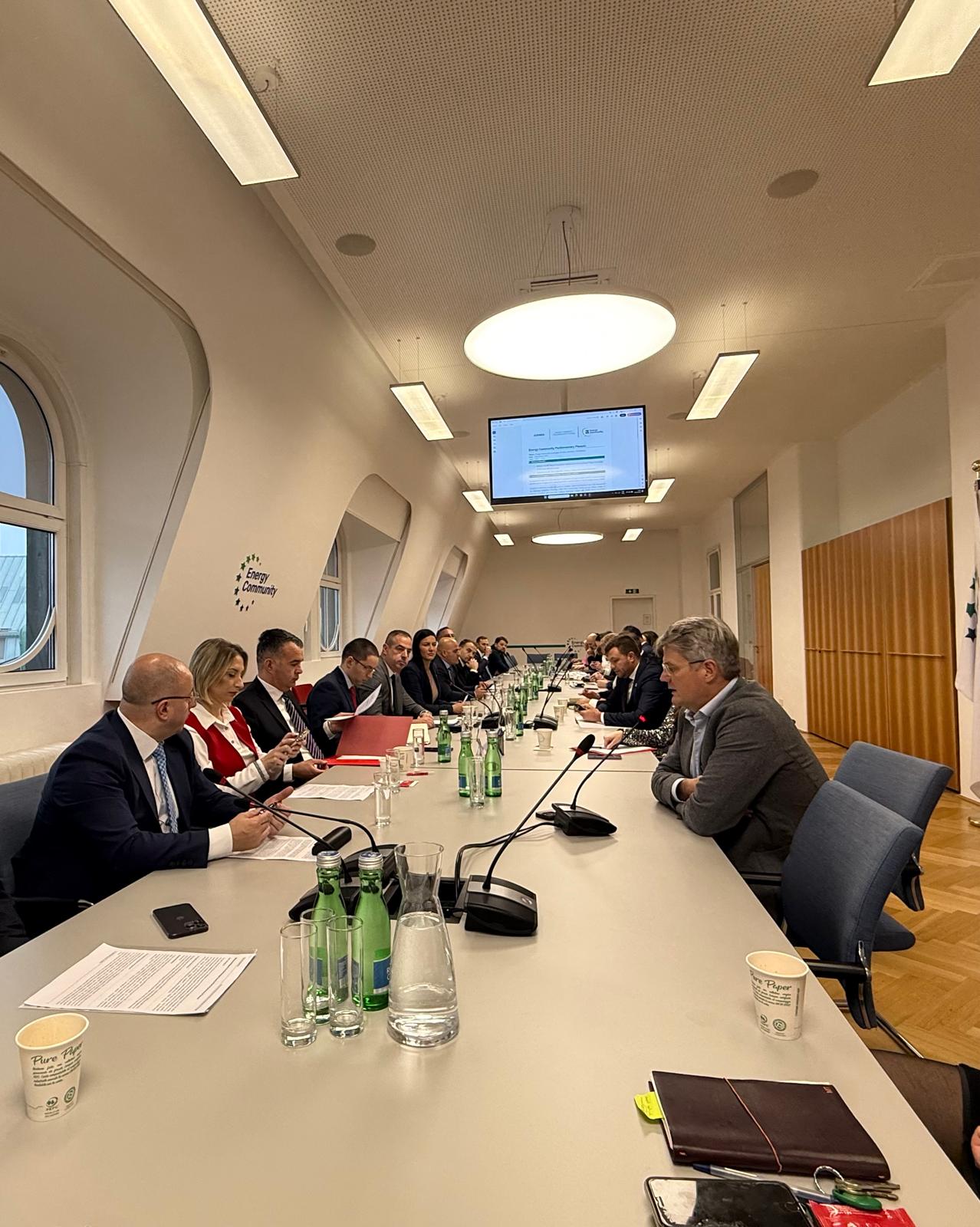
Members of national parliaments from across the Energy Community met in Vienna today for the Energy Community Parliamentary Plenum, against the backdrop of major upheavals in regional energy policy.
“As Europe phases out Russian gas and CBAM comes into force, integrating energy markets ahead of accession is the most effective way to protect security of supply, unlock investment, and deliver real climate benefits — for both the EU and the Energy Community Contracting Parties,” Energy Community Secretariat Director Lorkowski affirmed.
Europe’s gas transition opens a clear path to stronger regional energy security. Under the EU's fourth gas package, from August 2026 Member States should apply EU gas Network Codes at all borders — including those with Energy Community Contracting Parties. Their consistent implementation by Contracting Parties can accelerate gas market integration and unlock the full potential of infrastructure such as the Trans-Balkan Pipeline, strengthening the diversification needed to end Russian gas dependency definitively.
Meanwhile, as CBAM enters its definitive phase, electricity market integration has become an imperative for EU Member States and the Energy Community Contracting Parties alike. Both security of electricity supply and renewable deployment increasingly depend on larger, integrated markets. Serbia and Moldova have fully transposed the Electricity Integration Package and are positioned to proceed toward market coupling following verification by the European Commission, while others must continue to advance, Lorkowski highlighted. In this context, ongoing efforts toward mutual recognition of Guarantees of Origin between the EU and Contracting Parties can deepen renewable integration. By certifying the renewable origin of electricity, Guarantees of Origin can enable producers across the region to access EU markets and financing on equal terms — strengthening transparency, trust, and investment.
Finally, strong parliamentary ownership of National Energy and Climate Plans (NECPs) currently being drafted can sustain the region's energy transition into the future. Well-implemented NECPs — with clear targets and robust monitoring frameworks — can provide the certainty investors require, unlock capital, and ensure a just transition for workers and communities, particularly in coal regions, Lorkowski underlined.
With parliamentary backing, action across these three fronts can turn current policy shifts into a driver of further integration. The Energy Community Secretariat will continue to support Contracting Parties through coordination, implementation guidance, and monitoring.