
20th Energy Community Gas Forum sets direction for European energy security through integration
Momentum builds for next phase of EU gas market integration and energy resilience amid Russian gas phaseout
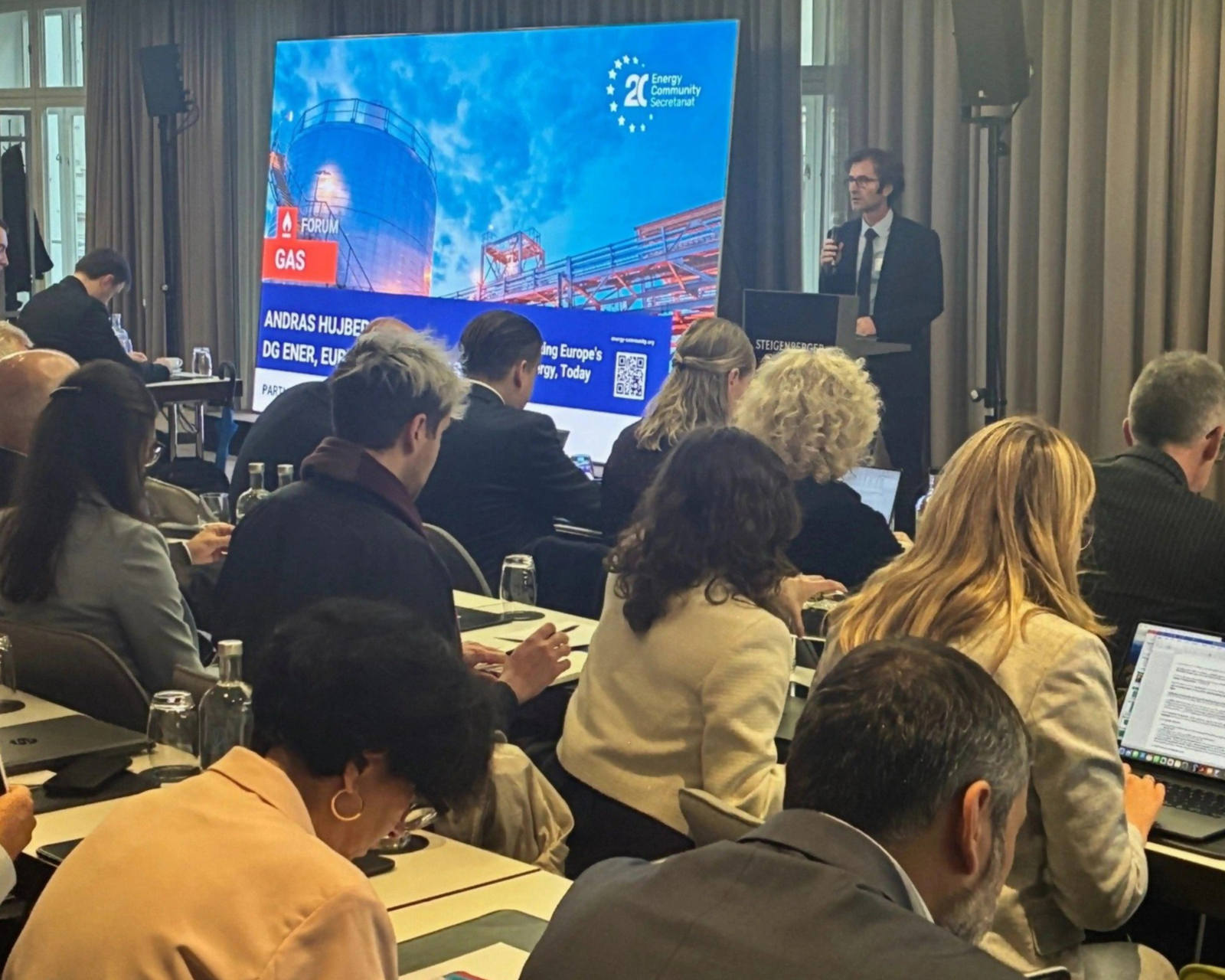
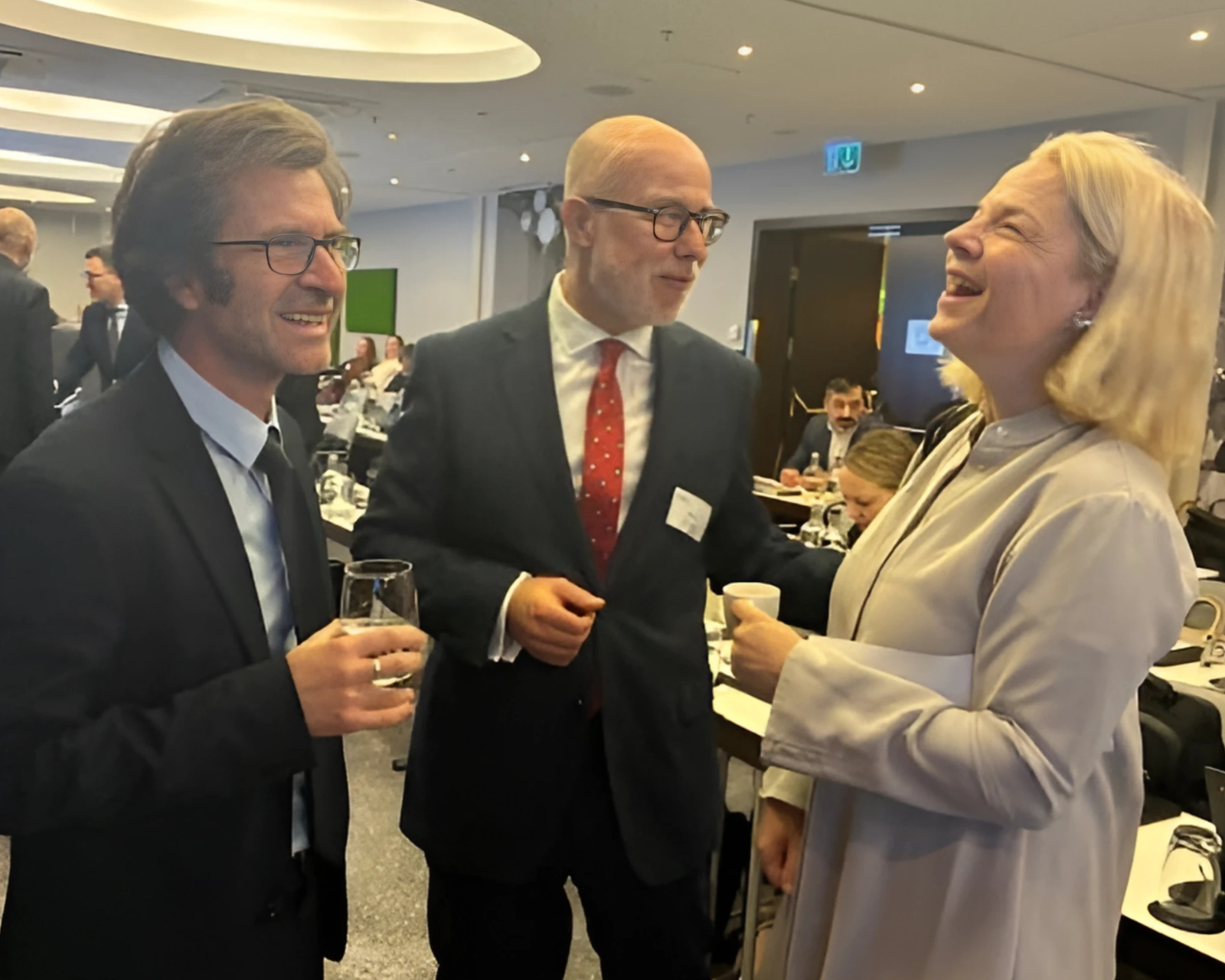
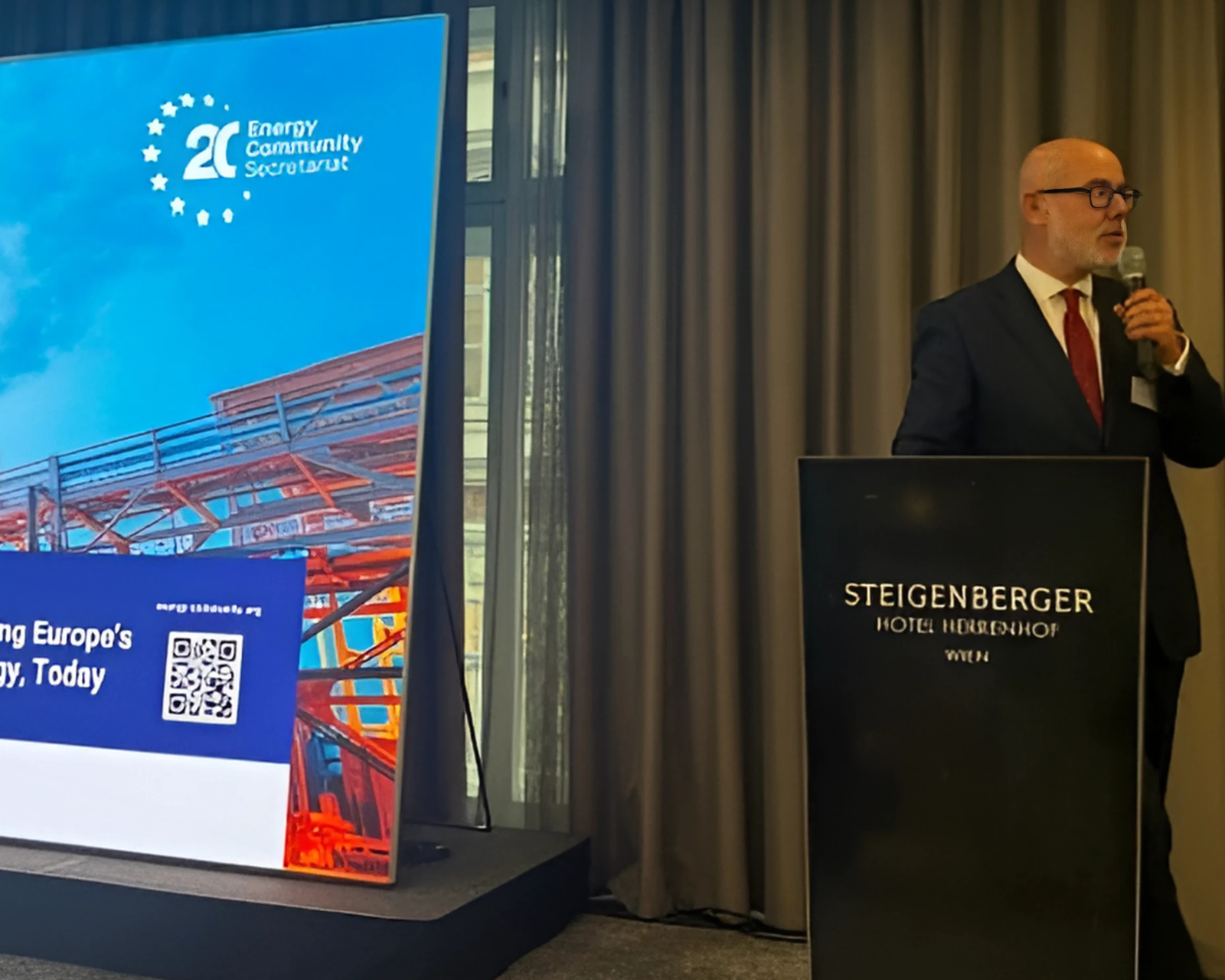
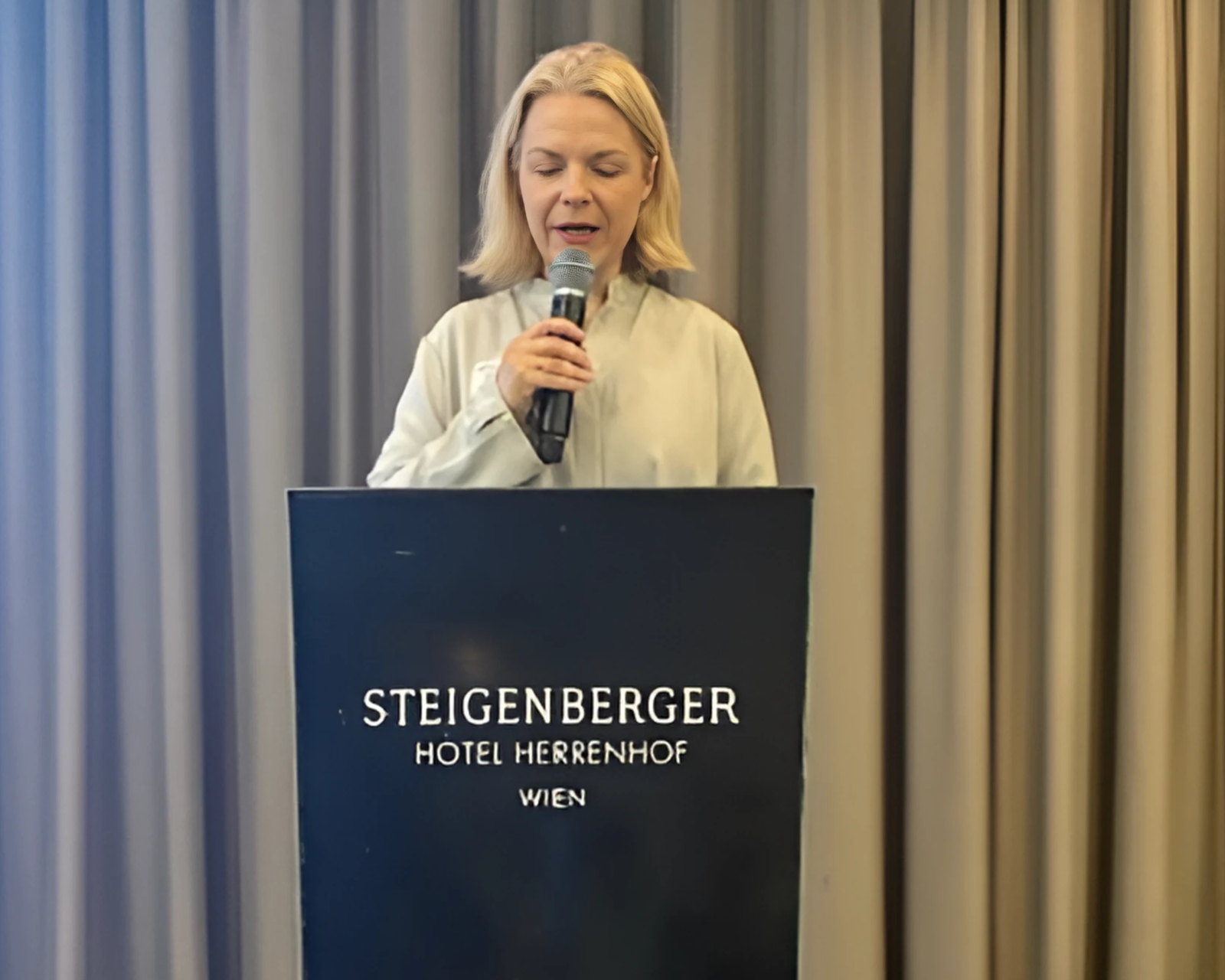
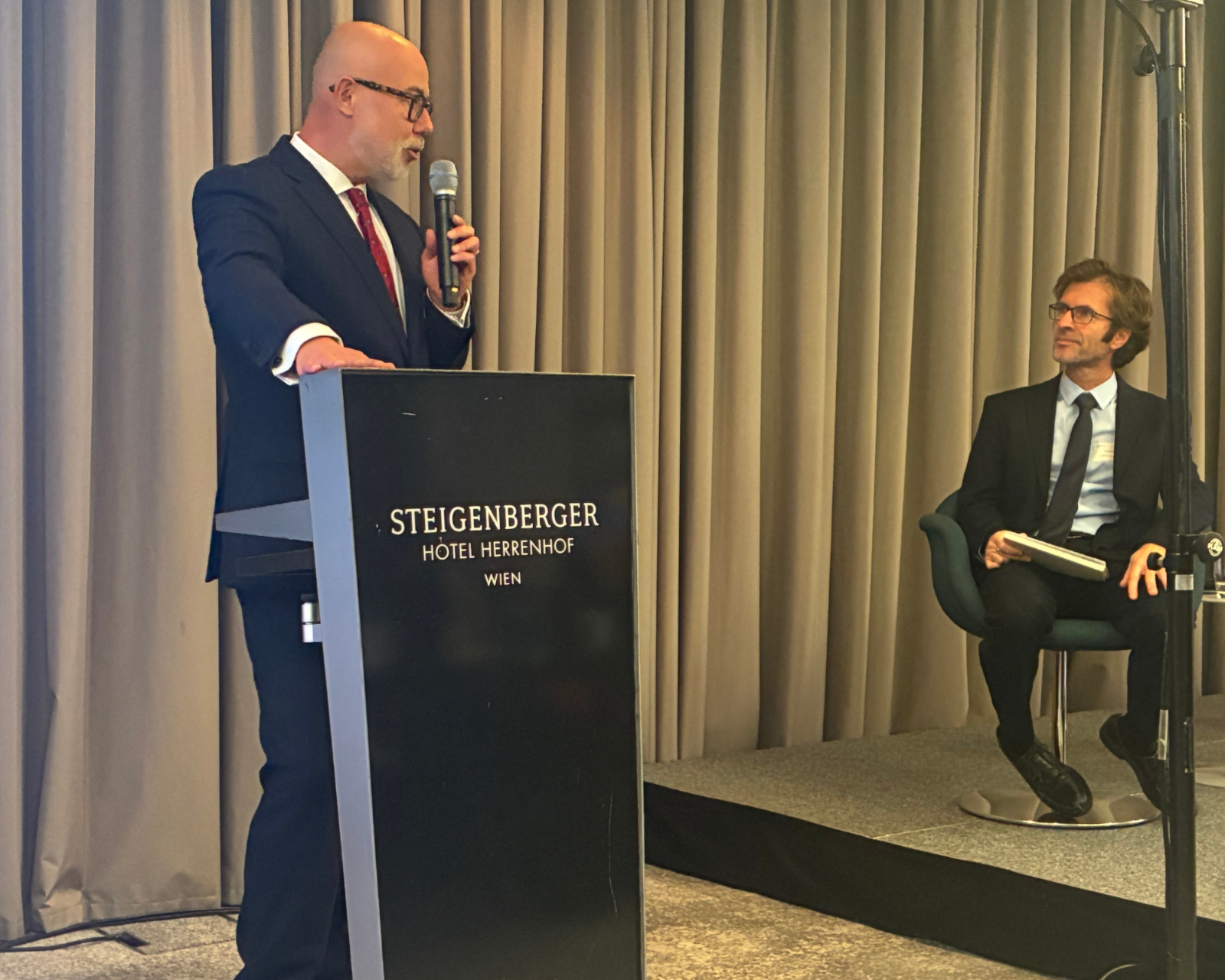
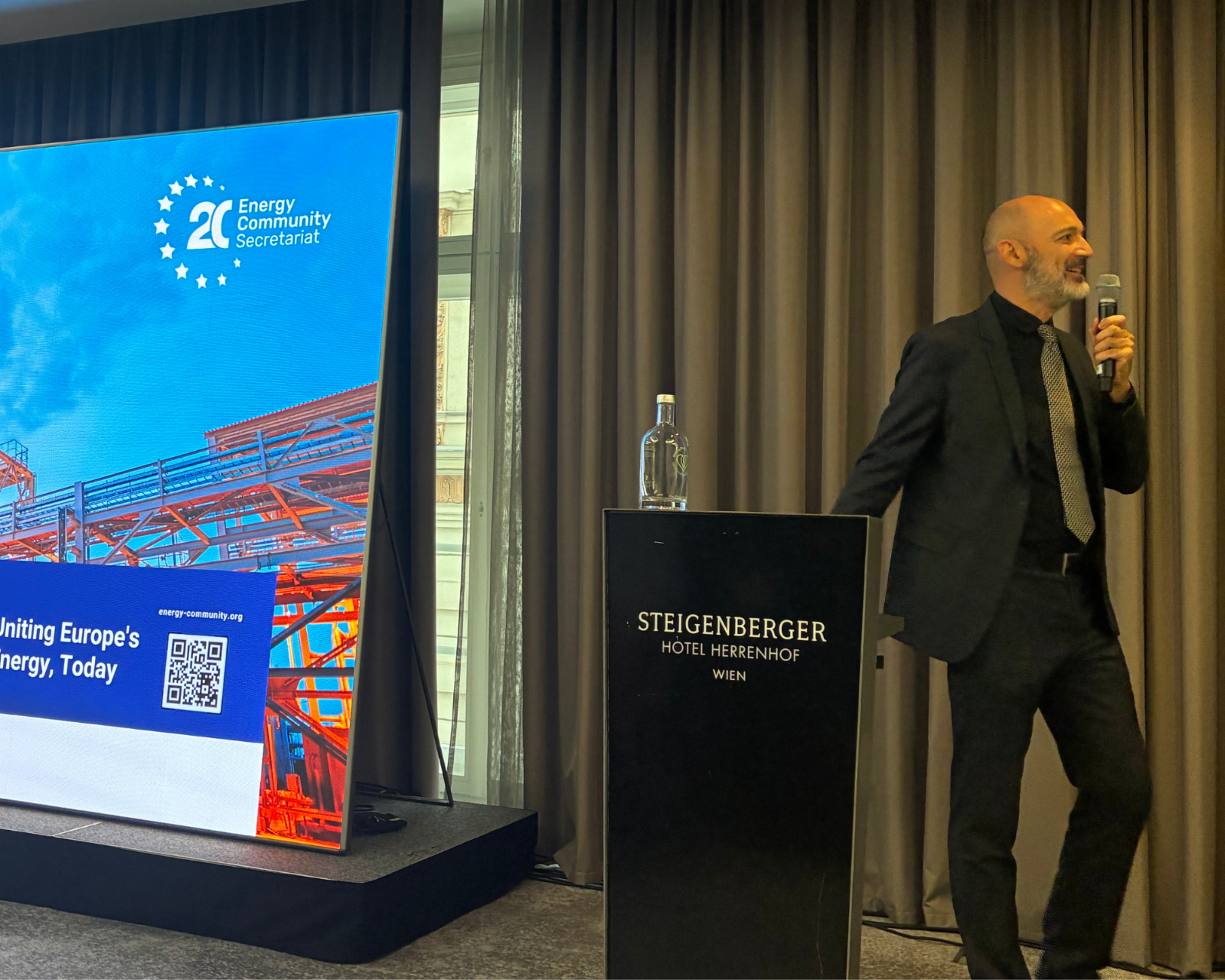
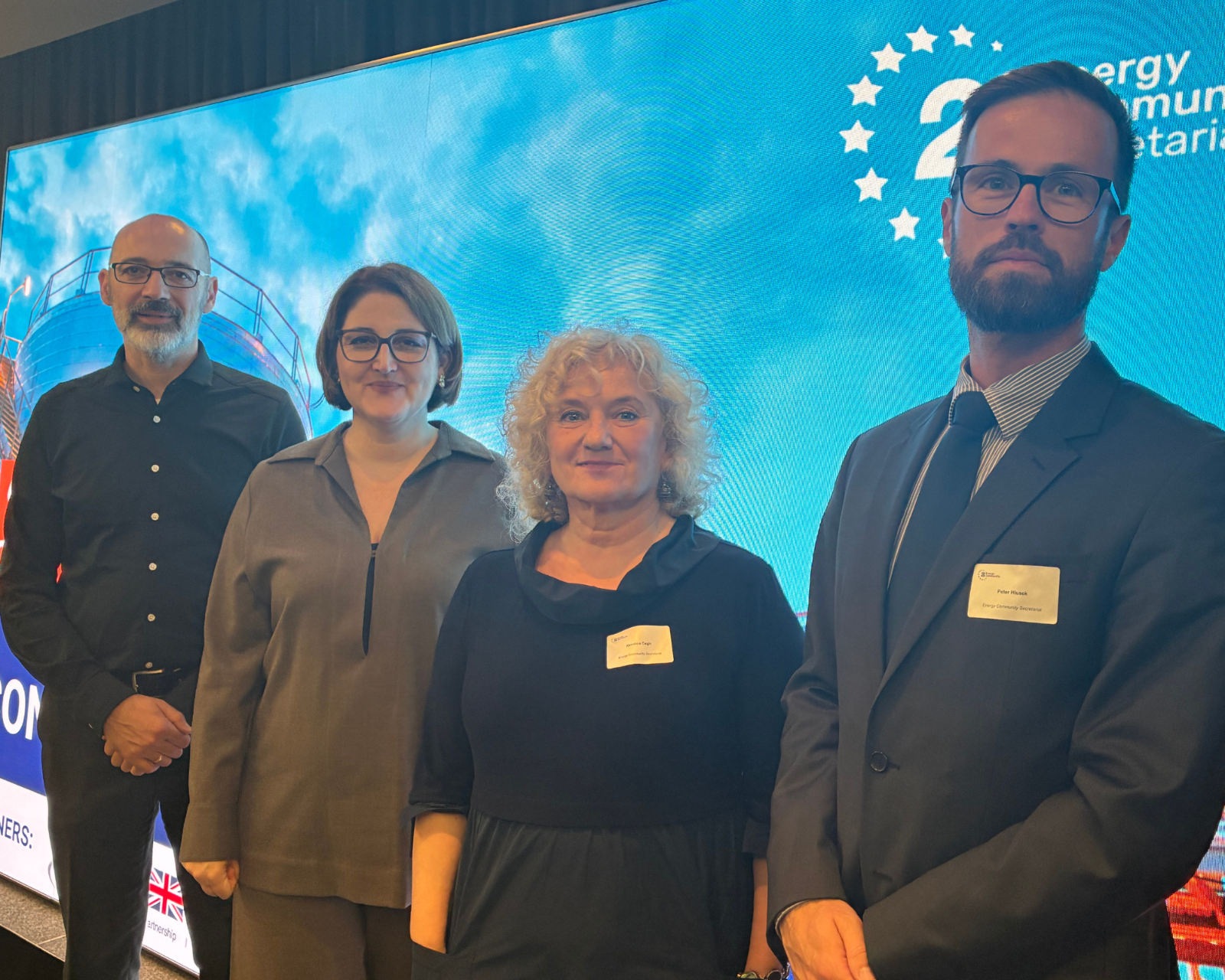
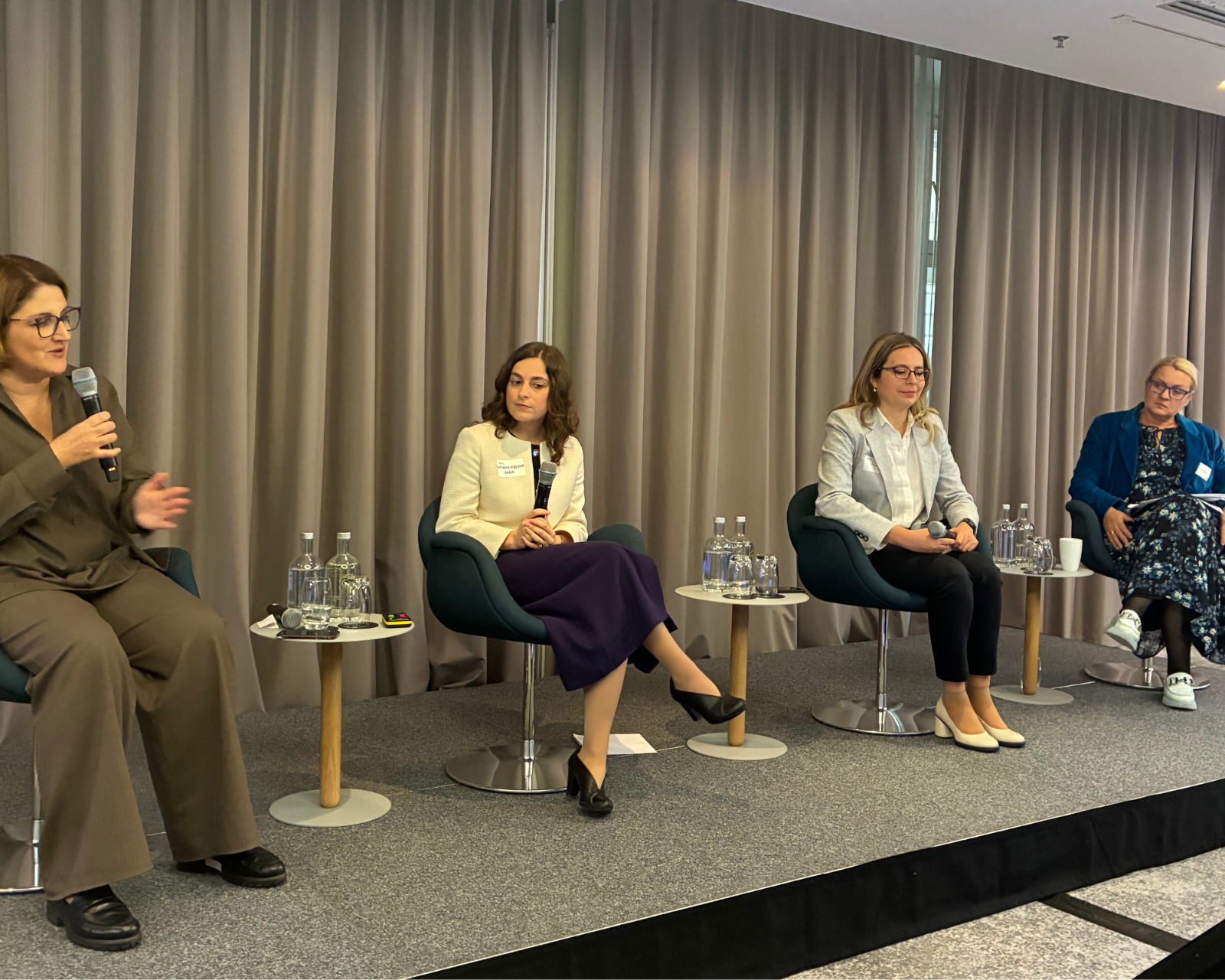
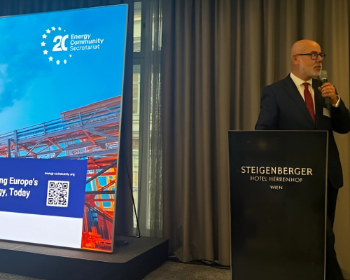
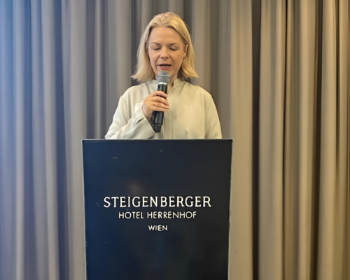
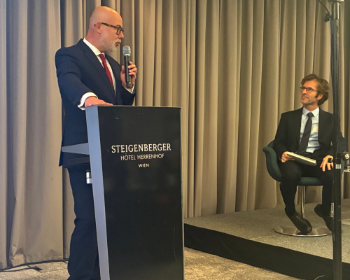
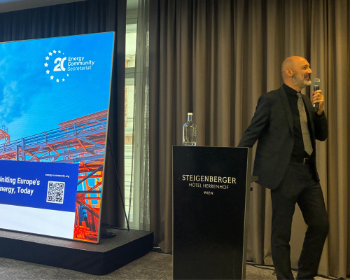
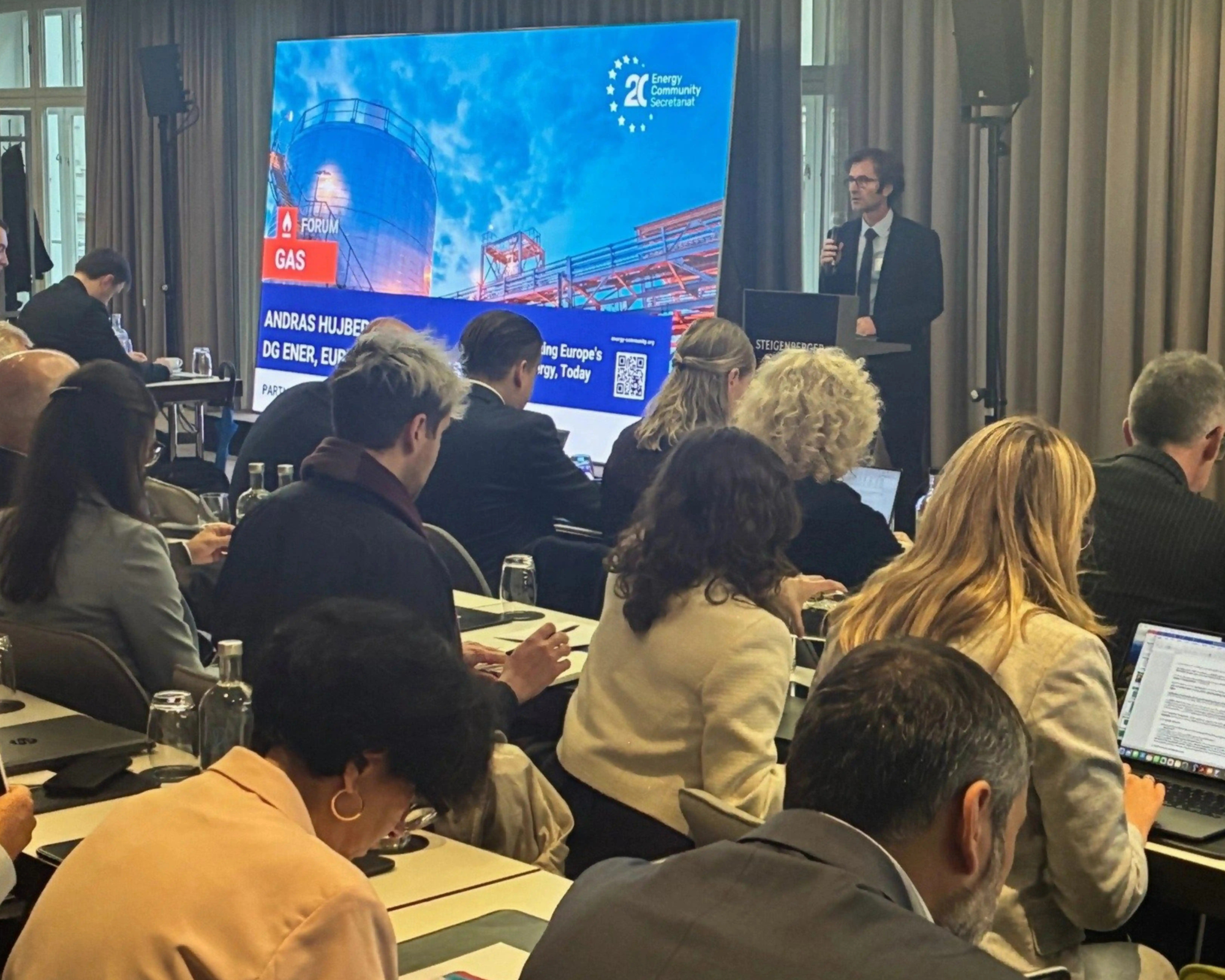
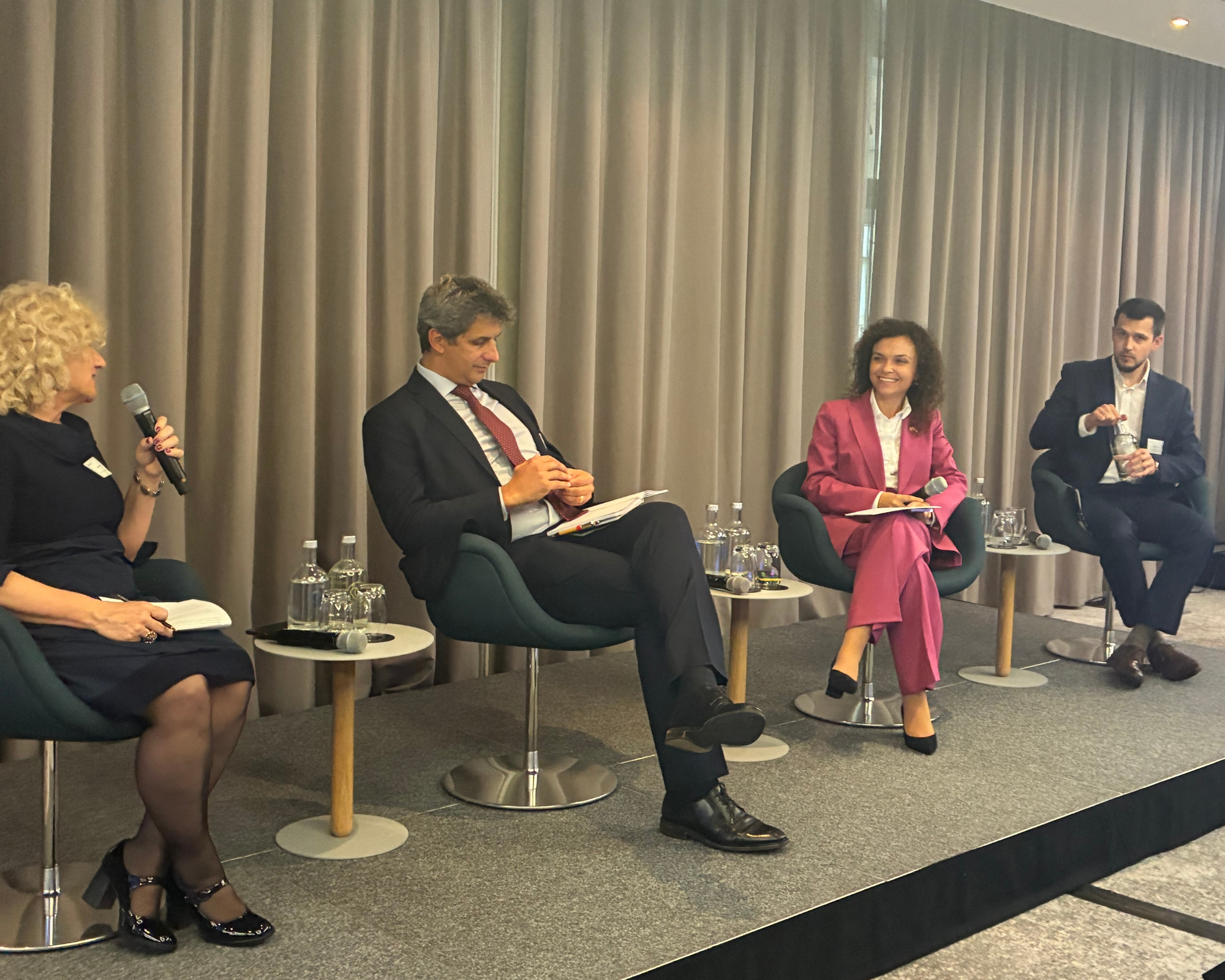
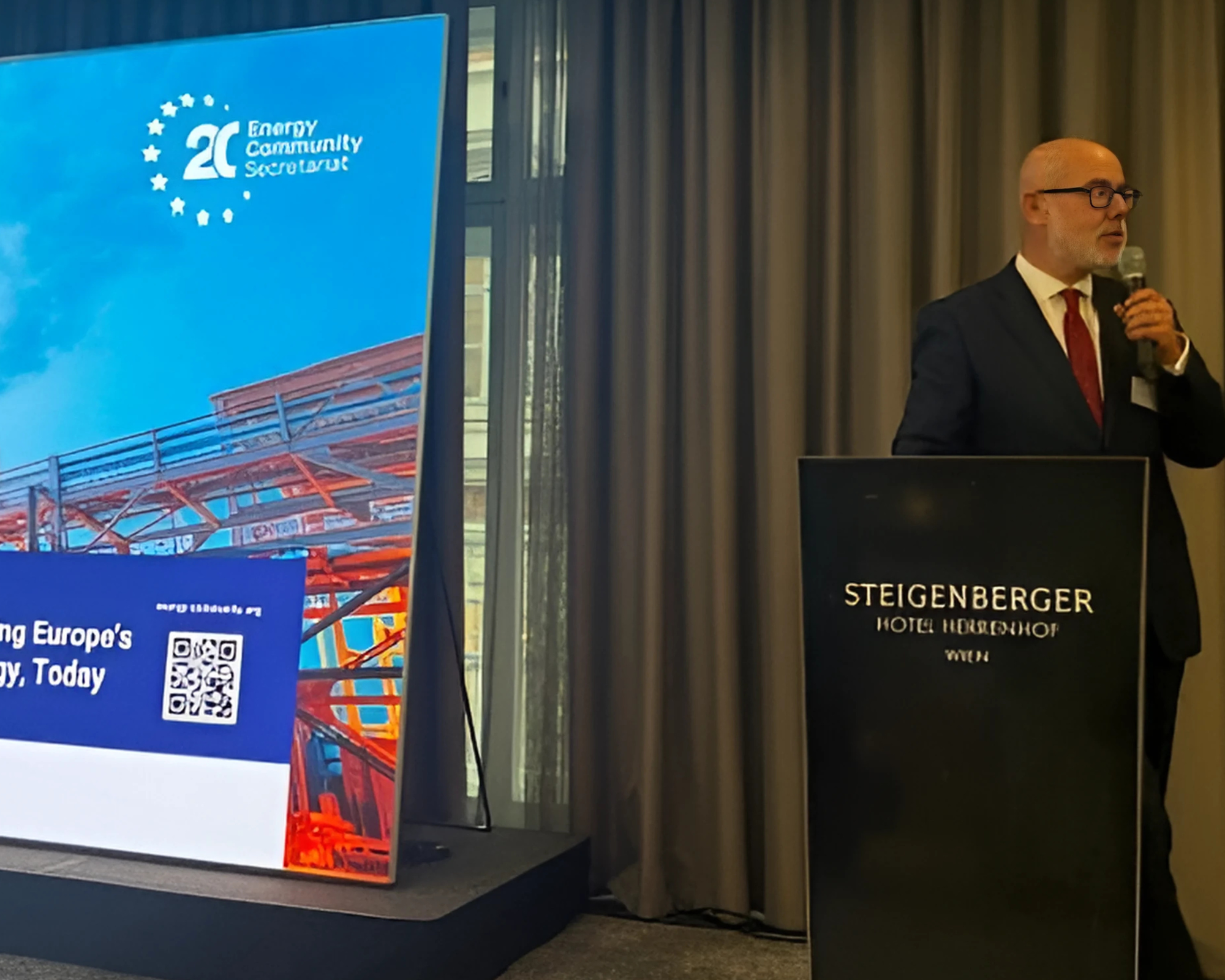
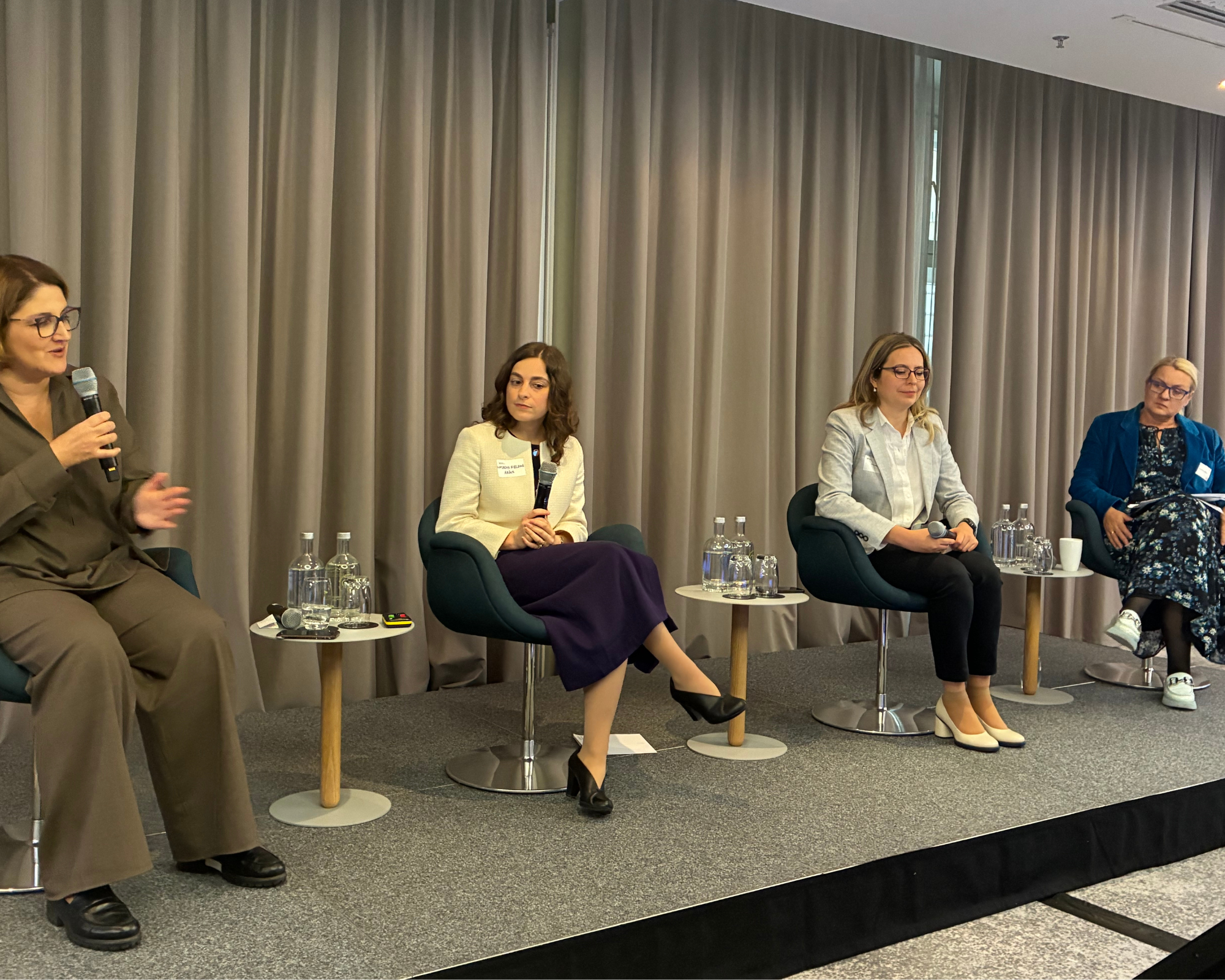
With the phase-out of Russian gas on the horizon, deeper integration between Southeast and Eastern Europe and EU gas markets is emerging as a strategic path to strengthen regional energy security. Against this backdrop, over 100 high-level representatives from governments, regulators, transmission system operators, and industry gathered today in Vienna for the 20th Gas Forum of the Energy Community, chaired by the European Commission. Participants backed coordinated market reforms as vital to an interconnected gas system resilient to shocks like 2022–2023.
A central focus was the urgent need to fully implement EU gas network codes across Contracting Parties and at every interface with EU Member States. These codes integrate pipelines and interconnectors into a single EU market, creating stable prices and seamless flows. Until now, their application at external borders has been voluntary and case-by-case. But under Regulation (EU) 2024/1789, Member States must apply them at external borders by August 2026 — a time-sensitive chance to align with Energy Community neighbours. With Member States now obliged, Contracting Parties face the same imperative. Some progress is evident: Moldova, Serbia, and North Macedonia have advanced unbundling and TSO certification, while Ukraine made significant strides before the war interrupted its path. Still, participants stressed that full implementation is key to European resilience.
“EU law mandates transformative change: by August 2026, Member States must apply gas network codes at external borders — a defining moment to align markets and secure integration,” said Marie-Therese Richter-Kuhnert, Deputy Director of the Energy Community Secretariat. “We must seize this window to accelerate integration and build cross-border trust. Europe’s stable future depends on it.”
Momentum is building as progress on EU network codes and the SEEGAS (South East European Gas) platform reinforce each other, accelerating the drive toward a more integrated and competitive regional gas market. Since its launch by the Energy Community Secretariat in 2020, SEEGAS has emerged as a key hub for cooperation, advancing harmonised rules, boosting cross-border trading, and laying the foundation for a transparent, liquid, and resilient gas market in Southeast and Eastern Europe.
The Missing Link in Regional Gas Integration
Optimising existing infrastructure emerged as another priority, as Europe reassesses pipeline routes and fossil assets. A recent Energy Community study showed that by adjusting tariffs, transport costs from Greece’s Revithoussa LNG terminal to Ukraine via the Trans-Balkan Pipeline could fall by 43%, making the route competitive with alternatives. At commercially realistic volumes, the pipeline could deliver 2.1 bcm per year —for example, is more than double Moldova’s annual demand — while generating nearly €100 million in extra revenue for operators. Beyond boosting Europe’s market resilience, unlocking this corridor is critical to Ukraine’s winter storage strategy as it confronts Russian aggression.
Biomethane as a Cornerstone of Cleaner, More Secure Gas Systems
The Forum urged action to build cleaner gas systems without compromising security of supply. Participants called for integrating renewable gases, cutting methane emissions, and raising gas quality standards across the region. Ukraine, with the capacity to produce 20 bcm of biomethane annually, remains stalled until the EU finalises rules on gas acceptance, sustainability, and mass balances. To unlock this potential, the Secretariat — with UK support — launched a new project this year to identify additional raw materials and equip small farmers in Ukraine with the expertise to contribute.
The 20th Gas Forum reaffirmed the Energy Community’s role as a bridge between the EU and its neighbours. With winter approaching and the 2026 EU deadline looming, the message from Vienna was clear: only integration, alignment, and cleaner gas systems can deliver a stable, secure energy future.