

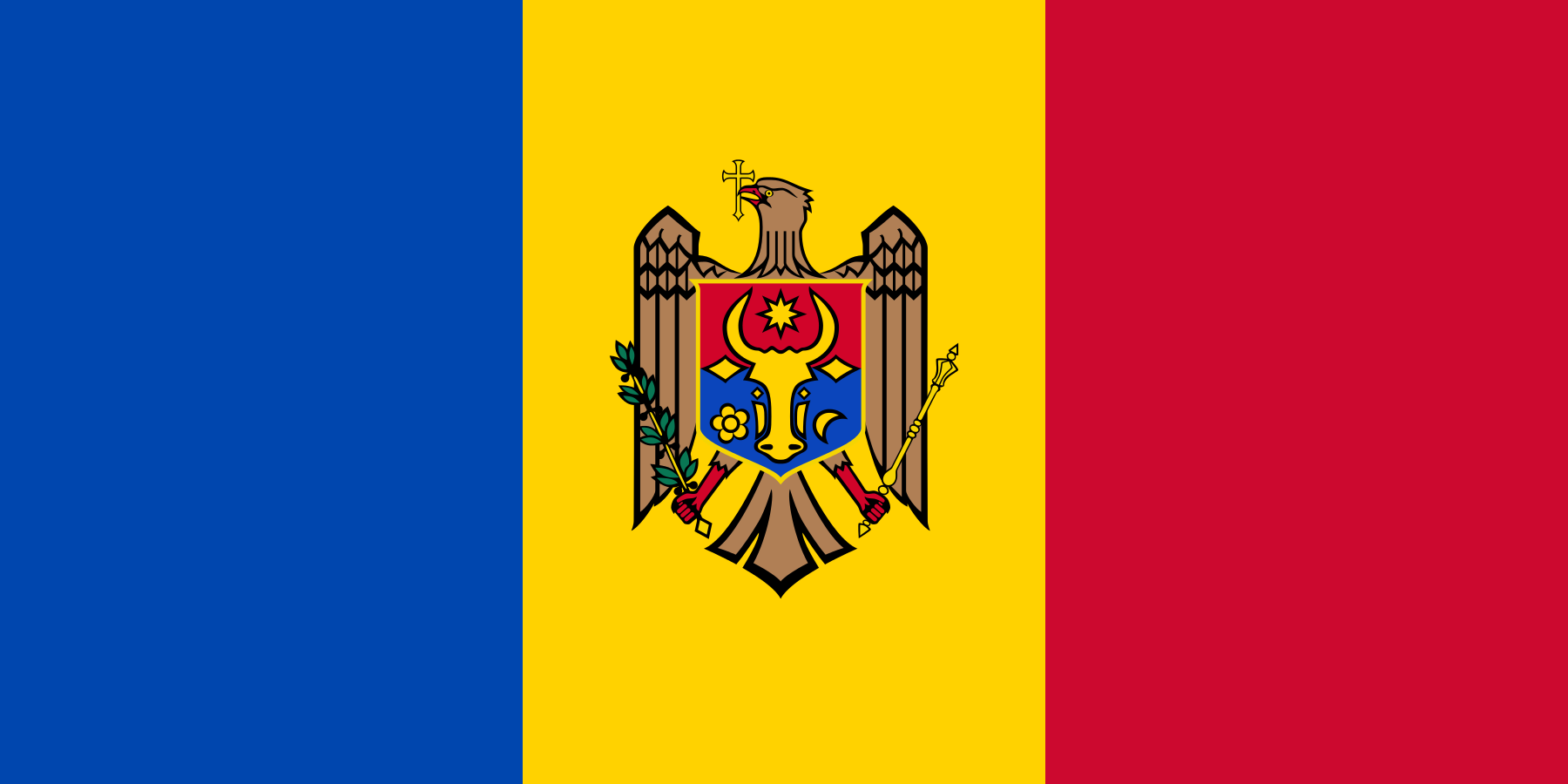
 Moldova
Moldova advances energy transition with renewable quotas for 2030
Decision paves the way for new auctions, clean energy investment, and reduced dependence on imports
Vienna/Chișinău - The Government of the Republic of Moldova has set the stage for a new wave of renewable energy investment by approving capacity quotas that will guide upcoming competitive auctions. The move follows two years of geopolitical unrest in the region and reflects Moldova’s drive to cut dependence on imported electricity and natural gas while preparing for closer alignment with EU electricity market rules.
The decision sets technology-specific parameters for renewable energy projects to be developed with state support through 2030. By providing the legal foundation for future auctions, it ensures progress under Moldova’s National Energy and Climate Plan and strengthens the country’s alignment with wider EU energy policies and markets.
A key innovation is the link between new wind capacity and battery energy storage systems. This will ensure renewable power can be securely integrated into the grid, reducing congestion and energy losses while boosting system resilience. In particular, the decision sets a maximum capacity quota of 170 MW for wind projects — enough to power around 140,000 households and, per government estimates, avoid up to 330,000 tonnes of CO₂ each year. These projects must be paired with battery energy storage systems, with a minimum of 0.25 MWh of storage for each MW of wind capacity. This integrated approach enhances flexibility, avoids curtailment, and creates the conditions for further renewable expansion.
"The approval of the quotas is a decisive step in accelerating the energy transition,” affirmed Artur Lorkowski, Energy Community Secretariat Director. “It enhances investor visibility, strengthens network security and resilience, and contributes to decarbonising the energy sector. Equally importantly, it positions Moldova on the path toward coupling with EU electricity markets, where shared decarbonisation and security goals can be achieved more effectively together than alone.”
The Energy Community Secretariat supported the drafting of the Government’s decision by combining analytical expertise with regulatory guidance. Under the Moldova Energy Independence and Resilience (MEIR) programme, the Secretariat carried out power-system modelling and scenario analysis to inform safe capacity allocations for future auctions. In parallel, through the EU4Energy Phase 2 programme, it assisted the Ministry of Energy in shaping the legal framework. Both strands of work, done in close cooperation with the Ministry, ensured technical coherence, regulatory clarity and investor-friendly procedures.
Investors and all interested stakeholders are encouraged to follow the next steps closely. The update of the Regulation on the conduct of auctions for renewables, followed by the publication of technical documentation for the forthcoming auction are planned by the end of this year.
The Secretariat will continue to work with the authorities to ensure transparency, predictability and technical clarity throughout the auction process.