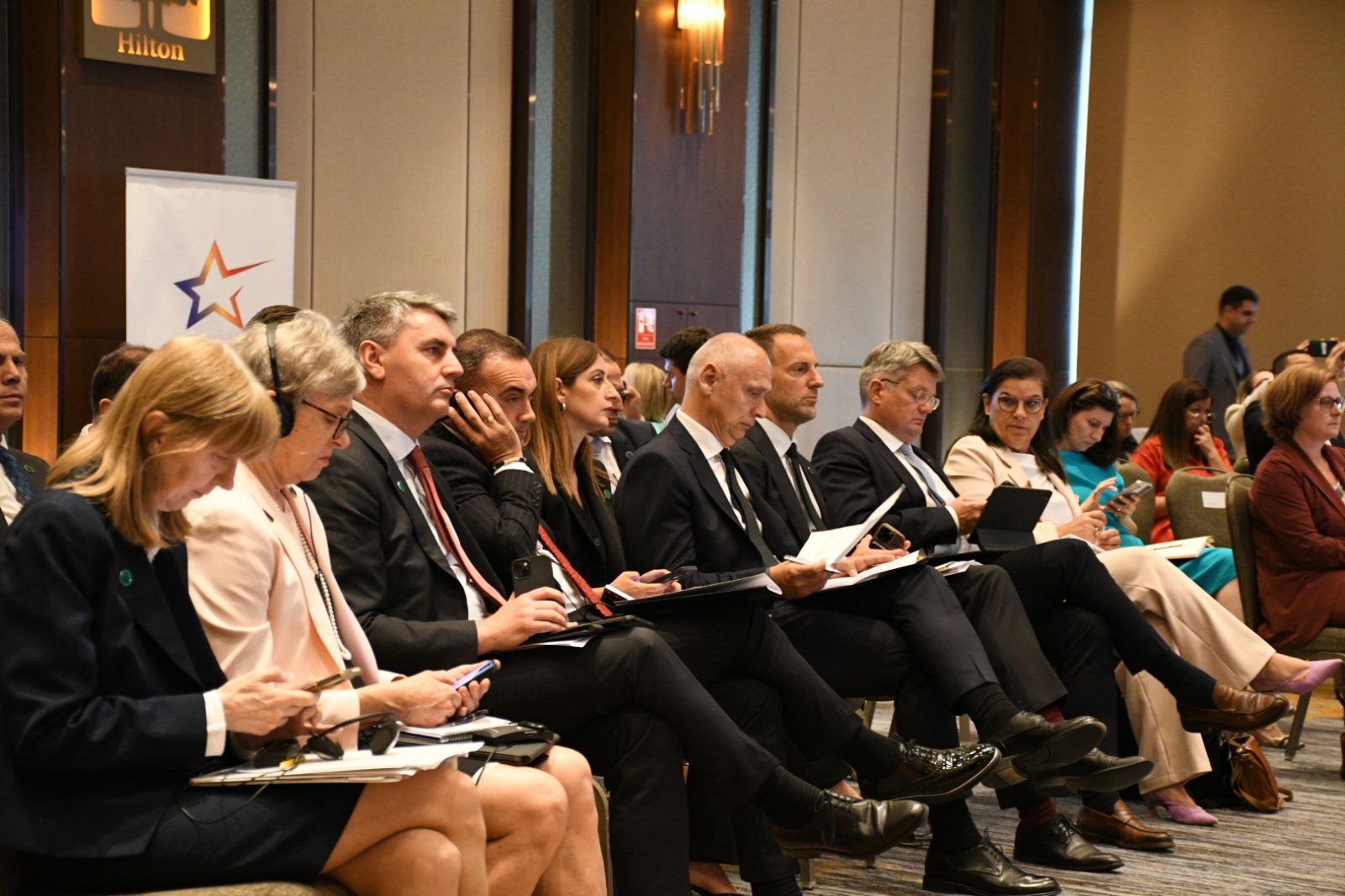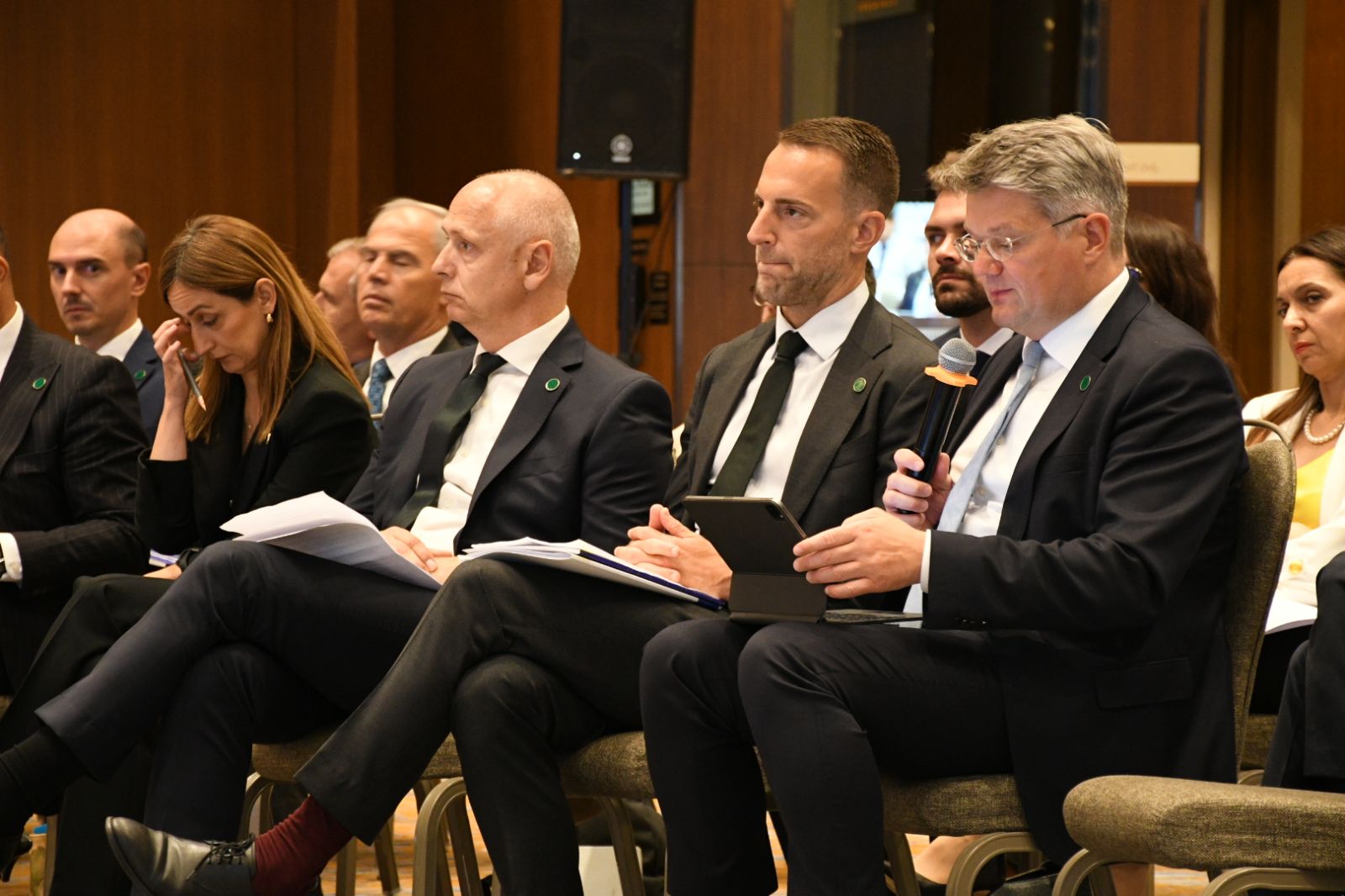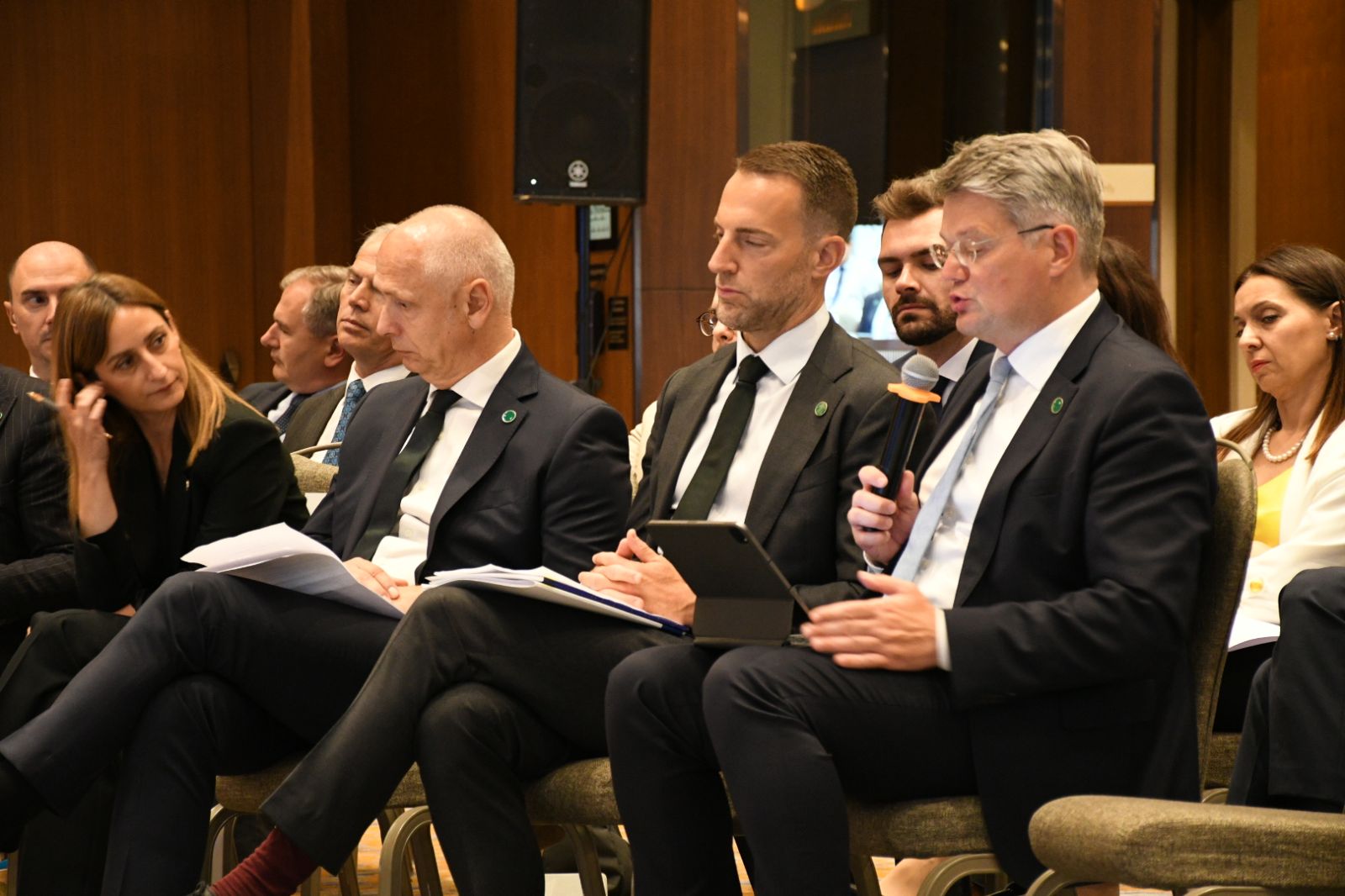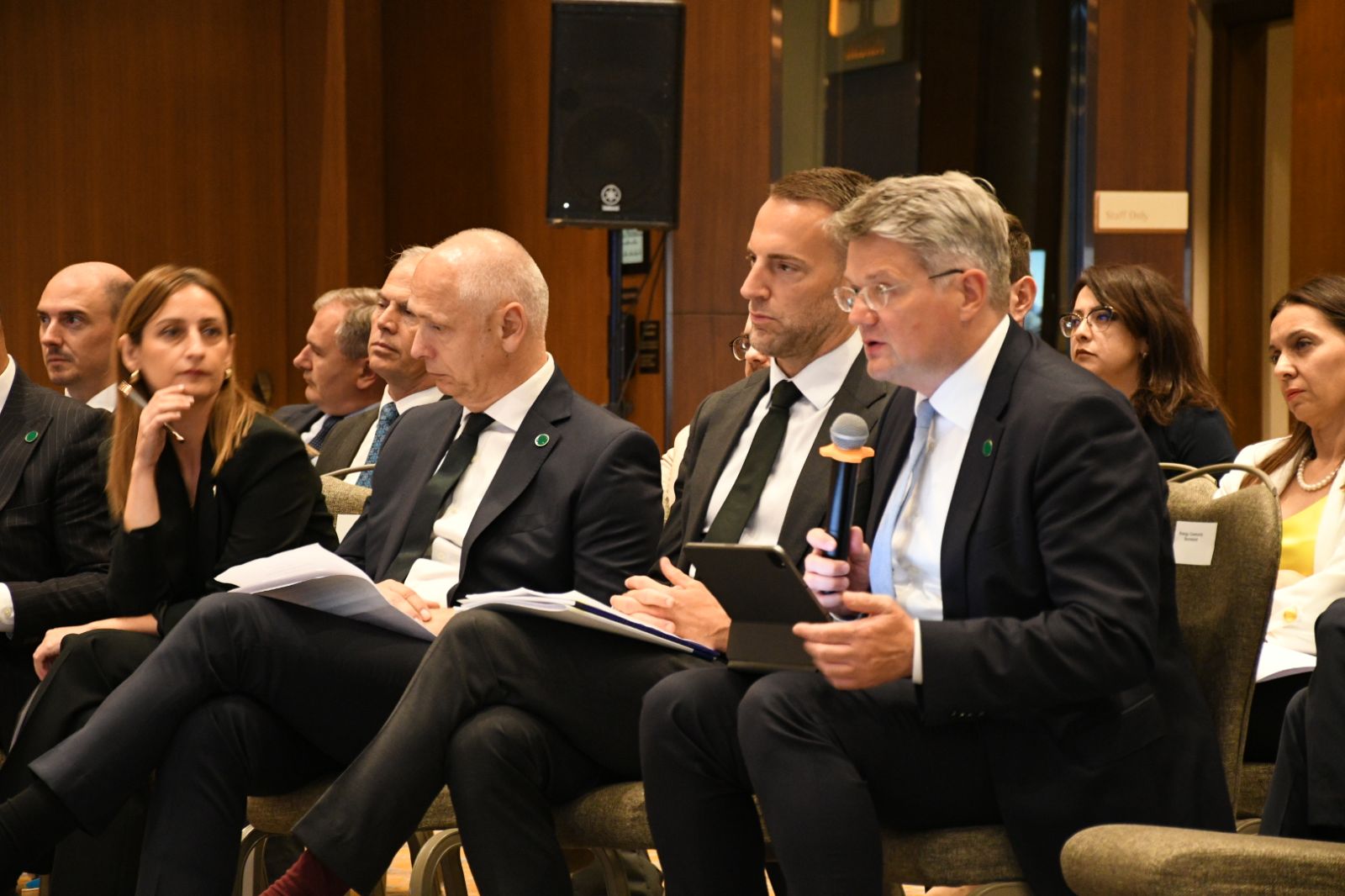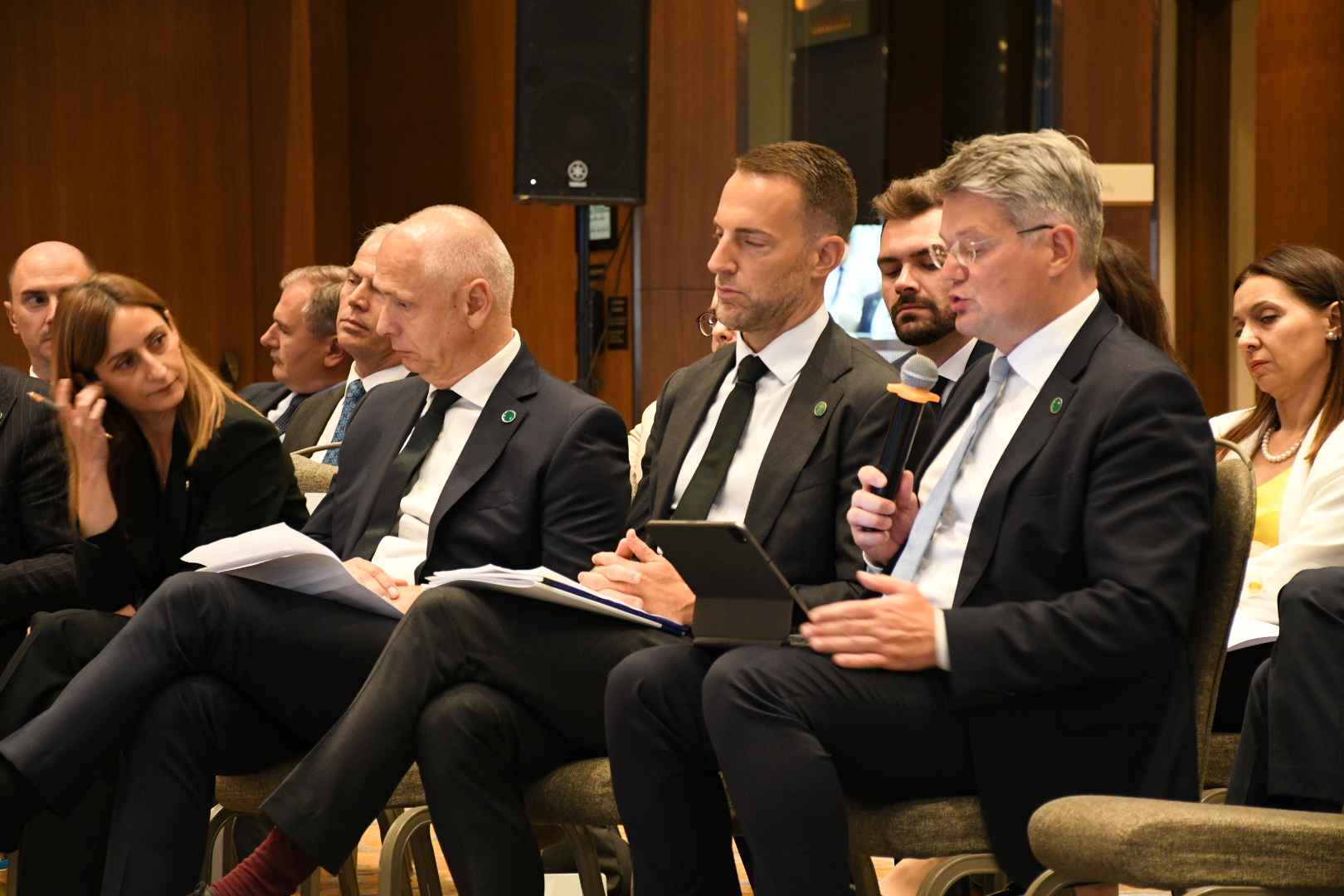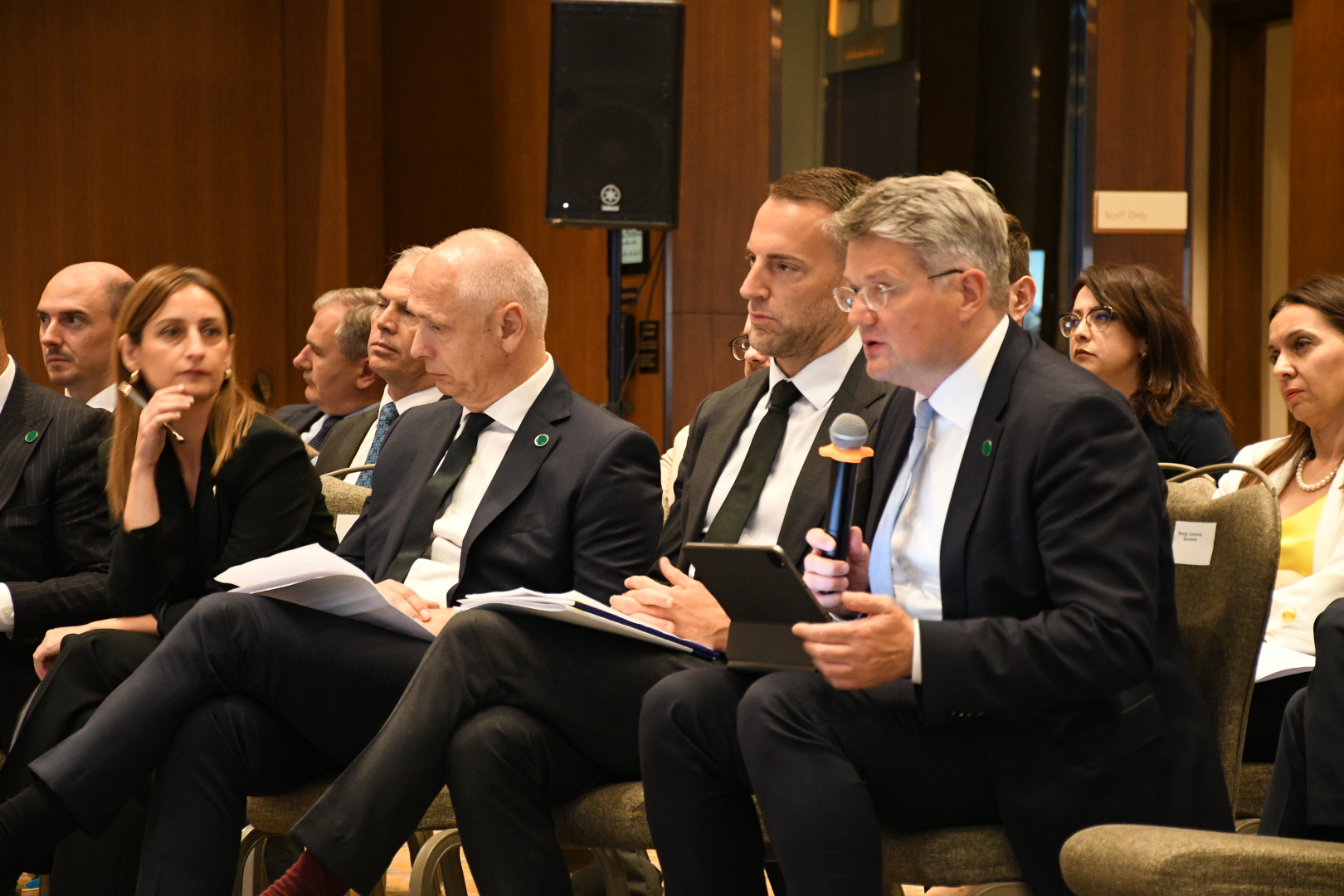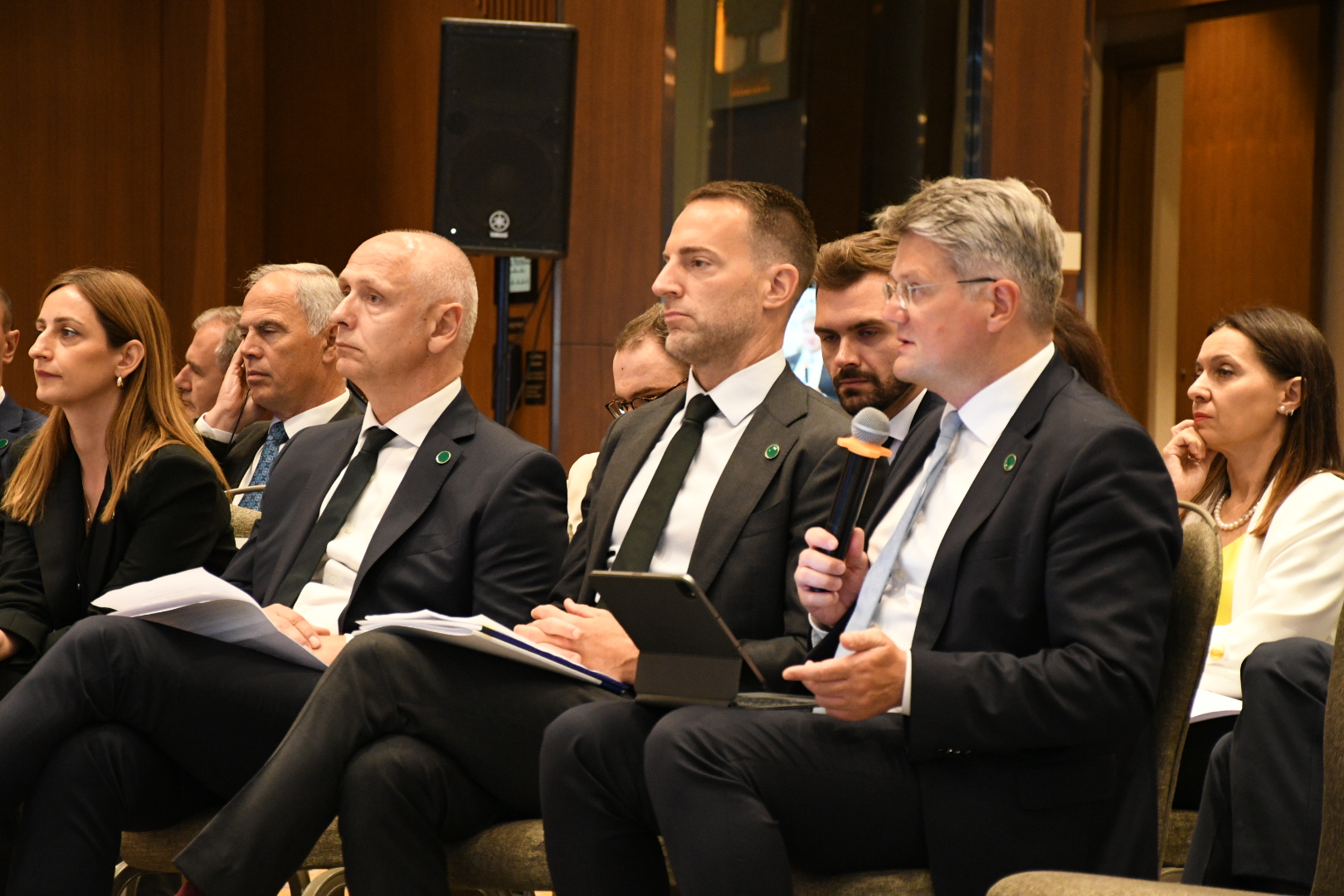

Energy Reform Key to Regional Stability and Green Transition, Says Energy Community Director at Western Balkans Leaders Meeting
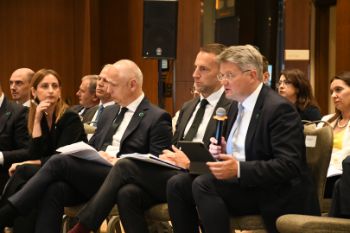
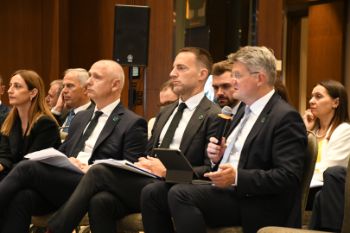
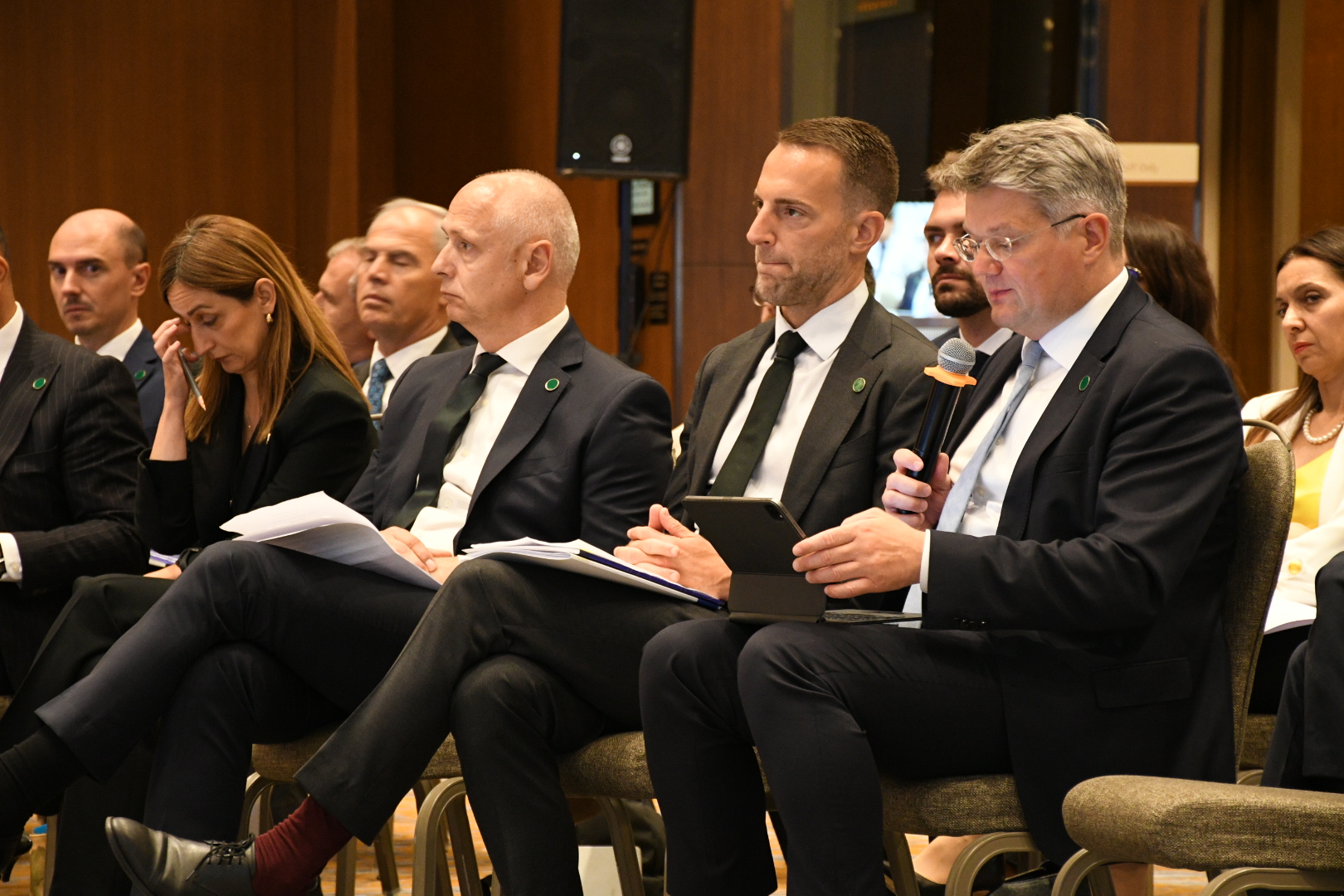
Speaking at the Western Balkans Leaders Meeting, Energy Community Director Artur Lorkowski described energy reform as both a fast track to gaining full access to the EU energy markets and a catalyst for achieving shared climate goals. “As the EU accelerates its path toward a net-zero economy, energy reform offers the Western Balkans a clear route to investment and alignment,” said Lorkowski. “Legal alignment will form the foundation for sustained energy integration, boosting competition and enabling a shift to cleaner, more climate-resilient systems.”
The meeting convened Western Balkan leaders, EU institutions, and regional and development partners to review progress under the EU Growth Plan -- which seeks to integrate the region socio‑economically with the EU -- and renew support for the Common Regional Market, which aims to eliminate barriers to trade, investment, and mobility across the region. During it, Lorkowski called for coordinated action on three interconnected fronts: electricity market integration, gas market operationalisation, and decarbonisation. Together, these priorities form the foundation for a competitive, secure energy system.
These reforms must advance in lockstep to cement the Western Balkans’ integration with the EU energy market while meeting climate targets, Director Lorkowski told the Summit. Finalising electricity market coupling would give Contracting Parties early access to EU day-ahead and intraday trading—stabilising grids and insulating the region from external price shocks. EU market access must be matched by decarbonisation, however, as a fair and competitive energy market depends on sustained emissions reductions and alignment with EU climate and energy rules. At the same time, gas market reform is entering a pivotal phase in the region—shifting from infrastructure build-out to market functionality. Operational interconnectors such as Greece–Bulgaria and Serbia–Bulgaria now need competitive tariffs, commercial flows and open access. A well-functioning gas market, Lorkowski stressed, underpins electricity security, balances high shares of renewables and reduces coal reliance. “No country can achieve energy security or diversification alone; regional coordination is essential to unlock cross-border capacity and ensure secure, affordable energy for all,” he said.
As the legal and technical bridge between the Western Balkans and the EU energy system, the Energy Community Secretariat remains committed to supporting Contracting Parties in implementing the reforms needed for full market integration and a climate-resilient transition.