
 Austria
South-East European Gas Initiative 2025 meeting highlights further steps for gas market integration
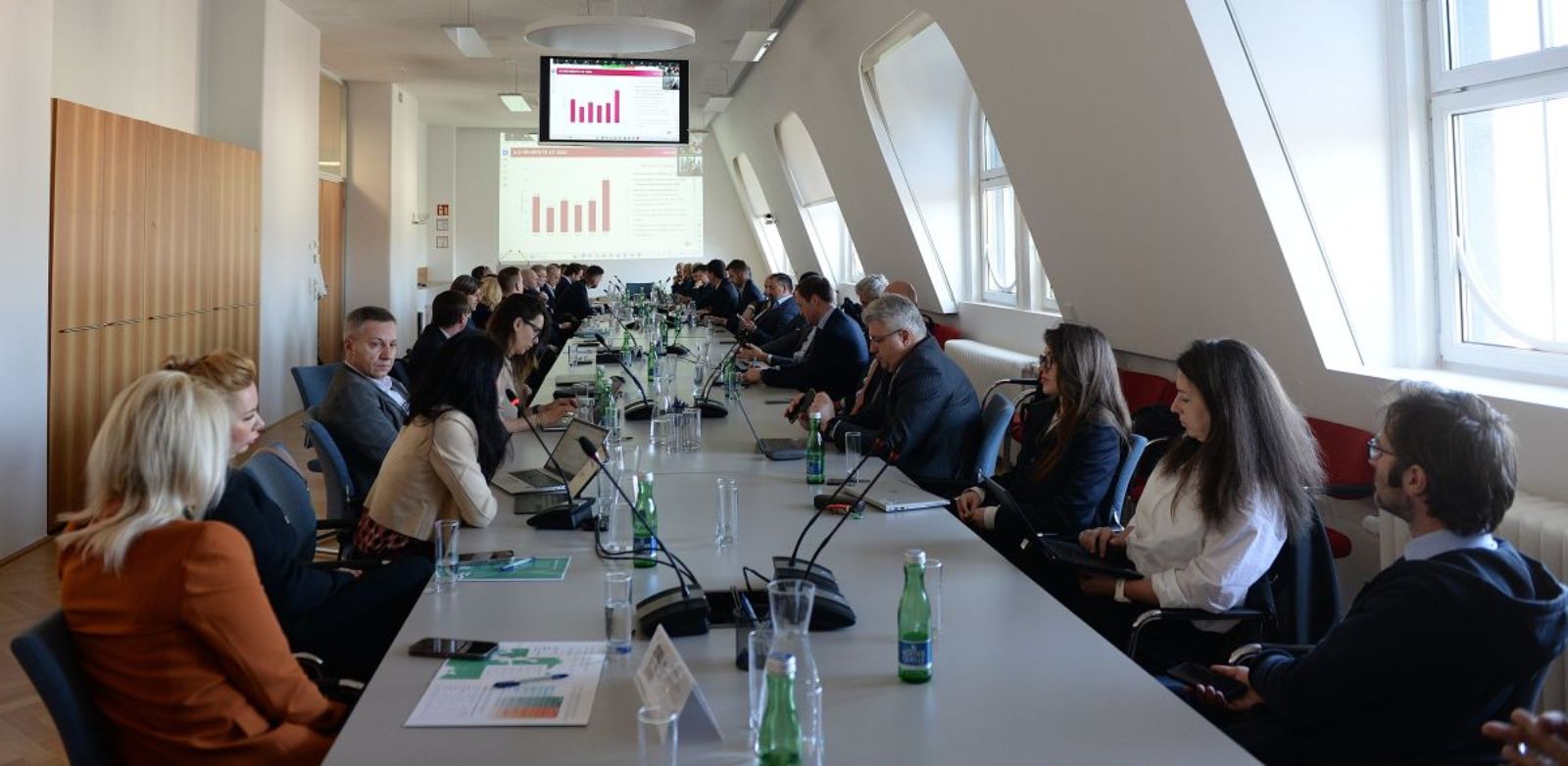
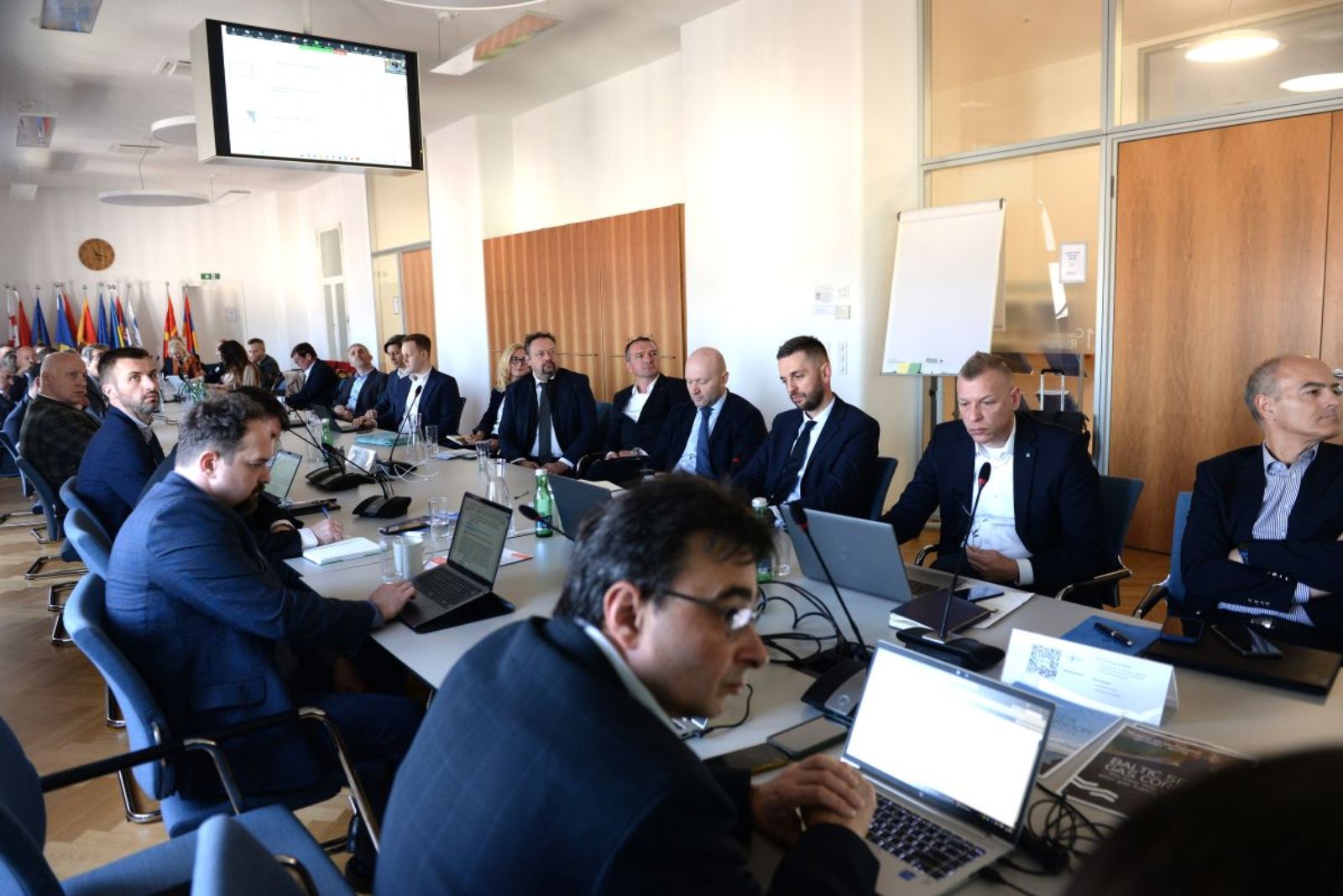
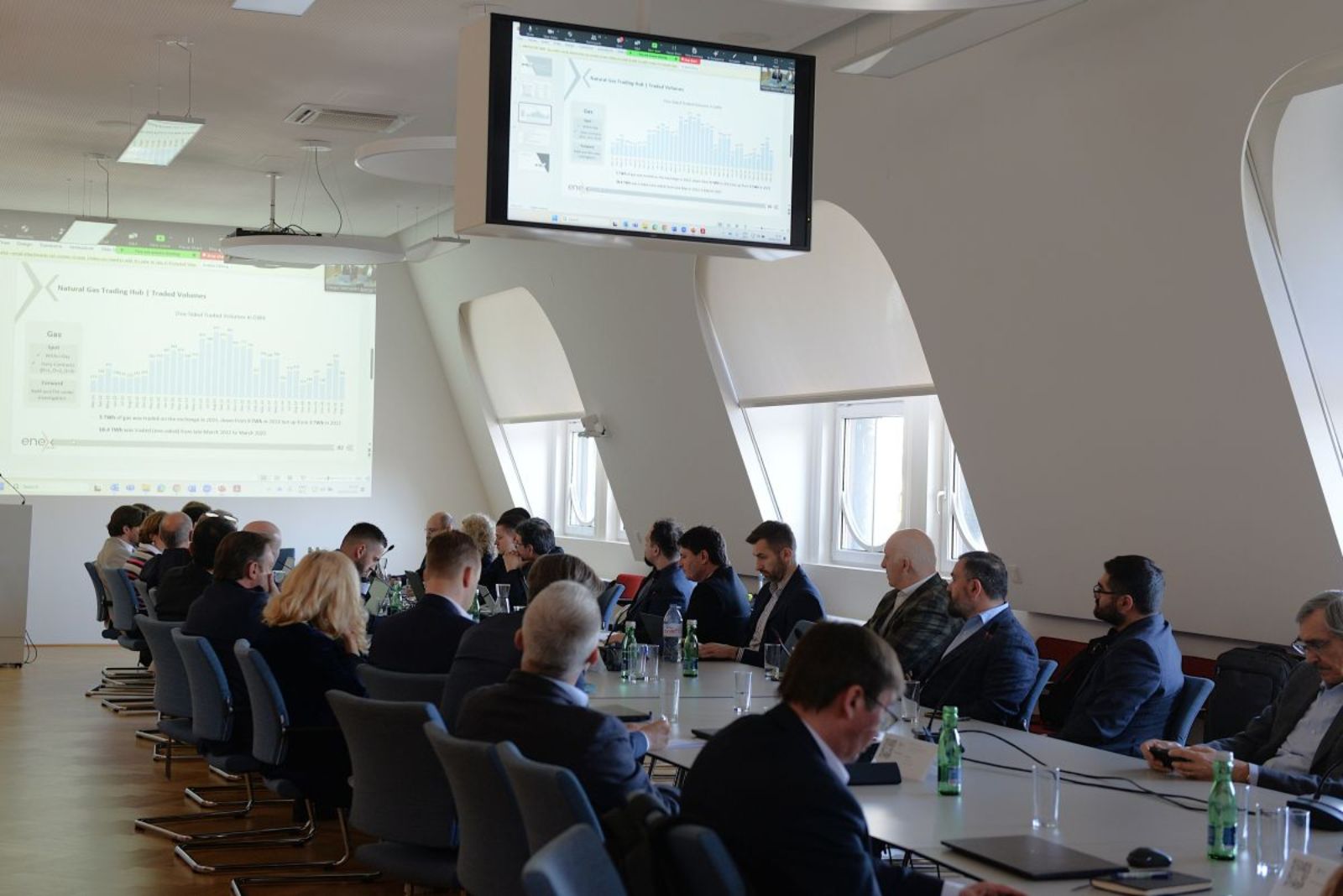
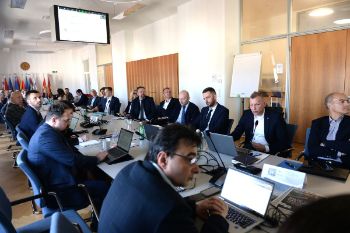
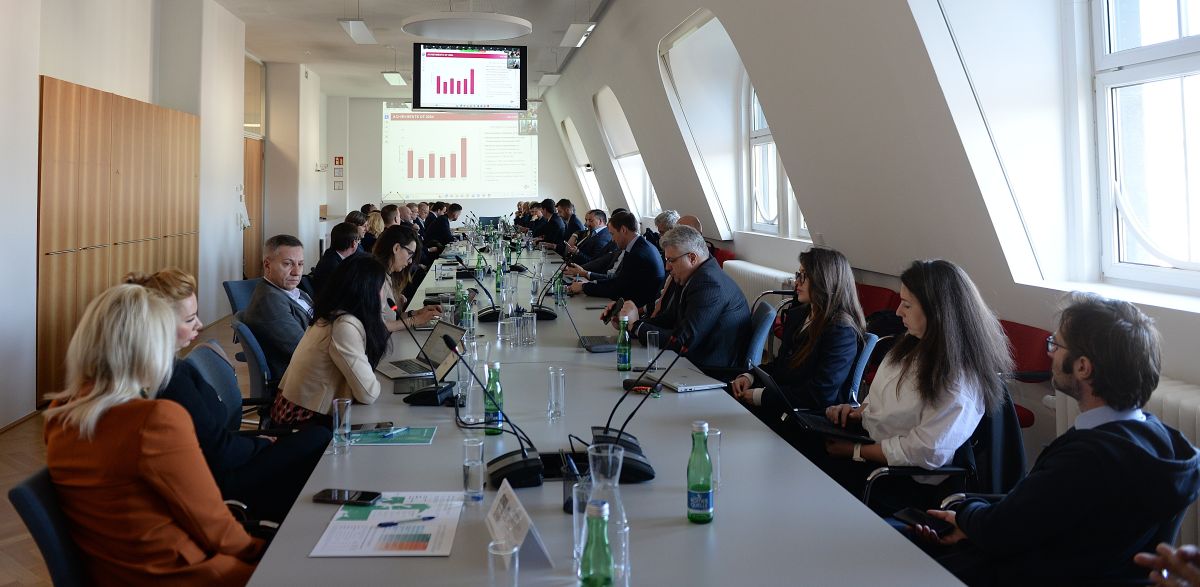
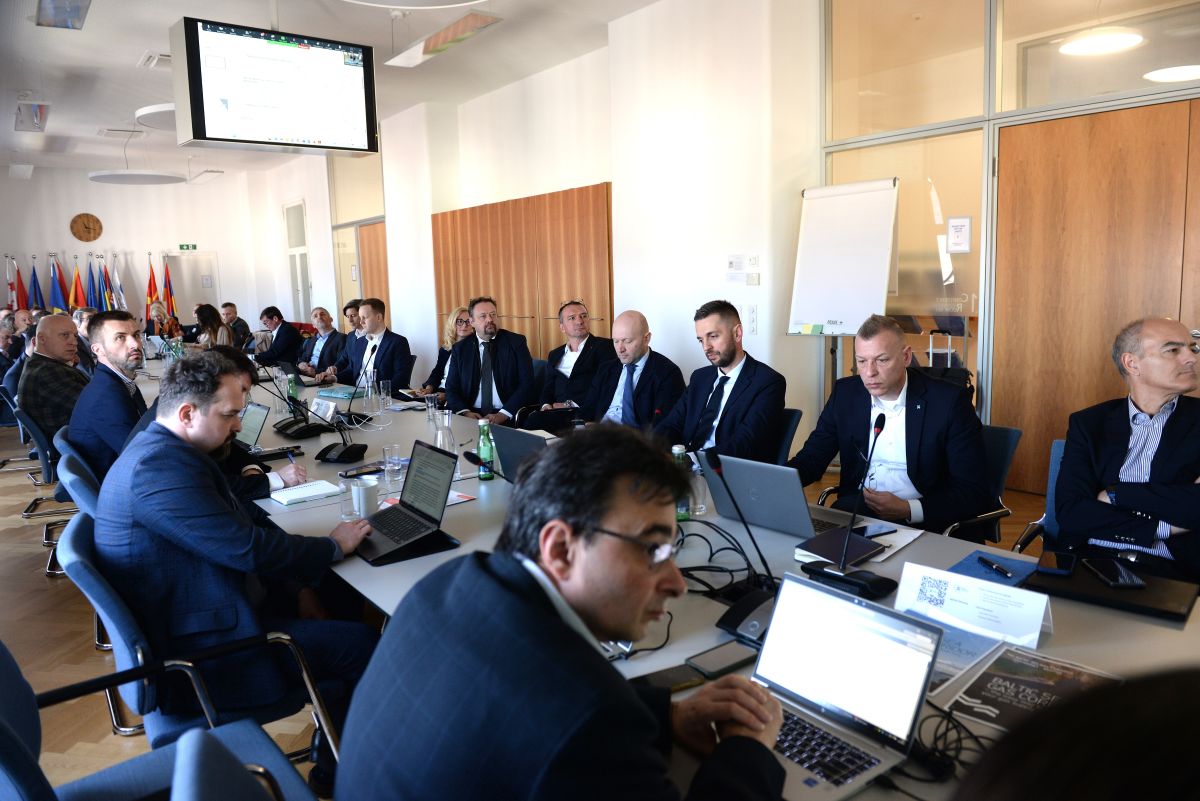
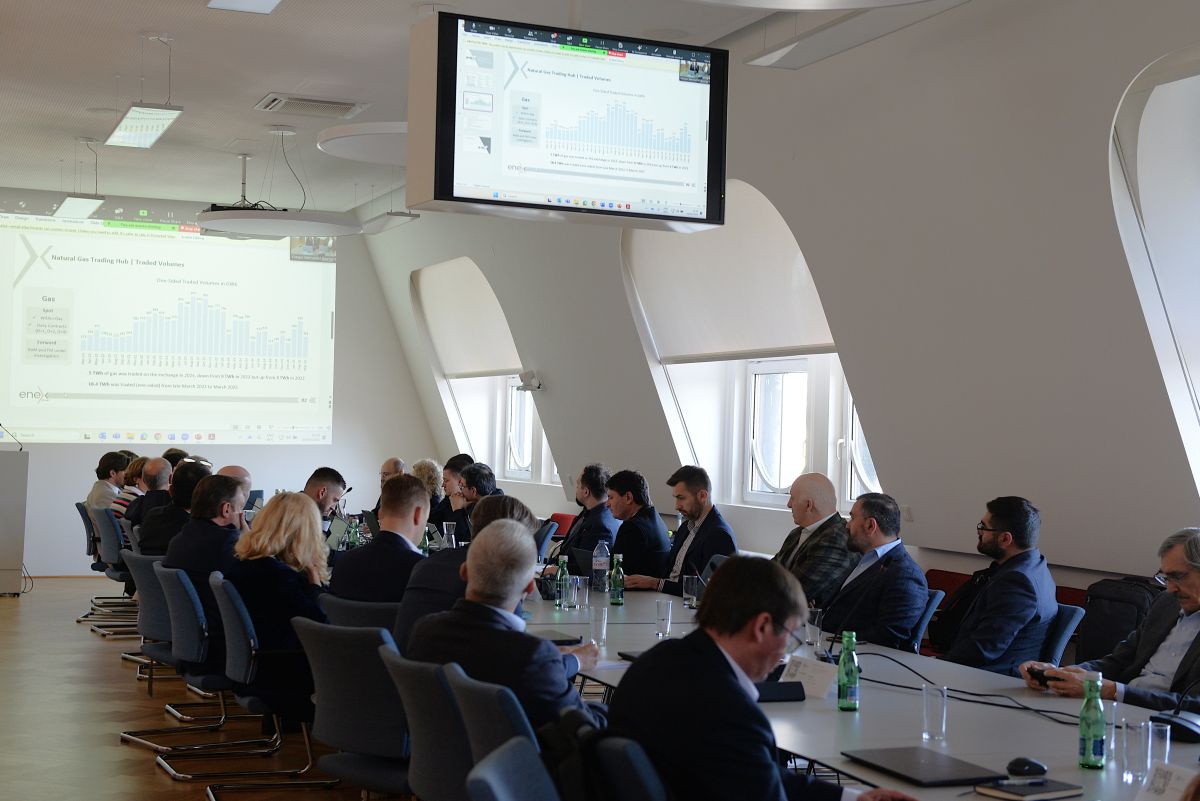
On 3 April 2025, the hybrid SEEGAS meeting hosted by the Energy Community in Vienna gathered over 80 participants from the region, including European Union members and Contracting Parties, as well as representatives from the European Commission.
Chaired by the Secretariat’s Gregor Weinzettel and led by Predrag Grujičić, Gas Expert and the Head of the Gas Unit respectively, the event brought together experts from regional exchanges, transmission operators, and stakeholders to discuss gas market integration across South-East Europe.
While trading liquidity in the region is increasing, price divergence remains due to factors such as excessive regulation, currency differences, and lack of unified clearing. The latter would streamline and standardise the settlement of gas trades across multiple exchanges, making transactions more efficient and transparent.
Presenters from exchanges like Romania’s BRM, Greece’s HENEX, and Bulgaria’s Balkan Gas Hub highlighted the rise in spot gas trading. Notably, liquidity on Austria’s CEGH has remained strong since the loss of Russian gas transit, and Poland’s TGE anticipates further growth amid regulatory changes.
A key success for the initiative and the region is the collaboration between BGH and KELER to establish a clearing system in Bulgaria, along with the operation of BRM East in Moldova.
The Secretariat’s preliminary findings of a study led by WECOM on increasing the usage of the Trans Balkan Pipeline reverse flow provided insight from the market, TSOs, NRAs and other stakeholders and determined the costs gap with benchmarking. The EC and participants supported the Secretariat’s efforts and the study’s first results. The study will be finalised in the upcoming weeks.
Launched in 2020, SEEGAS continues to promote cooperation between gas exchanges and transmission operators to create a more liquid, competitive, and interconnected gas market in South-East Europe, enhancing regional energy security and supply diversification.
Given the impact of the war in Ukraine on regional energy systems, this collaboration is crucial for enhancing energy security and diversifying the gas supply.